Using Multi-Camera AI to Improve Retail Security and Customer Experience

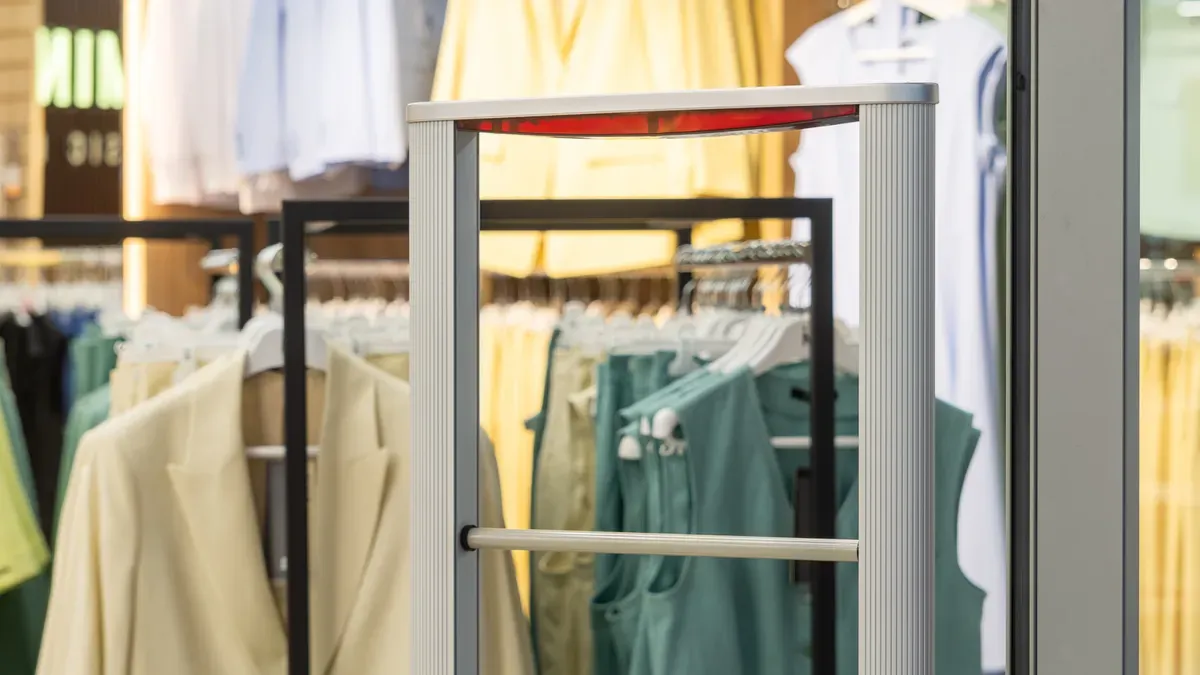
You can see multi-camera AI systems changing stores. These systems help keep things safe and help shoppers. They let you watch what happens in the store right away. This makes things work better. When you add advanced AI to your store, you get more good things. Check the table below to see how these systems help customers, raise sales, and give staff helpful information.
Benefit | Description |
|---|---|
Improved Customer Experience | Makes shopping better, helps sales, and makes customers happier. |
Operational Efficiency | Does some jobs for staff and gives them quick updates. |
Business Intelligence | Uses camera data to learn about how customers act and move. |
Key Takeaways
Multi-camera AI helps keep stores safe. It spots suspicious actions and tells staff fast. This helps stop theft before it happens. These systems also make shopping better for customers. They cut down wait times and give live updates on products. This makes shopping easier and faster. AI-powered analytics help stores learn about customer actions. This lets stores make better ads and arrange items better. Using multi-camera AI can save stores a lot of money. It lowers the need for workers and makes work smoother. Stores should always protect customer privacy. They must follow rules like GDPR and CCPA. This keeps customers safe and builds trust.
Multi-Camera AI Systems in Retail
Core Capabilities
Multi-camera AI lets you see your store from many places at once. This helps you follow people and things as they move around. You can watch how customers walk through the store. You can count how many people are there and see how crowded it gets. You can notice when lines are long or when too many people are in one spot. Heat maps show where shoppers spend the most time.
Crowd estimation
Queue management
Occupancy percentage evaluation
Overcrowding and overoccupancy detection
Heat map
Functionality | Description |
|---|---|
Shows how people and things move in the store using many cameras. | |
Customer Journey | Looks at the ways customers walk to help make shopping better. |
Security Enhancements | Makes the store safer by watching for strange actions. |
Operational Efficiency
Multi-camera AI helps your store work better. Smart cameras and edge servers count people and watch lines. You can see how long people wait and guess busy times. Dashboards show what is happening right now, so you can act fast. You can change staff hours or open more checkouts when needed. AI-powered vision helps you set up displays and see how shoppers react. You get alerts when shelves are almost empty, so you can restock fast.
AI-powered vision makes shopping better and helps set up the store.
Multi-camera tracking watches how customers move and helps ads work better.
Real-time alerts help you keep shelves full and sell more.
AI analytics link how many people visit with sales, so you can change marketing quickly.
Security and Customer Experience
Multi-camera AI keeps your store safe and helps shoppers. Security cameras spot things like loitering or hiding items. They send alerts to staff fast, so you can stop theft. Customers also get a better experience. AI can suggest products and use kiosks to make shopping fun. Shoppers get help quickly and find things easily. This builds trust and makes people want to come back.
Tip: Multi-camera AI helps you act fast for safety and customer needs, making your store safer and friendlier.
Multi-Camera AI Technology
Hardware and Edge AI
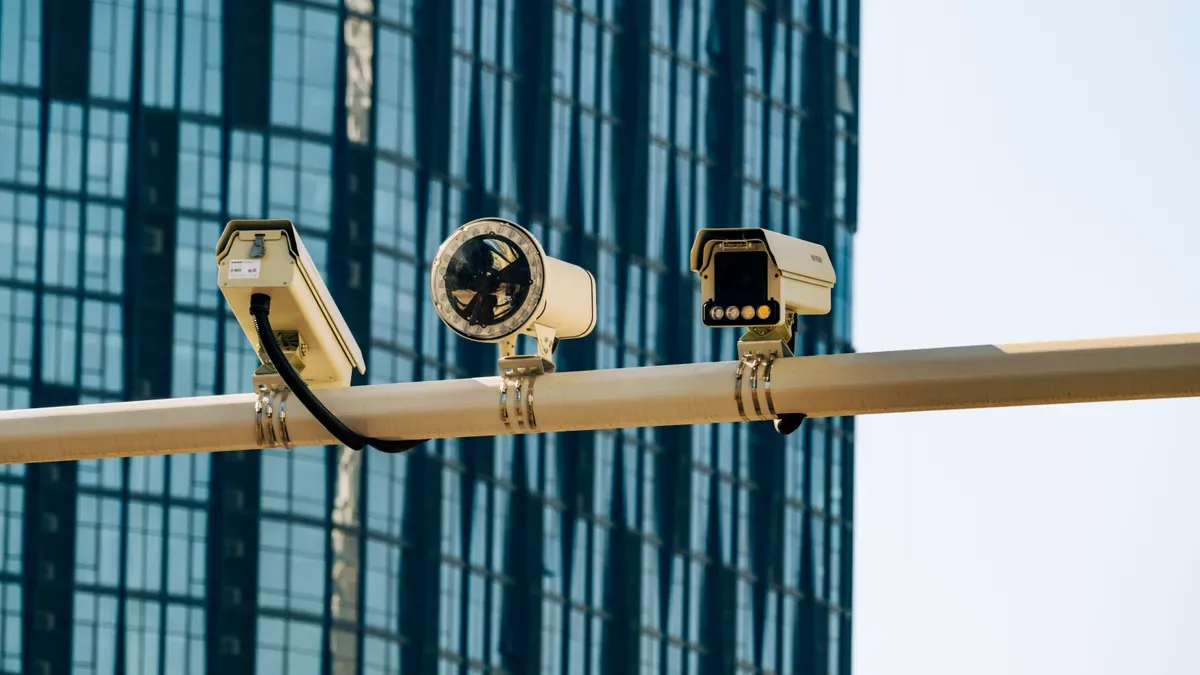
Smart cameras and sensors help you watch your store. These tools count people at the door and check lines at checkout. They also spot people near expensive items. You can watch the cash area and emergency exits too. Bullet cameras are good for outside walls and driveways. Dome cameras are better for inside when you want to be sneaky. Smart cameras with edge AI see how customers move and look at products. This helps you plan your store and keep track of items.
Edge AI lets you use data right in the store. You do not have to send it far away. This means you get updates fast and can act quickly. You can open more registers if lines get long. You can restock shelves before they are empty. Edge AI gives you quick facts to help you make smart choices.
Note: Edge AI works faster because it handles data in the store. You can help customers sooner and make shopping better.
Machine Learning Frameworks
Machine learning frameworks power your multi-camera AI system. These tools help you follow people, study what they do, and show video right away. Many stores use TensorFlow and PyTorch. Some also use NVIDIA Metropolis and other microservices to grow bigger.
Component | Description |
|---|---|
You can change it for big spaces with vision AI. | |
AI Models | They are trained on real and fake data. |
Real-time Video Streaming | It helps you see video fast. |
NVIDIA Metropolis | It manages media, sees things, mixes data, and checks behavior. |
Third-party Microservices | Kafka, Elasticsearch, and Milvus help track things well. |
Integration with Retail Infrastructure
You need to connect your multi-camera AI to your store’s tech. Good connections help you use what you already have. You should use rules like ONVIF Profile S and RESTful APIs. Central video storage and auto-saving make it easy to keep videos. Dashboards and single sign-on make things simple for users. Auto alerts and emergency steps help staff act fast.
Use standard ways to connect for smooth work.
Keep and share data with one main system.
Make things easy with one dashboard.
Link jobs together for a quick response.
Tip: Always check privacy and safety rules like GDPR and CCPA. Keep customer data safe and protect your store.
Applications and Benefits
Security Enhancements
Multi-camera AI can help make your store safer. These systems help you find theft, fraud, and other risks early. AI-powered cameras look for strange actions, like loitering or hiding things. If the system sees something odd, it tells your staff right away. This helps you stop theft fast.
You can follow people as they move on different cameras. If someone tries to leave without paying, the system warns your team. Some cameras check if items are taken but not paid for at checkout. This helps you catch shoplifting and refund fraud.
Tip: You can make special zones in risky areas, like electronics or cosmetics. The system will warn you if it sees groups or odd actions that could mean organized crime.
Here is a real example of how stores use these tools:
Retail Chain | Locations | Data Collection | Key Features |
|---|---|---|---|
Regional Retail Chain | 12 | 0 Customer Data Collected | Slip Risk Detection, Loitering, Unauthorized Access |
These systems can give you big results:
Benefit | Description |
|---|---|
Reduction in theft and vandalism | Stores saw fewer thefts and vandalism after using these tools. |
Cost savings from reduced guard hours | Using AI instead of one overnight guard can save $70k to $100k each year. |
Improved operational efficiency | Using these systems in many stores can give a 399% ROI in five years. |
You get video proof and logs to help with legal cases.
Insurance costs can go down because security is better.
Retail shrinkage is a $100 billion problem every year. Over 65% of this comes from theft. Some big stores found 84 types of fraud, like refund scams. With AI video tools, they caught these problems and want to use real-time monitoring to stop more fraud.
Customer Experience Improvements
Multi-camera AI can make shopping easier and more fun for customers. These systems help cut wait times and give shoppers help when they need it. For example, you can use autonomous shopping so customers do not wait in line. The system can see items and update inventory right away. This means customers always know what is in stock.
Customers can skip lines with autonomous shopping.
Real-time inventory updates help shoppers find what they want.
Edge AI sees items and tracks customers to speed up checkout.
Stores that use computer vision to help shoppers saw customer satisfaction go up by 15-25%. You can also see a 10-20% boost in how well your store works.
Note: When shopping is faster and easier, customers want to come back.
Inventory and Shelf Management
Multi-camera AI can help keep shelves full and inventory correct. AI vision cameras watch shelves all the time. This cuts mistakes and helps you know when to restock. You can make better choices about what to order and when to refill shelves.
Robot cameras can move through the store and check every shelf. These systems collect data right away. You can spot empty spots, make sure products are in the right place, and keep shelves neat. This helps customers find what they need.
Shelf monitoring keeps inventory levels right.
Automated checks see if products are in the right spot.
Precision restocking helps you refill shelves at the best time.
You can also save money:
Cost Savings Category | Description |
|---|---|
Automation means you need fewer workers. | |
Lower audit costs | Audits are faster and easier. |
Less inventory waste | Better inventory means less waste. |
Stores that use these systems can cut labor costs and make audits faster. You can also waste less inventory, which saves money and helps the environment.
Tip: When inventory is right and shelves are neat, customers are happier and you sell more.
Deployment and Compliance
Site Assessment and Camera Placement
You need to check your store before adding multi-camera AI. Good camera spots help you see the whole store. Blind spots should be less than 15 feet. Put cameras in important places.
Registers and POS: Use fixed cameras to watch sales.
Store entrances and exits: Wide cameras count people coming and going.
High-shrink aisles: Fixed or zoom cameras look for hidden things.
Back office and stock room: Fixed cameras stop inside theft.
Parking lot and perimeter: Outdoor cameras watch after hours.
Cooler and beverage sections: Small cameras check for theft.
Check where cameras can see. Cover all exits and back doors. This helps you find risks and keep the store safe.
Installation and Calibration
You might have problems when you set up your system. Light changes, dust, and shaking can hurt camera images. Check for bad lighting and shiny spots. These make it hard for AI to see well. Hot or cold weather can also change how cameras work.
You should:
Adjust cameras often to fix small problems.
Clean and check cameras a lot.
Change settings for light and weather.
Handle data from all cameras, even if some pictures are not perfect.
Taking care of your system helps it work its best.
Privacy and Data Security
You must keep customer privacy safe and follow the law. Tell customers how you use cameras and ask for their okay. Use strong security like encryption to protect data. Always follow rules like GDPR and CCPA.
Privacy Regulation/Consideration | Description |
|---|---|
Informed Consent | You must get clear permission from customers for data collection. |
Data Protection Measures | Use strong security to stop data breaches. |
Transparency | Tell customers how you collect and use their data. |
Data Retention Policies | Set rules for how long you keep personal data. |
Anonymization Techniques | Use methods to hide personal identity in video. |
Compliance with Local Laws | Follow all privacy laws in your area. |
Tip: When you keep privacy safe and use clear rules, customers trust you more.
Future Trends
Advances in AI and Computer Vision
Retail stores will change a lot as AI gets smarter. Cameras with deep learning can now see products and watch shoppers. Some stores, like Amazon Go, use these tools. You do not have to wait in line there. Many cameras watch what you pick up and put back. When you finish shopping, you just walk out. Walmart uses smart cameras to see empty shelves and restock quickly. Companies like DeepBlue Technology and Malong Technologies help vending machines and self-checkout spots see products fast.
These new tools make stores safer and work better. Cameras can spot theft, count people, and help you find things. You can check out faster and get better service. Stores also use these tools to keep shelves full and make fewer mistakes.
Here are some things you will see in the next five years:
Trend | Impact on Retail Security and Customer Experience |
|---|---|
Integration with AI and IoT | Finds problems early, keeps items in stock, and stops fraud. |
Cashier-less Checkout Systems | Makes paying simple, shortens lines, and keeps your money safe. |
Gesture Recognition | Lets you use screens without touching, which is cleaner and easier. |
Object Detection & Tracking | Helps stores watch products and stop stealing. |
Personalized Customer Experiences | Gives you tips and help based on what you like. |
Note: As AI improves, shopping will get faster, safer, and more personal.
Evolving Retail Strategies
Stores will use AI to make shopping fit you better. Smart cameras and AI models watch how you shop and what you like. Stores use this data to give you better tips and keep your favorite things in stock. You get help finding products and shopping feels smoother.
Retailers use AI to:
Find people, products, and how they act together.
Suggest things you may like based on what you look at.
Make shopping easier with quick checkouts and fewer errors.
You will see stores do these things:
Make checkout quick by knowing who you are and what you buy.
Study shopping data to learn what customers want.
Guess trends and keep shelves full of popular items.
Tip: When stores use AI to know you, shopping is easier and more fun.
Multi-camera AI gives you better security and a smoother shopping experience. You spot threats early, learn how your store works, and adapt to new risks. To get started, follow these steps:
Check your current systems.
Standardize your tech.
Set up alerts and test in a few stores.
Train your team.
You can use pilot programs and centralized management to make things easier. As AI grows, you will see faster checkouts, smarter layouts, and safer stores. Get ready for a future where shopping feels simple and secure.
FAQ
What is multi-camera AI in retail?
Multi-camera AI uses smart cameras and software to watch your store. You can track people, count visitors, and spot problems. This helps you keep your store safe and improve how customers shop.
How does multi-camera AI help prevent theft?
You get alerts when the system sees suspicious actions. Cameras can follow people across the store. You can act fast to stop theft and protect your products.
Is customer privacy protected with these systems?
Yes. You must follow privacy laws like GDPR and CCPA. You use encryption and clear rules to keep customer data safe. You also tell customers how you use cameras.
Can you use multi-camera AI with your current store setup?
You can connect multi-camera AI to most store systems. Use standard connections like ONVIF and APIs. This lets you keep your old cameras and add new smart features.
See Also
Exploring The Advantages Of AI-Enhanced Vending Machines
The Future Of Retail Lies In AI-Driven Stores
Understanding The Growth Of AI-Enabled Corner Shops
