Designing promotions and discounts for autonomous retail in Corporate offices & tech parks.

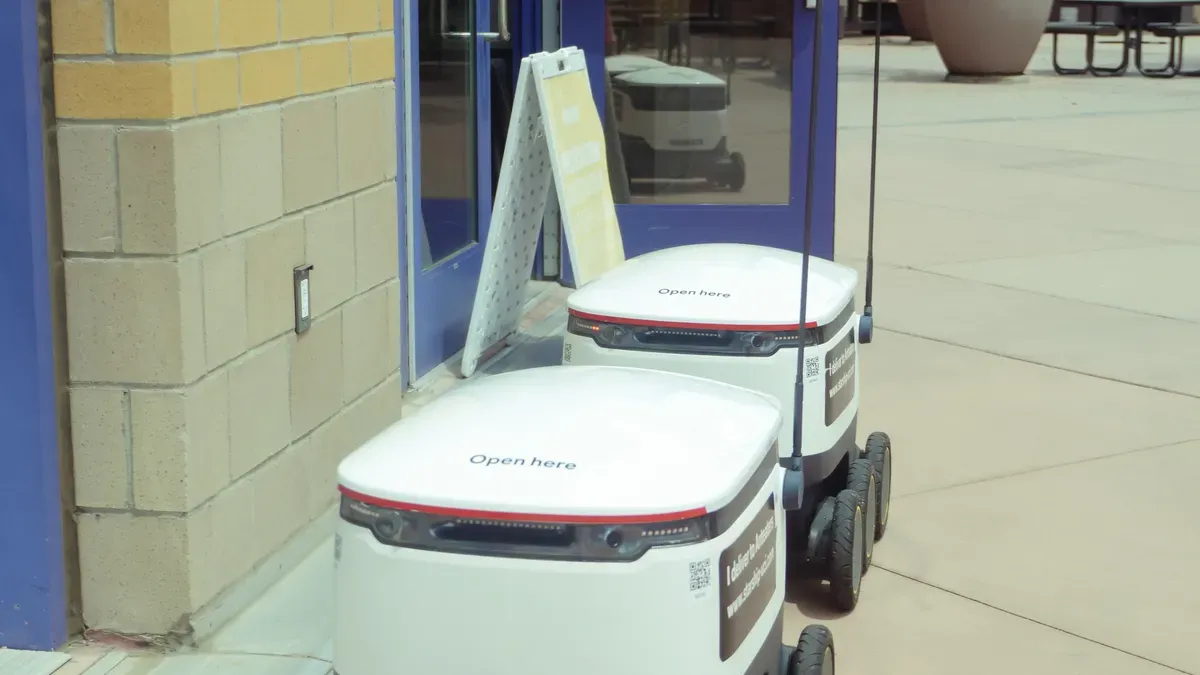
You see the checkout-free revolution changing how you shop in corporate offices and tech parks. Smart autonomous retail solutions let you grab what you need without waiting in line. You want promotions and discounts that match your workday and bring real convenience. The latest technology uses data and AI to deliver offers in real time, making shopping feel personal and fast. You notice autonomous stores growing rapidly:
The number of autonomous stores jumped from 350 in 2018 to 10,000 by 2024.
Sales volume soared from under $70 million to over $20 billion.
You expect retail to fit your busy schedule and meet consumer expectations for convenience and personalization. Data-driven technology helps retailers keep up with your needs in corporate offices.
Key Takeaways
Autonomous retail is revolutionizing shopping in corporate offices, offering convenience and personalization through real-time promotions.
Understanding employee demographics and work patterns helps retailers tailor promotions that fit busy schedules and diverse needs.
Personalized offers based on shopping habits increase engagement and loyalty, making customers feel valued.
Timing and relevance of promotions are crucial; retailers should adjust offers to match peak shopping times for maximum impact.
Feedback from customers is essential for continuous improvement; quick surveys can help stores refine their promotions and enhance the shopping experience.
Knowing Your Autonomous Retail Audience

Employee Demographics
You see a diverse group in corporate offices and tech parks. Millennials now make up the largest group in the workplace. Many hold middle-management positions and face unique challenges. You notice that generational differences shape communication and work styles. Businesses support millennials by offering skill-building opportunities and boosting confidence. Technology plays a big role in shaping demographics. Smartphones, tablets, and social media influence how you interact with autonomous retail. People stay connected and individualize their shopping habits. This shift keeps individuals feeling younger and more adaptable.
Millennials lead the workforce in corporate offices.
Technology use is widespread, affecting retail choices.
Generational differences require tailored approaches.
Work Patterns and Preferences
You work in environments where schedules vary. Some employees prefer flexible hours, while others stick to traditional routines. Autonomous retail adapts to these patterns. You value quick access to snacks, meals, and essentials during breaks. You want retail options that fit your busy day and minimize disruptions. Many employees use mobile devices to check promotions and discounts. You expect seamless integration between work and shopping.
Tip: Autonomous retail stores can track peak usage times and adjust promotions to match your work patterns.
Motivators for Engagement
You engage with autonomous retail promotions when you feel recognized and valued. Employee recognition drives your motivation. Coaching and feedback from managers boost your interest in retail offers. Fair compensation and performance bonuses make you more likely to participate. Clear company goals help you see how your actions contribute to success. Regular assessments keep you motivated and address issues early.
Employee recognition increases engagement.
Coaching and feedback improve motivation.
Compensation and benefits encourage participation.
Clear goals foster a sense of purpose.
Regular evaluations help maintain motivation.
Key Principles for Promotions and Discounts
Personalization in Autonomous Retail
You want a personalized shopping experience when you visit autonomous stores in your office or tech park. Personalization helps you feel valued and makes your shopping easier. Retailers use advanced analytics and agentic AI to study your shopping habits. This technology lets them create promotions and discounts that match your needs. You see offers based on what you buy, when you shop, and even how often you visit.
Retailers use analytics and AI to customize promotions for you, which increases your engagement.
Teams track key performance indicators to make sure promotions work well for each group of employees.
Retailers shift their spending to the most successful promotions by looking at customer lifetime value.
Personalization in autonomous retail leads to better results for both you and the retailer. You get deals that matter to you, and retailers see more engagement and loyalty.
Relevance and Convenience
You expect promotions and discounts to fit your busy workday. Relevance means you get offers that match your needs at the right time. Convenience means you can use these offers quickly and easily. Autonomous retail uses technology to make this possible. You do not have to wait in line or search for deals. The system sends you offers when you need them most, like during lunch breaks or after meetings.
Note: When promotions are relevant and easy to use, you are more likely to take advantage of them. This saves you time and makes your shopping smoother.
Autonomous stores use data from your past purchases and real-time activity. This helps them send you the right offers at the right moment. You enjoy shopping more because it fits into your schedule and feels effortless.
Timing and Work Schedules
Your work schedule changes from day to day. Sometimes you have early meetings, and other times you work late. Autonomous retail understands these patterns by using data and AI. The system tracks when you and your coworkers visit the store. It then adjusts promotions and discounts to match these times.
Here is how AI and data analytics help with real-time, targeted promotions in autonomous stores:
Aspect | Description |
|---|---|
Customer Segmentation | AI segments customers based on real-time behavior, demographics, and past purchases. |
Dynamic Pricing | AI adjusts prices based on demand, competitor activity, and inventory levels. |
Targeted Promotions | Enables retailers to deliver hyper-targeted promotions, enhancing customer engagement. |
You get the best deals when you need them most. For example, you might see a breakfast offer in the morning or a snack deal in the afternoon. This approach uses technology and data to make sure promotions always fit your workday.
Promotions and discounts in autonomous retail work best when they match your needs, use the latest technology, and respect your time. You benefit from innovation that brings convenience and relevance to your daily routine.
Types of Promotions and Discounts
Time-Based and Event Offers
You can take advantage of time-based offers in autonomous retail. These promotions and discounts appear during specific hours or on special days. For example, you might see a breakfast deal from 8 to 10 a.m. or a snack discount during afternoon breaks. Autonomous stores use data to understand when you and your coworkers shop the most. They adjust pricing to match these busy times.
You also benefit from event-based offers. These promotions connect with company events, holidays, or team celebrations. You might find exclusive deals during a product launch or a company anniversary. This approach makes shopping more exciting and keeps you engaged with the retail experience.
Tip: Check your mobile app for flash sales and limited-time offers. These deals often appear when you need them most.
Group and Team Discounts
You work in a collaborative environment. Group and team discounts encourage you and your colleagues to shop together. Autonomous retail systems can recognize when several employees from the same team make purchases. The system then applies special pricing for group orders.
This type of promotion builds teamwork and boosts morale. You might see a "Buy 4, Get 1 Free" offer for your department or a discount when your team reaches a spending goal. Autonomous stores use smart technology to track group activity and reward collective participation.
Group discounts support team bonding.
Team offers help you save money.
Autonomous systems make it easy to apply these promotions automatically.
Loyalty and Rewards Programs
You want to feel valued as a repeat customer. Loyalty and rewards programs in autonomous retail help you earn points, unlock perks, and receive personalized offers. These programs use data to track your purchases and reward your loyalty.
Here is how different loyalty programs influence your repeat purchases in autonomous stores:
Loyalty Program Type | Key Characteristics | Influence on Repeat Purchases |
|---|---|---|
Points Programs | Works with frequent purchases | Encourages repeat transactions through achievable earn-redeem cycles |
Paid Memberships | Requires tangible value | Justifies fee, leading to increased loyalty and spending |
Experiential Rewards | High perceived value at lower cost | Fosters emotional connections, enhancing repeat purchases |
Data-Driven Programs | Personalization based on purchase history | Tailors rewards to individual preferences, increasing engagement and transactions |
You see that only 25% of loyalty programs offer personalized experiences based on your purchase history. Many IT leaders say that complicated processes make loyalty programs less effective. Most organizations want to improve their technology to make these programs more personal and rewarding.
Personalized rewards increase your engagement.
Simple earn-and-redeem cycles encourage you to shop more often.
Better technology leads to more valuable loyalty programs.
Note: Loyalty programs in autonomous retail can boost your satisfaction and make you return to the store more often.
Subscription and Bundled Pricing
You can choose subscription plans or bundled pricing for extra convenience. Subscriptions let you pay a fixed amount each month for regular access to snacks, drinks, or meals. This model helps you save money and plan your spending. Bundled pricing gives you a discount when you buy several items together, such as a lunch combo or a snack pack.
Autonomous stores use smart systems to manage subscriptions and bundles. You receive reminders when your subscription is about to renew. You can also customize your bundles based on your preferences. This approach makes shopping easier and helps you control your budget.
Subscriptions offer predictable costs.
Bundles give you more value for your money.
Autonomous technology ensures a smooth experience.
You see that promotions and discounts in autonomous retail cover many types. Each one uses technology and data to fit your needs, improve your shopping experience, and help you save money.
Checkout-Free Revolution and Customer Convenience
Enhancing Experience with Smart Baskets
You notice the checkout-free revolution changing how you shop in autonomous stores. Smart baskets play a big role in this new shopping style. These baskets use computer vision to recognize each item you pick up. You do not need to scan barcodes or wait for a cashier. The basket can even weigh produce and set the price for you. This technology helps you move through the store quickly and with less effort.
Smart baskets make your shopping experience smoother and more enjoyable. You can pay right on the basket using your credit card or a pre-set account. This means you skip the checkout line and save time. The system tracks your items automatically, so you do not worry about mistakes. You get a seamless customer experience every time you visit autonomous stores.
Smart baskets detect and track items without manual scanning.
They calculate prices for produce and other goods.
You can pay directly on the basket or cart.
You avoid waiting in checkout lines, which increases convenience.
This approach creates a frictionless journey for you. You feel the benefits of cashierless shopping every time you use these smart tools.
Seamless Promotions via Autonomous Checkout
You want promotions that fit your busy day and make your shopping experience better. Autonomous checkout systems deliver these offers in real time. When you pick up an item, the system can show you a discount or a special deal right away. You do not need to search for coupons or codes. The technology applies the best offer for you as you shop.
Autonomous stores use data to understand your preferences and shopping habits. This helps them give you promotions that match your needs. You see deals that matter to you, which adds value to your experience. The checkout process stays fast and easy, even when you use discounts.
Tip: Always check your app for new offers before you start shopping. You might find a deal that makes your experience even better.
You enjoy more convenience and a personalized experience with every visit. Autonomous technology makes sure you get the most out of your shopping trip.
Leveraging Technology in Autonomous Retail
AI-Driven Promotion Planning
You see how AI changes the way you receive promotions in autonomous retail. AI agents use customer data to study your shopping habits and preferences. They plan promotions that match your needs and adjust them quickly. You get offers that feel personal and relevant. AI also helps retailers avoid giving too many discounts or targeting the wrong people. This makes promotions more effective and reduces losses.
Here is how AI-driven planning improves your experience:
Feature | Benefit |
|---|---|
Promotion contribution analysis and optimization | AI checks which promotions work best and shifts focus to those, saving money and time. |
Promotion planning with price elasticities | AI uses data about how price changes affect demand to set the right discount for each item. |
You want promotions that fit your workday. AI uses both one-to-one and group personalization strategies. This means you get the right offer at the right time, making your shopping experience better.
Real-Time Data and Analytics
You benefit from real-time data and analytics every time you shop. Autonomous technology collects customer data as you move through the store. It tracks what you pick up, when you shop, and even how long you spend in each area. This data helps the system adjust promotions and prices instantly.
Retailers use dynamic pricing to stay ahead. They watch competitor prices, inventory levels, and market trends. The table below shows how real-time pricing works in autonomous retail:
Example Type | Description |
|---|---|
Competitor Pricing | Retailers lower prices if they see a competitor’s promotion, helping you save money. |
Inventory Levels | Prices drop when stock is high, so you get better deals and products move faster. |
Market Trends | Retailers spot trends and adjust offers to match what you want right now. |
You might see a sundress drop in price because another store has a sale. This quick change can boost sales by 30%. Real-time data makes your shopping experience more exciting and fair.
Integration with Employee Platforms
You want a smooth shopping experience that fits your work life. Autonomous retail connects with employee platforms like mobile apps and smart notifications. You get alerts about new deals, flash sales, or rewards right on your phone or work device. This keeps you informed and helps you act fast.
Here are ways technology improves your experience:
Mobile apps show you personalized offers based on your customer data.
Smart notifications remind you about expiring discounts or new products.
Integration with work calendars helps you get offers during breaks or after meetings.
You enjoy a seamless experience because technology brings retail and work together. You save time, get better deals, and feel more connected to your workplace.
Implementation and Communication Strategies
Promotion Timing and Frequency
You want promotions to appear when you need them most. Timing matters in autonomous retail. Stores use AI to track busy hours and adjust offers. You see breakfast deals in the morning and snack discounts in the afternoon. Retailers set the frequency of promotions so you do not feel overwhelmed. They avoid sending too many offers at once. You get deals that match your work schedule and shopping habits.
Tip: Check your app during breaks for new promotions. Stores often release deals at peak times for maximum convenience.
Effective Communication Channels
You receive updates about promotions through different channels. Mobile apps send notifications right to your phone. Digital screens in the office display current offers. Email alerts remind you about upcoming deals. Retailers use these channels to reach you quickly and keep you informed. You choose the method that fits your routine. This approach helps you stay connected and makes shopping easier.
Communication Channel | Benefit |
|---|---|
Mobile App | Instant notifications |
Digital Screens | Visual reminders |
Scheduled updates |
You enjoy convenience because you get information where and when you need it.
Integration with Retail Systems
Integration with retail systems improves your shopping experience. Predictive analytics work with real-time inventory management. AI forecasts demand using historical data, local events, and even weather patterns. You see personalized promotions based on your past purchases and current behavior in the store. Retailers deliver recommendations as you browse, making your experience unique.
AI-driven personalization tailors offers to your preferences.
Inventory systems keep shelves stocked, so you always find what you need.
Supply chain logistics and last-mile delivery solutions ensure stores respond quickly to demand.
Seamless integration creates a responsive retail ecosystem. When shelves run low, automated systems trigger restocking. Robotic warehouses and delivery vehicles keep inventory levels optimal. This process supports the delivery of promotions and maintains convenience for you.
Measuring Promotion Effectiveness and Pricing Impact
Key Metrics and Analytics
You want to know if promotions and pricing work well in autonomous retail. You can use data to track how customers respond to offers. You see that stores measure several important metrics. These metrics help you understand how promotions affect sales and customer satisfaction. You can look at the numbers to see if pricing changes bring more value.
Metric | Description |
|---|---|
Indicates how much each customer spends per visit, helping assess upselling and cross-selling strategies. | |
Conversion Rate Metrics | Measures the effectiveness of turning visitors into buyers, crucial for evaluating store engagement. |
Net Promoter Score (NPS) | Reflects customer loyalty and satisfaction, linking customer sentiment to business outcomes. |
Customer Acquisition Cost (CAC) | Shows the cost of gaining a new customer, essential for evaluating marketing ROI. |
Revenue and Cost-Efficiency Metrics | Evaluates how well sales are turned into profit, important for assessing overall financial performance. |
You can use data from these metrics to adjust pricing and improve promotions. You see that stores collect data from every transaction. You can compare data before and after a promotion to see the impact. You notice that data helps you make better decisions about pricing and offers.
Tip: Use data to spot trends and find out which promotions bring the best results.
Feedback and Continuous Improvement
You can help stores improve promotions by sharing your feedback. Stores collect data from quick surveys at exit points. You might see tools like Zigpoll, Typeform, or SurveyMonkey used for real-time data collection. You can answer a few questions about your shopping experience. Stores use this data to adjust promotions and pricing.
You fill out quick surveys at the store exit.
Stores use online tools to collect real-time data.
Promotions change based on your feedback.
Stores tell you about improvements to make your experience better.
You see that your feedback and data help stores create better pricing strategies. You notice that stores use data to keep promotions fresh and relevant. You play a key role in making autonomous retail more effective.
Overcoming Challenges in Autonomous Retail Promotions
Privacy and Data Security
You face important privacy and security challenges when you shop in autonomous retail stores. These environments collect a lot of data through cameras and sensors. You want to know your information stays safe. Data privacy matters because you expect stores to protect your personal details. Compliance with data protection laws like CCPA and GDPR helps stores earn your trust. You see that strong security measures keep your information safe from cyber threats. Stores must follow regulations to avoid legal problems and maintain your confidence.
Stores collect data through sensors and cameras, raising privacy concerns.
Compliance with data protection laws ensures your safety and builds trust.
Strong security measures protect against data breaches and cyber threats.
You want stores to respect your privacy and follow strict compliance rules. Safety depends on strong security measures and careful handling of your data. You expect stores to update their systems to meet new regulations and keep your information secure.
Avoiding Over-Discounting
You notice that stores use smart strategies to avoid over-discounting. Dynamic pricing lets AI adjust prices based on demand, inventory, and time of day. This helps stores maximize revenue and keep prices fair. You see that stores use these strategies to minimize spoilage for perishable goods. AI-driven pricing reduces waste by offering discounts only when needed. You benefit from fair prices and fresh products.
Revenue maximization keeps prices aligned with market conditions.
Minimizing spoilage ensures safety and reduces waste.
You trust stores that use smart pricing to balance discounts and safety. These strategies help stores stay competitive and protect their profits.
Adapting to Workplace Changes
You see that autonomous retail must adapt to changes in your workplace. Flexible schedules, remote work, and new office layouts affect how you shop. Stores use real-time data to track your habits and adjust promotions. Compliance with safety standards ensures you feel comfortable in the store. You expect stores to update their systems to match your needs. Strong security measures protect your information as stores change and grow.
Tip: Look for stores that update their promotions and safety features to match your workplace changes.
You rely on stores that value privacy, safety, and compliance. Data privacy and security help you shop with confidence, even as your workplace evolves.
You can design effective promotions in autonomous retail by focusing on your audience, using real-time data, and adjusting offers based on feedback. AI tools like chatbots and virtual assistants help you get personalized support and deals. These systems learn from your choices and improve your experience. You should embrace innovation and adapt your strategies as workplace and retail trends change. This approach keeps your promotions relevant and valuable.
FAQ
How do autonomous stores know which promotions to send me?
You get promotions based on your shopping habits. The store uses AI and data from your past visits. This helps the system send you offers that match your needs and schedule.
Are my personal details safe in autonomous retail stores?
You can trust that stores use strong security. They follow privacy laws like GDPR and CCPA. Your data stays protected with encryption and regular system updates.
Can I use group discounts if my team shops at different times?
You can still enjoy group discounts. Some stores track team purchases over a set period. When your group reaches the goal, everyone gets the reward.
What happens if I miss a flash sale notification?
Tip: Check your mobile app often. Stores may repeat popular flash sales. You can also set alerts in your app to avoid missing deals.
How do I give feedback about a promotion?
You can share your thoughts through quick surveys at the store exit or in the mobile app. Your feedback helps stores improve future offers and your shopping experience.
See Also
Enhancing Office Efficiency Through Innovative Vending Solutions
Starting a Low-Cost AI-Driven Convenience Store Successfully
Comparing Micromarkets and Smart Stores in Global Retail
