How Can Airport Retailers Reduce Queues with Queue Management Systems

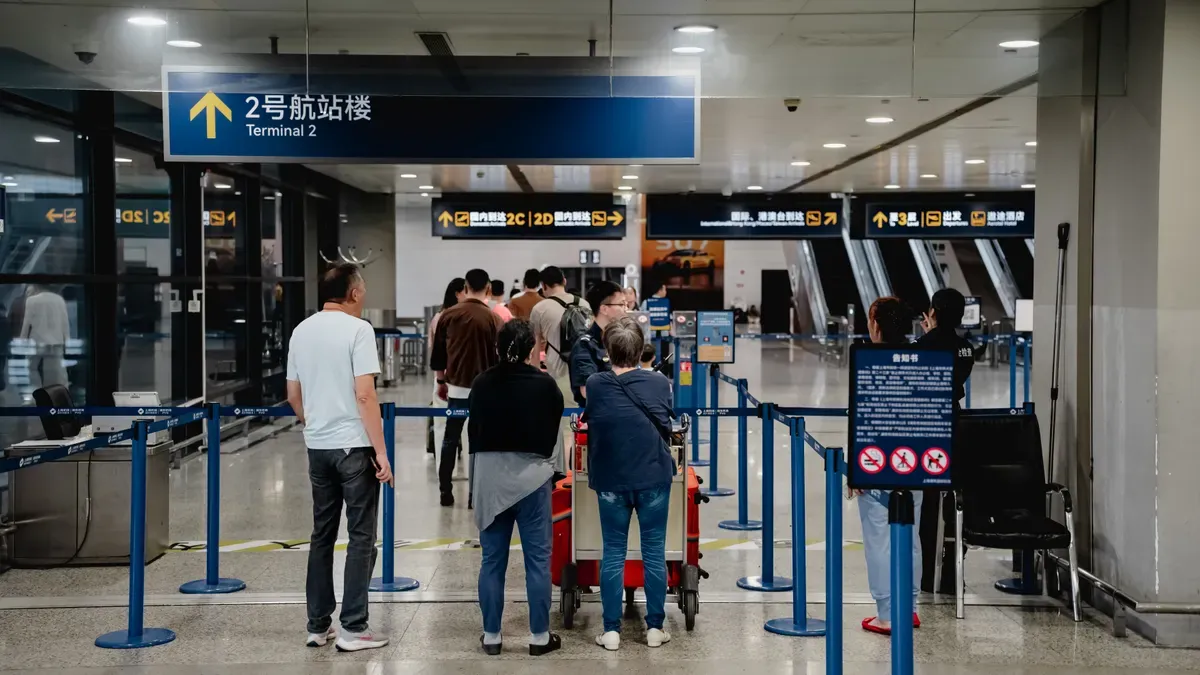
Queue management systems cut passenger wait times, win back lost sales, and make airport retail work better. The pressure in airport shopping is one of a kind. You deal with passengers who have strict boarding deadlines. Long queues mean people leave without buying and miss flights.
Smart queue systems are key to reducing queues in airport stores, cutting wait times by up to 35%. Gatwick Airport used digital queuing to cut check-in delays by 40%. Shorter lines lower passenger stress. Calmer areas give shops a better chance to catch attention. More free time turns into real sales, raising revenue.
Which airport technology steps can you take today? Reducing queues in airport stores starts with practical tools that improve the travel experience and the passenger journey.
Key Takeaways
Long queues make passengers leave your store and miss flights.
Virtual queuing lets passengers shop while they wait and cuts wait times by 65%.
Digital signs and self-service kiosks guide passengers and speed up checkout.
AI scheduling matches staff to flight peaks and reduces wait times by 40%.
Contactless payment completes transactions in 10 seconds and boosts sales.
Reducing Queues in Airport Stores: The Business Case
Why Queues Hurt Airport Retail Revenue
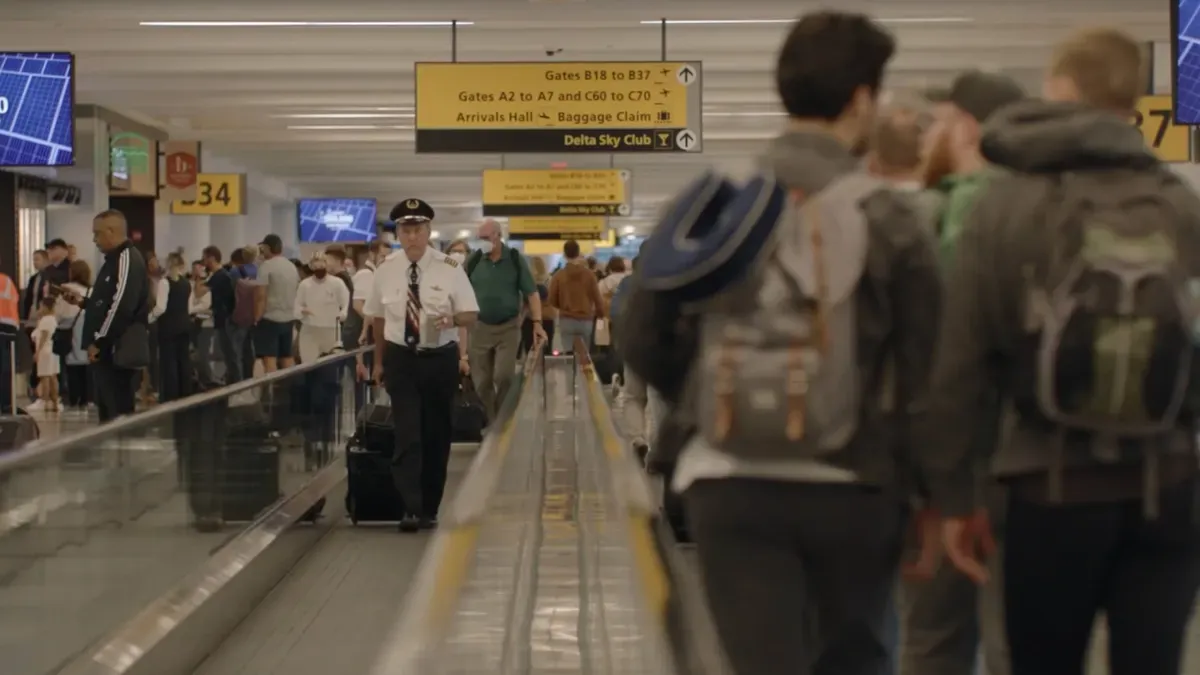
Long lines push passengers away from your store. Travelers must choose between waiting and catching their flight. Most decide to keep moving to the gate. This leads to items left behind and lost money. Studies show that time spent in security or store lines is time not spent shopping. Airports lost 17% of their store income in 2023 compared to 2019, says ACI data.
Digital queue management systems can cut wait times by up to 35%. That saved time turns into chances to shop. When you shorten lines, you give passengers back precious minutes. Calm shoppers buy more at duty-free stores. One study found that relaxed travelers spend about $44, while stressed ones spend only $29.
Dave Giles, 47, an IT manager from Raunds in Northamptonshire, missed his flight home on 12 April from Copenhagen, where he had been to a music festival with his family, after being caught in long queues at passport control despite arriving hours early.
"When they called the gate and we got down towards passport control, there was a queue of probably 80 to 100 people in front of us and only three kiosks checking passports," he said. "Before long, one of those closed."
Staff appeared aware of the issue, but were unable to resolve it in time. "A supervisor was making calls asking them to hold the gate open," he said, but by the time he reached the front, "the gate had been closed a few seconds before we arrived".
The Cost of Poor Passenger Experience
A bad airport experience costs real money. Every extra 10 minutes in a line cuts a passenger's wish to spend by up to 30%. On the other hand, cutting 10 minutes from security lines raises per-passenger store spending by up to 15%. A 5% drop in security queue time boosts shopping time by up to 10%.
Queue Change | Impact on Passenger Spending |
|---|---|
+10 minutes in queue time | Up to 30% decrease in intent to spend in terminal |
-10 minutes in security queue time | Up to 15% increase in per-passenger retail spend |
-5% in security queue time | Up to 10% boost in retail dwell time |
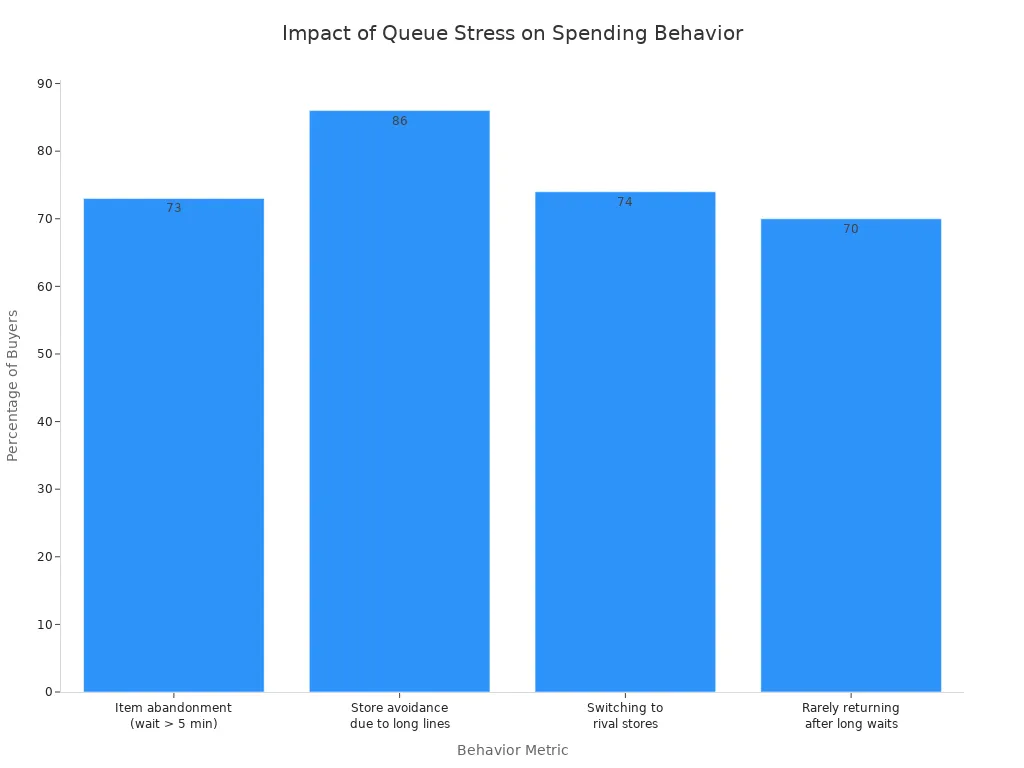
The data shows worrying trends. When checkout lines go over 5 minutes, 73% of shoppers leave their items behind. About 86% of travelers skip stores that look too crowded. Another 74% go to other shops if those lines seem shorter. After a long wait, 70% of shoppers hardly ever come back.
Zero queues are not always the goal. Chasing them too hard can cost too much. It can also hurt the overall airport experience. You need a balance. Cutting lines in airport stores works best as part of a bigger plan. Airport technology should help the passenger journey, not take it over.
Airport Queue Management Technologies
Virtual Queuing to Cut Down Wait Times
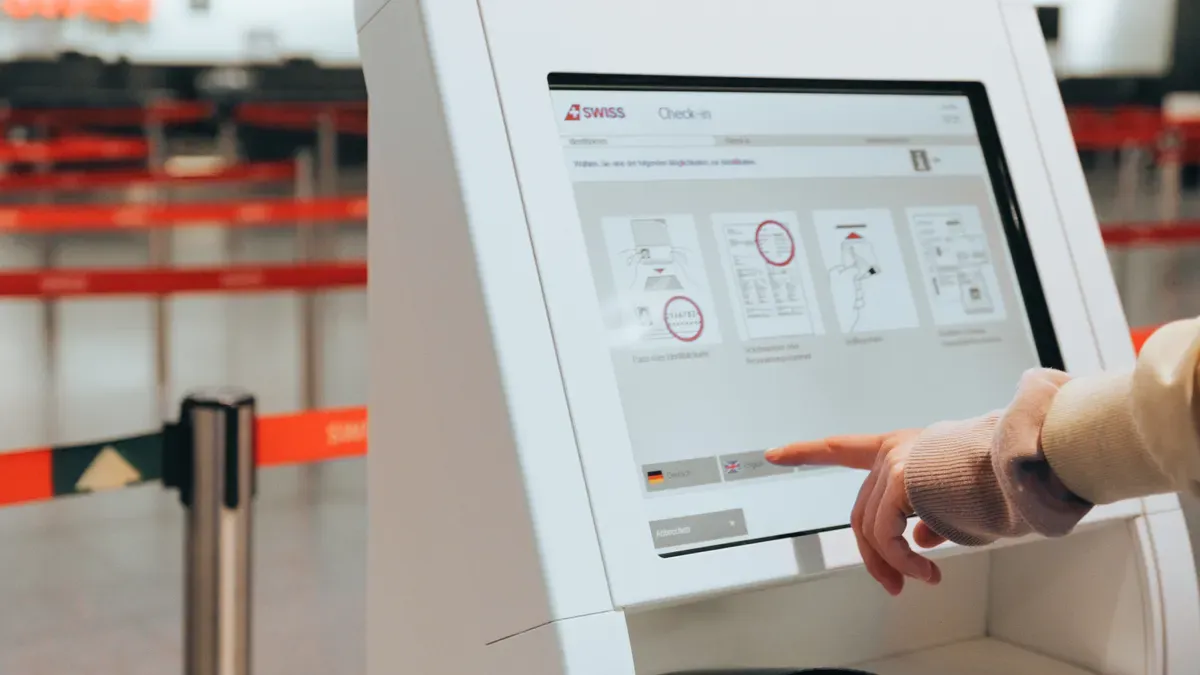
Virtual queuing systems change how you handle passenger flow in airport stores. Passengers join a digital line on their phones or at nearby kiosks. They look around your store while they wait for their turn. When a service spot opens, the system tells them right away. This cuts crowding and lowers stress for everyone. You get rid of the long lines that scare shoppers off.
Virtual queuing slots can be managed based on checkpoint availability. When multiple checkpoints exist, operators control the available VQ slots at each one, allowing them to nudge passengers from one checkpoint to another and thereby balance loads across service points.
The technology follows a clear step-by-step process.
A digital queuing solution combined with people counting tracks passengers as they move into, through, and out of the waiting area and into the service area.
The system calls passengers to the next open agent on its own.
It warns the operations team in real time when wait times or service rates go past set limits.
Two main tools send passengers to open service points in your store.
Mechanism | How it directs passengers to open service points |
|---|---|
Smart Guidance digital signage | Placed near the entrance, it sends passengers toward less busy areas and shows open service spots up front, improving pre-fill lanes for faster flow. |
Automated smart gates | Placed at key points in the waiting area, they open or close based on system data to guide people along better paths, widen lanes, direct flow, control access, and balance service loads. |
QR codes make this virtual queuing system stronger. You put them at store entrances or near busy spots. Passengers scan the code to join a virtual line. They see estimated wait times. They get directions to open service points. This lowers uncertainty for waiting passengers. It also helps passengers understand key airport steps. Confusion drops. Delays shrink. The whole experience feels calm and predictable.
Smart queue systems save real space and time. You free up floor space for product displays and merchandise. You move passengers through checkout faster. The passenger journey gets smoother at every step. Airport technology in virtual queuing directly helps your retail goals.
Digital Signage and Self-Service Kiosks
Digital signage guides passengers clearly through your store. You place screens at decision points like entrances, corridor forks, and approach zones. Passengers see clear direction cues pointing them to open service spots. They stop hesitating. Delays in deciding disappear at fork points.
Line-of-sight visibility boosts this effect on its own. When passengers can see what is ahead, they move with confidence. Smart queue systems show open lanes and less busy areas. You cut the bottleneck effect where people crowd at the entrance. Better crowd flow happens without extra staff help.
Self-service kiosks add another layer of efficiency. Passengers handle check-in, payment, or other tasks without staff help. This queue automation speeds up the whole retail process. Wait times shorten because you hand simple tasks to the passenger. Your staff focuses on complex needs and high-value sales chances.
Self-service kiosks also work as data collection points. Each transaction feeds your system with details about peak periods, popular products, and passenger behavior patterns. You use this data to improve staffing models and adjust store layouts. The result is a store that adapts to real demand.
Queue automation through digital signage and kiosks is a core airport technology investment. You set up screens, sensors, and software that work together to manage crowd movement. The system directs passenger flow away from crowded areas. Fewer bottlenecks mean less stress for passengers and more sales. The travel experience improves right away. Passengers notice the difference. They spend more time shopping and less time waiting.
Digital queue management systems fit with your current operations smoothly. You test one tool, measure results, and grow from there. Reducing queues in airport stores starts with effective airport queue management.
Staffing and Contactless Solutions
AI-Driven Staff Scheduling for Peak Flights
A well-organized line keeps customers moving and workers busy. One single line can speed up customer flow by 30% and cut the number of people who leave by up to 96%. Digital signs show wait times and tell people when to step forward. This means agents can serve more people every hour. It also turns waiting time into a chance to sell. You can show ads on screens while passengers wait in line. That keeps them interested and ready to buy.
Predictive staffing models match your team to flight departure peaks. AI tools study past and live data to predict what you need each hour. They look at flight schedules, passenger numbers, and weather. AI models analyze passenger flow, dwell time, and buying trends, helping you plan for busy times and avoid waste.
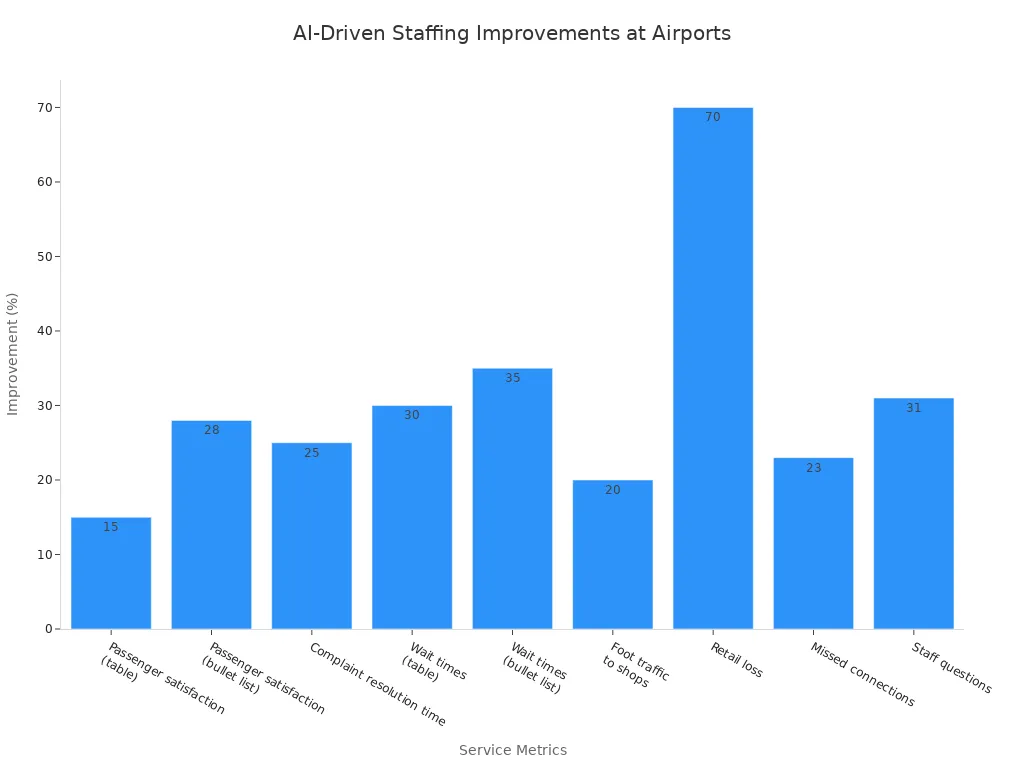
The results show clear benefits such as shorter wait times during busy periods, fewer staff questions, increased foot traffic, and higher passenger satisfaction. You get a calmer operation and stronger sales.
Contactless and Frictionless Checkout
Contactless payment cuts transaction time at the point of sale. Travelers pay with mobile wallets, RFID cards, or wearables in a single tap. You accept Apple Pay, Google Pay, and buy-now-pay-later options. Automated payment flows reduce manual reconciliation and errors. Self-service kiosks make transactions even smoother. This queue automation shortens lines and speeds up service.
Frictionless checkout delivers proven gains, with airports reporting significant wait time reductions and increases in satisfaction and sales. Touchless checkout completes payment quickly and is deployed at many locations. Appointment-based virtual queuing has improved wait times and satisfaction.
You should promote self-service options at every touchpoint. Self-service technology gives passengers control and speed. Airport technology investments in contactless payment and kiosks pay back fast. Smart queue systems and airport queue management tools work together. They improve the passenger experience and lift revenue. Airport technology that supports self-service and automation builds lasting loyalty.
Results and ROI
Case Study: Gatwick Airport Retail
Gatwick Airport shows a clear example of how queue reduction works in a retail setting. Its digital queuing system cut check-in delays by 40 percent. This freed travelers from stressful waits. They had more time to look around stores before their flight. Retail revenue went up as a direct result. The airport proved that investing in queue management pays back quickly.
The Gatwick airport technology solution mixed virtual queuing with real-time staff allocation. Sensors tracked passenger flow at key points. The system sent people to less busy service areas. This balanced the workload across all checkpoints. Shorter queues meant lower passenger stress. Calm travelers spent more time shopping. The passenger experience got better across the terminal. This case shows that reducing queues in airport stores is not just an idea. It works at scale with measurable business returns.
Measuring Success and Passenger Satisfaction
Your top goal decides which KPIs matter most. Is it raising sales? Boosting satisfaction? Getting the most from staff? Knowing your main KPIs first helps you pick the right queue management techniques.
Is your top priority to increase sales? To increase customer satisfaction levels? To maximize staff efficiency? Identifying KPIs can help you prioritize which Customer Flow Management techniques you will initially use.
Key metrics to track include queue abandonment rates, customer desertion rates, and staff count per lane. You should also measure bottleneck locations and resource allocation efficiency. Comparing queue performance across terminals shows which areas need attention first. The passenger journey gets better when you fix these bottlenecks directly.
Start your pilot with one focused tool this quarter. Set clear goals and revenue-linked KPIs before launch. Track conversion rate uplift as your main ROI measure. Watch average order value changes among shoppers who buy after the intervention. Queue-specific KPIs include peak-hour queue length, longest wait at P95, and throughput rate per lane. Set modest targets for a 3-month evaluation. Airport technology vendors provide analytics dashboards for this measurement. Review results at week 4, week 8, and week 12. A successful pilot proves the link between shorter queue times and higher retail revenue. You can figure out ROI by comparing added sales against the tool's monthly cost. This airport technology approach improves the travel experience for your customers. It moves your operation from reactive to proactive. You stop the problem instead of reacting to it.
Shorter waits lead to more spending and better reviews. When you cut queues, passengers pay you back with purchases and loyalty. Virtual queuing, digital signage, self-service kiosks, predictive staffing, and contactless payment work best as one joined-up solution. Each tool helps the others inside your airport store.
You should test one queue management tool in the next three months. Measure how the conversion rate changes before and after you start. Track queue length and wait times during busy hours. This airport technology approach proves ROI quickly.
Passengers now expect live updates on their wait time and place in line. Calm customers spend more. You must promote self-service options and use airport technology to meet these expectations. That gives you a lasting edge over rivals.
FAQ
How does virtual queuing help an airport retail store?
Virtual queuing saves floor space in your airport store. Passengers browse while waiting for their turn. Processing time improves. You convert waiting time into shopping time and boost airport retail revenue.
What is the typical ROI time for airport queue management?
You can pilot one queue tool this quarter and measure conversion rate changes. Compare added sales against the monthly cost. Successful airport pilots show measurable returns within three months.
Will travelers use self-service kiosks in an airport shop?
Yes. Major airports like DFW and LAX report high adoption rates. Frictionless kiosks complete payment quickly. Travelers appreciate the speed and control. This airport technology can reduce wait times by up to 35%.
How does AI staff scheduling reduce queues in an airport?
AI matches your staff to flight departure peaks. It studies passenger flow and buying trends. This cuts peak-hour wait problems significantly. You get more people walking into your airport store.
See Also
Boosting Staff Efficiency Using Intelligent Vending Machines In Small Workplaces
Discover How Cloudpick Delivers Checkout-Free Ease To Your Retail Shop
Ways AI-Driven Online Shopping Tools Revolutionize Digital Store Administration
How Food Vending Machines Are Transforming Easy Access To Retail
Tracing The Development And Growth Of Self-Service Checkout Systems
