Enhancing Airport Retail with Better Queue Management
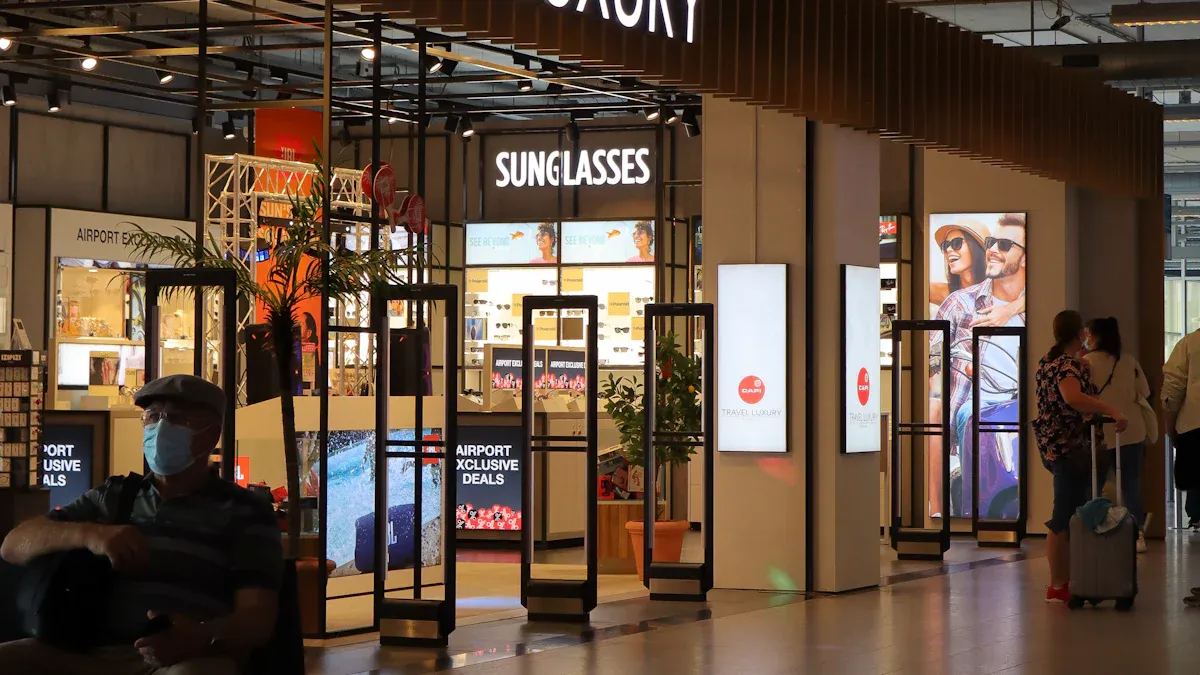
Reducing queues in airport stores can make shopping easier. It also helps stores sell more. If you see long queues, you may feel upset. You might decide not to shop at all. Studies show that waiting longer makes people less happy. It also means you spend less time looking or buying things. Airport retail has its own problems:
Challenge Type | Description |
|---|---|
Security Protocols | Airports have strict rules. They need special permits and background checks. |
Operational Costs | It costs a lot to keep things running. More people means more money spent on equipment. |
Complex Layouts | Airports have tricky designs. This makes it harder to fix and run stores. |
Extended Operating Hours | Stores must stay open all day and night. They need good planning to help all passengers. |
If you want your trip to go well, reducing queues through effective queue management is important. Stores also want more sales, so managing lines helps everyone.
Key Takeaways
Good queue management makes wait times shorter. This helps people enjoy shopping at airports more. Smart store layouts and clear signs help guide customers. This stops crowds and helps people move better. Technology like mobile apps and real-time monitoring can make lines easier. Shoppers can join lines on their phones. Training staff to handle lines helps them talk to customers better. This makes customers happier and can help stores sell more. Shorter lines make passengers happier and help stores earn more money. This is good for everyone.
Queue Challenges in Airport Stores
High Passenger Flow
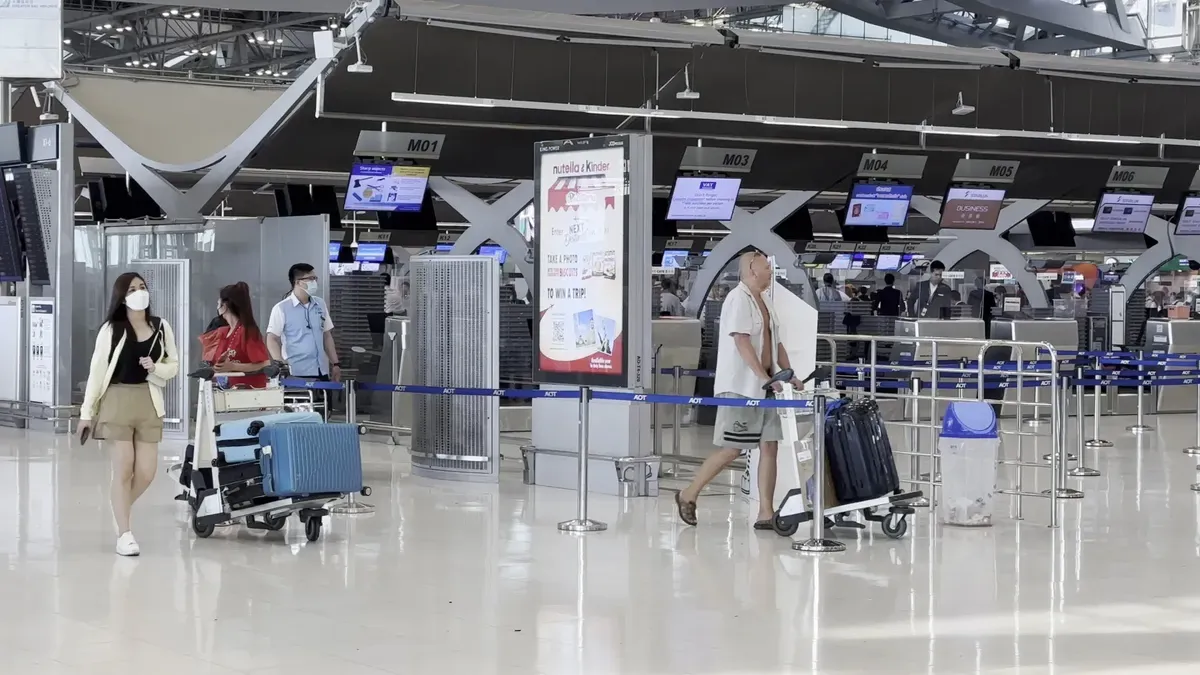
Airports are always busy. People hurry through terminals all day. Sometimes, crowds seem never-ending. This makes it hard for airport stores. When many travelers come at once, lines get longer. Lines also move slower. Too many people can block walkways. It can be hard to reach shops. If stores do not handle crowds well, you may feel annoyed. You might skip shopping. Good crowd control keeps things safe. It also keeps things running smoothly. Airports use stanchions and smart layouts to guide people. These help stop congestion. A strong crowd control plan keeps everyone moving. It also helps with security protocols.
Space and Layout Issues
Airport stores are often in small spaces. You see narrow aisles and tiny checkout areas. These layouts make lines hard to organize. Busy terminals make it worse. Changing passenger numbers and tricky designs cause bottlenecks. Sometimes, lines spill into walkways. This blocks other travelers. Smart passenger flow and queue management systems help fix these issues. Stores with good layouts make shopping easier. You can move around better. A smart design makes reducing queues much easier.
Tip: Stores with flexible layouts and clear signs help you find your way. You can avoid crowded spots faster.
Customer Impact
Long lines waste your time. They also change how you shop. If you see a big line, you may not buy anything. About 33% of airport shoppers buy things on impulse. Lines can hurt sales. The stressful airport mood makes you buy things to feel better. But waiting too long may make you relax instead of shop. Bad queue management can cost stores thousands each month. Emotional engagement is important. Stores that feel welcoming help you feel connected. You are more likely to buy things on impulse. Reducing queues makes your experience better. It also helps stores grow.
Strategies for Reducing Queues
Queue Design and Flow
Changing how people line up can help your store a lot. A good queue design helps everyone move faster. Wide aisles and clear signs show shoppers where to go. This stops lines from blocking walkways. It also makes the store feel less crowded.
Making the layout better helps stop crowding and keeps people moving.
Using single lines or zig-zag lines helps people know where to stand.
Virtual queuing lets shoppers join a line on their phone. They can shop while they wait.
Tip: Use floor markers or ropes to guide people. This keeps lines neat and easy to follow.
When you use better design to cut down lines, shopping is easier for everyone.
Technology Solutions
Technology can help you manage lines in new ways. Many airports now use digital tools to keep waits short and shoppers happy.
Modern queue management systems count people in line and show updates.
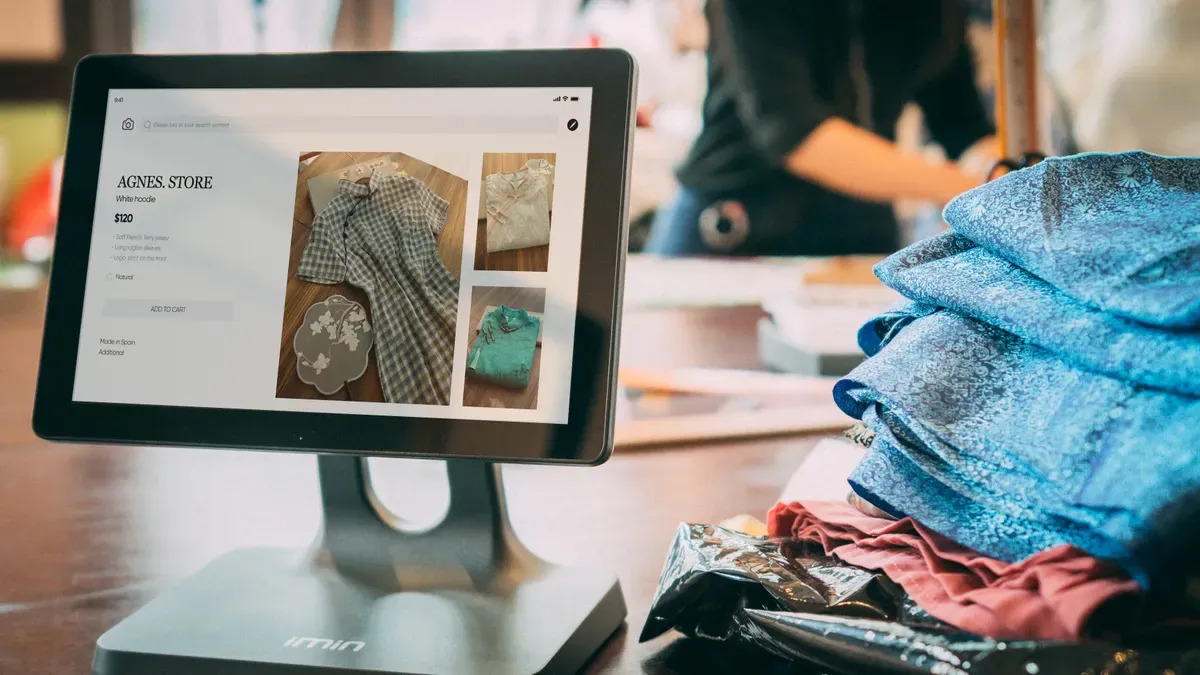
Mobile apps and kiosks let customers join a line without standing there.
Virtual queuing sends alerts when it is your turn. You can shop or relax instead of waiting.
Did you know 77% of airports use systems that measure lines and show wait times? These tools help you see problems before they get worse. You can fix things fast and keep lines moving.
Staff Training
Your team is very important for reducing lines. When staff know how to manage lines, shoppers feel welcome and things run smoothly.
Aspect | Impact on Customer Service |
|---|---|
Efficient Queuing | Lets customers shop while waiting, which can help sales. |
Customer Engagement | Giving info or entertainment makes the wait feel shorter. |
Data Utilization | Helps make the store layout and marketing better. |
When you train staff to manage customer flow, the whole experience gets better. Staff can talk to shoppers and answer questions. They can also suggest products. This keeps people busy and happy while they wait. Managing customer flow helps you spot problems early and fix them before lines get too long.
Talking to customers while they wait makes them happier.
Using customer flow management can help service and profits.
Real-Time Monitoring
Real-time monitoring lets you see problems as they happen. You can track how many people are in line and how long they wait. You can also see when people leave without buying. If a line gets too long, you can send more staff to help.
Real-time systems track wait times and how many people leave the line.
If waits go over five minutes, 73% of shoppers may leave without buying.
86% of people have left a store before because the line was too long.
You can use real-time data at checkouts, entrances, or open areas. This helps you put staff where they are needed most. Queue management analytics help you guess busy times, so you can plan ahead.
Application Area | Description |
|---|---|
Retail | Watches checkout lines to cut wait times and make customers happy. |
Airports | Manages lines at ticket counters and security for smoother trips. |
Healthcare | Helps patients move faster in clinics and hospitals. |
Banks | Makes service better by managing lines in banks. |
Note: Real-time monitoring is not just for airports. Many places use it to keep lines short and customers happy.
By using these ideas, you can make lines shorter, your store more welcoming, and help shoppers enjoy their time at the airport.
Benefits of Queue Management
Passenger Satisfaction
Waiting in line can make you feel upset. Airport stores try to keep lines short. This helps you feel happier and less worried. Good queue management lets you move faster in stores. You have more time to look around or buy snacks. Staff can help you with questions. They can show you where things are. You feel like someone cares about you. Your airport visit becomes much nicer. People who wait less enjoy shopping more. They may come back next time.
Quick tip: Short lines let you see more products. You can also enjoy airport fun.
Sales Growth
When you are happy, you spend more money. Studies say happy passengers spend up to 45% more. If a store has quick lines, you want to shop there. Good passenger flow gives you more time in stores. This helps stores sell more things. Airport shops see more sales when they manage lines well. You get more chances to buy things without planning. Stores earn more money. Shorter lines help stores grow. Customers return again and again.
Benefit Description | Measurable Impact |
|---|---|
Lowers the risk of missed flights | |
Increased time spent in retail and food areas | Boosts non-aeronautical income for the airport and concessions |
Improved customer experience and passenger satisfaction | Reduces stress and complaints from passengers |
Staff Productivity
Queue management helps shoppers and staff. It makes work easier for employees. When stores organize lines, staff feel less stressed. They can do their jobs better.
Staff feel happier because work is fair.
Queue systems stop staff from feeling too busy.
Employees make fewer mistakes, so service gets better.
Organized lines let staff help you more.
You see friendlier staff and smoother service. Everyone benefits when stores manage lines well.
Real-World Success Stories
Airport Retail Examples
You can see how airports around the world use smart queue management to make shopping easier. Singapore Changi Airport stands out. They use virtual queuing for their duty-free shops. You join a line with your phone and get a message when it’s your turn. This lets you walk around and shop instead of waiting in a crowd. London Heathrow uses digital screens to show real-time wait times at stores. You know how long you’ll wait before you even step inside. Staff move quickly to help when lines get longer. These airports also use flexible layouts. They change the space when crowds grow. You find wider aisles and clear signs that guide you. This keeps lines neat and stops bottlenecks.
Tip: Look for stores with virtual queues or digital wait time displays. You can save time and enjoy shopping more.
Lessons from Other Retail Sectors
You can learn a lot from how other stores manage lines. Grocery stores and big retailers use smart tools to help you shop faster. They give you control with self-checkout kiosks and mobile apps. You scan items yourself and pay without waiting for a cashier. Some stores use automation, like weighing bags before check-in. This makes things quicker and less stressful. You also see chatbots and smart devices that answer questions any time. These tools help you get support when you need it.
You get more control over your shopping journey with online options and self-service tools.
Automation in queue management, like weighing bags before check-in, reduces discomfort and labor.
Technology like chatbots and smart devices gives you 24/7 support.
Airport retailers can use these ideas. When you have more choices and faster service, you feel happier. Stores sell more, and staff work better. You see shorter lines and a smoother shopping experience.
You can make shopping at airports better with smart queue management. When lines are shorter, people feel happier and stores sell more. Try new ways to help your store get better. Many places use cool technology to help with lines, like:
AI and computer vision at Denver International Airport and London Heathrow
Predictive analytics at Walmart and Macy’s
Disney’s crowd forecasting and Starbucks’ smart staffing
Be ready to try new tools. If you improve your queue system, everyone can have a better time at the airport.
FAQ
How can airport stores reduce long lines quickly?
You can use virtual queues, clear signs, and floor markers. Staff can guide shoppers and open extra registers during busy times. Technology helps you track lines and fix problems fast.
What technology helps manage queues in airport shops?
You see mobile apps, kiosks, and real-time monitoring systems. These tools let you join lines from your phone and get alerts when it’s your turn. Digital screens show wait times.
Why do short lines matter for airport shopping?
Short lines make you feel happier and less stressed. You spend more time shopping and may buy more. Stores earn more money and staff work better.
Can staff training improve queue management?
Yes! When staff know how to manage lines, you get faster service. Staff can answer questions and keep you busy while you wait. This makes your shopping experience better.
Are virtual queues safe and easy to use?
Virtual queues are safe. You join with your phone or a kiosk. You get a message when it’s your turn. You can shop or relax while you wait. It’s simple and secure.
See Also
Innovative Vending Machines: Advantages for Today's Retail Environment
Enhancing Office Efficiency with Intelligent Vending Machine Options
The Growth of Round-the-Clock Vending Cafes: Innovation and Ease
The Progression of Self-Service Checkout Technology
Grocery Vending Machines Transforming Access to Retail Services
