Understand Compliance Requirements for Airport Smart Shops

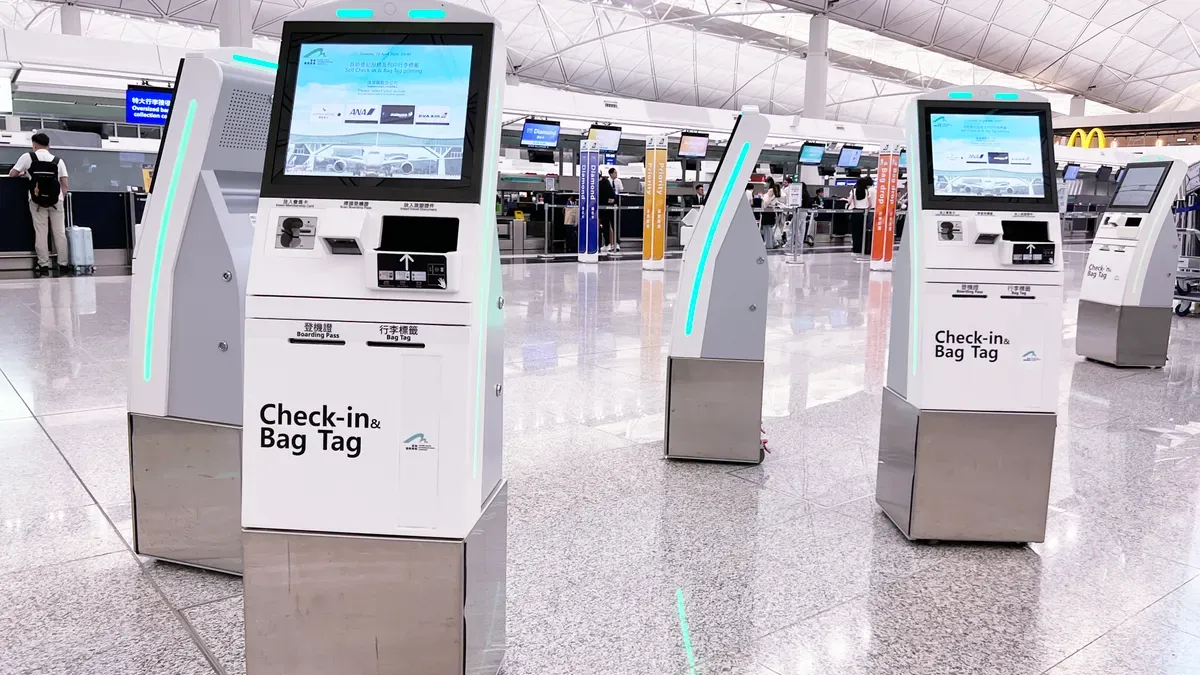
Installing smart shop systems changes how airport stores operate. These shops must meet strict compliance requirements regarding data privacy, payment safety, physical access, and airport security. Running automated technology in an airport brings special legal duties that normal street stores do not face. Because automated stores track constant traveler movement, owners must keep detailed records of their daily operations.
Ignoring these compliance requirements creates huge financial problems for store owners. Officials enforce strict guidelines and can charge fines up to 4% of a company's total global earnings under GDPR laws. For instance, leaders fined British Airways 183 million pounds after a huge data safety failure. Opening a smart airport store requires fulfilling every compliance requirement to keep the business running safely.
Key Takeaways
Smart airport shops must protect customer privacy by using simple sign-up options and deleting saved data automatically.
Shop owners need to scramble payment data and check card readers every day to prevent credit card stealing.
Store owners must follow TSA rules by keeping track of worker badges and setting up simple emergency exit controls.
Self-service machines and apps must include wheelchair access, voice directions, and automatic age check tools.
Privacy and Biometrics Compliance in Smart Airports
Data Privacy Frameworks and Customer Rights
A smart airport shop needs to follow strict data privacy rules. Store owners use smart shop systems to watch daily shop activity. These tools collect customer details all the time. Local laws give shoppers complete control over their personal info. Store managers must keep full records showing how they use data. These legal rules require clear opt-in and opt-out options for every traveler.
Regulation | Key Requirements for Biometric Data |
|---|---|
GDPR (Europe) | Requires explicit consent, data minimization, and the right to deletion. |
CCPA (California) | Mandates disclosure of collection practices and opt-out rights. |
Store owners launch mobile apps to provide these privacy controls. Passengers easily update their privacy choices right inside the app settings. An intelligent airport portal gives instant access to personal data choices. System administration team members run a regular audit to check full compliance. This complete audit process keeps all digital tools matching current legal rules. Compliance frameworks defend traveler rights in every airport store location. Correct documentation records every user consent update.
Biometric Surveillance and Computer Vision Rules
A smart store depends on modern sensors and tracking cameras. These tools manage constant store safety while shoppers look at products. The store setup uses biometric identification technology to check entry passes. This biometric identification technology scans customer features for quick identity confirmation.
System administrators store encrypted data templates inside secure local databases to ensure data safety.
Stores block physical access to data servers. Owners limit digital access to trained safety staff. Built-in software follows firm storage rules for video feeds. Computer vision algorithms follow items without keeping permanent identity files.
Systems delete non-essential tracking records after a defined retention period.
Automated control scripts erase old visual records on schedule.
Staff members enforce firm access control policies to maintain physical safety. Simple documentation lists every system repair event. Regular safety reviews prove strong compliance across all tracking tools. This constant control plan guards private customer records from unsafe exposure inside the airport terminal.
PCI Payment Security Requirements for Autonomous Retail
Tokenization and End-to-End Encryption
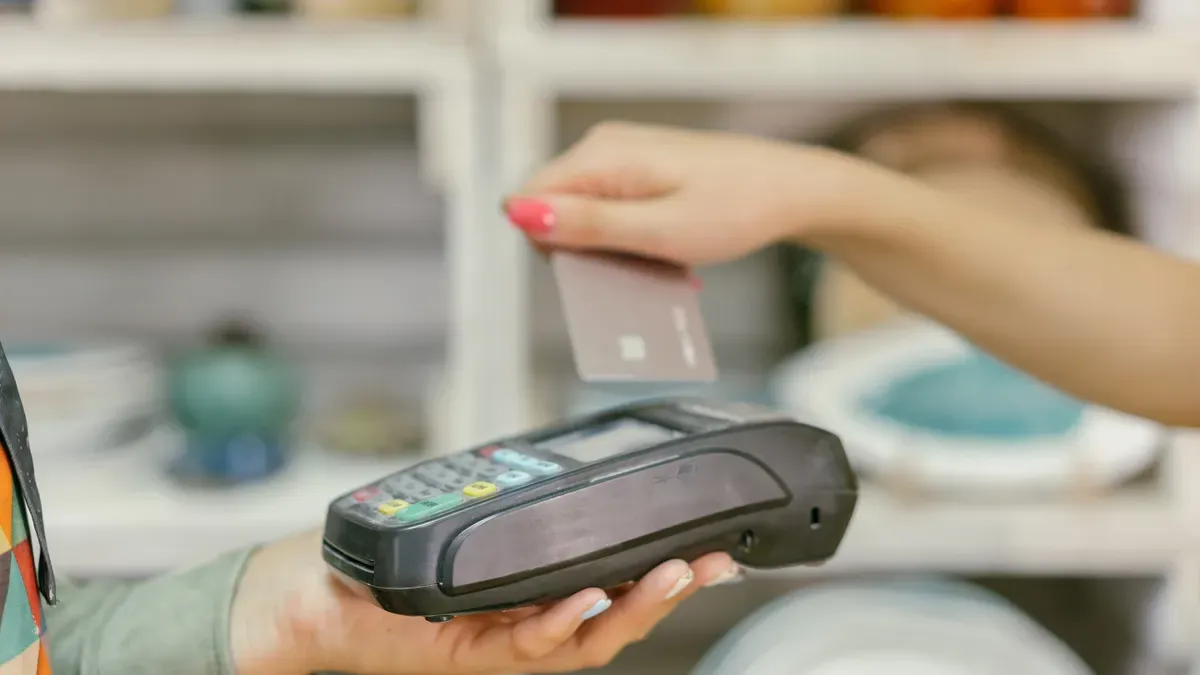
Unattended store owners face strict payment security demands inside a busy airport. Modern contactless payment terminals must follow PCI DSS 4.0 standards for full compliance. Smart system integrators use point-to-point encryption to secure payment info at checkout. This encryption process makes stolen financial data useless to unauthorized interceptors.
System administrators use tokenization to swap primary account numbers for unique non-sensitive tokens. Tokenization removes backend servers from the cardholder data environment. This smart design choice lowers the overall compliance burden for every airport store. Technical teams follow best practices to isolate transaction flows across payment pathways:
Isolate the point-of-sale network from all other business systems.
Use role-based access rules to limit private data privileges.
Keep detailed system logs to track every data access event.
Update every software and firmware program as soon as possible.
Perform regular safety reviews and thorough penetration tests.
POS Hardware and Sensor Protection
Unattended payment stations require specialized physical security hardware. The Payment Card Industry Security Standards Council bans standard off-the-shelf devices in self-service retail spaces. Store integrators must use EMV-compliant terminals that include built-in removal detection tools.
Requirement Category | Key PCI-Approved Security Requirement | Critical Consideration for Unattended Environments |
|---|---|---|
Hardware Selection | Use payment devices explicitly approved for unattended deployment. | Direct public access increases physical tamper risk. |
Encryption Model | Implement a PCI-listed Point-to-Point Encryption solution. | Clear operational ownership defines the validation effort. |
Physical Security | Design enclosures with controlled reader mounts and cable paths. | Publicly accessible payment points require visible inspection paths. |
Network Security | Define secure primary and backup network paths. | Controlled remote management prevents security gaps. |
Store workers perform daily physical checks to spot hardware tampering or unauthorized changes. System automated monitors send fast alerts when unexpected physical disconnects happen. Maintenance teams follow strict documentation steps during hardware swaps to keep compliance valid. Remote monitoring tools track device status, log security incidents, and send live alerts. These combined protections guard the smart airport store against physical attack.
Aviation Security Standards and Documentation Protocols
TSA Clearance and Physical Security Rules
Retail vendors must meet TSA Part 1542 rules before opening smart airport stores. Airport leaders keep full control over terminal spaces. Technicians complete background checks to get required work badges. Airport security rules require careful badge tracking for repair workers. Companies send technical papers to get approval for installing equipment. Store managers monitor physical entry points across the sales floor. Daily computer logs create detailed audit reports for safety officers.
TSA Part 1542 requires physical checks for connected store devices. Workers run daily inspections around sensor frames and digital kiosks. Field engineers add every access reader into central security systems. Store software creates an instant incident alert when security breaks happen. Managers save repair logs to meet local auditing rules. Standard reports show continuous compliance with federal airport regulations.
Emergency Overrides and System Redundancy
Emergency events need clear manual controls inside smart airport shops. Automated software sends non-stop warnings during power or network outages. Exit gates open right away to let passengers move freely. Connected sensors push instant alerts straight to airport safety centers. Local safety rules require manual door controls during terminal evacuations. Store managers check physical lock systems during routine floor walks. Safety inspections test backup battery power during power cuts.
Strong backup systems keep airport security operations running safely. TSA Part 1542 demands reliable backup tools to maintain access during equipment failures. Secondary software servers send live incident updates to management teams. Tracking software saves every safety event inside encrypted files. Support workers fix technical issues fast when monitors send urgent warnings. Detailed event logs capture the exact reasons for hardware failures. Full audit steps review emergency procedures to update official safety plans.
Strict compliance records protect smart shop owners from heavy legal fines. Store crews document every emergency action to follow TSA Part 1542 rules. Camera setups track entrance areas across store borders. System monitors send quick warnings to security teams. Managers save past logs to prepare for upcoming TSA Part 1542 paperwork reviews.
Accessibility Compliance Requirements for Kiosks and Digital Interfaces
Coordinated ADA Standards for Kiosks and Apps
Smart shop owners have to follow clear accessibility laws in all airport stations. The Air Carrier Access Act mandates strict rules for all self-service machines. Official rules state that teams must make 25% of kiosks accessible in airports with over 10,000 yearly passengers. ADA Section 707 dictates physical access limits for users with mobility disabilities.
"In 2013 the Department of Transportation (DOT) supplemented its regulations under the Air Carrier Access Act (ACAA)... to address access to airport self-service kiosks used for checking in, printing boarding passes, and other passenger services."
Requirement Category | Specific Specification |
|---|---|
Physical Design - Height & Reach | Interactive controls must stay between 15 and 48 inches above the floor. |
Physical Design - Clear Floor Space | Clear floor space requires at least 30 inches by 48 inches for wheelchair users. |
App screens must offer easy speech output and large text options. Audio prompts guide blind travelers safely while buying items in the shop. Monitors track physical access control settings to keep services running well. Support workers keep full service records to show physical access compliance during official checks.
Automated Age Verification for Restricted Goods
Selling age-restricted goods inside a smart shop introduces unique legal rules. Local agencies enforce strict laws for age verification devices. The smart store setup uses physical readers to check government ID cards. Automated cameras verify document authenticity and perform quick facial matching.
Scan a valid government photo ID to confirm birth date details.
Match customer facial geometry against document images using a live camera.
Stop the transaction automatically when verification steps fail.
Smart devices save sales logs to track every store purchase. System monitors send quick alerts when users try illegal entries. Staff members use remote access features to handle safety settings. Workers take manual control whenever systems fail. Automated software sends urgent alerts to security teams during suspicious system breaches. Store managers store long-term records to prove full regulatory compliance.
Smart airport solutions require strict control over terminal security. Vendors perform a pre-launch review with airport management to ensure complete system readiness. Joint inspections improve official files and generate audit-ready reports.
Decision Dimension | Compliance Action |
|---|---|
Temperature and humidity log | Assign owner and action. |
Stock age and rotation | Assign owner and action. |
Payment completion | Assign owner and action. |
Alert response | Assign owner and action. |
Waste by reason | Assign owner and action. |
Customer outcome | Assign owner and action. |
This review process logs every event to update paperwork and store records. Clear documentation and management preserve compliance across all smart shop areas. Safety reports fulfill legal requirements for your automated airport retail space.
FAQ
What rules govern physical access control in smart shops?
TSA Part 1542 mandates strict access control policies for store tech. Stores handle worker passes through badge offices. Strong setups boost physical security along store boundaries. Regular checks confirm compliance on every device. System admins record each event to keep complete safety logs.
How do smart shops maintain compliance during system failures?
Smart systems send instant alert messages during power outages. Digital logs track every door entry point. Tech teams run an audit to check system performance following safety emergencies. Careful documentation notes manual overrides to match TSA Part 1542 rules.
Why do smart stores require specialized compliance files?
Local leaders demand complete documentation for smart system certifications. Detailed files prove strong airport security rules at automated payment stations. Officers run a regular audit to inspect access control policies. These thorough checks shield terminals from unauthorized physical entry.
Who oversees compliance for automated retail systems?
Special airport security teams check all store hardware setups. Techs clear system approvals with airport managers to ensure total security compliance before opening.
See Also
Comparing Micromarkets And Smart Stores In Global Automated Retail
Understanding Major Walmart Self Checkout Policy Changes For 2025
Smart Vending Tech Is Transforming Electronic Device Retailing Today
Analyzing Retail Convenience And Key Challenges At Walgreens Checkouts
Essential Insights On Emerging Artificial Intelligence Powered Neighborhood Markets
