Why Retailers Are Adopting Edge AI to Complement Cloud Strategies


Imagine a busy store with many smart shelves and cameras. These devices send data all the time. An AI app must spot a spill right away. It cannot wait for a trip to the cloud. That wait hurts the customer’s experience. This is the main difference between cloud vs edge computing. Cloud computing works in faraway data centers. Edge computing works close to the action, right in the store. Stores see this need. They use edge AI to support their cloud plans. This mix gives fast answers. It also cuts data costs and keeps customer info safer. You get stronger operations and better store performance.
Key Takeaways
Edge AI gives quick answers in stores by handling data right where it occurs.
Cloud computing still manages large data training and long-term storage for your retail business.
Smart shelves and cameras with edge AI lower data costs and protect customer information.
Your store keeps working even when the internet goes down, because edge devices can operate without it.
Begin with a single store to try edge AI, then expand your setup to improve stock tracking and customer support.
Cloud vs Edge Computing: The Latency Problem in Retail
Cloud computing handles tasks in faraway data centers. This setup works fine for many jobs. But it adds waiting time. Data must go from your store to a distant server and come back. That travel creates delays. Even a few hundred milliseconds can feel very long for apps that need quick answers.
Real-Time Retail Demands
Think about a smart shelf in your store. It watches stock levels all the time. When a shopper takes the last item, the shelf should send a restock alert right away. With cloud-only, the shelf sends data to a remote server. The server works on it. Then it sends a reply back. This whole trip takes time. Meanwhile, a worker walks by the empty shelf and does not know it needs help.
Cameras face similar issues. Picture a security camera spotting odd behavior. You want fast alerts to stop theft. Waiting for cloud processing makes these systems slow. By the time the alert comes, the problem may have grown worse. This delay defeats the purpose of the tech.
Edge computing fixes this. It processes data nearby, where it is created. Your smart shelf checks stock on-site. Your camera looks at video inside the store. This gives real-time updates without needing the network. You know what is happening right away. You can act on issues as they occur, not later.
The High Cost of Cloud Connectivity
The money side of cloud-only setups also pushes change. Every sensor, camera, and smart device sends data to the cloud nonstop. Each send uses bandwidth. Your monthly connection costs climb fast. One store with many devices creates huge data amounts. Multiply that across several locations, and the cost becomes big.
Edge computing cuts cloud spending a lot. Your devices handle most data nearby. They send only key info to the cloud. For example, a camera might send a short clip of odd activity instead of streaming all video. This selective sending lowers bandwidth use greatly. You pay for less data transfer. Your network handles lighter loads. The savings add up across all your stores.
This money benefit matters for retail. Profit margins stay thin in this field. Cutting operating costs directly boosts profits. Edge computing offers a real way to get those savings while keeping strong AI tools.
The Role of Cloud Computing in a Hybrid AI Architecture
You might ask if edge computing takes over the cloud completely. It does not. Each system has its own job. Cloud computing is great for heavy work that does not need instant answers. Edge computing makes quick choices right in the store. Together, they create a strong team.
Centralized Training and Heavy Analytics
Picture training an AI model to predict what shoppers will buy. This job needs huge amounts of past sales data. You want the model to learn about seasons, sales events, and what people like in different areas. Running this training on edge devices would be too much for their small computers. Cloud computing gives you the big computing power needed for this work.
Training in the cloud also saves money. Studies show that training less often, like once a month instead of every week, cuts computing costs by about 75 percent. Cloud forecasting services charge based on what you use. Less computing time means lower bills for your store. Cloud companies also provide ready-made tools with GPU support. These tools make the work easier and need fewer skills. Built-in templates and partnerships lower starting costs. Advice on using resources wisely helps you find waste and plan better. Flexible payment choices, like spot instances, make trying new things more affordable.
Managing Data Lakes and Long-Term Storage
Your stores create massive amounts of data every day. You need somewhere to keep it all. Cloud computing offers roomy storage for huge data lakes. You can save years of sales records, customer actions, and stock logs without stressing about space on local machines.
The link between edge and cloud creates a helpful cycle. Your edge devices handle data nearby and send only short or private summaries to the cloud. This careful sending saves bandwidth and cuts costs. The cloud studies this combined data deeply. It spots patterns you cannot see in one store alone. Then it improves the main AI models. These better models go back to your edge devices. Your stores learn and improve over time.
This mixed method uses the best parts of each system. Cloud computing does the heavy analysis and long-term storage. Edge computing gives quick answers right in the store. You get speed and depth without losing either one.
The Rise of Edge Computing in Retail Stores

Enhancing Data Privacy and Security
You deal with private information every day. Payment details, personal likes, and shopping habits move through your systems. Sending all this data to a faraway cloud creates risk. Each transfer gives hackers another chance to steal it. Edge computing changes this situation. Your devices handle sensitive data right in the store. They never send raw customer information over the network. This method makes the attack surface much smaller.
Following rules becomes simpler too. Privacy laws require strict control over personal data. When you process information on-site, you keep that control. You know exactly where data stays and who can see it. You can show regulators clear records of how you handle data. This openness builds trust with your customers. A shopper who knows their payment details remain in your store feels safer buying from you.
Ensuring Resilience and Offline Functionality
Internet failures happen without notice. A cloud-only system leaves you stuck during those times. Your checkout machines stop working. Your security cameras lose their smart features. Your workers cannot help customers well. The losses pile up fast. According to the Gartner 2025 Retail Technology Study, an average retail store loses $4,800 per hour of checkout system downtime during busy periods. That number reflects 80 or more sales per hour.
Edge computing shields you from this problem. Your key systems run on local processing power. They do not rely on an internet link. Your checkout machines keep handling payments. Your cameras keep watching for odd behavior. Your smart shelves keep tracking stock. Business goes on even when the network goes down.
This strength also matters for your image. Customers remember stores that cannot serve them. They also remember stores that fix problems easily. When your systems stay up during an outage, you show dependability. Your team stays busy. Your sales keep coming in. Edge computing offers this safety without making you give up your cloud plans. You just add local processing where speed and reliability count most. This combined method works well for your retail needs. You cut bandwidth use while gaining better security and steady uptime. Your AI systems work smarter because they run where the action happens.
Edge Computing Benefits for Retail Operations
Edge computing gives real, measurable gains for your store. It changes how you handle stock and talk to shoppers. These improvements touch every part of your business.
Revolutionizing Inventory Management
Smart shelves are the first big change. These shelves use sensors to track product weight and movement. When stock runs low, the shelf sends an alert right away. You do not wait for a nightly count. Your team restocks items before shoppers see empty spots. This stops lost sales from missing products.
Computer vision systems add another layer of control. Cameras watch shelf displays all day. They check if products sit in the right spot. They make sure promotions match the plan. When something is off, the system flags it now. Your staff fixes it before sales drop.
The cost benefits of edge computing for inventory are big:
Inventory cost reduction: Edge computing looks at buying patterns and live stock updates. You spend less on unsold goods and avoid running out of stock.
Downtime cost avoidance: Edge apps keep working even without internet or WAN. Your store stays open, cutting costs from network problems.
Cost Aspect
Traditional Cloud
Edge Computing
Bandwidth & storage
High costs for always-on cloud talk
Less cloud use, lowering operation and data transfer costs
Operational expenses
High manual work
Less on-site manual work, saving money over time
Cost predictability
Changes a lot
More predictable bandwidth costs
These savings matter at every store. You get tighter control over your money in inventory.
Powering Frictionless Customer Experiences
The checkout process changes completely with edge computing. Companies like AiFi use computer vision powered by NVIDIA Metropolis and the NVIDIA EGX platform. Their systems bill you automatically as you walk out. You skip the checkout line. The tech sees items in your cart and charges your account right away. This smooth way changes how you shop.
Personalized digital signs add another layer of engagement. Smart screens spot when you come near. They show offers based on what you bought before. They change content by time of day or weather. This personalization happens live, the moment you walk by.
Using data helps turn more shoppers into buyers.
The numbers back this up. Store tests show sales go up 20 to 30 percent. AI analytics give a 24 percent sales boost. One fast-food chain saw an 8 to 12 percent rise. These gains come from knowing what each customer wants at the exact moment they want it.
Edge computing makes this personalization possible. The system handles your likes locally, without sending data to a far server. You get relevant offers instantly. Your happiness grows because the experience feels made for you.
The mix of smart inventory and personal service gives a full picture. You get live insights about both product movement and shopper behavior. These insights go back to your cloud systems for deeper study. Over time, your models get better. Your stores become more efficient. Your customers feel understood.
Edge computing gives practical benefits that help your bottom line. You cut waste, stop stockouts, and create shopping moments that bring customers back. The tech pays for itself through savings and higher sales across your whole store network.
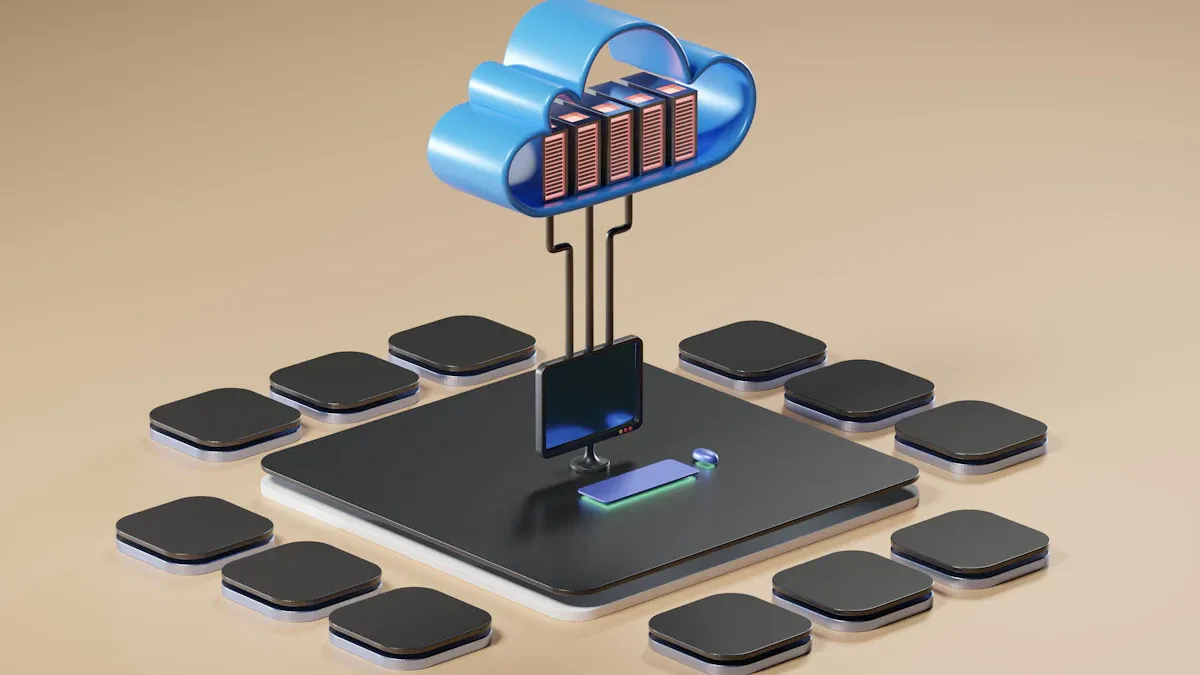
Managing the Complexity of Distributed Edge Devices
The Challenge of a Fragmented Ecosystem
After putting edge devices in your stores, you face a new issue. Each store may have dozens of smart cameras, sensors, and local servers. Multiply that by hundreds of stores. Now you manage thousands of devices spread over a large area. Without a clear plan, this gets messy fast.
Edge computing can add complexity if you skip standards. Stores might pick different hardware brands. Each device may run different software versions. Your IT team works hard to keep everything current. They travel from store to store or ask local managers to fix tech problems. This wastes time and gives uneven results.
Security risks also grow with this mess. Each unpatched device is a possible way in for hackers. One old camera system could put your whole network at risk. You cannot guard what you cannot see. Without one clear view, you miss issues until they turn serious.
Manual device management costs add up quickly. Your team spends hours on routine updates instead of important work. They fix the same problems again and again at different stores. This waste eats into the savings edge computing gave you. You also pay more for bandwidth because unoptimized devices send too much raw data to the cloud.
Centralized Orchestration as the Solution
Edge orchestration platforms fix this management problem. These tools give you one main dashboard for every device in every store. You see your whole network's health at a glance. You spot failing hardware before it stops operations.
These platforms let you send updates from afar. You push a new security patch to all cameras in all stores at once. No need to visit each store. No need to rely on local staff with limited skills. Your team makes changes from one screen, saving many hours.
Orchestration also keeps things consistent. You set standard settings once. The platform applies them everywhere. Every device runs the same software version with the same security settings. This sameness cuts errors and makes fixes easier. When a problem shows up, you know the setup at every store.
Centralized management makes your security stronger. You track each device's status live. You get alerts about odd activity right away. You can cut off a hacked device from afar before it harms others. This control protects your network without sending people on site.
A good orchestration platform turns a messy device group into a smooth system. You gain visibility, control, and efficiency. Your team focuses on better operations instead of putting out tech fires. This method keeps your edge computing investment useful and lasting across your whole store network.
A Practical Roadmap for Edge AI Implementation
Starting with a Pilot Project
You should not change every store at once. Begin with one location and one clear issue. Pick a main store where you can manage conditions and measure results. Tracking inventory often works well as a first test. You can watch stock levels with smart shelves and compare accuracy before and after setup.
Set your success measures before you start. Track how long workers spend checking stock. Note how often shelves go empty. Count sales lost when items are missing. These numbers give you a starting point. After you set up edge computing, you compare new results to that starting point. You see exactly what the technology provides.
A pilot project also teaches your team useful lessons. They learn how to set up devices and fix problems. They find out what training they need. They gain confidence with the technology in a safe setting. This experience becomes the base for larger rollout.
Keep the pilot time short. Aim for eight to twelve weeks. This period gives you enough data to judge results without dragging out the learning phase. During this time, write down everything. Note what works and what causes issues. These notes guide your choices for the next step.
Building a Scalable Hybrid Architecture
After your pilot proves the idea, you plan for growth. The technical setup you build now determines your success across many stores. You need three key parts working together.
First, design a strong network inside each store. Your edge devices talk to each other and to local processing units. This internal network must handle large data amounts without delays. It also needs backup paths. If one connection fails, another route keeps your systems running.
Second, pick the right edge hardware. Your choices depend on the tasks you run. Computer vision systems need more processing power than simple sensor networks. Think about the physical space available too. Power needs at edge locations running AI tasks can reach 10-15 kW per rack versus 3-5 kW for regular IT equipment. This density requires edge facilities built for high-power use with proper cooling systems.
Retailers must use an edge orchestration platform to manage these spread-out edge processing units well. An edge orchestrator agent is software that runs on edge devices for live monitoring and improving applications for smooth network operation.
Third, design a smooth edge-to-cloud data path. Your edge devices handle most data nearby. They send only summaries and key findings to your main cloud. This careful sending keeps bandwidth costs low. It also protects private customer information.
Network connections matter more for edge setups than for traditional colocation. You need varied, backup connections to central systems and other edge sites. Facilities with carrier-neutral connection hubs provide the options needed for advanced edge setups.
Location choice affects cost and speed. Markets placed between major cities can serve many regions with less delay. Mid-country spots like Kansas City deliver single-digit millisecond delay to both coasts – roughly 5-7 milliseconds to either Los Angeles or New York. Power costs in mid-country markets usually run 20-30 percent below coastal markets. Building and labor costs follow similar patterns. A company running 50 edge sites might save millions each year by picking cost-effective markets.
Edge colocation facilities provide space, power, cooling, physical security, and network links. This model lets you set up in many markets without building and staffing sites yourself. You grow faster and adjust to changing needs.
Your hybrid setup creates a learning loop. Each store learns nearby and shares insights centrally. The cloud trains better models. Those models return to stores. Every retail site improves over time. Every customer interaction becomes smarter. This method gives fast responses where they matter most while keeping the cloud's analysis power. You build a system that grows with your business and serves shoppers better at every point.
The future of retail AI depends on combining cloud vs edge computing, not choosing one. You need both systems working together. Edge computing handles instant decisions in your store. Cloud computing manages deep analysis and long-term storage. This hybrid approach delivers real-time operational efficiency. You create seamless interactions that feel personal and immediate for each customer. You also enhance data privacy by keeping sensitive information local. Costs drop because you send less data to the cloud. Retailers who build this flexible infrastructure will lead the market. They will innovate faster and serve customers better. Start today. Evaluate your current IT setup. Find one operational problem that real-time processing could solve. Explore edge AI solutions for your stores. Your customer satisfaction and retail experience will improve dramatically.
FAQ
How much does edge AI cost compared to cloud-only systems?
Edge AI cuts your bandwidth costs by a lot. You send only key data to the cloud, not constant streams. Buying hardware costs more at first. But most stores make back that money through lower data fees and fewer empty shelves within the first year.
Will edge AI replace my existing cloud infrastructure?
No. Edge AI works alongside your cloud setup. Your cloud still handles heavy analysis, model training, and long-term storage. Edge devices make quick choices on-site. This mix gives you both speed and depth. You keep your cloud investment while getting faster responses.
What happens if my internet connection fails?
Your store keeps running as usual. Edge devices handle data on-site without needing the cloud. Checkout systems keep working. Security cameras keep watching. Smart shelves track stock. You avoid the $4,800 per hour downtime cost that hits stores with cloud-only systems during busy times.
Which retail operations benefit most from edge AI?
Inventory management and customer experiences gain the most. Smart shelves watch stock in real time. Computer vision systems check shelf displays. Contactless checkout spots items right away. Personalized signs react to shoppers as they walk by. These tasks need instant responses that cloud-only setups cannot provide.
How difficult is it to manage edge devices across multiple stores?
Edge orchestration platforms make this job easier. You handle every device from one main dashboard. You send updates from afar to all locations at once. You catch failing hardware before it stops operations. This central control keeps your network steady and safe without sending technicians to each store.
See Also
Understanding The Emergence Of AI-Driven Convenience Stores For Retailers
Reasons Why Artificial Intelligence Stores Represent Tomorrow's Retail Landscape
Ways AI E-Commerce Solutions Revolutionize Managing Online Retail Operations
Modern Retail Advantages And Features Of AI-Enabled Combination Vending Machines
How Cloudpick Checkout Computers Boost Efficiency, Access, And Customer Satisfaction
