How AI-powered stores improve staff productivity in Airports & transportation hubs.

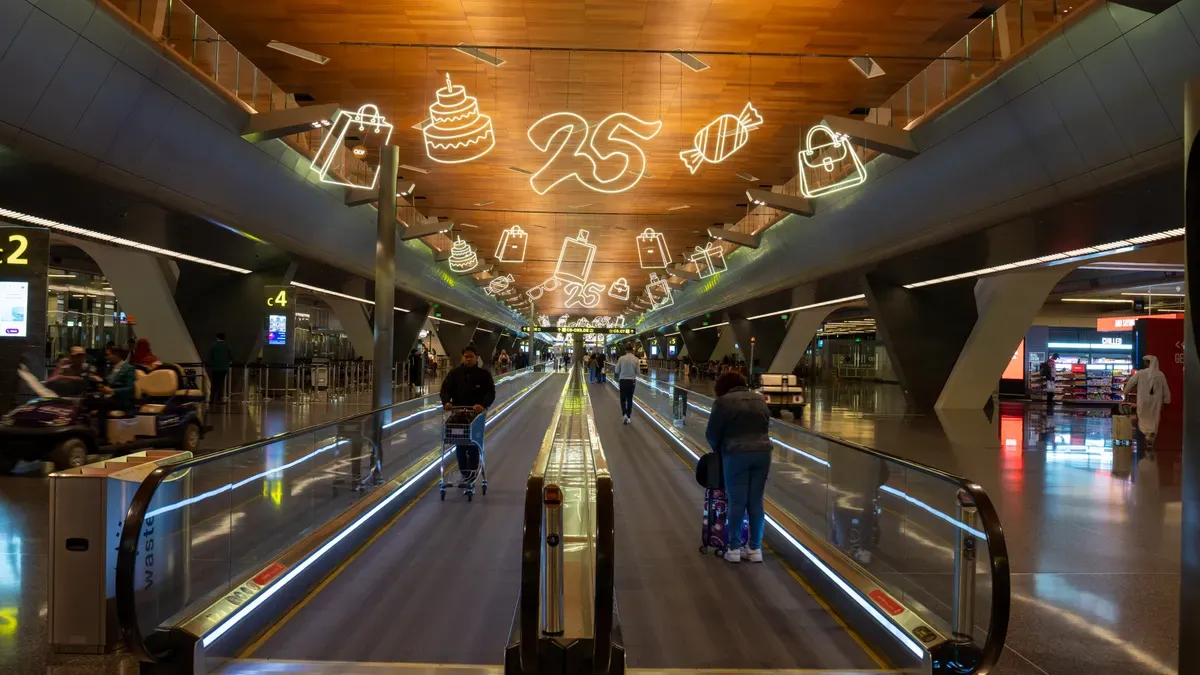
You see how AI-powered stores change the way airports and transportation hubs work. AI helps you automate tasks that usually take a lot of time. You can use ai to track stock, manage checkout, and even predict busy times. With ai, you make smarter choices about where staff should work. AI also helps you reduce mistakes and keep everything running smoothly. When you trust ai, you boost productivity and make your day easier.
Key Takeaways
AI automates routine tasks like inventory checks and checkout, allowing staff to focus on customer service and problem-solving.
Predictive analytics helps optimize staff scheduling, ensuring the right number of employees are available during busy times, which improves efficiency.
Self-checkout kiosks speed up transactions, reduce lines, and allow staff to assist customers who need extra help, enhancing the passenger experience.
Real-time data from AI systems helps manage queues and resource allocation, leading to shorter wait times and higher passenger satisfaction.
AI-driven tools improve operational efficiency, resulting in significant gains in productivity and revenue for airport retail operations.
Airport Staff Productivity Challenges
High Passenger Volume
You face many challenges when you work in airports. High passenger volume is one of the biggest issues. During busy times, you see crowds moving through the airport. You need to balance passenger satisfaction with operational efficiency. You must allocate enough people to check-in, security, and boarding. If you do not manage the flow well, you get bottlenecks and delays. You also need to plan shifts carefully so you have enough people during peak hours. When you use ai, you can predict busy times and adjust your team. This helps you keep the airport running smoothly.
Balancing passenger satisfaction with operational efficiency is vital.
Effective staff allocation is necessary to handle high passenger volumes during busy periods.
High passenger throughput requires additional staff for check-in, security, and boarding.
Ineffective management of increased passenger volume can lead to operational bottlenecks.
Aligning terminal throughput with airside capacity is essential to prevent delays.
Efficient shift planning is crucial during peak times to manage increased workload.
Proper staff allocation ensures smooth passenger experiences in check-in and security processes.
Manual Inventory Tasks
You spend a lot of time on manual inventory tasks in airports. You need to count items, check stock, and restock shelves. These tasks take you away from helping passengers. When you use ai in airport stores, you can automate these jobs. ai tracks inventory in real time and alerts you when you need to restock. This saves you time and reduces mistakes. You can focus on customer service instead of counting products. ai helps you keep airport stores ready for every traveler.
Evidence Description | Impact on Productivity |
|---|---|
Longer commutes are linked to lower employee commitment and well-being. | Decreased engagement and productivity. |
Long commutes can lead to physical and mental burdens on workers. | Direct loss of workplace productivity. |
Increased likelihood of quitting for employees with longer commutes. | Higher turnover rates affecting staffing. |
Commute time negatively impacts recruitment efforts. | Reduced applicant pool due to commute complaints. |
Service Demands
You meet many service demands in airports every day. Passengers may feel stressed or act rude. You need to stay calm and help them. You also handle new technology and sometimes do not get enough training. This can make you doubt yourself. Staff shortages force you to work longer hours. You may feel tired and less productive. ai can support you by handling routine tasks and giving you more time to help travelers. When you address stress and get support, you feel more motivated and productive.
Stress Factor | Impact on Staff |
|---|---|
Passenger behavior | Increases stress levels due to rudeness and anxiety from passengers. |
Cognitive workload | Affects decision-making and attention, leading to decreased performance. |
New technology | Causes mental health issues if not properly trained, leading to self-doubt. |
Staff shortages | Forces existing staff to work longer hours, increasing stress and reducing productivity. |
Lack of support for mental health | Overlooked stress symptoms can lead to burnout and decreased motivation. |
ai helps you manage these challenges in airports. You can use ai to reduce stress, improve workflow, and create a better experience for everyone.
AI-Powered Stores and Airport Efficiency
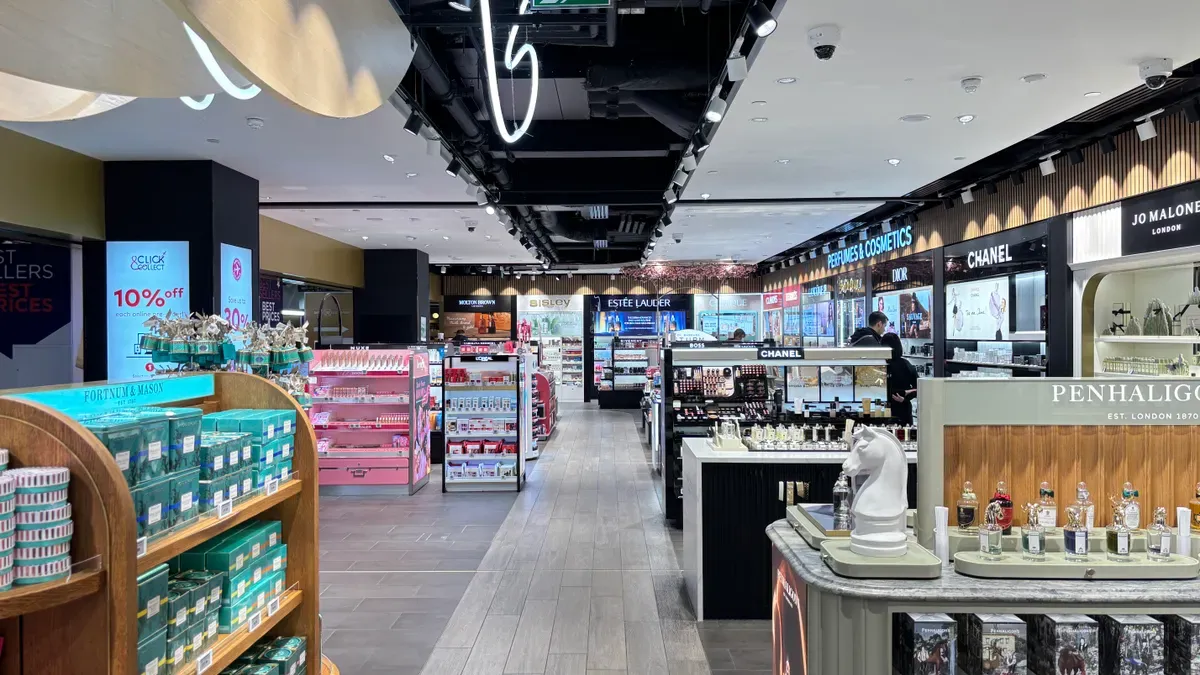
AI-powered stores change how you work in airports. You use technology to automate many retail tasks. This helps you boost airport efficiency and improve passenger flow. When you use ai, you can focus on helping travelers instead of doing repetitive jobs. You see fewer mistakes and faster service. These digital solutions help you keep up with the busy pace of airports.
Automated Inventory Management
You no longer need to spend hours counting products or checking shelves. AI-powered stores use digital tools to track inventory in real time. You get alerts when stock runs low. This means you can restock before items run out. You use data from sensors and IoT devices to see what sells fast. This helps you plan better and avoid waste. You also reduce errors because the technology checks everything for you.
Note: Automated inventory management lets you spend more time helping passengers and less time on manual tasks.
Here is how different technologies help you in retail operations:
Technology | Impact on Manual Labor and Errors |
|---|---|
AI-powered tools | Predict labor needs and dynamically allocate tasks to improve productivity. |
Robotics | Operate alongside humans to reduce manual tasks and enhance safety. |
IoT devices | Provide real-time visibility into inventory, reducing stock issues. |
Drones | Scan inventory quickly, minimizing labor costs and time. |
Voice-directed picking | Streamlines order picking and reduces human error through verbal instructions. |
You use ai to collect and analyze data in real time. This gives you better control over your retail stock. You can track goods with precision and monitor conditions for sensitive items. Airports report 20-30% efficiency gains in ground operations and maintenance when they use targeted ai deployment. You see a 6-8% increase in EBITDA within a few years. Automation reduces errors and lowers staffing costs. You help your airport reach new levels of operational efficiency.
Self-Checkout Solutions
Self-checkout kiosks make your job easier in airport retail. You set up kiosks so travelers can scan and pay for items themselves. This speeds up transactions and reduces lines. You see more passengers move through the store quickly, which improves airport efficiency and passenger flow. You can focus on stocking shelves and helping customers who need extra support.
Evidence | Explanation |
|---|---|
Self-checkout kiosks efficiently handle small baskets, reducing bottlenecks during peak hours. | Transaction speed is enhanced as more shoppers can complete purchases quickly, which is crucial in high-traffic environments like airport stores. |
Staff can focus on critical tasks such as stocking and assisting customers. | AI-powered self-checkouts allow for better staff allocation, as employees can engage in more valuable activities rather than just managing transactions. |
Kiosks reduce dependency on cashiers during peak hours. | Transaction speed increases as more transactions can be processed without needing additional staff, optimizing labor costs and efficiency. |
You use digital kiosks to handle many transactions at once. This means you need fewer workers at the checkout. You can move staff to other important jobs. Passengers enjoy shorter lines and faster service. You see higher satisfaction and smoother passenger flow. Self-service technology helps you keep up with the demands of busy airports.
Predictive Analytics for Staffing
You use ai-driven solutions to plan your work shifts. Predictive analytics helps you look at data from past travel patterns. You can see when airports get busy and when things slow down. This lets you schedule the right number of staff for each shift. You avoid overstaffing during quiet times and prevent understaffing during rush hours. You use data to make smart choices about where to place your team.
Tip: Predictive analytics helps you keep airport efficiency high by matching staff levels to real passenger flow.
Here are some ways predictive analytics improves your work in airport retail:
Efficient resource allocation ensures you use check-in counters and boarding gates well.
You reduce congestion and improve passenger flow by knowing peak travel times.
You make better shift plans, so you do not waste labor or leave gaps during busy periods.
Airports that use predictive analytics see big improvements in operational efficiency. You can adjust staffing and resources before problems start. This keeps key performance indicators strong. You also help passengers have a better experience because you plan ahead for busy times. Some airports, like Dublin and Seattle-Tacoma, use predictive analytics to schedule security staff and monitor traffic congestion. You see fewer delays and smoother operations.
Outcome | Description |
|---|---|
Operational Efficiency | Predictive analytics helps in adjusting staffing and resource allocation before KPIs decline. |
Customer Experience | Proactive planning reduces disruption during peak travel periods, enhancing overall passenger experience. |
Labor Optimization | AI models forecast staffing gaps, allowing for better management of human resources. |
Emergency Repair Cost Reduction | Airports that adopt predictive analytics report significant decreases in emergency repair costs. |
Asset Availability Improvement | The shift to predictive scheduling allows for better planning and resource allocation, reducing failures. |
Security Staff Scheduling | Dublin Airport uses prescriptive analytics to optimize security staff based on passenger demand. |
Traffic Congestion Monitoring | Seattle-Tacoma International Airport employs predictive analytics to alert about roadway congestion. |
You use ai-powered stores and digital technology to make your airport retail operations smarter. You rely on data to guide your decisions. This helps you reach higher levels of airport efficiency and operational efficiency. You see better results for both staff and passengers. AI helps you keep up with the fast pace of modern airports.
AI in Passenger Flow Management
Queue Monitoring Systems
You can use ai to watch and manage queues in airports. These systems track where passengers are by using 2D and 3D vision data. This keeps your airport in line with privacy rules. You see real-time updates on how many people are at each terminal, gate, or security area. When lines get too long, ai sends alerts so you can act fast. You can open more service counters or move staff to busy spots. This helps you stop overcrowding before it starts.
AI queue management systems track passenger locations and queue lengths.
Real-time monitoring gives you alerts when congestion builds.
You can adjust staffing and open new counters quickly.
Predictive models help you plan for busy times and keep lines moving.
When you use ai for passenger flow management, you improve both staff deployment and passenger satisfaction. The table below shows how these systems help:
Impact Area | Description |
|---|---|
Staff Deployment | AI systems help you match staff levels to real-time demand. |
Passenger Satisfaction | Shorter wait times make travelers happier. |
Operational Challenges | You spot bottlenecks and fix them before they cause problems. |
Real-Time Resource Allocation
You can use ai to make smart choices about where to place your staff and resources. Video intelligence platforms let you see live feeds from around the airport. Security teams can respond faster during busy times. Ai-powered analytics predict when and where crowds will form. This helps you move staff before problems happen.
Ai gives you instant insights so you can act quickly. You can automate crew assignments and task changes. Real-time data helps you plan and adjust on the fly. This keeps your airport running smoothly and reduces delays.
Research shows that ai can warn you 20 minutes before a queue gets too long. You can move staff and cut wait times from 34 minutes to just 12 minutes. You also see fewer missed connections and higher passenger satisfaction. In ai-managed zones, satisfaction rates can reach 92%. You make your airport more efficient and give travelers a better experience.
Passenger flow management becomes easier and more effective when you use ai. You keep lines short, staff happy, and passengers moving.
Workforce Optimization with AI
AI-Driven Scheduling Tools
You can use ai-driven scheduling tools to make your workday easier. These tools help you plan shifts by looking at past data and real-time information. You see how many staff you need for each hour. Ai checks flight schedules, passenger numbers, and even weather conditions. You get a schedule that fits the busy times and quiet periods. Ai helps you avoid overstaffing and understaffing. You save money and improve service.
Here is how ai-driven scheduling tools help you in airport retail and service operations:
Aspect | Benefit |
|---|---|
Planning Optimization | Ai enhances workforce planning by analyzing historical and real-time data to forecast staffing needs accurately. |
Demand Pattern Prediction | It predicts demand based on flight schedules, passenger volumes, and weather conditions. |
Operational Efficiency | Reduces risks of over- or understaffing, leading to cost savings and improved service delivery. |
Ai reduces unnecessary overtime and last-minute scheduling gaps.
Organizations report up to a 12% reduction in labor costs due to better shift alignment.
Ai considers employee preferences, leading to fairer schedules and improved work-life balance.
Ai-driven scheduling tools help you create fair schedules. You see happier staff and better results for your airport.
Demand Forecasting
You use ai to predict how many travelers will visit your store. Ai models look at over 40 signals, such as passenger dwell time and purchasing trends. You get a 15-20% improvement in forecast accuracy. This means you can plan for busy times and avoid waste. Ai helps you keep the right amount of inventory and staff ready for every shift.
Ai-based demand forecasting helps you make smart decisions about store layout and inventory management. You see steady revenue growth without needing aggressive sales tactics. Ai lets you match staff levels to real demand. You avoid extra labor costs and keep your airport store running smoothly.
Tip: Ai demand forecasting gives you the power to prepare for changes in passenger flow and customer needs.
You use ai to optimize your workforce and inventory. You see fewer mistakes and more efficient operations. Ai helps you stay ready for anything in airport retail.
Measurable Benefits and Real-World Impact
Productivity Metrics
You see clear improvements when you use ai in airport stores. You can measure gains in staff productivity and operational efficiency. Many airports report a 20-30% increase in ai-driven efficiency after adopting digital transformation tools. You notice that passenger processing time drops as ai automates routine tasks. This means you move more passengers through check-in and security with fewer delays. You also see a boost in revenue because you serve more travelers in less time.
You can track these changes with real-time data. For example, ai helps you predict busy periods and adjust staffing. You reduce overtime costs and improve shift coverage. You also see fewer errors in inventory and sales. This leads to higher revenue and better resource use. Some airports report a 15% drop in passenger processing time, which means happier travelers and more sales.
Metric | Before AI | After AI |
|---|---|---|
Passenger Processing Time | 34 min | 12 min |
Revenue per Staff Hour | $120 | $145 |
Inventory Errors per Month | 18 | 7 |
Staff and Passenger Experience
You feel the difference when ai supports your work. Staff members say they feel more empowered and less stressed. You spend less time on manual tasks and more time helping passengers. You also gain new skills as you learn to use ai tools. This upskilling leads to higher job satisfaction and better teamwork.
Passengers notice the change too. You use ai to provide real-time data and accurate updates, which improves the passenger experience. Travelers wait less and get better service. Personalization features help you offer tailored recommendations and support. You see ai-driven personalization in action when you guide passengers with disabilities using voice recognition and computer vision. This creates a more inclusive environment for everyone.
You reduce uncertainty with real-time data and predictive analytics.
You match staff to demand, which keeps lines short and service fast.
You increase revenue by serving more travelers efficiently.
You see how ai transforms your airport into a model of digital transformation. You create a better experience for both staff and passengers, while boosting revenue and operational results.
You see how AI-powered stores help you work smarter and faster in airports. These tools boost your productivity and make daily tasks easier. Passengers enjoy shorter lines and better service. Experts suggest you use smart technologies, digital twins, and AI-driven tools for future-ready airports:
Recommendation | Description |
|---|---|
Integrate smart technologies | Use AI and predictive maintenance systems to enhance operational efficiency and respond to issues proactively. |
Implement digital twins | Reimagine the passenger experience by utilizing digital twins for better operational insights. |
Optimize passenger flow | Leverage AI-driven tools to reduce wait times and improve overall passenger experience. |
You see more focus on safety and maintenance.
More airports use AI-powered predictive maintenance.
Real-time monitoring of systems is now in high demand.
AI adoption helps you create a modern, efficient, and welcoming airport for everyone.
FAQ
How does AI help you work faster in airport stores?
AI automates tasks like inventory checks and checkout. You spend less time on routine jobs. You can focus on helping travelers and solving problems. This makes your workday smoother and more productive.
Can AI-powered stores improve the passenger experience?
Yes! You use AI to reduce wait times and keep shelves stocked. Passengers find what they need quickly. Self-checkout kiosks help them pay faster. You create a better shopping experience for everyone.
Is your data safe in AI-powered airport stores?
AI systems follow strict privacy rules. You use secure networks and encrypted data. Your personal information stays protected. Airports work with trusted technology partners to keep your data safe.
What do you need to start using AI in airport retail?
You need digital tools like sensors, cameras, and software. You also need training for staff. Start small with one store or process. You can expand as you see results.
See Also
The Future of Retail Lies in AI-Driven Stores
Modern Retail Benefits from AI-Enhanced Combo Vending Machines
Boosting Productivity in Small Offices with Smart Vending
Transforming Online Store Management with AI E-Commerce Tools
Enhancing Efficiency and Experience with Cloudpick Checkout Solutions
