AI Retail Revolutionizes Passenger Shopping at Transit Stations

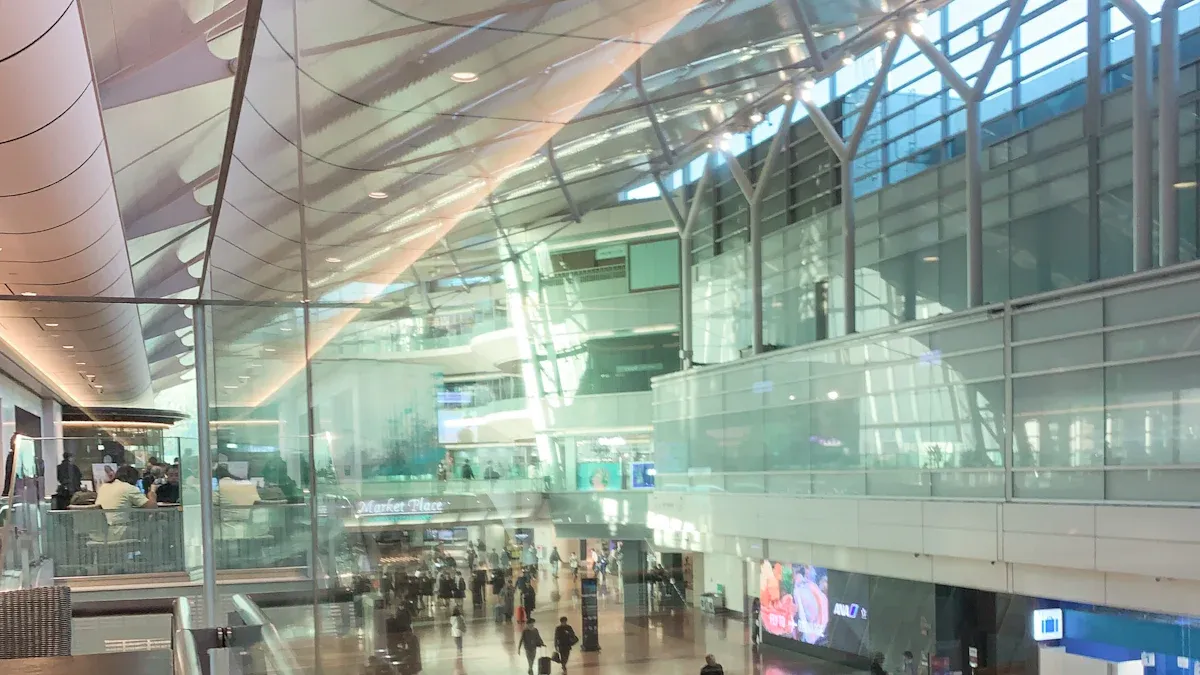
Transit stations move millions of people every day. Few of them stop to buy anything. Operators face a tough problem: lots of people, few sales, and small profits. How can they turn waiting time into a profitable micro-transaction without adding staff?
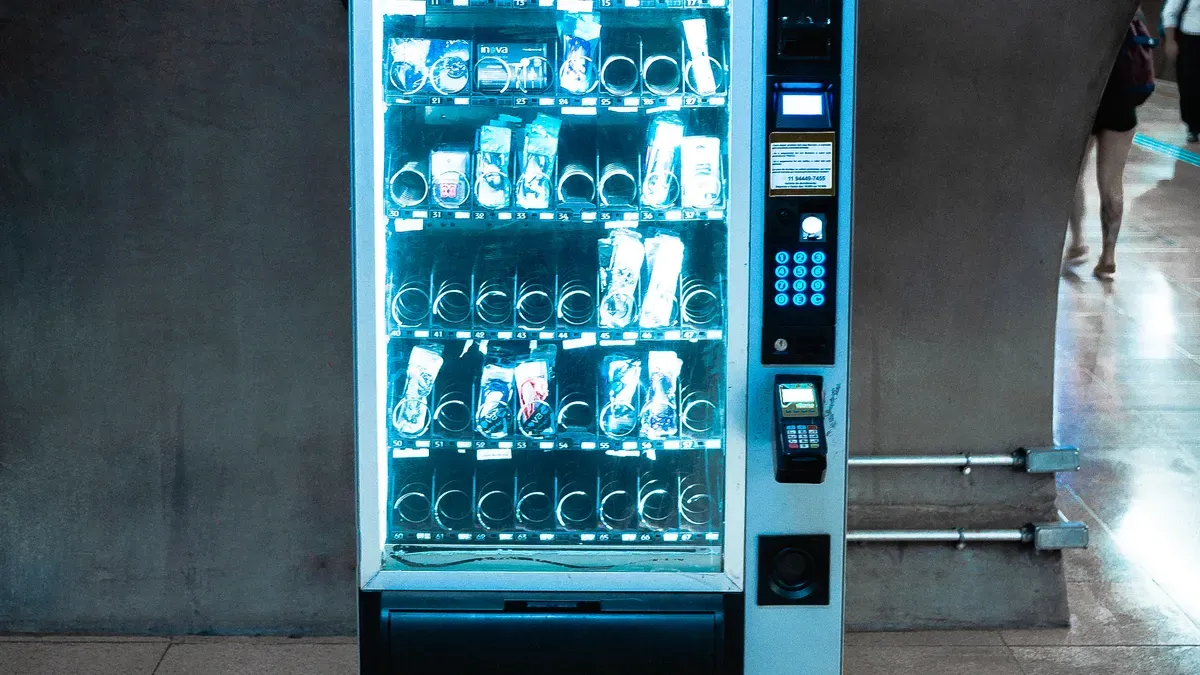
Across European hubs, a quiet change is happening. AI-powered vending machines now sell a variety of items all day and night. These machines need no cashier and no waiting lines. They simply watch, learn, and serve. This shift marks a new chapter in AI retail for transit stations, where every platform and corridor becomes a potential point of sale.
The opportunity is real. Retail revenue no longer depends only on staffed kiosks.
Key Takeaways
AI vending machines turn waiting time into sales during short dwell times.
These machines cut labor costs by running without staff 24/7.
Smart vending units pay back in 4 to 8 months and make over $1,200 monthly profit.
European hubs like Birmingham show a 300% sales jump and lower costs.
Ai Retail for Transit Stations: The New Frontier
Beyond Legacy Vending
Old vending machines give no flexibility and no real-time data. Newer choices change this problem completely. These computer vision systems spot products, robotics manage inventory, and analytics set the best prices. The global market shows this shift. Two big research firms expect the market size to reach between $14.03 billion and $15.4 billion by 2025.
Financial proof backs this growth. Old vending units need $3,000 to $5,000 upfront with a 12 to 18 month payback. Monthly revenue averages $1,800 with a profit of $540. Smart vending machines cost about $5,500 but pay back in 4 to 8 months. Monthly revenue runs 35 to 50 percent higher. Monthly profit goes past $1,200. Over three years, an old unit makes $19,440 in total profit. One smart unit makes $43,200. Daily transactions hit 50 to 100 at good spots. Average sale value sits at $5.50. Monthly profit potential in transit spots ranges from $3,000 to $6,000.
Digital sign boards change special sales deals using live train schedules and delay updates. Linked phone apps set up smart location boundaries around station hallways. These systems send helpful personal deals to waiting riders during short breaks, turning idle travelers into real store buyers before their train leaves. This integration defines ai retail for transit stations today.
Capturing Commuter Time
Station environments face a basic tension: high foot traffic but low dwell time. A passenger has minutes to buy something. Traditional outlets cannot catch this window. AI bridges the gap by understanding when and where commuters wait.
Dynamic geo-fencing adapts boundaries based on real-time conditions. It targets commuters at hubs, activating offers right when dwell time occurs. Layered geo-fencing combines location with demographic data. It delivers relevant offers based on known preferences. Time-based geo-fencing activates only during specific commute hours. Each technique maximizes relevance for the rushing passenger.
These systems also anticipate store traffic. They predict peak flow hours to optimize operations. Real-time queue monitoring speeds checkout. Zone analytics identify high-traffic areas for product placement. These strategies increase conversion by 10 to 20 percent. Personalized recommendations during dwell times lift conversion by another 5 to 15 percent.
These techniques transform waiting time into transaction time. The passenger with two minutes before a train becomes a buyer. For operators, this represents a new revenue stream through unattended retail. The challenge of low dwell time disappears when corridors become points of sale through ai retail for transit stations. This synergy creates lasting value.
Transit Retail: Lessons from Europe
Robotics in Action
European transit hubs have turned into real testing grounds for automated food service. A notable case involves a robotic kiosk that runs all day and night. This machine makes and serves items with no staff on site. It works 24/7, so it catches sales during early morning rides and late-night trips alike. The kiosk uses robotic arms and computer vision to put orders together, so quality stays the same every time. Passengers order on a touchscreen, pay with a card or phone, and get their item in minutes. The unit only needs restocking visits, not shift workers. This model shows how automated retail units can do well in places where normal shops cannot afford to hire staff.
All over the continent, similar setups are growing in number, including AI-powered vending units that sell a variety of items. These machines run with very little human help. Operators check them from a distance and restock when sensors show low inventory. The result is a network of unattended retail points that work like small stores but cost much less to run. For anyone studying transit retail, Europe offers a clear playbook: start small, automate fully, and let the data guide growth.
Revenue and Efficiency Gains
The kiosk brought clear results. Sales increased notably compared to the old vending setup it replaced. Operating costs dropped significantly at the same time. These gains come from two sources. First, the machine sells higher-value items that old vending units could not handle. Second, it avoids the labor costs that weigh down staffed kiosks.
Labor savings tell the bigger story. Transit operators using robotic kiosks report the following figures:
Metric | Traditional Operator | Robotic Kiosk Operator |
|---|---|---|
Monthly labor cost | $8,000–$25,000 | $0 (restocking only) |
Annual savings from eliminating 2–3 FTEs | — | $40,000–$80,000 per location |
Payback on a $50,000 robotic unit | — | Recouped through labor savings alone |
These numbers explain why operators see the technology as a revenue engine, not a test. A single robotic unit can pay for itself through labor savings alone. Every sale after that point adds straight to the bottom line. The wider European adoption confirms this pattern. AI-powered vending units across the region run with very little staffing and deliver steady returns. They turn underused corners of stations into productive retail space. For transit authorities facing tight budgets, the math is simple. The technology works, the savings are real, and the model scales. This is the core lesson from Europe: ai retail for transit stations is no longer a pilot project. It is a proven path to new revenue and lower costs.
Station Monetization Through AI-Powered Vending
Labor Savings and Asset Utilization
Operators want results, not just technology. The main result from AI-powered vending is saving on labor costs. A normal staffed kiosk needs two or three full-time workers. A smart machine needs none. People only come to restock and clean. This change lets operators spend payroll money on other things.
AI also lets one worker do more. One person can watch many machines from far away. The system handles office and marketing jobs much faster. It makes routine choices without human help. It stops needing manual stock checks and plans restock routes. It guesses when parts will break so workers come ready. It spots problems and tells which machines need help first. It studies sales patterns and plans what to restock. Digital payment records cut down on after-service paperwork. Each of these jobs once took staff time. Now the software does them.
How well we use assets also gets better. A station corner that once sat empty now becomes a place that sells. The machine works 24/7 without breaks. It catches early morning riders and late-night travelers alike. This constant work raises money earned per square foot. For transit operators, the math is simple. The same space earns more with less labor.
The table below shows how automation gets deeper across vending types.
Automated Task | Traditional Vending | Smart Vending | AI Vending |
|---|---|---|---|
Remote monitoring & alerts | No | Yes | Yes |
Real-time inventory tracking | No | Yes | Yes |
Computer-vision product recognition | No | Rare | Yes |
Grab-and-go / frictionless checkout | No | No | Yes |
Demand forecasting | No | Basic | Yes (predictive) |
Automated merchandising / personalization | No | No | Yes |
Predictive maintenance | No | Limited | Yes |
Acting on data automatically | No | No | Yes |
Dynamic Pricing and Inventory Control
Making money at stations depends on selling the right item at the right price at the right time. AI makes this happen. The system watches sales as they happen. It changes prices based on demand patterns. A morning rush on popular items triggers a different price than a quiet afternoon. This flexibility grabs more value from each passenger.
Inventory control works the same way. Computer vision sees products as customers take them. The system tracks every item without manual counting. It guesses demand and orders restock before shelves run empty. It cuts waste from expired goods. It also improves how accurately items are placed. Image recognition checks that the right products sit in the right slots. Operators see fewer mistakes and less loss.
These tools turn a vending machine into a self-managing retail asset. The machine learns, adapts, and reports. Operators make better choices with less work. This is the core promise of ai retail for transit stations. The technology does not just sell. It makes everything better.
The AI-Driven Future of Transit Retail
Personalization and Passenger Experience
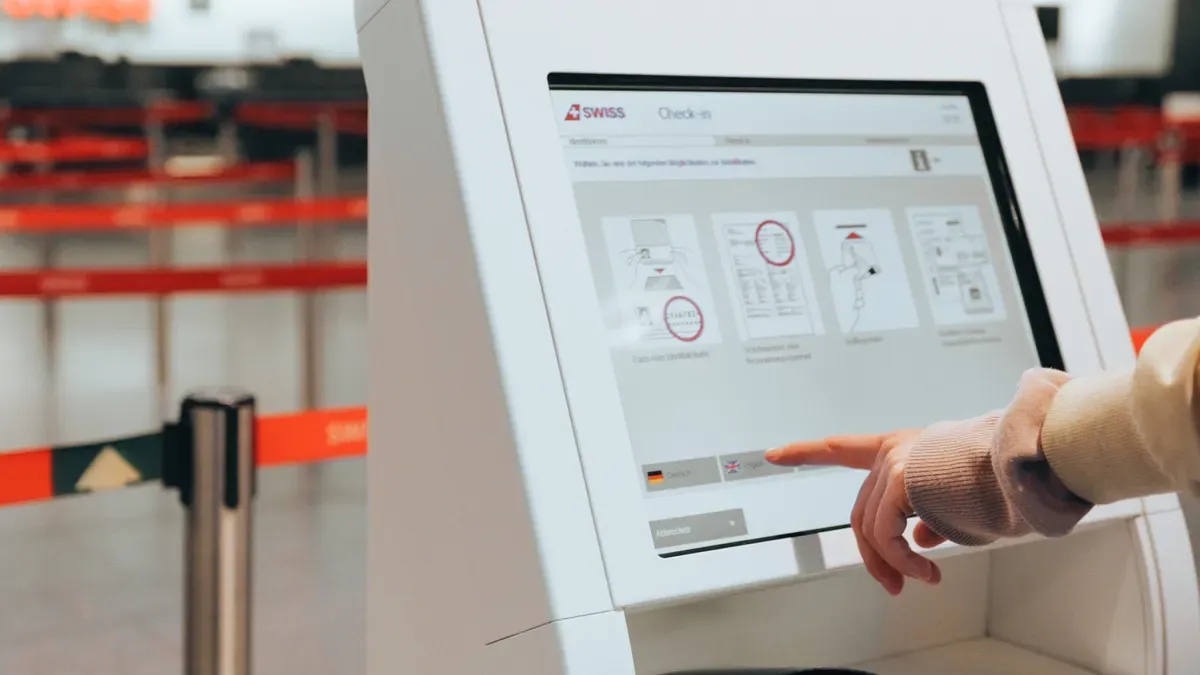
AI vision systems will soon know repeat passengers and recall what they like. A commuter who buys the same item every Monday morning might see a special offer on the screen. Mobile apps will connect with these machines to suggest items based on past buys. This kind of personalization turns a quick vending stop into a custom shopping moment. Passengers feel noticed, and operators earn loyalty.
Safety also gets better with these systems. Cameras that watch products can also keep an eye on platform crowds. They notice strange activity and warn staff. This double duty makes stations safer and more efficient. Riders enjoy a smoother trip from entrance to train. The technology serves both business and care.
Evolving Business Models
The industry is moving beyond single test programs. Operators now look at platform-based models. In this approach, one AI system runs many machines across a network. A single dashboard tracks sales, inventory, and upkeep for every unit. This change shifts how companies plan for growth in transit retail.
Partnerships will drive the next wave. Transit authorities may join with food brands, local cafes, or delivery services. Each partner brings products or know-how. The AI platform handles the rest. Revenue sharing takes the place of fixed rent. This model lowers risk and speeds expansion. Operators can try new locations without big upfront costs.
These changes point to a future where ai retail for transit stations becomes a main business line. The technology no longer just fills a gap. It creates new demand for convenient, personalized service. Stations change from pass-through spaces into destinations. The retail experience becomes part of the journey itself.
Europe shows that the technology works. The robotic kiosk raised sales significantly and lowered operating costs notably. Operators also save on labor and use station space all day and night. These machines turn waiting time into a new way to earn money. The old problem of short dwell time and heavy foot traffic now solves itself. Every crowded spot becomes a place to make a sale. Transit operators should see these assets as main profit sources, not tests. A small pilot collects local numbers and builds trust inside the company. From there, the model grows across the whole network. This path brings steady returns and lasting value for operators.
FAQ
How much does an AI vending machine cost, and when does it pay for itself?
A smart vending unit costs around $5,500. It pays for itself in 4 to 8 months. Monthly profit goes past $1,200. A robotic kiosk costs more at the start, but the money saved on labor can cover that cost over time.
Do these machines need staff to run?
No. The units run all day and night with no cashier on site. Workers only come to restock and clean. One person can watch many machines from far away. Software handles guessing demand, planning restocks, and payment records on its own.
How do AI vending units increase sales at stations?
They sell higher-value items that old machines cannot handle. They also catch riders during short waits. Personal offers during wait time lift sales by 5 to 15 percent. Robotic kiosks have seen significant sales jumps after switching from traditional vending.
Can operators start small before scaling across a network?
Yes. A small pilot gathers local numbers and builds trust inside the company. Operators then grow the model across the whole network. Platform-based systems track sales, inventory, and upkeep for every unit from one dashboard.
What keeps inventory and pricing accurate without manual checks?
Computer vision sees products as customers take them. The system tracks every item and orders restock before shelves run empty. It also changes prices based on demand patterns, so a morning rush on popular items prices differently than a quiet afternoon.
See Also
Transforming Retail Access Through Innovative Grocery Vending Machine Solutions
Tracing The Historical Development Of Self-Service Checkout Systems
Cloudpick Delivers Seamless Cashier-Free Shopping Experience For Your Retail Store
Smart Technology In Electronics Vending Machines Transforms Modern Retail Landscape
Investigating The Growth Of Round-The-Clock Vending Cafes Blending Convenience With Innovation
