Future trends of AI-powered retail in airports and transportation hubs for 2026

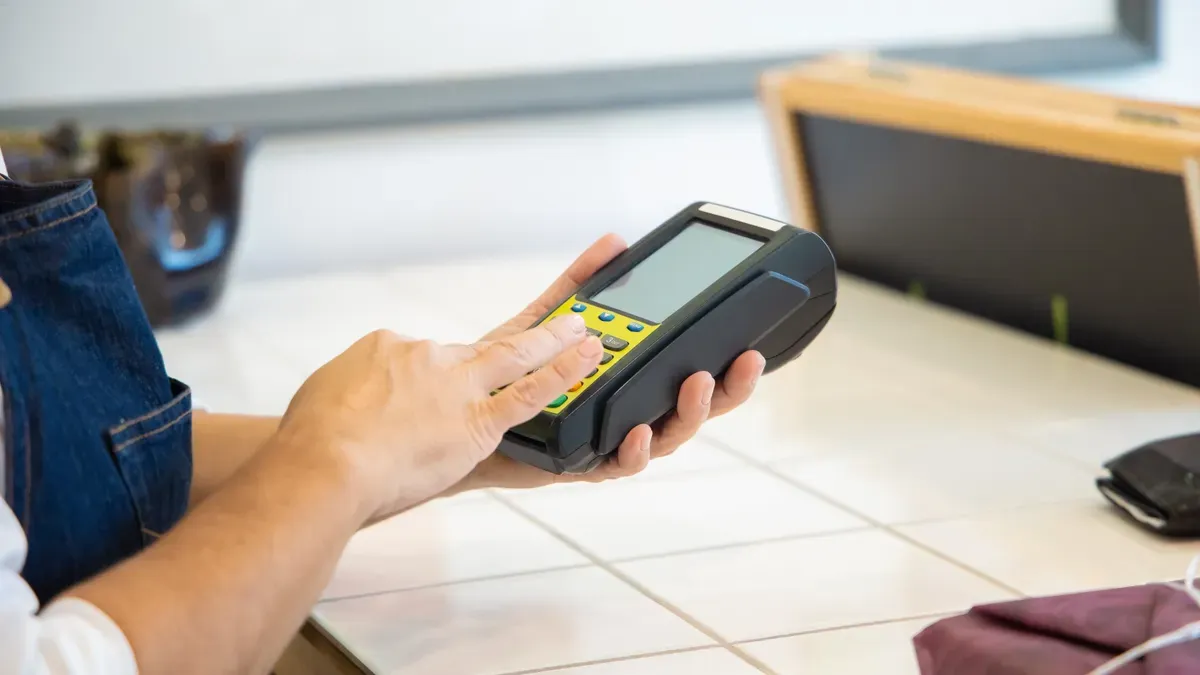
In 2026, transportation hubs replace physical lines. Advanced ai-powered retail turns terminals into ecosystems. Core future trends shift ai software to mission-critical operations when hubs deploy ai tools. Airports use ai technology and automation to streamline logistics. Commercial innovation creates passenger experience benefits. Real-time data fuels ai personalisation. Every passenger journey receives custom ai offers.
The Businesswire report projects the global airport market size in 2026 at US$63.4 billion, with a compound annual growth rate of 5.2% from 2019 to 2026.
Industry trends reflect these trends. Smart ai future networks elevate traveler experience. Powerful ai systems deliver personalisation for travelers. How can airports leverage ai automation to redefine the future travel experience through ai?
Key Takeaways
Smart cameras and AI sensors enable grab-and-go store checkouts without waiting in physical line queues.
Robotic micro-fulfillment systems retrieve retail orders in under two minutes to speed up airport deliveries.
Real-time flight data helps store screens show personalized food and product offers to passing travelers.
Predictive AI inventory software tracks stock accurately to eliminate product waste and lower store energy use.
Agentic AI-Powered Retail in Modern Transit Hubs
In 2026, high-traffic transportation hubs move far beyond basic digital experiments. Executives integrate autonomous software solutions directly into mission-critical daily operations. Modern transportation terminals adopt ai-powered retail to transform traditional shopping spaces into autonomous service nodes. These ai-enabled systems process customer movements directly without physical friction. Advanced AI sensors monitor store shelves continuously to assist travelers during busy transit periods.
Autonomous Just-Walk-Out Computer Vision Systems
Smart stores deploy advanced AI computer vision cameras and weight sensors across store ceilings. Overhead ceiling sensors collect customer motion data in real time. The intelligent AI software tracks items instantly when a guest selects products from store shelves. Passengers enter payment areas, grab required items, and exit the premises instantly. This technology creates a seamless travel environment for time-sensitive visitors.
Custom algorithms optimize checkout speed for every passenger journey. AI delivers instant billing notices to mobile devices upon exit. Rapid transaction processing improves passenger experience during peak departure hours. Automated software platforms offer tailor-made product offers to enhance personalisation for each guest. Modern airports deploy these smart digital tools to improve the future travel experience across terminal gates.
AI operational analytics track shelf inventory levels automatically. Real-time data helps floor staff replenish high-demand goods quickly. Smart automation eliminates long physical checkout queues completely. Stores elevate every customer experience by removing unnecessary friction points. Store operators build a strong guest experience through instant digital payments and dynamic store layouts.
Automated Robotic Micro-Fulfillment for High-Speed Transit
Hubs deploy automated robotic micro-fulfillment centers to manage high-speed order demand. Compact automation systems utilize automated storage towers and mobile robots behind store walls. Robots pick packaged snacks, consumer electronics, and travel accessories rapidly. These AI software tools streamline back-of-house operations in crowded terminal layouts.
DHL reports that automated systems can process orders up to 3 times faster than manual methods.
Robotic automation accelerates order retrieval rates for store networks. The performance metrics table below illustrates retrieval speeds across automated systems:
Metric | Reported result | System |
|---|---|---|
Order retrieval | Any order retrieved within 2 minutes | Exotec Skypod ASRS |
Order shipping | Less than 30 minutes from order placement in many cases | Exotec micro-fulfillment automation |
AI integrated warehouse execution software coordinates picking tasks smoothly. High-speed automation maintains steady inventory flow across busy store locations. The table below details order processing efficiency within automated micro-fulfillment facilities:
Metric | Reported result | Context |
|---|---|---|
Order processing time | Reduced by up to 40% | Well-integrated WES in a micro-fulfillment center |
Fulfillment speed | Orders fulfilled in minutes, enabling same-day or hourly delivery | Automated hyper-local micro-fulfillment center |
Autonomous micro-fulfillment systems change how airports deliver commercial products to gate areas. AI coordinates autonomous robot units to stock remote gate kiosks automatically. Dynamic personalisation adapts product options based on emerging trends. Targeted personalisation boosts sales across high-density storefronts. Modern automation drives new business trends across commercial aviation sectors.
Store operators examine historical purchasing patterns to refine future store designs. Intelligent personalisation guides individual item recommendations to improve overall guest experience. Machine learning models analyze sales data to forecast upcoming inventory demands accurately. Intelligent technology shapes modern commercial trends across international gates. Digital innovation empowers terminal operators to elevate the overall passenger experience. Modern airport management strategies reshape the future travel experience across global hubs.
Enhancing the Passenger Experience Through Hyper-Personalization

Industry reports project the global airport commercial market reaching $37.23 billion in 2026. Advanced personalisation fuels this rapid growth. Modern hubs leverage ai-powered retail to transform how travelers explore concourses. Smart digital retailing turns passive waiting periods into dynamic commercial engagements.
Dynamic Journeys and Passenger Dwell-Time Analytics
Every passenger creates unique movement patterns inside departure terminals. Modern sensors track flow data across gate lounges. Intelligent ai systems process location signals to build dynamic passenger profile records. Concession operators evaluate dwell time to deploy tailored automation rules across storefronts.
Analytics application | Evidence from source | Effect on conversion |
|---|---|---|
Customer journey movement tracking | WiFi, camera, LiDAR and people-counter data provide real-time movement, occupancy and dwell-time detail across airport areas. | Lets stores reduce queue times through better staffing and product placement, creating more opportunity to complete purchases. |
Passenger flow mapping | Dwell-time data shows where passengers linger before boarding and which commercial zones convert best. | Enables placement of concessions, QSRs and displays in high-visibility areas, increasing purchase likelihood. |
Integrated security data connects flight updates directly to commercial systems. Gates change and flight delays alter remaining store time. Predictive technology calculates exact window durations before boarding calls. Smart ai algorithms evaluate real-time flight changes continuously. The system sends personalized experiences straight to mobile screens. An algorithm suggests quick snack options when departure windows shrink suddenly. This level of personalisation transforms routine wait times into high-value opportunities. Seamless passenger journeys emerge naturally when travel updates link with smart store networks.
Terminal operators improve overall performance by analyzing passenger movement. Automation directs floor staff to high-density zones during flight delays. These operational trends help venues maintain high service standards across terminal wings. Optimized layouts elevate customer experience while boosting store revenue. Airports create comprehensive guest experiences by aligning logistics with store operations. Modern hubs elevate passenger experience during peak operational hours.
Context-Aware Digital Signage and Target Offers
Smart terminals install context-aware digital display screens near boarding gates. Modern technology adjusts display advertising based on nearby audience demographics. High-definition screens analyze crowd density using privacy-safe vision sensors. An ai engine triggers real-time offers tailored to current boarding demographics. The ai software continuously optimizes display messaging for crowded gate areas. Morning flight departures trigger breakfast advertising automatically. International flights trigger luxury brand promotions instantly.
Personalised engagement increases store sales across terminal spaces. Dynamic software connects flight manifest data with nearby sign screens. The underlying ai updates commercial messages every few seconds. This intelligent automation maximizes visual impact for every single guest. Passengers view relevant products during their pre-flight window. Dynamic personalisation changes how brands interact with modern visitors.
Hubs track immediate passenger responses to dynamic promotional offers. Intelligent ai tools monitor store footfall after displaying targeted campaigns. The ai measures store entries after displaying targeted campaigns. Modern trends favor tailored digital interactions over generic static posters. Each guest receives relevant updates based on travel schedules and location. Operators refine future promotional campaigns using real-time redemption data. Personalized travel offerings shape the future travel experience across international hubs.
Smart technology ensures continuous performance improvements across all terminal zones. Venue managers deliver exceptional guest experience through intelligent context mapping. Modern airports deploy dynamic ai infrastructure to meet rising passenger expectations. These computational trends redefine commercial operations across future travel experience ecosystems. Modern automation creates a memorable guest experience during every airport visit. Transportation hubs capture high customer experience satisfaction scores through tailored digital services. These commercial trends establish strong customer experience benchmarks across future aviation hubs. The central ai coordinates dynamic services to assist every traveler. Every guest enjoys custom travel conveniences daily.
Data Integration Across Airports and Airline Networks

High-volume airports break physical barriers between airline systems and merchant databases. Strategic investments in ai technology unlock seamless operations across concourses. Intelligent ai automation elevates operational workflows across terminals.
Unifying Transit and Concessionaire Data Silos
Airports connect store hardware across vendor silos. Operators standardise checkout software on one central platform to consolidate metrics. Alternatively, businesses connect existing merchant software to shared pipelines. Store automation links mobile apps and checkout counters into one workflow. Automation streamlines inventory updates simultaneously.
Terminal networks connect payment tools to flight displays and customer portals. Unified technology routes transactions across gateways. The table details operational functions across connected transit ecosystems:
Approach | Operational area supported |
|---|---|
Integrate POS platforms with central payment infrastructure | Unified transaction routing, multi-bank connections, and financial management |
Connect payment tools to broader hub workflows | Real-time flight updates, passenger service portals, and disruption management |
Apply analytics to store transaction data | Spending tracking, vendor performance measurement, and dynamic inventory management |
Automate settlement reconciliation processes | Matching payments with order files in multi-vendor shopping zones |
Predictive Inventory and Dynamic Pricing Engines
Modern airports deploy ai engines to process passenger volumes and store purchases. Algorithms analyze transaction records by vendor, location, and timeframe. System models evaluate spending patterns to calculate stock demand. Data-driven decision making replaces manual inventory guesses. Automation assists store teams with restock alerts.
Advanced ai software calculates product prices based on flight updates. Concourse delays increase local dwell times. Intelligent ai algorithms adjust prices instantly to optimize store sales. Dynamic ai tools deliver targeted messaging to boost passenger customer experience. Targeted personalisation optimizes product visibility. Dynamic personalisation improves passenger engagements during layovers.
Process automation matches digital receipts against merchant orders automatically. Centralized ai systems process operational files across complex spaces. Smart ai platforms update dynamic pricing rules based on conditions. Dynamic personalisation adapts offers based on travel schedules. Operators transform guest experience while driving profit. Modern hubs establish powerful trends for future ai-powered retail environments. Emerging trends shape future travel hubs. Dynamic ai platforms deliver exceptional guest experience values. Transportation networks elevate overall passenger travel experience through digital tools. Modern automation shapes key industry trends across future commercial projects.
Inclusive and Sustainable Travel Retail Technology
AI Vision Assistance and Accessible Commerce
Airports upgrade accessibility infrastructure to serve diverse traveler populations. Modern ai kiosk implementations must satisfy regulatory frameworks. Under 14 CFR § 382.57, regulations mandate accessible design for terminals with at least 10,000 annual enplanements. At least 25% of automated kiosks in each airport location must meet technical specifications. The Air Carrier Access Act and the ADA set strict rules for physical reach ranges and speech output. In Europe, standards like EN 301 549 and the European Accessibility Act enforce compliance for self-service terminals alongside global WCAG digital standards.
Generative ai assistants like ChatGPT process pre-sales questions in real time using natural language. These systems deliver instant support for time-pressed travelers. In addition, app-based push notifications use ai algorithms to send customized updates. Dedicated ai self-checkout terminals reduce physical bottlenecks while aiding users with varied abilities. Smart ai display screens deliver targeted content while providing clear audio output and tactile controls. These inclusive tools shape the future travel experience for all visitors.
Waste Reduction and Sustainable Inventory Management
Sustainability initiatives drive operations across modern hubs. Store operators leverage ai demand forecasting to align physical stock with actual needs. Intelligent ai software processes live data feeds, including flight schedules, seasonality, passenger flow, and current sales trends. Predictive ai algorithms prevent store overstocking. Consequently, accurate inventory mapping eliminates product spoil rates before food items reach expiration dates.
Dynamic ai pricing engines adjust product prices instantly based on live demand and customer behavior. Automated systems change prices continuously to move expiring items quickly. Retail operators use automation to streamline supply chains, while separate ai automation cuts energy waste across concourses. Terminal operations deploy smart automation to build responsible commercial models. Technology integrations support broader environmental goals across international airports. Modern hubs establish sustainable future trends across the industry. This computational automation redefines the future travel experience while advancing global green commerce.
Autonomous ecosystems drive future commercial trends across airports. In 2026, ai-powered retail transforms transportation hubs into smart destinations. Modern airports audit data networks to accelerate automation. Executives upgrade store infrastructure to optimize operations. These trends deliver personalisation throughout every passenger journey. Advanced ai technology improves personalisation and passenger experience. Operators deploy predictive ai tools to refine customer experience. Smart ai automation elevates guest experience during layovers. Targeted ai algorithms optimize future travel experience for every guest. Intelligent ai automation delivers friction-free traveler interactions. Next-generation ai solutions shape commercial trends. Powerful ai tools merge logistics with sales to elevate the future travel experience. Innovative ai platforms propel dynamic ai commerce.
FAQ
How does ai software streamline modern transit store operations?
Airports integrate mission-critical ai platforms to optimize ai store workflows. Autonomous ai vision sensors track shopper movements while standard ai inventory tools inspect ai shelves. Central ai payment software completes ai transactions instantly. Smart ai tools deliver dynamic retail personalisation. This ai technology provides a superior customer experience.
What accessibility rules govern airport ai retail terminals?
Regulations like 14 CFR § 382.57 mandate accessible kiosks in hubs with 10,000 annual enplanements. At least 25% of kiosks must meet technical rules. Systems follow ADA, EN 301 549, and WCAG standards. Inclusive ai software, dynamic ai processing, and smart ai tools elevate the guest experience.
How fast do robotic ai fulfillment systems process terminal orders?
Automated ai micro-fulfillment systems process orders 3 times faster than manual methods. Intelligent ai robots coordinate ai retrieval tasks efficiently. Systems like Exotec Skypod retrieve items within 2 minutes. Dynamic ai warehouse tools manage automated ai inventory flows. High-speed ai automation eliminates ai picking delays.
How does ai personalisation boost transit retail revenue?
Predictive ai engines process ai flight changes and crowd movement data continuously. Context-aware ai display screens adjust promotional messages automatically for boarding passengers. Advanced ai dynamic pricing tools update ai rates instantly. Smart ai algorithms deliver tailored offers. This ai platform improves the passenger experience.
How do dynamic ai analytics engines improve passenger flow and store sales?
Integrated ai monitoring tools process passenger movement data across concourses. Intelligent ai analytics calculate dwell times near boarding gates. Modern ai platforms send optimized promotional offers to passenger devices. Advanced ai software balances staffing levels during peak travel periods. These ai systems optimize airport retail conversions.
See Also
Discover Why Next Generation Smart Retail Outlets Represent The Future
Exploring Essential Features Of Advanced Automated Hybrid Vending Machines
Essential Insights For Retailers On Growing Automated Neighborhood Markets
How Modern Vending Solutions Revolutionize Quick Service Dining Experiences
Transforming Virtual Store Operations Using Innovative Intelligent Business Tools
