AI Retail for Transit Stations: The Future of Commuting

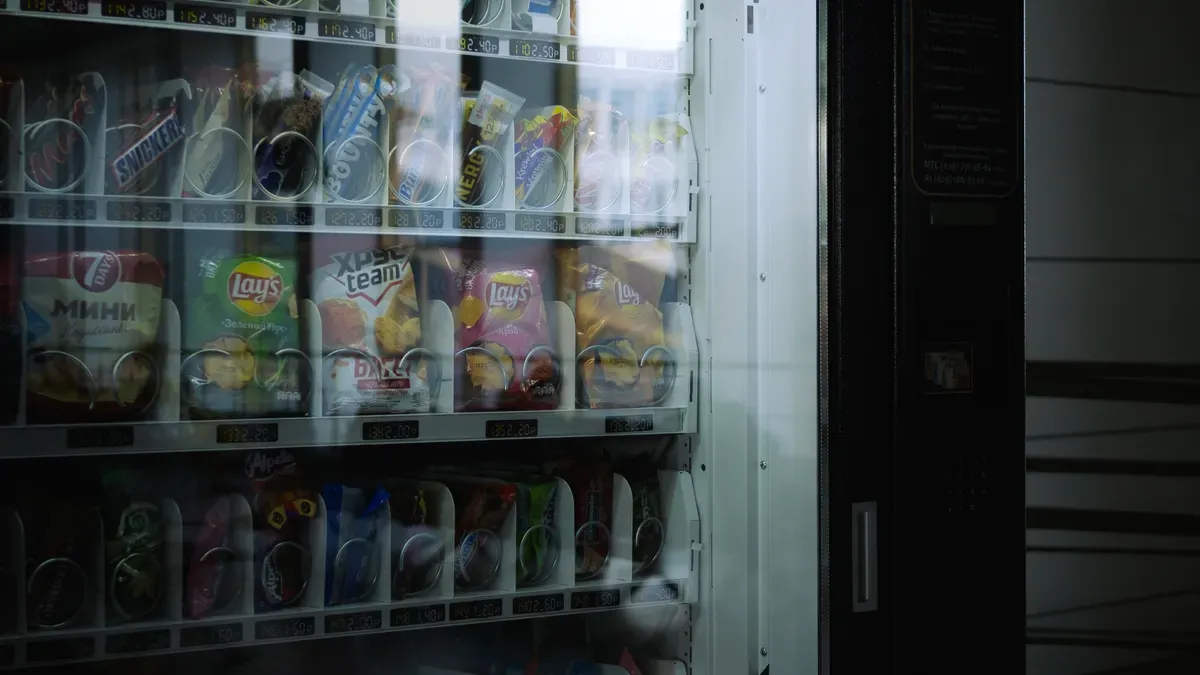
Imagine this: you hurry through a busy transit hub. You pick up coffee and a snack from an AI-powered store. You don't stop. You don't wait in line. You just walk out. How can AI retail for transit stations change your daily commute? AI retail gives you personalized, fast, and smooth shopping. This shopping experience saves time and increases revenue. It makes the whole commute better.
The change is real. Transit stations become smarter. You get convenience everywhere. Your train arrives on time. You board easily. The platform feels less crowded. Another train leaves behind you. Businesses benefit too. They run 24/7 with fewer workers. Problems exist, but fixes are practical. The future looks good for commuters and retailers alike.
Key Takeaways
AI-powered stores let you pick up items and leave, saving time and removing checkout lines.
Smart retail uses cameras and sensors to monitor purchases, allowing 24/7 service and lower labor costs.
Real-time data helps stores stock the right products, cutting waste and boosting sales.
AI retail helps all travelers by giving voice guidance and clear layouts in stations.
Start small with pilot projects and partner with tech providers to control costs and manage integration.
Current Transit Retail Landscape
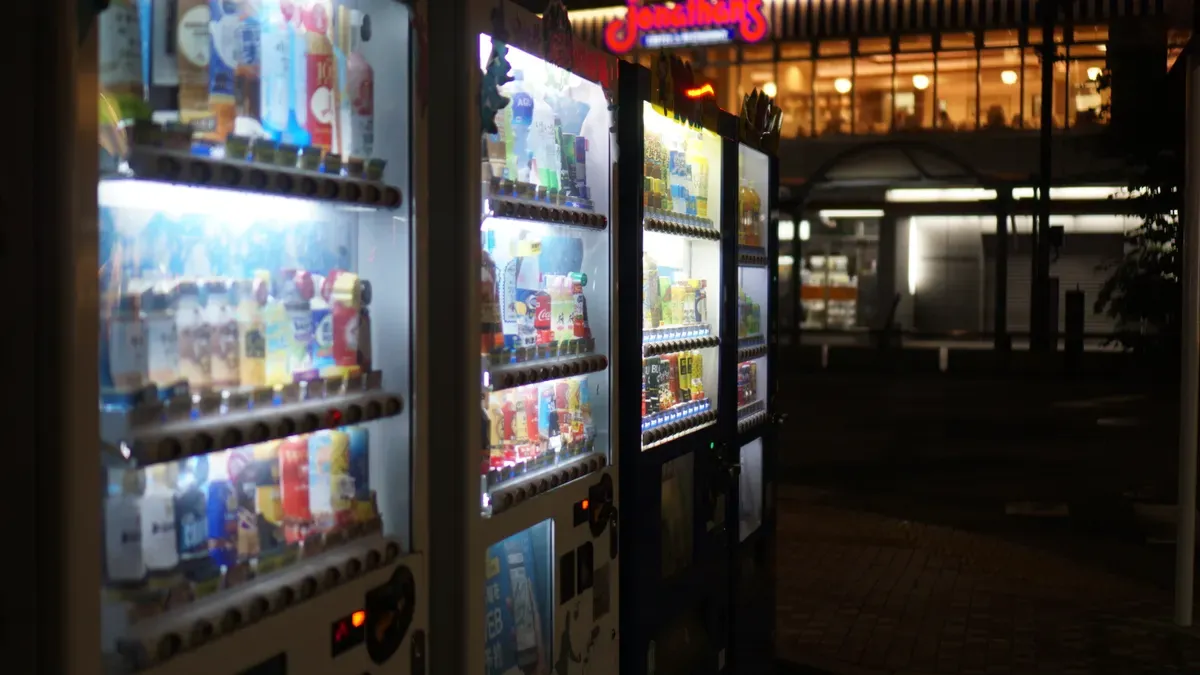
Walk through any major transit hub today. You see the same limited options: small kiosks, vending machines, and cramped shops. These traditional retail spaces operate with strict hours. Staffing costs eat into profits. Checkout lines create bottlenecks during rush periods. You lose precious minutes waiting to pay for a simple coffee or newspaper. The experience frustrates commuters and leaves money on the table.
Limitations of Traditional Kiosks
Traditional kiosks face several operational constraints. They require staff on-site, which limits hours of operation. Most close by late evening, even when trains run through the night. You cannot buy what you need during off-peak hours. Inventory management relies on guesswork. Staff must manually track stock levels and reorder supplies. This process leads to empty shelves or wasted perishable goods.
Checkout speed presents another major problem. Each transaction takes precious seconds. During peak commuting times, lines form quickly. You watch your train depart while waiting to pay. The payment process itself requires hardware, connectivity, and staff training. Any technical failure halts sales completely. These limitations create a poor experience for you and reduced revenue for operators.
Opportunities in High-Traffic Hubs
Transit hubs offer something retailers dream about: captive audiences with high foot traffic. Millions of passengers pass through major stations daily. These people need food, drinks, and essentials. They have limited time and few alternatives. This combination creates enormous untapped potential.
Consider the revenue possibilities. Each additional 10 million passengers at a high-traffic hub can generate approximately $340 million in annual retail revenue. This calculation assumes a 40% conversion rate and an $85 average transaction value. Hub operators typically achieve conversion rates between 35% and 55%. Average transaction values range from $55 to $140 depending on the region. Asia-Pacific markets see $55–$120 per transaction. European markets reach $70–$140.
Current retail models fail to capture this potential. Limited hours mean missed sales. Slow checkout processes drive customers away. Poor inventory planning leads to stockouts. You deserve better options at the station. Retailers need smarter systems to serve you effectively. The opportunity exists for those willing to innovate.
AI Retail for Transit Stations: Core Technologies
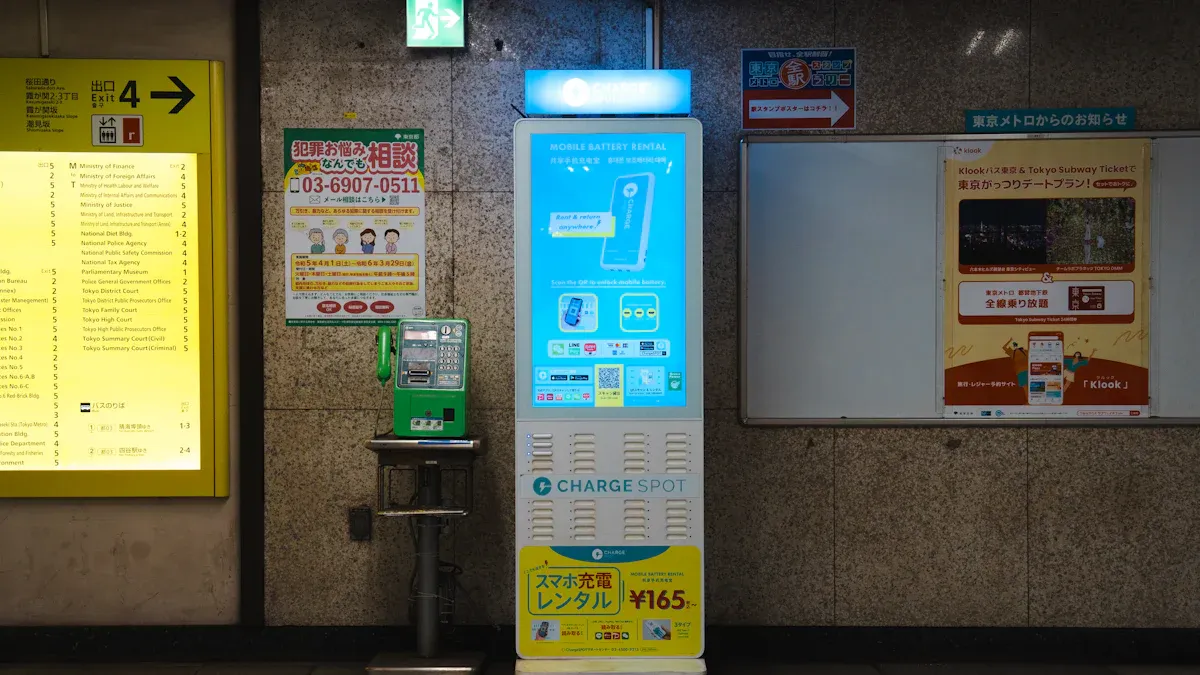
The magic behind AI-powered retail comes from smart systems that work together. These technologies make shopping easy and fast. You walk in, grab what you need, and walk out. No scanning. No waiting. No checkout lines. The system tracks everything automatically.
Computer Vision and Autonomous Checkout
Computer vision acts as the eyes of the smart store. Cameras placed around the store watch every shelf and product. They track your movements when you pick up items. They identify each product you choose. They also see when you put an item back. This technology removes the need for checkout counters entirely.
The system uses many camera angles to make a 3D map of the store. Advanced algorithms study this video data instantly. They see your hand when you reach for a product. They confirm the exact item you pick. They add it to your virtual cart on its own. When you leave the store, the system charges your account right away. Your receipt shows up on your phone before you get to the platform.
This checkout process cuts transaction time from minutes to seconds. You save time during tight connections. You never wait behind others. You never fumble with cash or cards. The whole experience feels easy. For transit stations, this speed is very important. Commuters need quick solutions, not more delays.
The technology also lowers costs to run the store. Retailers need fewer workers to handle sales. They can keep the store open 24/7 without hiring night staff. The system does everything on its own. This efficiency leads to better prices and more products for you.
Commuter Benefits
Convenience and Time-Saving
Time is most important during a daily commute. You have only minutes to catch a train, grab what you need, and get to your platform. Old-style stores make you choose between shopping and making your train. AI-powered stores take away that choice completely. You walk in, pick up items, and walk out. The system charges your account by itself. No lines form. No cashiers slow you down. You finish the whole purchase in seconds.
Think about a normal morning rush. You get to the station with eight minutes before your train leaves. You need coffee and a snack for the ride. A regular kiosk might take five minutes just for the buy. You could miss your train. An AI-powered store takes under thirty seconds. You grab your items and go straight to the platform. You board with time left over. This ease changes your whole trip.
The time you save adds up over your week. You save ten minutes each day. That adds up to nearly an hour every week. You use that time to relax, read, or get ready for work. The shopping experience becomes smooth and easy instead of stressful. You never again watch your train leave while you wait in line. You never leave a purchase behind because the line moves too slowly.
Accessible Train Stations for All Commuters
AI retail also makes train stations that everyone can use a reality. Traditional stores create problems for many travelers. People with trouble moving find narrow aisles and high shelves hard to use. Those with vision problems find it hard to read labels and prices. Older passengers often need extra time and help. AI-powered systems solve these problems directly.
For passengers who are blind, voice-guided tools give important help. The system says product names, prices, and locations through speakers or your phone. You find your way around the store with confidence, without help from someone who can see. The technology guides you to items you need. It tells you what you picked out loud. You finish your purchase on your own. This independence matters a lot for daily travel.
Passengers who are blind also get help from store layouts that stay the same. AI systems keep products in exact spots. Nothing moves without the system changing its data. You learn the layout once and find your way every time. Knowing what to expect lowers worry and makes you feel sure of yourself. You shop with the same ease as any other traveler.
For travelers with low vision, the benefits go beyond the store itself. AI-powered screens show departure info in big, easy-to-read text. You read train schedules without tiring your eyes. The system also gives spoken announcements about platform changes. You get instant updates about delays or gate changes. This info helps you plan your path well.
The system also helps you find the right platform. Interactive maps guide you through the station. Spoken directions tell you where to go for your train. You follow clear, simple instructions. The technology makes things less confusing in busy train stations. You find your way in new stations with confidence.
Older travelers and those new to the station layout also get big benefits. AI-powered help stations answer questions right away. You ask about train times, platform locations, or store items. The system answers in simple words. You get help that is just for you without waiting for staff. This support makes your whole trip feel more friendly.
The ease of AI retail is more than just speed. It creates a welcome place where everyone shops with dignity. You get the same quality of service no matter what your abilities are. The technology changes to fit what you need instead of making you change to fit it. This shopping experience is a big step forward in public transit.
Train stations that are easy to use help everyone, not just those with special needs. Parents with strollers move through bigger, less crowded spaces. Travelers with heavy bags move without things in the way. Everyone goes quicker and more safely through the station. The whole transit system works better when every passenger can shop and travel on their own.
Business and Operational Gains
Revenue Growth and Efficiency
You can see the money side clearly when you compare AI stores to old kiosks. A smart store runs all day and night without night workers. This 24/7 service catches sales from early and late travelers. European stations already use this model with AI vending machines that restock and pay on their own. These machines help customers any time, making money that regular shops miss.
The savings on workers are big. AI agents do boring tasks like checking stock, checkout, and basic help. This automation cuts retail labor costs by up to 40% in smart stores. Even old scheduling tools can lower labor costs by 15% within 30-60 days. Stores using AI for workers usually see labor costs drop 5-10% while service gets better. Keeping workers also improves by 15-25%, which cuts hiring and training costs. You can use these savings for better products and lower prices for commuters.
Data-Driven Inventory Management
Real-time sales data changes how you stock a transit station store. Every purchase updates the inventory system right away. You see which items sell fast in the morning rush and which ones stay. This info lets you change orders to match what people really buy. You cut waste from food that spoils and stop the problem of empty shelves when commuters need things most.
The system learns from buying trends at different times and days. You notice coffee sales go up before 8 AM, while cold drinks sell better in the afternoon heat. You adjust your stock to these patterns without effort. The smart store tracks each product's movement and tells you when to restock. You get alerts before items run out, not after. This active method keeps your shelves full and your customers happy. You also find new product ideas by looking at what commuters buy together. The data shows likes you might miss by watching yourself. Every choice gets smarter, every order more exact, and every shelf space more profitable.
Overcoming Implementation Hurdles
Privacy and Data Security
You might worry about sharing your data in an AI-powered store. Every camera tracks your movements. Every purchase links to your payment account. These concerns are valid. Clear rules and strong safety steps can fix these worries.
First, the store should be open with you. It should tell you what data it collects and why. Put signs at the entrance. Use simple words on your phone receipt. Don't hide details in tiny text. You should know your purchase history stays private and the system deletes video after a set time.
Strong encryption keeps your data safe when it moves and when it's stored. The system scrambles your payment details and personal info. Others can't read them. Regular safety checks confirm these protections. Your data stays safe as you go from the store to the platform.
The system removes your name from data before studying it. Your identity is separate from what you buy. The system learns what products sell well without knowing who bought them. This way, you get personal suggestions without giving up your private info.
Integration and Cost Management
Adding AI to old transit stations is hard. Old buildings have little space and old electrical systems. You can't set up a full smart store overnight. The start-up costs for cameras, sensors, and software seem high. But there are practical ways to handle these issues.
Start small. Put one or two AI retail units in one station. Test the tech. Get feedback. Learn what works before adding more. This spreads out costs and lowers risk. Each step builds on what you learned before.
Working with tech partners can lower costs. Many companies offer full packages with hardware, software, and upkeep. You pay a monthly fee instead of a huge one-time cost. The partner handles updates and fixes. You focus on helping commuters and growing your store at the station.
Think about the long-term gains. Lower staff costs, more sales, and 24/7 service quickly make up for the start-up costs. Your station becomes more useful to passengers and your business. The hard work of adding AI becomes a smart investment in your station's future.
Real-World AI Deployments
Global Examples in Transit Hubs
AI retail for transit stations is already in use today. VenHub Global runs a 24/7 self-service store at the LAX/Metro Transit Center in Los Angeles. This smart store helps travelers moving between flights and trains. You walk in, pick up your items, and leave. There are no checkout lines. The system tracks your purchases on its own and bills your account. The store stays open all the time. Early flights and late-night trains both get served.
European transit hubs show another example. AI-powered vending machines in stations across Germany, France, and the Netherlands work all day and night. These machines refill themselves using live inventory data. They take contactless payments and offer fresh food plus regular snacks. Commuters grab meals during tight connections without waiting. The machines learn what sells at certain times. Morning rush brings more coffee and pastries. Evening hours see higher demand for ready-made dinners.
Lessons Learned and Best Practices
These deployments teach useful lessons. Easy-to-use design matters most. The LAX smart store works well because customers get it right away. Clear signs explain the process. Simple payment setup happens before you enter. There are no confusing steps. You know exactly what to do from the start.
Strong technology is the second key. The European vending machines work reliably because they use tested parts. Cameras and sensors handle heavy traffic without mistakes. The systems keep accurate inventory counts even during busy times. Network connections stay steady. When tech fails, customers lose trust fast. Reliable systems build confidence.
Working together between transit groups and tech companies drives success. VenHub partnered directly with LAX Metro officials. They planned installation times and safety rules together. European stations worked with local vendors to learn commuter needs. This teamwork makes sure the retail fits the station's special setting. You get a smooth experience because both sides share information openly.
The proof is clear. AI retail for transit stations works in real places. Transit hubs around the world show the benefits. You can expect more stations to adopt these systems as proven models spread.
Future Trends in AI Retail
Predictive Analytics and Demand Forecasting
Predictive analytics helps your smart store do more than just react. The system looks at years of purchase data, weather patterns, and local event schedules. It learns that rainy days make umbrella sales go up by 40%. It sees that game days at the nearby stadium make snack purchases triple. You get stock delivered automatically before demand goes up. Empty shelves become rare. Fresh food waste drops a lot.
The system also predicts how many people will come. It knows which trains arrive at busy times. It expects the rush after a delayed train finally shows up. Your store gets extra coffee and sandwiches ready before the crowd arrives. You serve more customers in less time. The technology turns old data into future action. You stop guessing and start knowing.
This forecasting goes beyond just one store. Transit groups share ridership data without names with retailers. Together, they predict seasonal trends and special events. A music festival across town means extra water and snacks at your station. A holiday weekend means more travel-sized toiletries. The whole retail network responds to real demand. You waste less, sell more, and serve commuters better.
AI-Powered Support and Smart City Integration
Your smart store becomes part of a bigger connected network. AI-powered support systems link retail operations with station safety and navigation. Cameras spot a spill near the entrance. The system alerts cleaning staff right away. It also updates your store's floor plan to guide customers around the hazard. You move safely through the station without knowing about the problem.
The same network makes your travel better. Interactive kiosks use AI to answer questions about train schedules and platform changes. You ask about your connection. The system gives you real-time departure info. It also suggests a quick snack from the smart store while you wait. The retail experience fits smoothly into your trip.
Smart city integration connects your station to the wider urban area. Traffic data from city sensors predicts late buses. Your store changes hours to match. Emergency alerts reach passengers through station displays and your phone. The system helps manage crowd flow during disruptions. You get clear guidance to the right platform. Safety improves because information moves faster.
This integration creates one smooth commuting experience. Your train ticket, retail purchases, and station navigation all work through one system. You get personal offers based on your travel patterns. The station feels less like separate services and more like one smart environment. Innovation drives this change. Every part works together to serve you better.
AI retail for transit stations is not a distant concept. The transformation is real and happening now. Old limitations disappear. You gain time and convenience. Businesses earn more with less waste. This innovation makes every journey smarter.
The vision requires action. You need collaboration between transit authorities and tech providers. Together you build future-ready retail systems. The investment pays off through better service and higher revenue.
Your daily commute changes. You move through stations faster. You shop without stopping. The entire experience becomes more enjoyable. AI powers this change. The future of commuting starts today.
FAQ
How does the checkout process work in a smart store?
You walk in, pick up items, and walk out. Cameras watch what you take. The system bills your account. Your receipt shows up on your phone right away. You don't scan or wait.
What happens if the system makes a mistake?
The system uses many camera views to check each item. If a mistake happens, customer support looks at the video. You get a refund for any wrong charge. Most fixes happen within 24 hours.
Is my personal data safe in these stores?
Strong security keeps your payment info and history safe. The system removes your name before looking at what you buy. You decide what to share. Simple privacy rules tell you how the store uses your data.
Can people with disabilities use the smart store easily?
Yes. Voice tools say product names and where they are. The same layout every time helps you find your way. AI support answers questions about items and trains. The store is easy for everyone to use.
Will AI retail replace all traditional kiosks?
Not right away. Stations will add smart stores step by step. Old kiosks still work for some things. Both can be used together. ai retail for transit stations gives more choices, not fewer.
See Also
From Retail To Gathering Place: The PARC At Tysons Redefined
Round-The-Clock Automated Cafes: Where Convenience And Innovation Meet
Unconventional Vending Machine Placements: Expanding Beyond The Usual
Urban Corner Shops: Redefining Neighborhood Convenience In Cities
