AI Strategies for Smoother Passenger Flow During Rush Hours

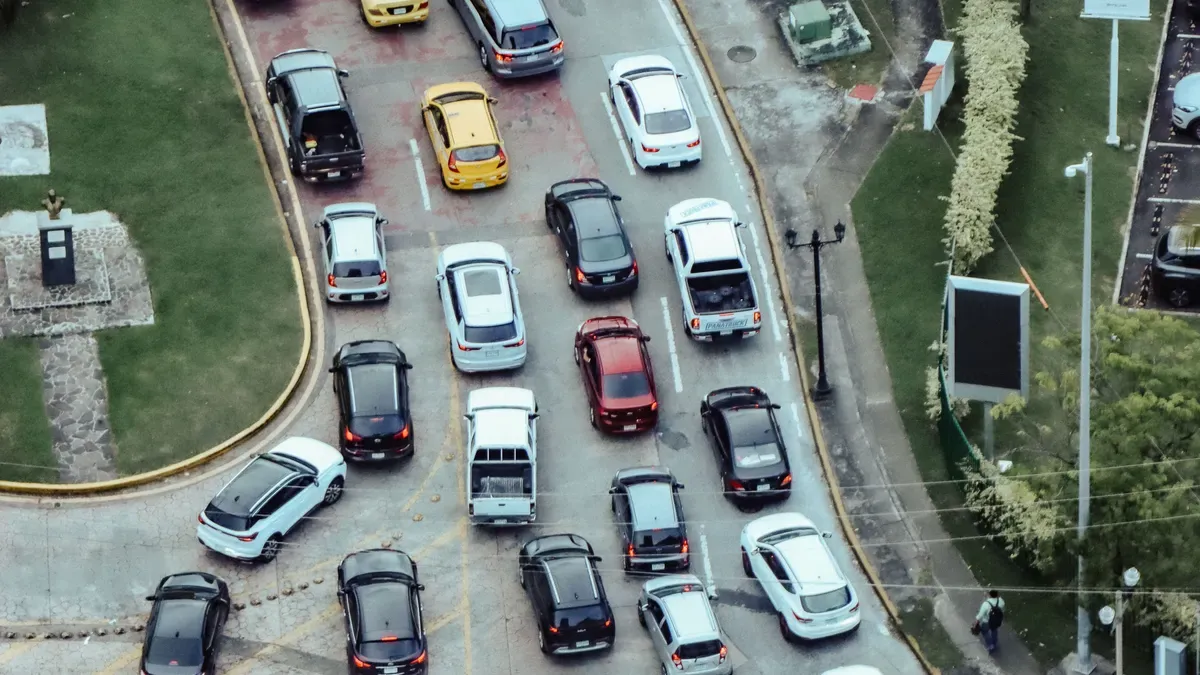
You know it gets hard when lots of people come to your store at once, especially during peak passenger flow. Handling many passengers at busy times can be stressful. AI helps make things easier for you. With artificial intelligence, you get smart tools. These tools watch lines, do some jobs for you, and help things move faster. Look at these real-life results:
Mobile checkout with AI can lower wait times by 68%.
Stores using AI for workforce management see a 29% increase in work time.
Organization | Impact | |
|---|---|---|
Amtrak | AI-powered virtual assistant | Handled over 5 million requests, raised self-service bookings by 25%, kept people happy during peak passenger flow. |
AI helps you do better, give a smooth experience, and stay ahead.
Key Takeaways
AI tools can make wait times much shorter. Mobile checkout can cut waits by 68%. Use these tools to make customers happier.
Real-time queue monitoring helps change staff and service right away. This can lower average wait times by 40%. Use AI to stop crowding before it starts.
Intelligent kiosks show how passengers move and help use resources better. This makes things run smoother and customers feel happier.
AI-driven demand forecasting helps plan staff better. It cuts down on scheduling problems and makes teams feel better. Use data to pick the right number of staff.
Personalized promotions with AI can help sell more and keep customers coming back. Make offers that fit what each person likes for a better shopping trip.
AI and Peak Passenger Flow Management
Real-Time Queue Monitoring
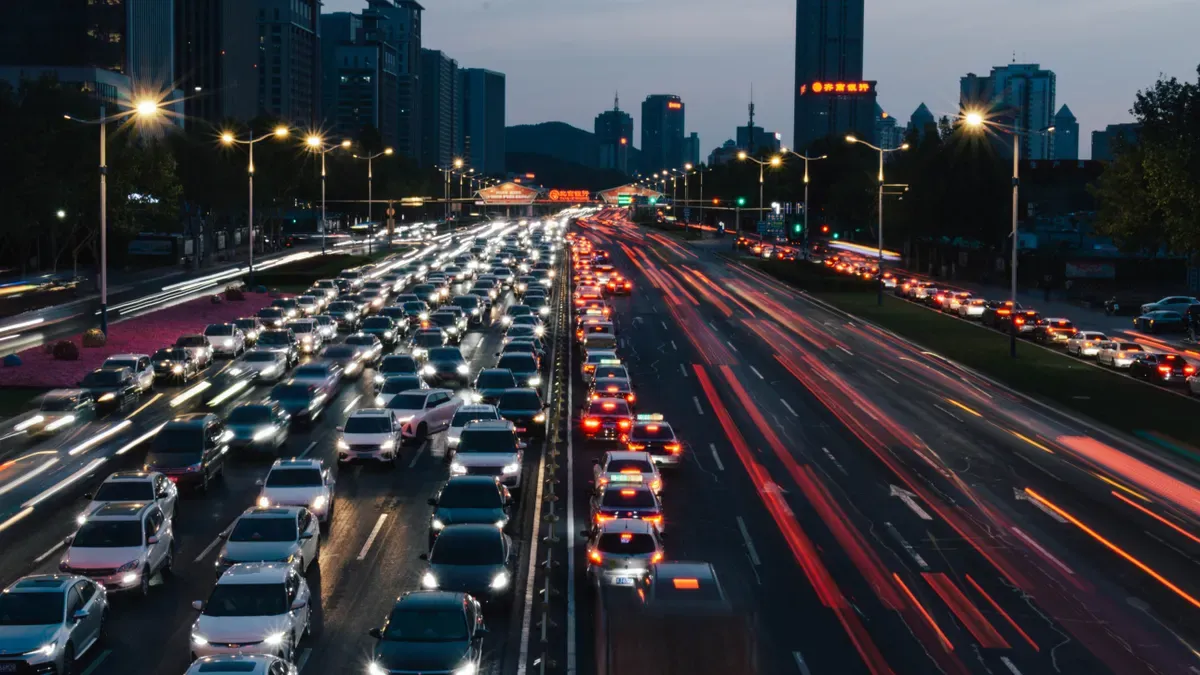
You know how stressful it gets when peak passenger flow hits your store. People line up, and you worry about long waits. AI steps in to help you manage these busy moments. With AI, you can see what’s happening in real time. You get tools that track how many people are waiting, how fast lines move, and when things start to get crowded.
Let’s look at some technologies that make real-time queue monitoring possible:
Technology | Description |
|---|---|
Gives you a live view of queue performance. You can track wait times and customer volumes as they happen. | |
Queue management systems | Shows you how long lines are and how fast service moves. You can act right away if things slow down. |
Digital signage | Tells customers about queue status and wait times. It guides them to the shortest line. |
AI-driven queue monitoring changes the game during rush hours. You can cut average wait times by 40%. Service gets faster, and customers feel happier. AI predicts when peak passenger flow will happen. It suggests staffing changes before lines get too long. You can make dynamic adjustments and assign lanes based on real-time data. AI even uses camera feeds to count people and spot crowding. When things get busy, you can send staff to help right away.
Here’s what you get with AI-powered queue management:
You see live updates and can react fast.
AI helps you prevent congestion before it starts.
Passengers get alerts and estimated wait times on their phones.
You improve service throughput by 25% in the first year.
Tip: Use AI to keep lines moving and make sure customers don’t wait too long. You’ll see happier faces and smoother operations.
Intelligent Kiosks for Flow Insights
Peak passenger flow doesn’t just happen at the checkout. It happens at kiosks and processing points, too. Intelligent kiosks use AI and predictive analytics to help you manage passenger flow. These kiosks track how people use them and spot busy times. You get insights about where bottlenecks form and how to fix them.
Here’s how intelligent kiosks help you:
They optimize resource allocation and reduce congestion.
You see real-time patterns of kiosk usage and peak-period crowding.
AI and video analytics help you manage queues and passenger traffic.
AI makes kiosks smarter. Computer vision lets kiosks recognize products fast. Self-checkout becomes quicker and more accurate. Natural language processing means customers can talk or type to the kiosk. This makes the process easier for everyone. AI gives instant help, so customers don’t get confused. You don’t need as much staff to step in.
You can also use AI to analyze customer behavior. Kiosks offer personalized product recommendations. This boosts cross-selling and upselling. You get more sales and happier customers.
AI automates key tasks and improves efficiency.
Self-checkout systems run smoother and faster.
Customers get instant help and don’t need to wait for staff.
Note: Intelligent kiosks powered by AI give you deep insights. You can spot problems early and keep passenger flow steady during busy times.
AI Demand Forecasting and Scheduling
Predicting Passenger Volume
You want to know how many people will visit your store when it gets busy. AI makes this simple for you. It looks at patterns in passenger flow. You can see how weekdays and holidays change visitor numbers. Commuter habits are important for forecasting demand. AI uses smart models, like LSTM, to check different times. This helps you get better predictions for both weekdays and holidays.
You can trust AI to give you good numbers. When you use AI for forecasting, you get accuracy rates from 80% to 95%. Old methods often make mistakes, with error rates from 25% to 50%. AI-driven forecasting lowers errors by 20% to 50%. You get better results and fewer surprises.
AI checks normal passenger flow and special events.
You see clear trends for airport management and hospitality.
Data-driven decision-making helps you plan ahead.
Tip: Use AI to spot busy times before they start. You can get your team ready and keep things running well.
Demand-Aligned Staff Scheduling
You know having enough staff is important during rush hours. AI helps you match staff to the number of passengers. It uses data to make the best schedule for your team. You do not have to guess anymore. AI-powered scheduling tools look at old data and change fast if needed.
Here’s what you get with AI-driven staff scheduling:
AI makes the best schedules by itself.
You can change staffing levels quickly when it gets busy.
Hospitality businesses have fewer scheduling problems and happier teams.
Jamba Juice saw a 20% drop in employees leaving. Team morale got better because AI fixed scheduling problems. You can see the same results in your store. AI makes sure you have enough people during busy times. You do not waste time or money.
Check out these real-world outcomes:
Company | Outcome Description | Time Saved/Hours Recovered |
|---|---|---|
Footers Catering | Cut scheduling time by 66%, so managers can do more important work. | |
Continental Services | Payroll processing time dropped by 90%, saving over 500 hours each year. | 500+ hours recovered/year |
Simply Fresh Events | Saved 6 hours every week from scheduling and payroll work. | 300+ hours recovered/year |
OTH Company | Grew operations across the country without losing control over scheduling. | N/A |
You can see how AI helps hospitality and airport teams save time. Staff scheduling gets easier. You get back hours and focus on what matters most.
Note: AI gives you the power to make smart staffing choices. You keep your team happy and your customers satisfied.
Enhancing Guest Experience with AI

Personalized Promotions and Service
You want every shopper to feel special. AI helps you do that. It studies what your customers like and gives them offers they actually want. For example, Sephora uses smart kiosks that suggest products based on each person’s skin type and past choices. This makes shopping easier and more fun for your guests. You can also use AI to make decisions for each store. A luxury shop in New York can focus on high-end items, while a rural store in Texas can highlight budget-friendly options. Even the weather can change what you promote. If it’s raining, you can show umbrellas and raincoats right at the entrance.
Here’s what happens when you use AI for personalized service:
Guests get recommendations that match their needs.
You see more sales because people find what they want faster.
Customers feel understood and come back more often.
Big brands see great results with this approach. Netflix keeps users loyal with smart suggestions. Starbucks saw a 15% jump in engagement and a 30% boost in marketing returns. Amazon gets 35% of its sales from these smart recommendations. When you use AI, you make the guest experience better and keep people coming back.
Reducing Wait Times
Nobody likes to wait in line. AI helps you fix that problem. You can use smart kiosks and mobile apps to speed up check-ins. Guests can scan their IDs or use their phones to get started right away. This means less time waiting and more time shopping or relaxing. AI also checks IDs and uses biometrics quickly, so everything moves faster.
When you cut down wait times, you see happier faces. Studies show that long waits can make 80% of customers unhappy. If you keep lines short, you improve customer experience and boost your scores. AI-driven tools help you match guests with the right staff or service fast. This keeps your operations smooth and your guests satisfied.
Tip: Use AI to make every visit quick and easy. You’ll see better reviews and more repeat business. Plus, your team can focus on service instead of crowd control. That’s a win for operational efficiency.
Optimizing Customer Experience through Store Analytics
Product Placement Insights
You want your store to be easy to shop. You also want to sell more during busy times. AI helps you see where people walk and what they look at. It shows which products get the most attention. Tools like Placer.ai track how many people visit and where they go. Heat maps from cameras show busy spots in your store. You can put popular or high-margin items in these places.
Here are ways AI helps you make good choices:
AI Method | What It Does |
|---|---|
Predictive analytics | Tells you which products will sell best and where to put them. |
Automated A/B testing | Tries different layouts and finds the best one fast. |
Dynamic placement tools | Moves products to better spots during busy times. |
Makes shelf layouts that look nice and stay full. | |
Machine learning | Learns from customer actions and sales to fix the layout. |
Clustering analysis | Groups products by sales and store features for better spots. |
Big stores like Target and Carrefour use these tools. They help manage stock and learn about shoppers. You can change your store layout fast to fit what people want. This makes shopping better and keeps shelves full.
Tip: Put your best products in busy areas. You will sell more and make shoppers happy.
Frictionless Shopping Journeys
Customers want shopping to be quick and easy. AI helps by linking inventory, customer info, and store work. You get updates on stock, so shelves do not go empty. RFID, computer vision, and IoT sensors track products and warn you when things run low.
Here are features that make shopping smooth:
Feature | How It Helps Customers |
|---|---|
Unified data platform | Puts all info together for a smooth trip. |
Real-time inventory visibility | Shows what is in stock right now. |
Agentic commerce | Lets AI do shopping tasks for people. |
Just-walk-out experience | Shoppers leave without stopping at checkout. |
Real-time updates | Keeps shelves full and things running well. |
AI checkout uses image recognition to make paying fast and cut lines. You can let customers just walk out, so they do not wait. This makes shopping better and helps your store run well. You spend less time fixing problems and more time helping people.
Note: Using AI for easy shopping makes every visit simple and fun. People come back because shopping is easy.
Future Trends in AI Retail Flow Management
IoT Integration for Data Collection
You see new technology changing stores all the time. IoT devices, like sensors and beacons, collect data right away about shoppers. This data helps you learn what customers want and how they walk around your store. You can use this information to make shopping easier and more fun for everyone.
Here’s a quick look at how IoT and AI work together:
Aspect | Description |
|---|---|
Data Collection | Sensors watch what customers do and what they like as they shop. |
Personalized Marketing | You can send deals based on what shoppers like and where they go in the store. |
Inventory Management | IoT helps you keep shelves full and stops you from running out of popular things. |
Challenges | You need to handle lots of data and make sure all devices work together. |
Opportunities | You can make a store that reacts to what customers need right away. |
IoT also helps you guess what customers will buy next. You can guide shoppers to the right products and show them special deals. This makes your store smarter and helps you react fast. You get better results and happier customers.
Tip: Use IoT and AI to connect your store. You will see more people interested and lose fewer sales.
Adaptive Machine Learning Models
You want your store to work well, even when it gets busy. Adaptive machine learning models help you manage passenger flow and keep things steady. These models use sensors to get real-time data about how people move. You can see where crowds start and change things right away.
Here’s how the process works:
Process Step | Description |
|---|---|
Data Capture | Sensors watch how people move and use space. |
Data Integration | Information from different places comes together in one spot. |
Prediction Model | AI guesses where crowds will form and when. |
Alert Mechanism | You get alerts if something changes fast, so you can act quickly. |
Operational Adjustments | You guide people and change staff based on what AI predicts. |
Stores like Auchan use these models to fix problems faster. They made response times 40% better and kept more money by solving issues quickly. You can use these models to make security better, spot strange activity, and protect your customers. Security gets stronger with real-time watching and finding problems fast. You build trust and keep shoppers safe.
Note: Adaptive machine learning models help you stay ahead. You can make security better, manage crowds, and keep your store running well.
Trend Description | Impact |
|---|---|
AI shopping assistants help customers and give personal tips. | Customers feel more interested and enjoy shopping. |
Real-time forecasting and inventory tools stop losses. | You save money and keep shelves full. |
Dynamic pricing changes prices using real-time data. | Your store stays competitive and reacts to changes. |
AI makes security better with fraud checks and real-time watching. | Transactions stay safe and customers trust your store. |
AI helps the planet by making logistics better and cutting waste. | Your store supports green goals. |
Security is very important now. You can use AI to make security better and protect your store from fraud. Customers trust you when they know their shopping is safe.
You can make your store work better when it gets busy. Here are some smart ways to help:
Strategy | Description |
|---|---|
Predictive Analytics | Looks at old data to guess crowd size and plan ahead. |
Real-Time Monitoring | Watches people move to stop crowding early. |
Automated Queue Management | Makes check-ins faster and cuts down waiting. |
Resource Optimization | Changes staff and resources using live info and booking numbers. |
AI helps you connect with every customer and keep them happy. You can use chatbots, recommendation engines, and smart dashboards to make service better and sell more. Keep learning new things with mobile microlearning or field coaching. Try these easy steps to begin:
Watch performance as it happens.
Study how customers act in your store.
Check how your team is doing.
Use predictive analytics to spot trends.
Keep looking for new AI tools and ideas. You will see your store run smoother and shoppers will be happier.
FAQ
How does AI help reduce wait times in my store?
AI tracks lines and predicts busy times. You get alerts when things slow down. You can move staff or open new lanes fast. Customers spend less time waiting and feel happier.
Is it hard to set up AI tools for passenger flow?
You do not need to worry. Many AI tools are plug-and-play. You can connect them to your current systems. Most vendors offer training and support. You start seeing results quickly.
Can AI work with my existing cameras and sensors?
Yes! Most AI solutions use your current cameras and sensors. You do not need to buy new hardware. The software analyzes the data and gives you insights right away.
Will AI replace my staff?
No, AI will not replace your team. It helps your staff work smarter. You can focus on service and problem-solving. AI handles routine tasks and gives you more time for customers.
See Also
Boosting Office Productivity Through Innovative Vending Machines
Identifying and Resolving Cash Issues at Self-Checkout Stations
Enhancing Customer Experience with Cloudpick's Efficient Checkout Systems
Advantages of AI-Driven Combo Vending Machines in Retail
Understanding Walgreens Self-Checkout: Benefits and Obstacles
