AI Innovations Transforming the Brick and Mortar Retail Experience

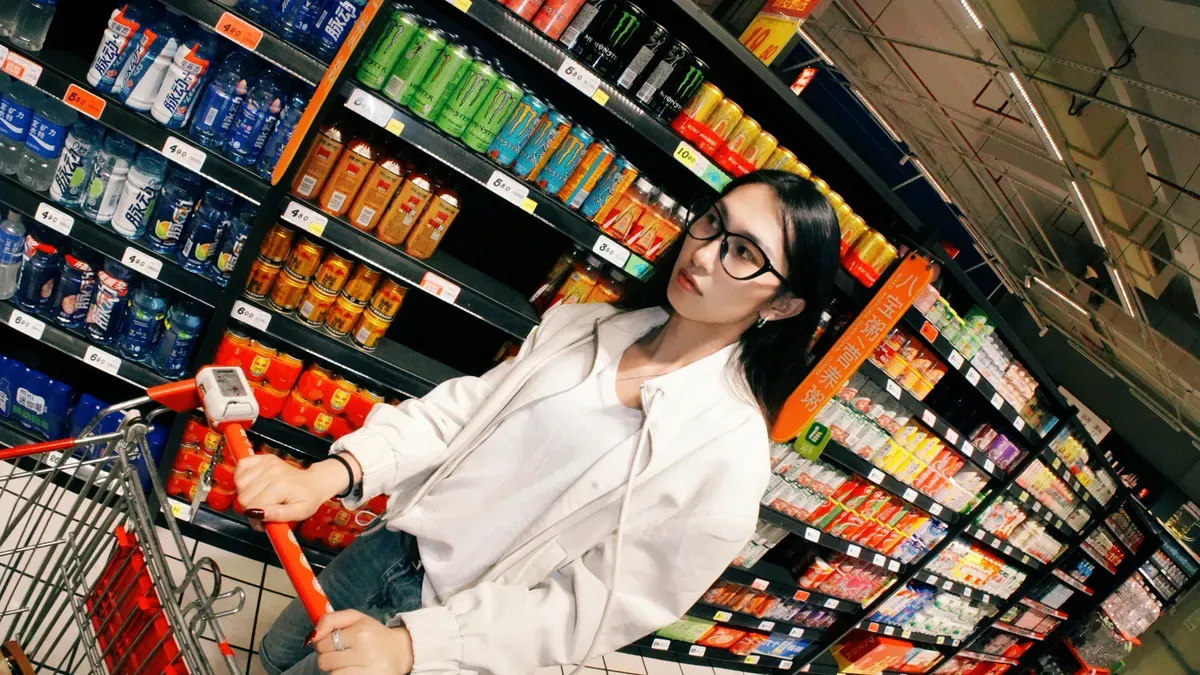
AI trends are rapidly transforming brick-and-mortar retail. Stores are transitioning from outdated methods to new AI-powered technology. Currently, 90% of retailers are utilizing AI technology, and 71% of organizations are adopting generative AI. This significant shift in AI trends enhances planogram compliance by up to 25% and reduces out-of-stocks by 20%. Brick-and-mortar retailers must embrace these AI trends to remain competitive. AI technology aids in predictive inventory management and improves customer experiences in real time, leading to greater efficiency for stores. The table below illustrates how AI trends are making a difference in brick-and-mortar retail:
Aspect | AI-Enabled Retailers | Traditional Retailers |
|---|---|---|
Inventory Management | Predicts demand with over 90% accuracy | Reactive adjustments |
Customer Service | Proactively addresses issues in real-time | Responds after complaints |
Operational Efficiency | Higher due to predictive operations | Lower due to traditional methods |
AI trends are reshaping brick-and-mortar retail and enhancing your in-store experience.
Key Takeaways
AI technology helps stores stay ahead and make shopping better for customers. AI makes shopping feel special for each person. This makes customers happier and helps stores sell more. AI helps stores keep track of products better. This means less waste and popular items are always in stock. AI checkout systems make paying faster and easier for shoppers. Stores should use AI tools in smart ways to work better and meet what customers want.
AI Trends Shaping Brick-and-Mortar Retail
Defining AI in Physical Stores
AI trends are changing how stores work every day. In stores, AI is not just robots or cool machines. Experts say AI uses smart tools that look at data to help you make good choices. These tools check what people buy, how they shop, and when they come in. With this info, you can guess what shoppers want and when they want it.
AI helps make shopping feel special for each person. For example, stores use AI to suggest items based on what customers bought before. AI also helps keep shelves full by guessing which products will run out soon. This lets stores react fast to changes, so customers find what they need.
AI trends help stores run better. Stores use AI to plan openings, manage workers, and set prices. These tools turn stores from places that fix problems after they happen into places that stop problems before they start. This gives shoppers a better visit and keeps stores ahead of others.
Market Growth and Adoption
AI trends are not just ideas for later. They are happening now in stores. The smart retail market is growing quickly. Here are some facts:
The smart retail market will be US$ 482.3 billion by 2033.
In 2026, it will be US$ 104.0 billion.
The market grows by 24.5% each year.
More stores are using AI to get better. This shows that AI is needed in retail, not just something extra.
Some countries are leading in using AI in stores. The table below shows which places are making big changes:
Country/Region | Market Share in 2024 | Key Contributions |
|---|---|---|
Israel | Over 15% | AI innovation hub, strong startup ecosystem, collaboration between academia and industry |
Turkey | Around 12% | Growing e-commerce sector, investment in digital transformation, government support for AI initiatives |
You can learn from these leaders by seeing how they use AI to fix real store problems. For example, they use AI analytics to study how customers act and what is popular. This helps stores pick the right products and make plans to keep shoppers coming back.
AI trends also bring new ways to make shopping more fun. Tools like computer vision and augmented reality let stores make cool displays and interactive features. These tools help stores stand out and give people a reason to visit instead of shopping online.
Personalization in Brick-and-Mortar Stores
AI Product Recommendations
When you walk into a modern store, you notice ai changes shopping. Stores use ai to check what you buy and how you shop. This helps them give you product suggestions that fit you. These suggestions match what you like and need. Getting the right product at the right time makes you feel special.
ai technology checks your shopping history.
You get suggestions that fit your style and habits.
Personalized product recommendations make you want to buy more.
"ai-powered tools make shopping easy and personal. They help stores connect with customers and build loyalty. Personalized suggestions and better service help you decide what to buy. This leads to more sales and bigger baskets."
You enjoy shopping more when you see products picked for you. This makes your visit simple and fun.
Generative AI for Custom Experiences
Generative ai brings new ways to make shopping special. You can try on clothes in a virtual fitting room. You can see how makeup looks on your face with augmented reality. Stores like Sephora use ai to let you try makeup with their app. Adidas lets you design your own sweater in some pop-up shops. Starbucks uses ai to suggest drinks you might like.
These tools help store teams give you experiences made for you. You get to see and try things before you buy. This makes your shopping trip unique and exciting. Generative ai also helps staff check inventory fast. You find what you want without waiting. This makes shopping better and keeps you coming back.
Targeted Marketing and Customer Retention
ai helps stores keep you happy and coming back. With ai, stores send you special offers and messages that match your likes. This is called personalisation. You feel valued when you get deals made just for you. Stores use ai to track what you like and when you shop.
Here is how ai-driven personalisation helps:
Statistic | Description |
|---|---|
68% | Customers leave when they feel unappreciated. |
56% | Shoppers return after personalized experiences. |
71% | People expect personalized service. |
60% | Personalization affects what you buy. |
60-70% | Selling to current customers works better than finding new ones. |
Most businesses use ai for personalisation. This keeps you interested and makes you want to shop again. ai makes sure you get great customer experiences every time you visit.
Operational Efficiency with AI
Inventory and Demand Forecasting
You can use ai to fix big inventory problems. Many stores have too much or too little stock. This wastes money and makes customers upset. Ai tracks inventory and makes it more accurate. You see what is on your shelves right away.
Ai helps you keep popular products in stock.
It stops you from buying too much and wasting space.
Ai handles data so you make smarter choices.
Stores using ai get up to 48% better inventory results. Ai forecasting tools use smart math and real-time info. They spot patterns people might miss. This helps you guess what customers want and make fewer mistakes. You can react quickly when shoppers change their minds.
Automated Checkout Systems
Long lines at checkout can ruin shopping. Many shoppers leave if they see a big wait. About 47% of people will not wait more than four minutes. Ai checkout systems scan items fast and let customers pay without a cashier.
Tip: Quick checkout makes shoppers happy and brings them back.
Ai checkout cuts wait times and makes customers glad. You lose fewer sales because people stay. Automated systems help you serve more shoppers in less time.
Store Opening and Workforce Optimization
Ai helps you run your store better every day. It checks things like worker schedules, skills, and weather. This helps you plan the right number of staff for each shift. Ai matches worker needs with store needs, making schedules fair and helping work-life balance.
Ai guesses busy times so you schedule enough workers.
It lowers overtime and saves about 12% on labor costs.
You keep shelves full and customers happy with enough help.
Ai helps you make smart choices about staff and store work. This gives better service and makes your store run well.
Computer Vision and In-Store Analytics
Real-Time Inventory Monitoring
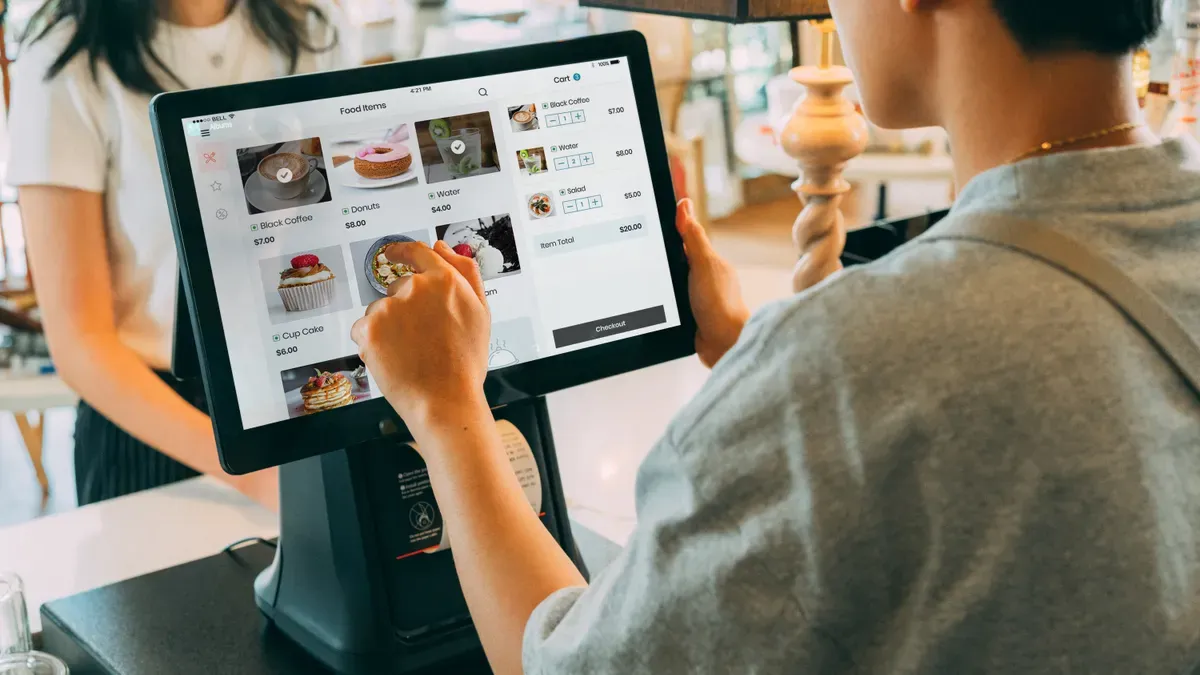
AI helps you watch your store shelves all the time. Computer vision tools look at shelves and find empty spots fast. You do not need to check shelves by hand as much. You get alerts when items are gone, so you can restock quickly. AI checks inventory in every store you own. You see where products are missing or if numbers are wrong. This helps you make smart choices and keeps your store running well.
Automatic tracking shows where items are low.
AI cuts down manual updates and helps you act fast.
Planogram Compliance and Pricing
AI helps you follow your store’s planogram, which is a map for where products go. You can use AI to try different shelf setups and see which works best. AI tools make heat maps to show where customers spend time. You learn which displays get their attention. AI helps you set prices by looking at what your competitors charge, how much stock you have, and how busy your store is.
Input Type | Description |
|---|---|
Competitor pricing | AI checks competitor prices to change pricing plans quickly. |
On-hand inventory | Real-time inventory data helps you make pricing choices fast. |
Store traffic patterns | Knowing how customers move helps you set up shelves and prices. |
Historical promotional response | Past data helps you plan prices and sales for the future. |
Tip: AI lets you test shelf setups, track how customers move, and see how long shoppers look at displays. You can also count how many people buy after browsing.
Customer Demographics Insights
AI-powered analytics help you learn about your shoppers. You can find out the age and gender of people who visit your store. This helps you pick the right products and plan better sales. When you know your customers, you can make your store friendlier and sell more.
Insight Type | Description |
|---|---|
Age Breakdown | |
Gender Breakdown | Gives details about the gender of shoppers. |
AI gives you a clear view of who shops in your store. You can use this info to make better displays and offer products that fit your shoppers’ needs.
Enhancing Engagement in Brick-and-Mortar
Augmented Reality Experiences
You can use augmented reality, or AR, to make shopping more exciting. When you walk into a store, AR powered by ai can show you new ways to try products. For example, you can use your phone or a smart mirror to see how clothes look on you without changing. This makes shopping faster and more fun.
AR with ai gives you personal and quick suggestions. You see products that match your style right away.
You can try on shoes, glasses, or makeup with virtual try-ons. This helps you feel sure about what you buy.
AR makes the store more interesting. Young shoppers like these cool features, so more people come in to see what is new.
You get a better shopping trip because ai and AR work together. You find what you want, and you enjoy your time in the store. These tools help stores boost customer engagement and make you want to visit again.
Voice and Conversational AI
You can talk to ai helpers in many stores now. These helpers answer your questions and make shopping easier. You do not need to search for a worker. You just ask the ai, and you get help right away.
Use Case | Description |
|---|---|
Personalized Shopping | You get product ideas based on what you like and bought before. |
Order and Returns Management | Chatbots help you return items or check orders without waiting in line. |
Inventory and Product Availability | You can ask if a product is in stock or save it for later. |
In-Store Assistance | Virtual assistants give you answers and tips at kiosks or screens. |
Appointment Scheduling | You can book a fitting or service with just your voice. |
Voice and conversational ai make your visit smooth. You get answers fast, and you do not waste time. These tools help you find products, manage returns, and plan your shopping. Stores use ai to give you better service and keep you happy.
Benefits for Customers and Teams
Convenience and Personalization
Shopping should be simple and feel special. AI helps you find products, coupons, and reviews fast. You can scan a QR code to get info right away. AI looks at what you do and what you search for. This helps it give you ideas that fit your habits. Stores use their own data to know what you want, so your privacy is safe.
You can try things with AR, like using a virtual fitting room.
Personalized shopping makes your trip more fun.
QR codes help you find deals quickly.
Benefit | Description |
|---|---|
Increased customer engagement | AI shows you deals that matter, so you feel connected. |
Higher conversion rates | Suggestions made for you make you want to buy. |
Improved customer loyalty | You come back because the store remembers what you like. |
Enhanced customer experience | AI helps you at the right time, making shopping better. |
Increased average order value | You find new things that match your needs. |
Higher repeat purchase rate | You return because you trust the store to know you. |
Streamlined Operations
AI helps stores work better for everyone. You see products in stock when you need them. AI guesses what people will buy, so shelves stay full. This means you find what you want and stores waste less. AI also makes checkout fast, so you do not wait long. Some stores use sensors and tracking to make shopping easy.
AI helps with supply chains and delivery routes.
Automated systems save money and help stores earn more.
Inventory is correct, so you get what you need.
Benefit | Description |
|---|---|
Improved operational efficiency | AI keeps shelves full and stops lost sales. |
Lower costs, increased profits | Stores save money and make more with automation. |
Boosted productivity | Teams help customers instead of doing boring jobs. |
Empowered Store Staff
AI gives workers tools to help you better. When staff have good training and info, they fix problems fast. Almost 80% of shoppers say knowledge and speed are important. If you get great service, you will want to come back. Staff who feel strong make choices quickly and keep shoppers happy.
Staff use AI to answer questions and solve problems right away.
Training helps workers stay smart and enjoy their jobs.
Happy teams give better service, so customers return.
Note: 92% of shoppers stay loyal after good service. When staff feel strong, everyone wins.
Data-Driven Decisions in Retail
Leveraging Customer Insights
You can use ai to help your store make better choices. Ai looks at lots of data fast. It finds patterns in what people buy and like. With ai, you can guess what customers want before they ask. This helps you plan ahead and stay on top.
Ai checks big amounts of data and gives you good ideas.
Machine learning spots trends in how shoppers act.
Predictive analytics helps you know what people will want soon.
You can use data from different places to make your store better. The table below shows how each kind of data helps:
Source of Data | Application in Retail |
|---|---|
Online transactions | Shows what customers like and how they shop. |
In-store purchases | Helps you make loyalty programs and special deals. |
Mobile interactions | Lets you send offers and messages right away. |
Social media and reviews | Tells you what people think about your store. |
IoT and smart devices | Watches inventory so you keep shelves full. |
Ai can help you with other jobs too:
Forecast demand so shelves are not empty.
Find items that sell well together.
Spot fraud by seeing strange activity.
Check if customers are happy with your products.
When you use ai for these jobs, your store works better and shoppers are happier.
Balancing Personalization and Privacy
You want to make shopping feel special, but you must protect privacy. Ai lets you give deals and suggestions, but you need to follow rules like GDPR and CCPA. These rules say how to use customer data.
To build trust, you should:
Explain how you use data.
Use tools that hide personal details when you can.
Tip: When you respect privacy, shoppers feel safe and come back.
Ai helps you give shoppers what they want and keep their info safe. This balance keeps your store trusted and successful.
The Future of Brick-and-Mortar Retail with AI
Emerging Trends to Watch
You will see many new changes in stores as ai grows. Generative ai will shape how you shop and how stores work. You might walk into a store and see digital shelves that change based on what you like. Generative ai can create new product displays in real time. You may use your phone to get instant help from ai assistants. These helpers will answer questions and show you where to find products.
Generative ai will help stores design custom ads for you. You will get offers that match your style and needs. Stores will use generative ai to make shopping more fun. You might try on clothes with virtual mirrors powered by generative ai. You could see how furniture looks in your home before you buy it. Generative ai will help stores plan better and keep shelves full. You will notice fewer empty spots and more of what you want.
Generative ai will also help store teams. Workers will use generative ai to learn new skills and solve problems fast. You will get better service because staff have the right tools. Generative ai will keep changing how you shop and how stores run.
Actionable Steps for Retailers
You can get ready for the future by taking smart steps with ai and generative ai. Here is a plan you can follow:
Start by finding your biggest problem. Use ai and generative ai to fix the area where you lose the most money.
Invest in tools that help you collect data every time someone visits your store. Generative ai works best when you have good data.
Pick platforms that turn ai insights into real actions. Generative ai should help you manage tasks and see results.
Combine technology with well-trained staff. Generative ai gives you answers, but people need to use them.
Track your progress. Use key numbers to see how ai and generative ai improve your business.
Tip: When you use generative ai with a clear plan, you will see better results in your store.
Generative ai will keep growing. If you start now, you will stay ahead in brick-and-mortar retail.
You see ai changing brick-and-mortar retail in many ways. Early adopters use ai to improve logistics, boost security, and give you a personal shopping experience. When you use ai, you help your staff focus on important tasks and make your store more efficient.
ai lets you offer personalized service and faster checkouts.
You can use ai to manage inventory and keep shelves full.
ai helps you follow new trends and stay ahead of your competition.
If you want your store to grow, you should start using ai now. The future will bring even more ways for ai to help you succeed.
FAQ
What is AI in retail stores?
AI in retail stores means you use smart computer tools to help with tasks. These tools can suggest products, track inventory, and answer questions. You get a faster and more personal shopping experience.
How does AI help you as a shopper?
AI helps you find products, get special deals, and check out quickly. You see items picked for you. You spend less time waiting in line.
Is your data safe when stores use AI?
Stores use rules like GDPR and CCPA to protect your data. You can choose what you share. AI tools often hide your personal details to keep you safe.
Will AI take jobs from store workers?
AI helps workers do their jobs better. You see staff helping customers instead of doing boring tasks. AI lets teams focus on service and problem-solving.
Can small stores use AI too?
Store Size | Can Use AI? | Example Use |
|---|---|---|
Small | ✅ | Inventory tracking |
Medium | ✅ | Personalized deals |
Large | ✅ | Automated checkout |
You can use AI in any store, big or small.
See Also
The Future of Retail Lies in AI-Driven Stores
Smart Technology in Vending Machines is Changing Retail Forever
Essential Insights for Retailers on AI-Enhanced Corner Stores
