Soaring Past Long Lines — How Frictionless Checkout Redefines Airport Retail

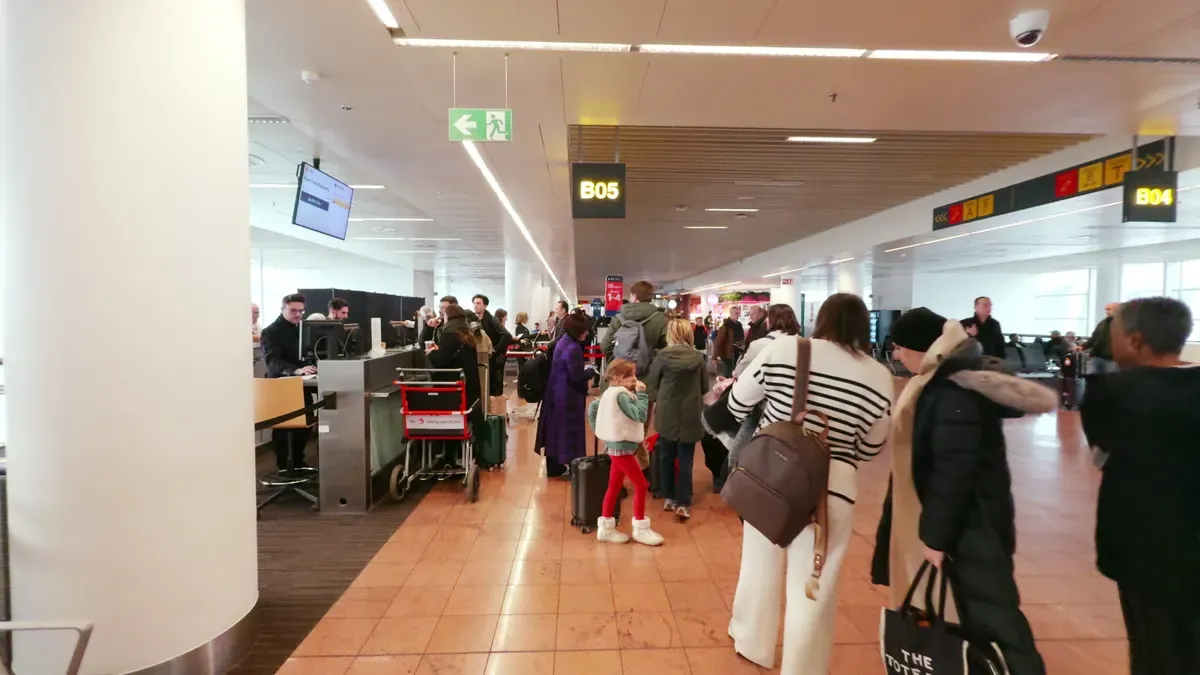
You are already picturing yourself on the plane, but you still need a snack and a quick gift. The terminal clock ticks loudly. Every minute spent waiting in line takes time from your day and the store's sales. Time at the airport is short; long lines are the problem.
Frictionless checkout fixes this. AI-powered cameras and sensors see what you pick up. You walk out, and the system charges your card automatically. No line. No waiting.
This tech changes airport shopping. It makes the passenger experience better with frictionless checkout – a scenario where success depends on speed. Shoppers buy more when they trust the process. Airports that use automatic checkout get an advantage over others. The airport becomes a place where you want to stay, not hurry. The idea is simple: grab, go, and board with time left over.
Key Takeaways
Frictionless checkout uses AI cameras and sensors to let you pick up items and leave, removing checkout lines and saving you time.
Long waits directly cut airport spending; each minute saved from lines means more sales and a better trip for passengers.
Autonomous systems use sensor fusion and live queue tracking to keep stores accurate and free of crowding, even when travel is busiest.
Airports that use this technology spend less on workers, lose fewer items from their stores, and let people shop any time, day or night. This helps them earn more money and keeps travelers happier.
Privacy and cost worries can be handled with clear data rules, on-device AI processing, and staff training, making the switch to self-checkout a wise investment.
Airport Retail’s High Cost of Waiting Times
The Slow Checkout Bottleneck
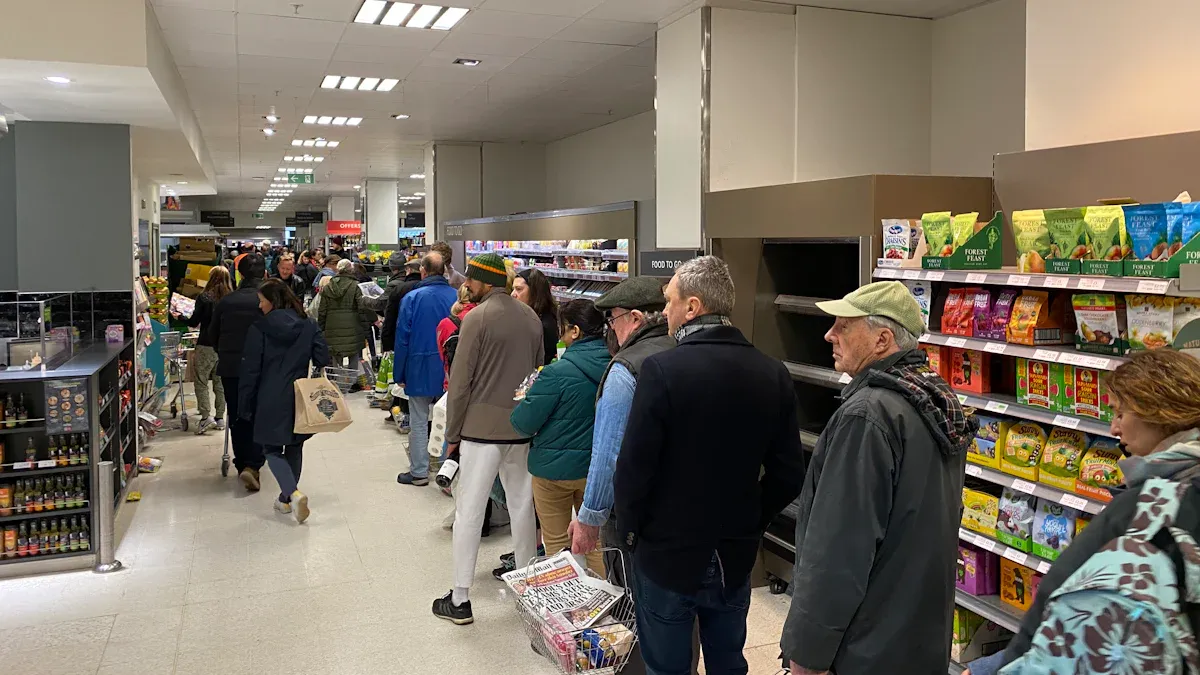
You stand in a duty-free shop with minutes before boarding. The person ahead of you has questions about tax forms. The cashier must verify age, scan a passport, and process excise paperwork. Every step adds seconds to the transaction. Those seconds compound quickly during peak travel hours.
Several factors create these slow checkout counters. Hardware performance matters first. Point-of-sale systems need enough processor speed and memory to handle large product databases. When the hardware lags, every transaction crawls. Network issues create another problem. Duty-free operations depend on stable connectivity for inventory, payments, and reporting. A temporary infrastructure failure can shut down retail completely. Compliance complexity adds yet another layer. Customs rules, excise handling, labeling requirements, and supplier documentation force staff to manage multiple controls at the point of sale. These steps create administrative lead times that slow the entire process.
Licensing, excise, and product compliance complexity increases operating friction and delays expansion across jurisdictions and channels. Duty-free operators must navigate overlapping controls involving customs rules, excise handling, labeling requirements, age verification, and supplier documentation. These compliance steps create administrative lead times and can restrict category availability, such as restricted alcohol packaging requirements or tobacco compliance constraints. This friction directly contributes to slower checkout processes as staff must manage these complex requirements at the point of sale.
Working-capital intensity also limits what stores can stock. Front-loaded purchasing and timed replenishment restrict assortment depth. Shoppers find fewer options, which weakens conversion and creates operational bottlenecks.
The Hidden Revenue Impact
Long lines at checkout counters cost more than patience. They cost real money. Industry surveys show that an extra 10 minutes spent in a security queue reduces a passenger's retail spending by 30 percent. That statistic reveals a direct relationship between waiting times and revenue.
Think about what that means for airport retail. A traveler who waits longer spends less. The same principle applies to checkout queues. When you wait at the register, you abandon items. You skip the extra purchase you considered. You rush toward your gate instead of browsing more.
The inverse holds true as well. When passengers save time from shorter queues, they spend more money in other areas of the airport. Faster security lines lead to more shopping. Faster checkout leads to more purchases. The math is simple: time saved equals revenue gained.
Airports that ignore this connection leave money on the table. Retail and concession spaces depend on dwell time. Every minute a passenger spends waiting is a minute stolen from potential sales. Self-checkout options help, but they only address part of the problem. The real solution requires eliminating the queue entirely. Airports that recognize this pattern can act. Those that do not will watch passengers walk past their stores with wallets closed and boarding passes in hand. The choice is clear: reduce waiting times or accept reduced spending.
How Autonomous Systems Work in Airport Retail
AI, Sensors, and Computer Vision
Autonomous systems use several technologies together. Barcode scanners read product labels. Computer vision identifies items through cameras. Sensors detect weight changes on shelves. AI processes all this data to figure out what you take. These parts automate the whole transaction process. You pick up items and walk out. The system charges your account automatically.
Two main ways exist for tracking shoppers. The first way uses cameras only. AiFi uses ceiling-mounted AI cameras that create anonymous avatars. These digital body shapes use key-point tracking to follow your movement. The cameras recognize products you take and add them to your virtual cart. No shelf sensors are needed. Key-point technology identifies specific products you touch or remove.
The second way combines cameras with shelf sensors. Trigo and Amazon use this method. Weight sensors on shelves detect when a product leaves its spot. Cameras provide visual proof of which item you picked. This double check ensures accuracy. The weight change confirms removal. The camera identifies the exact product.
Approach | Shopper Tracking | Product Detection | Distinguishing Mechanism |
|---|---|---|---|
AiFi (Camera-only) | Ceiling-mounted AI cameras create anonymous avatars using key-point tracking | Cameras recognize products taken and added to virtual cart; no shelf sensors | Avatars track shopper movement; key-point technology identifies specific products touched/removed |
Trigo / Amazon (Cameras + Shelf Sensors) | AI-powered computer vision tracks customers via anonymous avatars | Weight sensors on shelves detect product removal; cameras provide visual confirmation | Double verification: weight change confirms removal, cameras identify which product was taken |
Amazon describes its checkout-free system as using cameras, shelf sensors and machine learning together to determine product interactions. Its newer system analyzes multiple sensor inputs simultaneously rather than relying only on sequential observations. This approach is often called sensor fusion.
Sensor fusion combines physical evidence with visual data for reliable identification. A shelf contains ten snack packets with known expected combined weight. You remove one packet. The shelf detects a weight change. Cameras determine which shopper interacted with the shelf. Product recognition determines the likely SKU. The system combines both observations to update your virtual cart.
Modern AI models handle tough conditions well. Previous sequential models struggled with unusual scenarios like poor lighting or nearby shoppers blocking camera views. New multi-modal foundation models analyze all sensor data at once. They use transformer-based machine learning and continuous self-learning. These models quickly determine the actual items you take even when a freezer door fogs up or another customer reaches for the same product.
From Self-Service Kiosks to Walk-Out Stores
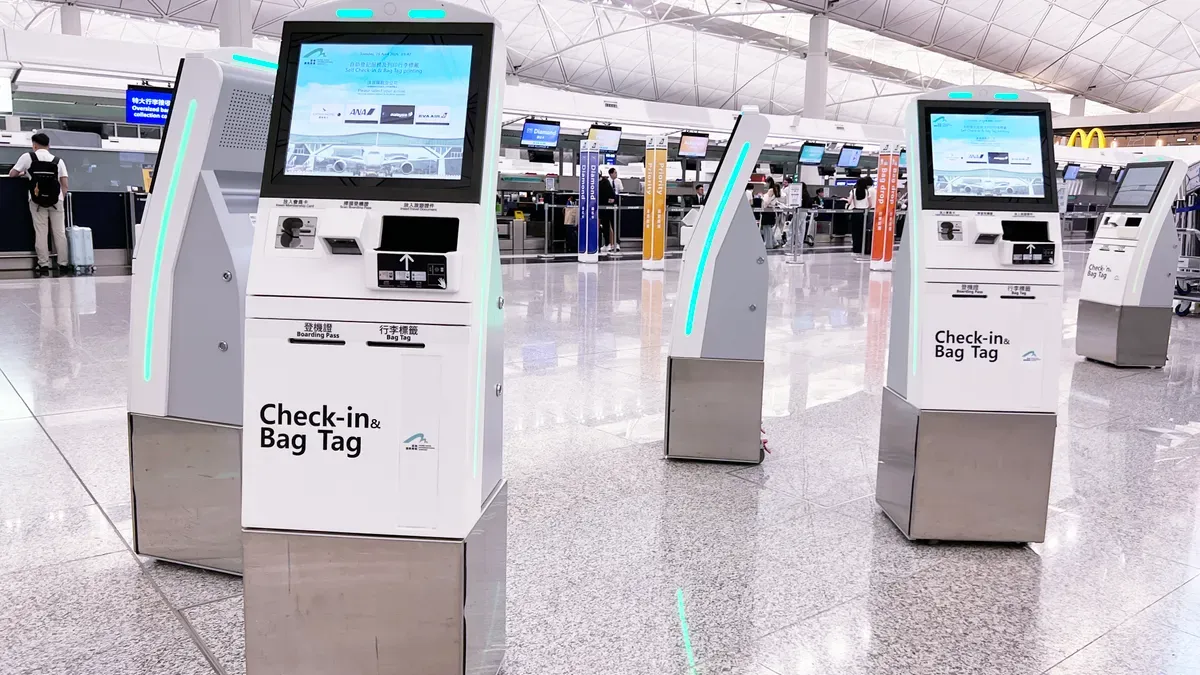
Self-checkout kiosks have made self-directed checkout common over the past decade. Airports adopted these systems in retail concessions where passenger throughput and limited dwell time favor self-service formats. You scan items, pay at an embedded terminal, and leave. These kiosks accept contactless payments, mobile wallets, and cards.
The hardware includes touchscreen displays, fixed and handheld barcode scanners, weighing platforms, bagging areas, integrated payment terminals, cameras for produce recognition, and receipt printers. Software systems handle POS integration, loss prevention analytics, remote monitoring, and customer interface personalization.
Deployment requires careful planning. Unmanned Self-Checkout System hardware must integrate with backend POS software and AI modules. Upfront costs can reach several hundred thousand dollars for large deployments. Systems must comply with PCI DSS and local data protection regulations. Secure card-data handling and customer identity verification are mandatory.
Integration complexity presents challenges. Aligning new systems with legacy infrastructure requires dedicated IT projects. Fragmented technology standards create compatibility issues with existing POS and inventory management systems.
The evolution continues toward fully walk-out stores. These autonomous checkouts eliminate queues entirely. You grab items and exit while AI handles payment in the background. This contactless shopping experience represents the next step in airport retail evolution. Airports that embrace this technology position themselves as leaders in passenger convenience.
How Autonomous Systems Minimize Waiting Times
Real-Time Queue Management
You arrive at a busy terminal. Crowds gather near the retail area. Autonomous systems spot this buildup before you even see it. These tools watch passenger flow all the time. They help staff react to congestion early. This smart approach keeps lines short and movement easy.
Several technologies work together to manage queues in real time:
Camera-based AI systems track where passengers are and watch occupancy at terminals, gates, and security areas. When crowds build up, alerts go off so staff can move and queues can shift.
LiDAR systems offer 3D tracking of passengers. They show queue lengths, wait times, and occupancy data. This info helps staff plan ahead and use resources well.
Multi-sensor monitoring pulls together data from cameras, radar, LiDAR, and thermal sensors. It finds possible congestion spots faster, so staff can act before bottlenecks form.
Real-time congestion alerts catch early signs of crowd buildup. They help staff make quick choices to guide passengers and keep things running before delays get worse.
These tools make your experience better. Staff know where issues will happen. They head to those spots before lines grow. You wait less and shop more. This way of managing queues changes how airports handle busy times.
Checkout-Free Convenience
Queue management cuts wait times. Checkout-free stores remove them completely. You grab items and walk out. The system tracks what you pick and charges your account on its own. No scanning. No payment screen. No line.
This touch-free shopping changes the airport retail space. You move through the store at your own speed. You look around without pressure. You leave when you're ready. The payment happens behind the scenes. This makes transactions faster than any old checkout method.
Autonomous checkouts also adjust to demand. During peak hours, airports can turn on extra self-checkout stations as needed. This adds capacity right when it's required. You never face a closed register or a short-staffed counter. The system grows with passenger flow.
The perks go beyond your experience. Retailers see quicker sales and higher turnover. Staff focus on helping customers instead of handling payments. This leads to faster, safer, and more efficient transactions for everyone.
Self-checkout systems have gotten travelers ready for this change. You already scan items at kiosks in many airports. Walk-out stores feel like the obvious next step. The tech feels familiar because the idea is simple: take what you want and leave.
Autonomous systems cut wait times in two ways. First, they watch and manage queues before they get long. Second, they remove the queue entirely in checkout-free stores. Both methods give you more time. You use that time to explore products or head to your gate with less stress.
Airports that use these systems lower wait times a lot. Passengers move through retail spaces faster. They buy more because they have time to look around. The airport becomes a smoother place to travel. Long lines turn into a distant memory instead of a daily annoyance.
The move toward autonomous checkouts keeps growing across the industry. Each new setup proves the tech works. Each success pushes more airports to invest. You gain from this competition because every upgrade makes your trip easier.
The Commercial Scenario
Improving Passenger Experience with Frictionless Checkout
Passenger satisfaction surveys show a clear trend. Terminals with smart micromarkets earn better feedback, online reviews, and repeat visits. Traditional stores can't match these results. You see the difference right away when you enter a checkout-free store. You tap your card or scan a QR code, pick up your items, and leave. The whole process takes about thirty seconds. No scanning each product. No waiting for a cashier. No dealing with cash.
This fast and easy shopping experience shapes how you remember the airport. Travelers recall terminals that made shopping simple. They tell friends about their good experiences. They come back to those airports on later trips. The sense of value goes beyond the store itself. You feel better about the whole trip when retail feels smooth.
Evidence Point | Frictionless Checkout (Smart Micromarkets) | Standard Checkout (Traditional Retail) |
|---|---|---|
Passenger satisfaction | Scores improve in terminals with smart micromarkets, as shown in passenger surveys, online reviews, and repeat traffic | No comparable improvement cited; traditional concessions fail to match these scores |
Transaction speed | ~30 seconds (tap card/QR, grab items, walk away; no scanning) | Slower; requires manual scanning of every item, cash-heavy payment, and staffed lines |
Operational impact | Reduced congestion, faster service, 24/7 availability, contactless transactions | Limited to staffed shifts, lines form at checkout, cash-heavy processes |
Passenger perception | Travelers remember terminals that made shopping easy; improved overall value perception | Inflated airport premiums and slower checkout negatively affect experience |
Lower Operating Costs and Smarter Operations
Automatic checkouts let your staff skip payment tasks. They can help travelers find products, answer questions, and restock shelves. This change improves service without adding workers. You cut labor costs while giving customers more attention.
AI-powered tracking reduces inventory loss. The system watches every item from shelf to exit. You know exactly what leaves the store and when. This visibility cuts theft and misplaced items. Retailers see tighter control over all product types.
The business case becomes strong. You give passengers more time to shop instead of wait. They browse longer because no line pushes them. They buy extra items they would normally skip. Your revenue per passenger rises while costs stay the same.
Airport retail gains from this efficiency. Store operators put saved money into better products. They stay open longer without extra staff costs. The 24/7 availability of smart micromarkets catches sales during overnight layovers. Contactless shopping lowers cash handling costs and security risks. Airports that use automatic checkouts become modern travel hubs. Passengers see the difference. They pick airports that value their time. The edge grows with every happy traveler.
Overcoming Barriers to Autonomous Adoption
Privacy and Security Concerns
You might worry about cameras watching your every move. Airports must follow strict rules to protect your data. The GDPR in Europe and the CCPA in California set clear guidelines. These laws require organizations to tell you what data they collect. They also give you rights to access, correct, or delete your personal information.
Airports can address these concerns through thoughtful design:
Clear notices inform you about data usage before you enter the store.
Data minimization means systems collect only what is necessary for security.
Edge AI processing keeps video data on local devices instead of central servers.
Ethical facial recognition requires consent and offers alternatives for non-participants.
These practices reduce breach risks and protect passenger privacy. You shop with confidence when you know your information stays safe. The checkout process remains smooth without compromising your rights.
Cost, Reliability, and Staff Transition
The upfront investment for autonomous checkouts can feel steep. Hardware, software integration, and staff training add up quickly. Yet the long-term savings often outweigh these initial costs. You reduce labor expenses because fewer cashiers are needed. You lower inventory loss through AI-powered tracking. You gain 24/7 operation without overtime pay.
Reliability concerns also surface. What happens when a sensor fails or a camera loses connection? Modern autonomous systems include redundancy. Multiple sensors cross-check each other. If one camera fails, another confirms the transaction. This layered approach keeps the system accurate even under stress.
Staff transition presents another challenge. Your employees may fear losing their jobs. The reality differs. Self-checkout systems free workers from repetitive payment tasks. They move to customer service roles instead. They help you find products, answer questions, and manage shelves. This shift improves the retail experience for everyone.
Airports that plan this transition carefully see better results. They train staff early. They communicate openly about new roles. They turn anxiety into opportunity. The result is a workforce that supports the technology rather than resists it.
The barriers exist, but they are not insurmountable. Privacy protections build trust. Cost savings justify investment. Staff adapt to meaningful work. Airports that address these concerns lead the industry. Those that hesitate will watch competitors define the future of airport retail.
You walk into the store, grab your snack, and pause only briefly. The system tracks your items. Payment happens in the background. You exit with time to spare. This seamless shopping experience transforms airport retail.
Autonomous checkouts are no longer just a convenience feature. They represent the new competitive standard. Passengers expect speed. Airports that deliver it earn loyalty. Those that hesitate will face a faster rival with smoother checkout.
The improving passenger experience with frictionless checkout – scenario [commercial] proves the value. Every minute saved becomes revenue gained. Every smooth transaction builds trust. The modern airport depends on this speed.
Concessionaires that invest now define the future. The choice is clear. Act today or watch competitors soar past.
FAQ
How does the system know what I picked up?
Cameras and shelf sensors work together. The cameras follow you as an anonymous avatar. The shelf sensors notice weight changes when you take an item. The system uses both signals to know exactly what you grabbed. You don't have to do anything extra.
What happens if the system makes a mistake?
Modern systems use sensor fusion to stay accurate. Multiple cameras and sensors check each other. If one sensor fails, another confirms the transaction. The system fixes itself quickly. You get a receipt on your phone, so you can check every charge.
Is my privacy protected in a checkout-free store?
Yes. The systems use anonymous avatars, not facial recognition. Video data stays on local devices through edge AI processing. Airports follow GDPR and CCPA rules. You see clear notices about data collection before you enter. Your personal information stays secure.
Do airports actually save money with this technology?
Yes. Autonomous checkouts cut labor costs because fewer cashiers are needed. AI-powered tracking reduces inventory loss from theft. Stores run 24/7 without overtime pay. The savings cover the initial investment over time. This improving passenger experience with frictionless checkout – scenario [commercial] proves the value.
Will self-checkout kiosks disappear?
No. Self-checkout systems still help many travelers. They work well for smaller purchases and quick transactions. Walk-out stores handle higher volumes. Airports use both options based on store size and passenger flow. The technology evolves, but the kiosks stay useful.
See Also
The Changing Journey Of Self-Service Checkout Systems
Cloudpick Delivers Frictionless Checkout Ease For Your Shop
Walgreens Self-Service Kiosks: Retail Benefits And Hurdles
Walmart's Self-Checkout Availability: Upcoming 2025 Alterations
Cloudpick's Terminals Boost Speed, Access, And Shopper Satisfaction
