How autonomous stores reduce queues and waiting time in Airports & transportation hubs.

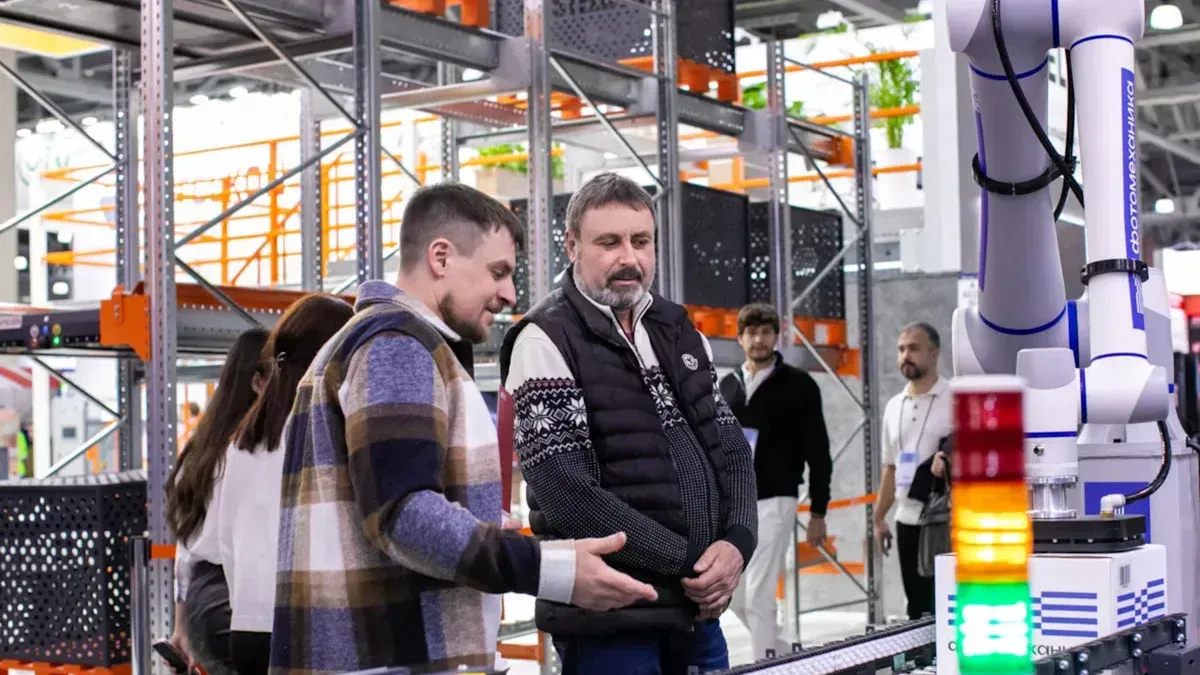
You see autonomous stores changing how you shop in airports and transportation hubs. These stores use cashierless checkout and AI queue management to help you avoid long lines. Cameras and analytics track crowd levels and send mobile notifications so you can join virtual lanes at the right time. This technology makes transactions faster and improves your experience.
Mechanism | Impact on Waiting Times |
|---|---|
Better Queue Management | Reduces wait times and supports commercial revenue. |
Enhanced Customer Experience | Lowers stress and improves passenger satisfaction. |
Predictive Mobile Notifications | Minimizes wait times and alerts passengers. |
AI-Driven Staffing | Allocates resources during peak times. |
Use of Analytics | Manages congestion and plans for peak travel. |
Key Takeaways
Autonomous stores use cashierless checkout, allowing you to grab items and leave without waiting in line, making shopping faster.
AI queue management predicts busy times and adjusts staff resources, helping to reduce congestion and improve your shopping experience.
Real-time monitoring systems track passenger movement, enabling quick adjustments to keep queues short and enhance efficiency.
24/7 accessibility of autonomous stores means you can shop anytime, meeting your needs and reducing wait times during peak travel.
Data insights from autonomous stores help airports understand customer behavior, leading to improved services and a better overall experience.
Autonomous Stores Technology
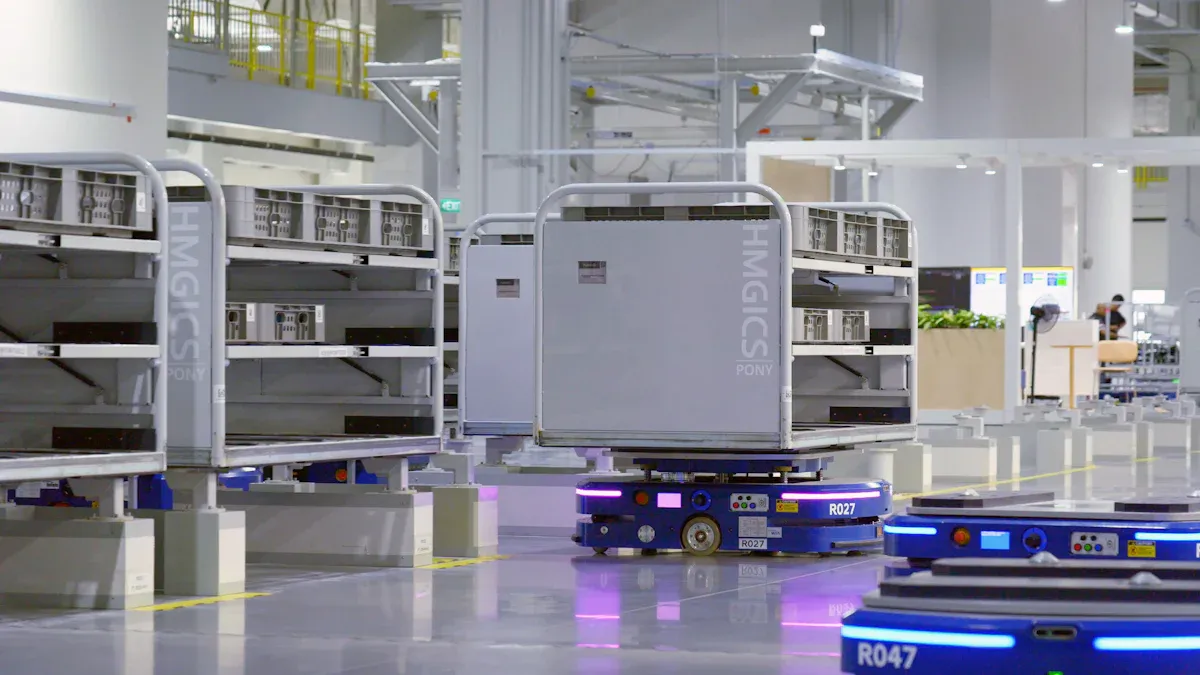
Autonomous stores in airports use advanced systems to make shopping easier and faster. You see these stores rely on several key technologies that help reduce queues and improve efficiency. These technologies include cashierless checkout, AI queue management, and real-time monitoring.
Cashierless Checkout
You experience cashierless checkout when you enter autonomous checkout stores. These stores use computer vision and AI to track what you pick up. You do not need to wait in line or scan items. You simply grab what you need and leave. This process is called just walk out technology. Your credit card links to your unique profile, so payment happens automatically.
Autonomous checkout stores let you shop without traditional checkout lines. This is important in busy airports.
Pilot programs show a 30% increase in sales for autonomous checkout stores compared to regular stores.
You spend less time waiting. Self-checkout systems at Eurostar terminals in London and Paris have shortened queue times.
You feel less stress because you can quickly buy essentials and move on.
Data from autonomous checkout stores helps retailers understand what travelers want.
AI Queue Management
AI queue management uses real-time data to keep passenger flow smooth in airport retail. Cameras and sensors measure queue lengths and crowd density. Heat maps show where bottlenecks happen. Occupancy detection sends alerts when areas get too crowded. AI models look at flight schedules and past patterns to predict busy times.
AI queue management helps airports open extra lanes or redirect travelers before congestion builds up. You see staff adjust quickly to changing conditions.
Feature | Description |
|---|---|
Video Analytics | Measures queue lengths, crowd density, and dwell times in real-time. |
Heat Maps | Identifies bottlenecks in passenger flow. |
Occupancy Detection | Sends alerts for congestion thresholds to manage passenger flow. |
Deployment Models | Supports edge computing, server-based setups, and hybrid cloud for flexible analytics across terminals. |
Airports use dynamic lane allocation to adjust the number of open lanes based on real-time passenger flow. Automated queue monitoring uses cameras to estimate queue lengths and wait times. Segmentation helps manage different passenger types, like families or premium travelers, to improve throughput.
Real-Time Monitoring
Real-time monitoring systems use cameras and sensors to track passenger movement. You benefit from instant updates that help staff make quick changes. These systems predict crowd formations and manage queues before problems start. Automated queue monitoring tracks wait times and helps manage customer flow during peak periods.
Real-time monitoring gives analytics that predict crowd formations.
Instant updates allow for quick operational adjustments.
Staff receive alerts about bottlenecks before they become issues.
Automated queue monitoring tracks wait times and manages flow during busy times.
Description | |
|---|---|
Sensors | Enhance operational capabilities through improved data collection and analysis. |
Autonomous Control Systems | Offer superior functionality and efficiency for automated processes. |
Communication Systems | Facilitate seamless interaction between devices, essential for safety and efficiency in airports. |
Power Supply Systems | Provide necessary energy solutions for operations. |
You see privacy and data security as important parts of real-time monitoring. Stores must follow data protection laws. Video footage is used only for its intended purpose and stored securely. Regulations like GDPR require transparency, balancing security with passenger rights.
Autonomous stores use these technologies to make shopping seamless. You spend less time in queues and enjoy a smoother airport experience. These autonomous systems help airports run more efficiently and keep travelers happy.
Airport Passenger Experience
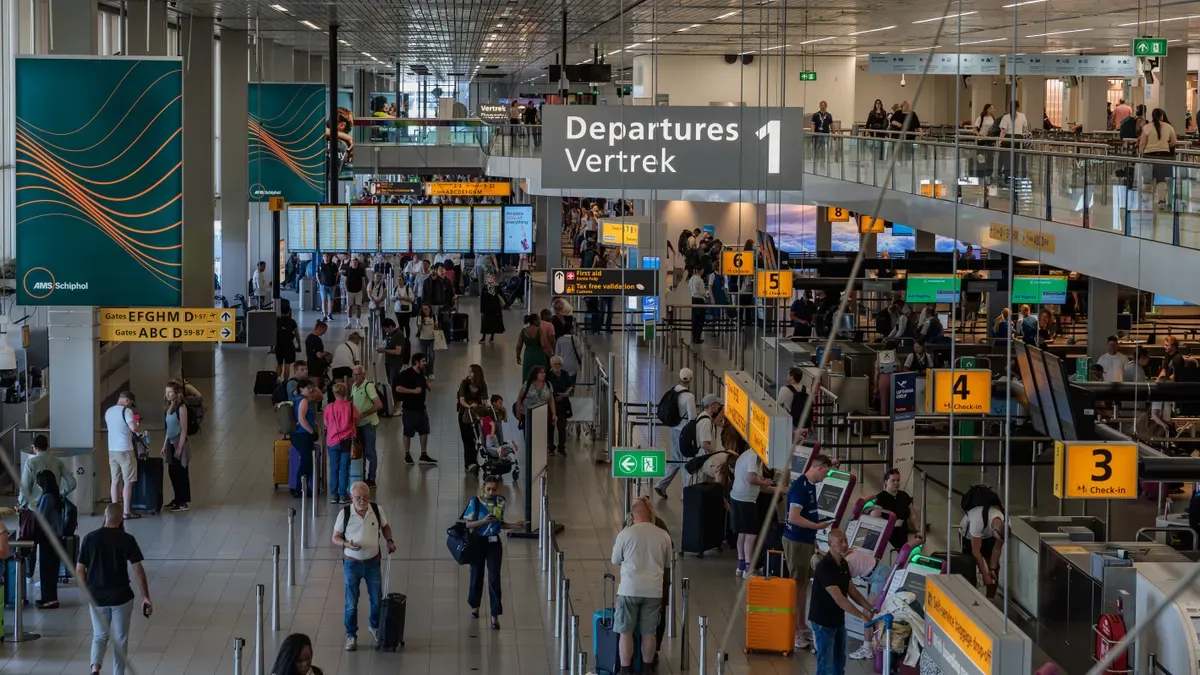
Faster Transactions
You notice that autonomous checkout stores make shopping much faster in airports. When you use cashierless systems, you skip long lines and grab what you need. You pay automatically, so you do not wait for a cashier. This process gives you quick transactions and improves your customer experience. You feel less stress and enjoy shopping more. Autonomous stores help you move through airport retail areas quickly, which keeps queues short and supports efficiency.
Benefit | Impact on Transactions |
|---|---|
Reduced wait times | Passengers can quickly grab items without long lines. |
Increased transaction efficiency | Faster payment processes enhance overall shopping experience. |
Less stress leads to happier travelers, encouraging repeat visits. |
You see that self-checkout systems and autonomous checkout stores let you buy snacks, drinks, or travel essentials in seconds. Airports use these systems to help passengers save time and avoid congestion.
24/7 Accessibility
Autonomous stores operate all day and night. You can shop whenever you want, even if your flight is early or late. AI and smart inventory systems keep shelves stocked and ready for travelers. Self-service kiosks in busy areas give you a seamless shopping experience. You do not worry about store hours or staff breaks. This accessibility meets your needs and reduces queues during peak travel times.
Autonomous stores operate 24/7, allowing travelers to shop anytime.
The use of AI improves the shopping experience by learning from real-time buying behavior.
Reduced wait times help passengers move quickly through airports.
Evidence Description | Impact on Passenger Experience |
|---|---|
24/7 accessibility through technology and design features | Enhances passenger experience by meeting traveler needs at all hours |
AI and smart inventory systems allow continuous operation | Reduces wait times and supports efficient shopping |
Self-service kiosks in high-traffic areas | Provides seamless shopping experience for passengers |
Reduced Staff Dependency
You benefit from autonomous checkout stores because they need fewer staff. You do not rely on employees to scan items or handle payments. This change helps airports manage busy periods and keeps airport retail running smoothly. You see fewer delays caused by staff shortages. Autonomous stores use technology to handle transactions and monitor inventory. You get consistent service, and airports reduce costs.
You experience a smoother airport passenger experience because technology manages queues and transactions. This improvement lowers congestion and increases satisfaction for travelers.
You see that autonomous stores help airports avoid problems caused by equipment failures. When escalators or scanners break, queues grow and passenger flow slows down. Autonomous checkout stores keep shopping efficient and reduce lost revenue. You move through the airport faster and enjoy a better customer experience.
Operational Benefits for Airports
Efficiency and Cost Savings
You see airports gain many benefits when they use autonomous checkout stores. These stores use cashierless technology and just walk out technology to speed up transactions and reduce queues. You help airports save money because they need fewer staff and can run stores with less overhead. When you use self-checkout systems, you help airports improve efficiency and keep lines moving. Airports also use passenger flow management and queue management tools to make sure you do not wait long.
Here is how airports report improvements after adopting autonomous systems:
Efficiency Type | Description |
|---|---|
Enhanced Operational Efficiency | Integration of airport systems and AI tools improves management of passenger flow and inventory. |
Streamlined operations lead to reduced operational costs. | |
Improved Traveler Experience | Higher efficiency contributes to a more satisfying travel experience for passengers. |
Real-Time Feedback | Airports can detect and respond to issues immediately, enhancing overall service quality. |
You notice that autonomous checkout stores help airports run more smoothly. You see fewer delays and better airport efficiency. These changes make your journey easier and more enjoyable.
Data Insights
Autonomous checkout stores give airports powerful data insights. When you shop, AI-powered technology tracks how you move and what you buy. This information helps airports understand customer behavior and improve airport retail. You help airports learn about traffic patterns and product interactions. Real-time data collection lets airports adjust resources and improve efficiency.
AI-powered systems enhance your shopping experience and help airports serve you better.
Airports use centimeter-level crowd analytics to see how you interact with products and displays.
Data helps airports predict busy times and reduce bottlenecks in airport retail.
By monitoring engagement, airports improve customer service and make shopping easier.
You benefit from these insights because airports use them to make airport retail more efficient and enjoyable.
Space Utilization
You see airports use autonomous checkout stores to make better use of space. These stores need less room than traditional shops because they use cashierless and self-checkout systems. Airports can place autonomous stores in small or underused areas. You find it easier to shop quickly, even in busy terminals. Airports improve airport efficiency by turning unused corners into active retail spaces. This smart use of space helps airports serve more travelers and increase revenue.
When airports use autonomous stores, you get faster service, better shopping, and less crowding. Airports gain higher efficiency and make the most of every square foot.
Queue Management Challenges
Security and Technical Issues
You may notice that automation in airport stores brings new security and technical challenges. Protecting your data and keeping systems reliable are top priorities. Digital tracking and AI monitoring help keep your information safe and make sure stores run smoothly. Certified drivers and advanced AI tools predict passenger demand and improve fleet performance. These steps help prevent long lines and keep queues moving. Airports also use building automation and control systems to support maintenance and boost efficiency. Remote sensors and new design technologies, like Building Information Modeling and Geographic Information Systems, help airports solve technical problems quickly. These tools create a seamless shopping experience and support improved queue management.
Digital tracking and AI monitoring increase safety and accountability.
Remote sensors and automation improve asset reliability.
Building automation systems help airports maintain smooth operations.
You benefit from these systems because they protect your privacy and keep stores running, even during busy times.
Adoption Barriers
You might see some airports hesitate to adopt autonomous stores. Concerns about data privacy, system flexibility, and working with third-party vendors can slow progress. Some airports already collect process data, but they need flexible systems to handle new information. Collaboration with vendors and a clear understanding of data privacy help airports overcome these barriers. When airports work closely with partners, they create better passenger flow management and enhanced customer experience.
Lesson | Description |
|---|---|
Collaboration | Better teamwork with vendors managing store systems |
Data Privacy | Strong understanding of airport data privacy and ownership |
Flexibility | Flexible processes to handle more data |
Existing Data | Use of current airport devices to gather process data |
You see that airports that focus on flexibility and teamwork can deliver an enhanced traveler experience. These steps lead to time efficiency and help airports avoid long lines. As more airports adopt these solutions, you enjoy faster service and a smoother journey.
You see autonomous stores and AI queue management changing your airport experience. These systems help you avoid long lines and move quickly through terminals. New technology continues to improve your journey.
Innovation Type | Description |
|---|---|
Autonomous Checkout | Zippin at JFK lets you shop without waiting in line. |
Just Walk Out Technology | Hudson uses Amazon’s system for fast purchases. |
AI and Computer Vision | These tools track what you buy and help you shop faster. |
Autonomous Vehicles | These vehicles move passengers and improve airport operations. |
Smart Check-in Kiosks | Digital kiosks speed up check-in and help you get to your gate faster. |
AI queue management monitors lines from check-in to boarding and reduces bottlenecks.
Self-check-in kiosks spot problems and alert staff to keep things running smoothly.
AI predicts delays and helps gates run on time.
Heat maps show crowded areas and help airports design better spaces.
Integration with baggage and flight systems keeps your journey smooth.
You will see airport retail grow fast, with the market expected to reach $129.2 billion by 2034. As these innovations continue, you can expect even faster, easier, and more enjoyable airport shopping in the future.
FAQ
What is an autonomous store?
You enter an autonomous store and shop without waiting for a cashier. Cameras and sensors track your items. Payment happens automatically when you leave. You save time and avoid lines.
How do autonomous stores reduce queues?
You skip traditional checkout lines. AI and sensors monitor crowd levels. The system alerts staff and adjusts lanes. You move faster through the store.
Is my personal data safe in autonomous stores?
You see stores use secure systems to protect your information. Data follows strict privacy rules. Only authorized staff access your data. Stores use encryption for safety.
Can you shop at autonomous stores any time?
You shop at autonomous stores 24/7. The technology keeps shelves stocked. You buy what you need, even late at night or early in the morning.
What happens if there is a technical problem?
You get help from staff or support kiosks. Stores use backup systems to keep things running. You receive alerts if something goes wrong.
See Also
Upcoming Changes to Walmart's Self-Checkout Experience in 2025
The Future of Retail Lies in AI-Driven Stores
How Cloudpick's Checkout Solutions Improve Customer Experience and Efficiency
Tracing the Development of Self-Checkout Technology Over Time
Analyzing Walgreens Self-Checkout: Benefits and Retail Hurdles
