How Frictionless Shopping Boosts Profits and Cuts Costs

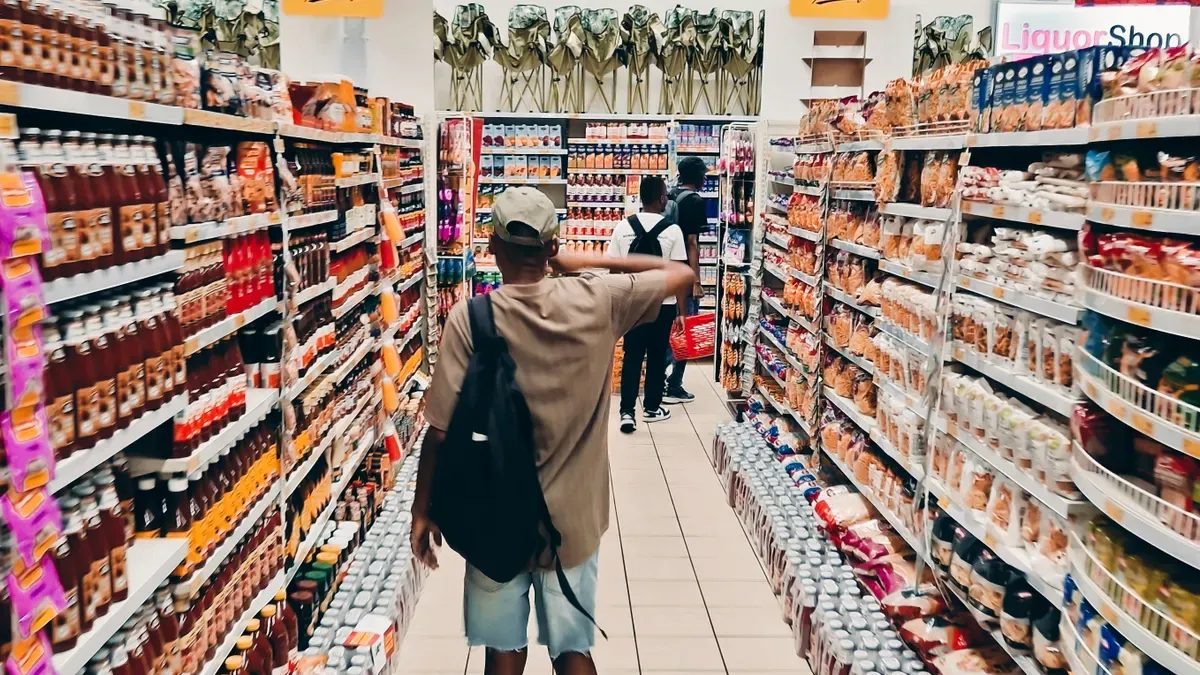
Long checkout lines test every customer's patience. A seamless walk-out experience removes that wait entirely. Frictionless shopping raises profits and lowers costs at the same time.
Two financial engines drive this shift. A better customer experience raises revenue. Automation lowers expenses. Each engine changes how a customer shops and how a store helps that customer.
Retailers now ask a direct question: what does the ROI of cashierless store technology actually look like for a business? Real-world payback periods and case examples reveal the answer. That answer matters for any retail team planning its next move, and it shows why a customer keeps returning.
Key Takeaways
Smooth shopping raises profits by making the customer experience better and selling more.
Stores without cashiers save money by needing fewer workers and running more smoothly.
Stores can earn back their money in 6 to 36 months with checkout-free technology.
Problems like technical limits and upkeep costs need plans to reduce them.
Retailers who start using frictionless shopping early gain an advantage over rivals and earn more money.
What Is Cashierless Store Technology
Cashierless store technology means a set of tools that take the place of cashiers in stores. These systems let shoppers buy things without standing in line to check out. More advanced types keep track of what a customer takes and charge them on the way out. This tech covers everything from self-checkout machines from the 1990s to today's scan-as-you-go gadgets, smart carts, and store automation run by computer vision.
A cashierless store (also called a till-less store, checkout-free store or just walk out store) is a store which allows customers to shop their products and leave without having to wait in line and pay at a checkout. Cashierless stores can currently be found in the United States, Asia, Europe, the Middle East, and Africa.
This frictionless model makes the whole shopping trip smoother. Customers move through the store more quickly. They skip the checkout lane completely. The experience feels easy and handy from the moment they walk in until they leave.
How Cashierless Stores Work
The way a purchase happens follows a clear order. A customer scans a barcode at the door to show they are a member. Cameras and sensors on the ceiling then gather data on how people move around the store. Shelf sensors weigh the stock to notice what gets taken or added. Computer vision spots each person, follows what they pick, and builds a virtual cart. When they leave, the system finishes the sale using the payment method on file and emails a receipt.
This automated method takes away the need to scan things by hand. A customer never has to pull out a phone or wait for a cashier. The cashierless system does everything in the background. Shoppers just grab what they need and walk out.
Core Technologies Behind the Experience
A few technologies make this experience work. Amazon Go uses sensor fusion, computer vision, artificial intelligence, and IoT to track customers and items. Standard Cognition depends on cameras and sensors to spot shoppers by shape and movement. AIFI uses artificial intelligence, sensors, and camera networks for checkout-free solutions that can grow. Toshiba's MxP Vision Kiosk uses advanced sensor fusion and computer vision to create a fast, easy frictionless shopping experience.
These automated checkout systems are not the same as mobile self-checkout choices. The table below compares the two methods.
Feature | Cashierless Stores | Mobile Self-Checkout |
|---|---|---|
Technology | AI-powered cameras, sensors, and machine learning | Smartphones, QR codes, NFC |
Checkout Process | Fully automated, no scanning required | Customers scan and pay via an app |
Implementation Cost | Very high (AI, hardware, software integration) | Low (uses existing retail infrastructure) |
Feasibility for Small Retailers | Limited due to cost and complexity | Highly adaptable and affordable |
Customer Learning Curve | Potentially confusing for new users | Simple and familiar |
Cashierless checkout does not need you to scan items or use a phone to pay. Mobile self-checkout needs you to scan each item and pay with an app. Cashierless systems cost more to set up but give you a new way to shop. Small stores may skip them because of the cost and how complex they are.
How Frictionless Shopping Boosts Profits
Better Experience Drives Higher Sales
A shopper walks in, grabs a sandwich, and leaves. No line. No scanner. That ease changes how people buy. Stores that remove checkout friction see more items in the basket and more visits each month. The reason is simple. People stay away from stores where they expect to wait.
Cashierless stores turn a normal errand into a quick stop. A customer spends less time in line and more time looking at shelves. That extra browsing time turns into extra purchases. Industry analysis from Verint suggests cashierless checkout as a way to increase basket size. The logic holds. Getting rid of long lines and making payment simple removes the biggest barrier to a larger purchase. A shopper who feels rushed buys less. A shopper who moves freely buys more.
The evidence on repeat visits is stronger than the evidence on basket size. One GetGo market in Pittsburgh, Pennsylvania, has tracked customer behavior since September 2020. The results show strong loyalty:
More than 80% of visits to a Grabango cashierless checkout store are repeat visits.
45% of those repeat visits are at least the tenth visit by the same customer.
That pattern suggests a better shopping experience keeps people coming back. The source notes that basket size data is missing from this dataset. So the revenue lift from larger baskets remains a reasonable expectation rather than a proven figure. Still, the visit frequency alone signals real profit potential. Repeat customers cost less to acquire and they spend more over time.
More Foot Traffic and Conversions
Foot traffic follows convenience. Shoppers choose the store that respects their time. Cashierless stores cut customer wait time to nearly zero. That single change draws people who would otherwise skip a stop. A busy professional grabs lunch in ninety seconds. A parent picks up milk without unloading a toddler from the car seat. These small wins add up.
Higher foot traffic only matters if those visitors convert. Frictionless checkout converts browsers into buyers at a higher rate. The seamless customer journey removes the final hesitation point. A customer never abandons a full cart because the line looks too long. That abandoned-cart problem disappears.
Retailers also use the technology to improve customer experience in ways beyond speed. Digital receipts, automatic loyalty points, and personalized offers arrive without any effort from the shopper. Each touchpoint reinforces the enhanced customer experience. A customer feels recognized and valued. That feeling drives return visits and word-of-mouth referrals.
The profit mechanism works through two channels. First, more people enter the store. Second, more of those people complete a purchase. Together, these effects boost sales without any increase in marketing spend. The technology pays for itself through volume. A store that once served two hundred customers per day might serve three hundred with the same floor space. The marginal cost of each additional customer stays near zero.
Cashierless stores also capture data that traditional checkout lanes miss. Every item picked up and put back teaches the system something. That insight feeds into layout decisions, product placement, and promotions. A better store layout creates a better shopping experience. The cycle reinforces itself. More traffic leads to more data. More data leads to better decisions. Better decisions lead to more profit.
Data-Driven Revenue With Cashierless Stores
Personalized Marketing From Shopping Insights
Every item a shopper picks up, looks at, and puts back on the shelf creates a data point. Cashierless stores collect this behavior on their own using cameras and shelf sensors. Old checkout lanes only record what a customer buys. Frictionless systems record what that customer thinks about, passes on, and compares.
This behavior data powers personalized marketing on a scale that manual methods cannot match. A store learns which products a shopper keeps looking at without buying. The store then sends a special discount or a product suggestion through a digital receipt or loyalty app. A customer gets offers that fit them instead of generic coupons. That fit raises redemption rates and basket size.
The system also shows shopping patterns across groups of customers. Store managers see which aisles get the most attention and which displays shoppers skip. They change layouts, promotions, and product mixes based on real behavior instead of guessing. Each change makes the shopping experience better and brings in more revenue.
Real-Time Inventory Accuracy and Loyalty
Shelf sensors in cashierless stores track stock levels all the time. The system knows when a customer takes the last unit of an item. It tells staff to restock before a shelf runs empty. This real-time accuracy stops lost sales from products that are out of stock.
Accurate inventory also makes loyalty programs stronger. The system adds loyalty points on its own when a customer walks out with a purchase. No scanning, no typing it in, no missed rewards. Shoppers watch their points grow without any effort. That smooth reward experience brings people back again and again.
Retailers get another benefit from exact inventory data. They cut overstock and waste because they order based on real demand. Cashierless stores that mix real-time tracking with automatic reordering lower carrying costs and spoilage. The money saved goes right to the bottom line. A customer gains too through fresher products and better availability.
How Cashierless Stores Cut Costs
Labor Savings Up to 70 Percent
Payroll takes a big chunk of any store budget. Cashierless store technology goes right after that cost. Cloudpick's study of cashierless store ROI shows retailers can cut labor costs by up to 70%. These sensor- and AI-based systems let shoppers skip the checkout line. Digit7 reports that cashierless smart stores remove the need for checkout staff. They cut labor overhead by up to 40–60%. Business Insider reported on leaked internal documents. They show Amazon's cashierless stores run on about half the in-store labor costs of traditional supermarkets. The pattern holds across deployments: fewer people stand behind a register.
Cashierless store technology can cut labor costs by 60–70%.
Stores run with fewer employees but still keep service smooth.
Extra checkout points open without new hires.
Staff move from registers to customer service and shelf stocking.
That last point matters most. A cashierless system frees employees for higher-value tasks. Workers shift to stocking, floor service, order fulfillment, and merchandising. A store then stays well-staffed in the departments that shape the customer experience. Shelves get refilled faster. Aisles stay cleaner. Shoppers find help sooner. One retailer moved labor hours toward store teams. Those teams focused more on customer service, inventory management, and checkout areas.
Automating manual cash processes in the back office means staff can be redeployed to customer-facing roles. Cashiers can spend more time with customers instead of balancing cash drawers. This improves staff efficiency, labor redeployment, and customer service while enhancing overall efficiency.
The reallocation only pays off when freed time produces value. Employees who restock more often create better product availability and extra sales. Employees who assist customers lift satisfaction and conversion. Cashierless stores turn payroll from a fixed cost into a flexible tool. That shift helps streamline operations across the whole store.
Operational Efficiency and Less Shrinkage
Automation trims costs beyond payroll. Markovate's work with Aisle 24 shows how this works. Aisle 24 is a cashierless convenience store chain in Canada. Its AI-driven systems use real-time inventory tracking. They support true 24/7 operations with lower staffing costs. The setup combines automated entry and exit with secure payments. Manual staff intervention drops. Administrative overhead falls with it.
Fewer scanning mistakes and billing inconsistencies cut another cost source. Better visibility into product movement keeps inventory levels honest. Operations stay consistent during peak and off-peak hours. AI-driven point of sale systems with computer vision watch in-store activity. They detect suspicious behavior and improve security. Smart shelves with sensors and RFIDs track stock in real time. They alert staff when supply runs low. A 2024 Deloitte report found retailers using smart shelves got more streamlined restocking through robotics and connected devices.
Shrinkage responds well to this technology. Real-time reconciliation catches missed scans and barcode switching during the transaction, before loss occurs.
Metric | Target Benchmark | What Drives It |
|---|---|---|
Shrink reduction | 50%+ reduction in self-checkout-attributable shrink against a matched baseline | Real-time reconciliation detects missed scans and barcode switching before loss occurs |
Self-correction rate | 50–80% of customers self-correct after a system nudge without staff help | Soft, neutral-language nudges prompt correction with no queue impact |
Employee intervention reduction | 15%+ fewer call-outs to self-checkout lanes | The system alerts staff only when risk rises |
Throughput impact | 4x transaction speed improvement for non-barcoded items | Fewer interventions and faster transactions |
Continuous shelf monitoring and demand prediction also reduce overstocking and waste. Cashierless stores order based on real demand. Carrying costs and spoilage fall. The money saved flows straight to the bottom line. The customer gains fresher products and better availability.
The ROI of Cashierless Store Technology
Upfront Costs and Faster Payback
Retailers need to see the whole cost picture before they set up cashierless systems. The first investment covers hardware, software, and infrastructure. Setup costs run from $150,000 to $500,000 or more per store. The price depends on size and how complex the store is. Small cashierless stores start at around $100,000. Monthly running costs add $5,000 to $15,000 per store. That pays for cloud services, licensing, maintenance, and security.
Hardware prices have dropped a lot. AI-grade 3D depth-sensing cameras now cost $200 to $500 each. Smart shelf weight sensors cost $50 to $150 per shelf unit. RFID tags cost $0.10 to $0.50 per item. Software fees fell sharply too. Amazon's Just Walk Out software cost fell from $4,000,000 in 2017 to about $159,000. That is a 96% drop. These lower costs help retailers make a profit sooner.
"While there is significant potential in this space, the cashierless technologies are still relatively in their infancy stages and require a significant upfront investment." — Brandon Rael, Director, Alvarez & Marsal
Case Examples and Payback Periods
Real stores show how fast retailers get their money back. A micro-market pays $100,000 to set up and $5,000 each month. It saves $150,000 to $200,000 a year, so it pays back in 6 to 12 months. A c-store pays $250,000 to set up and $10,000 each month. It saves $250,000 to $400,000 a year, so it pays back in 12 to 18 months. A grocery store pays $500,000 to set up and $15,000 each month. It saves $300,000 to $500,000 a year, so it pays back in 18 to 36 months.
Amazon Go is a warning story. The company said it had not made a truly special customer experience with the right economic model for large growth. Amazon Go struggled to grow because cost, complexity, customer behavior, and real estate economics did not line up for wide use. The lesson: frictionless retail works best in busy, time-sensitive places like airports and stadiums.
Maximizing ROI Amid Challenges
Technical Limits and Maintenance Costs
Cashierless systems have real technical limits that raise upkeep costs over time. Vision tracking fails when products hide behind other items, customer hands, or store layouts. Similar-looking products with the same packaging confuse the model. RFID detection becomes weak when tags cluster together. These issues need more sensors, big labeled data sets, and frequent model retraining.
Technical Limitation | Impact on Maintenance Costs |
|---|---|
Vision tracking blocked by other items | Needs extra sensors or mixed methods |
Similar product mix-ups | Requires large labeled data and frequent training |
RFID tag clustering | Needs custom readers with many antennas |
Sensor calibration drift | Needs ongoing re-calibration |
High computer power needs | Raises hardware acceleration costs |
Exact timing needs | Adds setup and upkeep complexity |
These mixed methods improve detection, but they need perfect timing and high computer power. This leads to higher setup and upkeep costs.
Sensor drift, noise from customer moves, and real-time demand add more strain. Each issue eats away at long-term ROI.
Mitigation Strategies That Protect Profits
Retailers can protect their money with several simple steps. Use data to mix checkout choices. Turn on self-checkout when busy and turn it off during slow hours to cut theft. Put more staff near self-checkout to lower the machine-to-human ratio and improve safety.
Mix checkout choices using data to balance flow and theft risk.
Boost safety with live video, overhead cameras, and on-screen warnings.
Improve tech with RFID tags and easier payment steps.
See self-checkout as a helper, not a replacement for cashiers.
Train staff on loss prevention, fixing issues, and helping customers.
Start slowly and watch behavior data to keep getting better.
A clean screen with high-contrast colors and simple guides keeps customers moving. AI cameras that match scanned items to a database tell staff about errors. These steps lower cost, smooth work, and help maximize ROI across all stores.
Frictionless shopping raises revenue by giving shoppers better experiences and using shopping data. It cuts costs by saving on labor, running stores better, and reducing theft. Together, these forces make financial results better on both sides of the ledger.
The roi of cashierless store technology can be reached in realistic timeframes. Case examples show payback periods of 6 to 36 months. Cashierless systems face challenges, but mitigation strategies keep them under control.
Retailers should pilot or improve cashierless technology now. Early adopters gain a competitive edge. A customer who skips the line comes back. A customer who comes back drives profit. The investment pays off for teams that act first. Cashierless stores reward bold retailers who move early. Cashierless checkout changes the math.
FAQ
How much does a cashierless store cost to set up?
Setting up a cashierless store costs between $100,000 for a small shop and $500,000 or more for a grocery store. You also pay $5,000 to $15,000 each month to run it. That money covers cloud services, licensing, maintenance, and security. Hardware prices have fallen a lot, so retailers can start making a profit sooner.
What payback period can a retailer expect?
How fast you get your money back depends on the type of store. A micro-market earns back its investment in 6 to 12 months. A convenience store takes 12 to 18 months. A grocery store needs 18 to 36 months. More shoppers and bigger purchases make the timeline shorter. Busy places where people are short on time see the quickest returns.
Do cashierless stores really cut labor costs?
Yes. Studies show you can save up to 70% on labor with cashierless technology. Amazon's stores run on about half the in-store labor costs of regular supermarkets. Workers move from registers to stocking shelves, cleaning, and helping customers. That change improves service and keeps shelves full.
Why did Amazon Go struggle?
Amazon said its cashierless stores did not have the right economic model to grow on a large scale. Cost, complexity, customer behavior, and real estate economics did not fit together. The lesson: cashierless retail works best in busy, time-sensitive places like airports and stadiums, not every location.
What problems raise maintenance costs?
Vision tracking fails when products hide behind other items or hands. Similar packaging confuses the model. RFID tags get weaker when they cluster together. These problems need extra sensors, large labeled data sets, and frequent retraining. Sensor drift and high computing needs put more strain on long-term returns.
See Also
Ways AI Driven E Commerce Tools Change Online Store Management
How Cloudpick Delivers Cashierless Shopping Convenience to Your Retail Store
Self Checkout Cash Mistakes Causes and Fixes for Smooth Transactions
Examining Walgreens Self Checkout Convenience and Challenges in Retail
Micromarkets Versus Smart Stores How Automated Convenience Retail Operates Globally
