Common myths about autonomous retail debunked in airports & transportation hubs

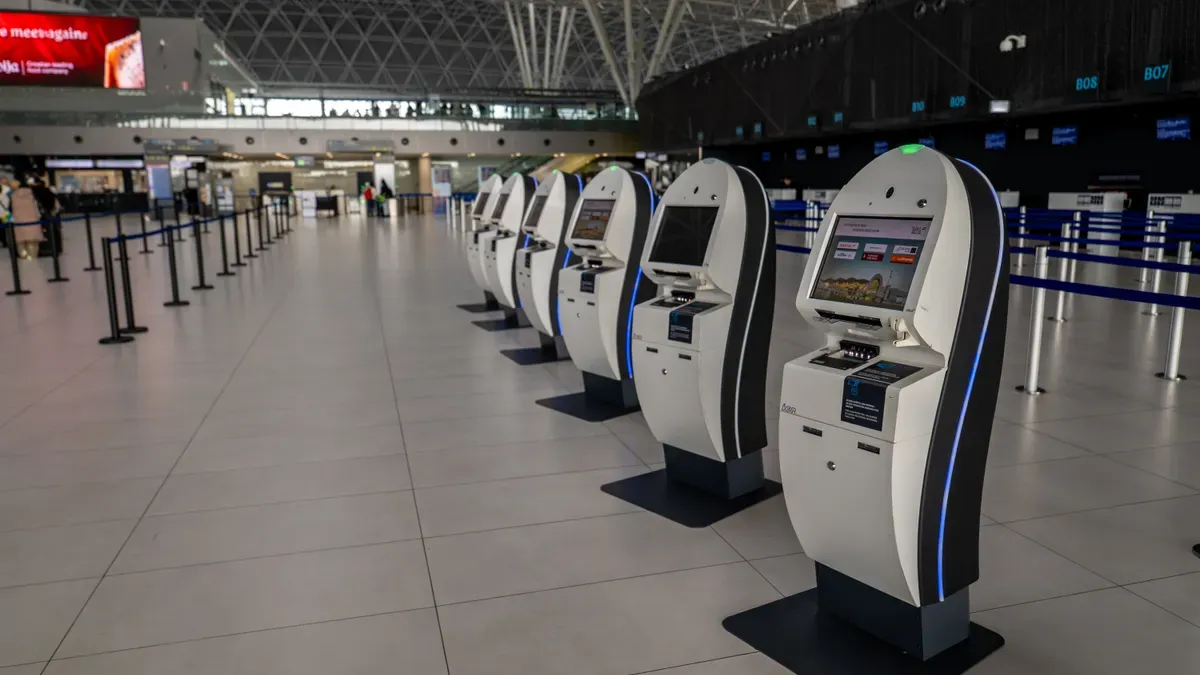
Executive directors manage busy airports and primary transit hubs across Europe. Modern air transportation in Europe faces heavy rush hours from growing low-cost airlines. These low-cost passengers demand frictionless service from low-cost retail venues. Low-cost regional airports inside Europe now accommodate expanding low-cost airlines. Popular low-cost carriers in Western Europe help budget airlines serve low-cost passengers effectively. Busy low-cost hubs serve rising low-cost airlines daily. High-profit autonomous retail debunked older operational myths regarding advanced technology platforms. Seamless autonomous setups help low-cost airlines boost overall concession yield. Forward-looking airports partner with leading airlines across Europe in major transportation projects. Progressive airlines and commercial airports in Europe help top airlines support modern airports yields.
Key Takeaways
Autonomous stores eliminate long lines and operate 24/7 to capture lost sales during peak and off-peak hours.
Airports can upgrade existing stores with modular sensors without spending money on full store rebuilds.
Automated stores sell high-value luxury goods and use AI to increase average order sizes.
Cashierless technology solves airport labor shortages and lowers store operational costs by up to 25 percent.
Myth 1: Autonomous Retail Debunked as an Unnecessary Industry Luxury
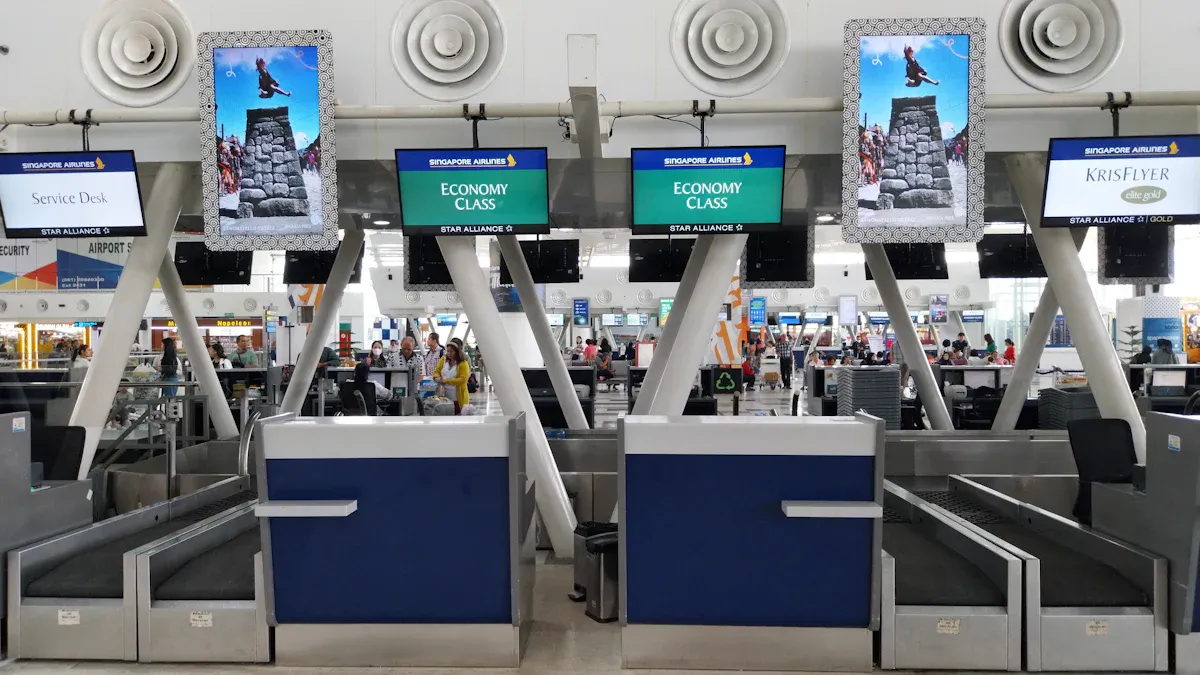
Capturing Revenue Lost to Long Lines
Executive directors often accept outdated myths regarding automated store installations. Modern airports in Europe process fast movements across key hubs. Passengers rush toward departure gates quickly. Long lines force passengers to skip buying snacks or drinks. Traditional store checkouts lose high sales during peak flight rushes.
Airport operators now embrace automation to protect commercial revenues. Passengers scan payment cards, enter, select items, and exit instantly. Passengers seek low-cost items quickly. The low-cost model requires high operational efficiency. The low-cost model boosts non-aeronautical income significantly. Major airlines inside Europe operate strict departure schedules. Fast checkouts help low-cost airlines maintain on-time departures. The expanding market share of low-cost carriers transforms air transportation in Europe completely.
Maximizing Sales During Off-Peak Flight Windows
Standard retail shops usually close doors during late night hours. Closed storefronts leave potential off-peak revenue unrealized. However, autonomous outlets serve overnight travelers effortlessly without extra staffing costs. Transit hubs across Europe rely heavily on continuous shop access.
Dimension | Staffed stores | Autonomous stores |
|---|---|---|
Hours of operation | Usually shut after peak hours because paying late-night staff is expensive | Stay accessible around the clock with no added labor expense |
Low-traffic customers | Miss overnight travelers, late-shift airport workers, and early commuters | Serve midnight layover passengers, shift staff, robotaxi users, and early-morning travelers |
Cost structure | Extended hours require costly staffing and background-check onboarding | Automated kiosks operate without extra personnel, making off-peak hours profitable |
Revenue outcome | Leave potential sales unrealized when doors are closed | Convert late-night delays and off-hour commutes into immediate, high-margin purchases |
Off-peak automated kiosks boost earnings across low-cost terminal zones. Cheap low-cost airlines keep overall economy budgets steady. Regional airlines serve regional Europe hubs. Modern airlines in Europe partner with progressive airports in Europe to increase revenue. Budget low-cost airlines demand efficient terminal services. Traditional airlines in Europe adapt quickly. Leading airlines in Europe adopt self-service platforms. Expanding low-cost airlines help airlines capture extra non-aeronautical sales in low-cost retail shops. Smart airports integrate automation. Major airports in Europe increase sales. Busy airports handle heavy passenger flows daily. Primary airports adapt fast. Autonomous units clear persistent industry myths while optimizing retail locations across Europe.
Myth 2: Overcoming Operational Myths Around System Overhauls
Incremental Tech Integration vs. Full Rebuilds
Many hub managers believe digital transformation requires tearing down existing physical stores. This perspective creates unnecessary hesitation. Autonomous retail debunked this misconception by proving that operators do not need massive demolition projects. Instead, operators install smart camera overhead layers and sensor arrays onto standard shelving units without destroying functional store architecture.
Operators choose incremental technology upgrades to keep capital costs low while maintaining continuous sales operations. Simple retrofits minimize initial capital expenditure and prevent disruptive store downtime. Operators test cashierless systems in real operational environments safely.
Metric | Incremental AI-assisted upgrade vs full rebuild |
|---|---|
Cost savings | Up to 80% lower cost than a full rebuild |
Deployment speed | 73% faster than traditional rebuilds |
Time-to-value | 3–5x faster than rebuild cycles |
Client result | $28M saved, 142% ROI in 18 months |
Automation benefit | 83% of post-migration tasks automated; MTTR reduced by 79% |
These modular deployments deliver immediate financial returns while protecting ongoing commercial activities. Rapid deployment protects daily concession yields in crowded transportation hubs across Europe.
Modular Retrofits for Legacy Transit Layouts
Busy international airports in Europe evolve beyond basic transit corridors. Modern transportation hubs function like vibrant mini smart cities. These modern terminals feature automated transit systems, smart baggage networks, and self-service check-in kiosks. High-density hubs require agile retail formats that fit constrained terminal spaces.
Existing Store Layout -> Overhead Sensor Overlay -> Autonomous Operation
Modular store units give retail operators total layout flexibility inside older terminal corridors. Low-cost operators place these autonomous units along high-traffic concourses near low-cost airlines departure gates. Expanding low-cost airlines generate heavy terminal foot traffic. Budget airlines move budget passengers quickly between busy terminals in Europe. Fast-moving passengers buy snacks from low-cost units while low-cost airlines handle fast aircraft turns. Low-cost airlines keep turnarounds brief. Modern airlines in Europe demand swift concessions. Budget low-cost model operators use these low-cost configurations to expand retail footprints without construction delays.
Gen Z travelers and digital-native passengers expect instant, seamless purchasing experience everywhere. Young passengers prefer automated checkout systems over conventional cashier lines. Automated retail units resolve persistent labor shortages across Europe airports while cutting operational overhead. Smart technology helps primary Europe hubs deliver steady retail innovation. Regional airlines in Europe rely on these efficient formats. Regional airports serving budget carriers optimize terminal yields successfully. Top airlines inside Europe praise efficient airport layouts. Leading airlines appreciate fast airport retail services. Expanding low-cost airlines and progressive airlines continue driving retail modernization across Europe today.
Myth 3: Cashierless Tech Is Restricted to Basic Grab-and-Go
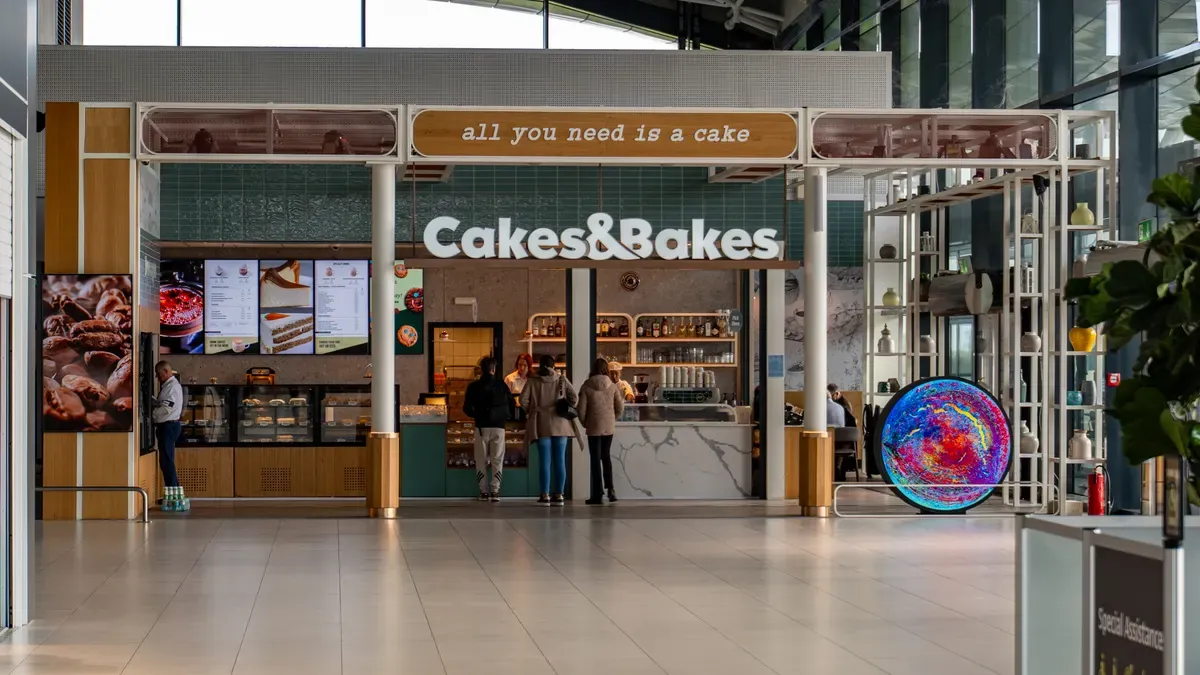
Expanding into Luxury Goods and Tech
Industry leaders frequently associate automated storefronts with basic snacks. However, modern autonomous retail debunked these lingering commercial myths. Major transit hubs across Europe now offer high-value luxury goods through automated shopping channels. Modern airports install smart sensor systems to sell premium products effortlessly.
Flagship locations serve affluent travelers alongside low-cost flight passengers. Retail networks across Europe maintain high sales volumes across diverse store formats.
Store format | Luxury goods categories cited | Autonomous sales evidence |
|---|---|---|
Specialty stores | Luxury goods, luxury accessories, cosmetics, electronics, travel accessories | Reported as adopting just-walk-out checkout for premium travelers, with AI-driven recommendations and biometric payments supporting high-value purchases. |
Duty-free shops and luxury boutiques | Duty-free/premium discretionary items and luxury boutique products | Cited as using or exploring just-walk-out solutions for high transaction volumes; flagship hubs report measurable increases in average transaction values after deployments. |
Traditional retail venues require high staffing expenses. Automated stores eliminate cashier overhead while maintaining supreme physical security for high-end items.
Driving Impulse Sales via Automated Personalization
Smart algorithms transform passive shoppers into active buyers across Europe terminals. Automated systems track customer preferences in real time. These smart solutions deliver tailored offers directly to digital screens as travelers browse store aisles.
McKinsey reports that AI-powered personalization, including AI-driven product recommendations, can increase sales by up to 40% in cashierless store settings. Passengers appreciate fast recommendations during tight connection windows.
Browse Store Shelves -> AI Evaluates Preferences -> Targeted Offer Increases Ticket Value
Low-cost flight schedules often limit total airport shopping time. Budget airlines move millions of low-cost travel customers through primary Europe airports daily. Low-cost routes attract price-conscious passengers seeking low-cost retail items quickly. Low-cost storefronts use smart technology to boost average order size during short stops. Low-cost operators maximize non-aeronautical income across busy low-cost terminals.
Regional airlines inside Europe partner with regional airports to improve passenger retail experiences. Low-cost airlines deliver steady foot traffic to these automated venues. Leading airlines praise efficient concession operations. Expanding airlines demand high-performing terminal layouts. Modern airlines across Europe continue adopting automated retail models to serve busy air travel hubs successfully.
Myth 4: Foot Traffic from Low-Cost Airlines Eliminates Need for Tech
Serving Tight Layover Schedules of Low-Cost Airlines
Airport executives often believe heavy passenger volume eliminates automation needs. Operators dismantle lingering operational myths by evaluating passenger behavior inside primary terminals. Today, air transportation in europe relies on fast flight turnarounds at busy airports. Busy passengers demand swift self-service choices when quick flight connections leave limited shopping time in europe.
The market share of low-cost carriers creates rapid movement across major transportation nodes. Busy low-cost airlines move millions of low-cost travelers through key hubs every month. Digital-native passengers prioritize speed over manual checkout lines during short flight connections. Modern low-cost airlines expect rapid concession services that match swift aircraft turnarounds. Low-cost airlines require streamlined terminal services. Expanding low-cost airlines drive heavy low-cost retail traffic across low-cost hubs, low-cost venues, and low-cost routes.
Solving Labor Shortages with Frictionless Solutions
Persistent labor shortages disrupt retail operations across major europe airports. Busy low-cost airlines bring massive foot traffic, but stores cannot recruit cashiers easily. Frictionless technology solves this staffing problem efficiently. Automated stores operate smoothly with minimal frontline workers.
Automated checkout systems allow store operators to remove checkout staff. These systems reduce store overhead costs by up to 25%. Stores keep minimum employees for shelf stocking and customer assistance. The low-cost model helps low-cost airlines and airports maintain strong commercial yields.
Secondary airports across europe adopt automated retail formats to boost commercial profits. The low-cost model supports low-cost retail locations across regional airports. Expanding low-cost airlines rely on automated terminals to serve budget passengers. Primary europe airports use automation to buffer against staffing shortages. Budget airlines continue driving terminal modernization across europe hubs. Modern europe airports support low-cost airlines by upgrading commercial spaces. These low-cost outlets strengthen low-cost performance across europe. Low-cost airlines keep economy travel moving efficiently throughout europe. Popular airlines, regional airlines, partner airlines, commercial airlines, leading airlines, top airlines, flight airlines, and modern airlines prefer efficient terminals. Progressive airports and low-cost airlines transform low-cost options and low-cost travel across europe.
Early adopters gain advantages. Deployments with autonomous retail debunked myths across primary airports in europe. Modern airports in europe boost yields while optimizing labor expenses in low-cost hubs. Busy airports, commercial airports, and regional airports in europe raise satisfaction scores for passengers.
Expanding low-cost airlines transform air transportation in europe. Fast schedules require sales. This low-cost model helps low-cost airlines, commercial airlines, and major airlines sell low-cost items to passengers. Leading airlines, low-cost airlines, and low-cost airlines move travelers across europe.
Flight airlines and regional airlines in europe leverage this low-cost model near low-cost hubs. Smart airports in europe assess retail friction in europe to deploy low-cost solutions across europe and power economy.
FAQ
How do autonomous stores assist low-cost airlines, low-cost hubs, low-cost terminals, and low-cost europe transit centers?
Automated setups cut retail overhead up to 25%. Busy europe airports, regional airlines, partner airlines, commercial airlines, and low-cost airlines utilize low-cost outlets, low-cost venues, low-cost stalls, low-cost stands, low-cost kiosks, low-cost points, low-cost zones, low-cost shops, low-cost units, low-cost markets, low-cost stations, low-cost sites, low-cost corridors, and low-cost retail.
Do digital retrofits require rebuilds for low-cost airlines, low-cost shops, low-cost venues, and low-cost europe stores?
No. Modular upgrades save up to 80% versus full rebuilds. Progressive airlines, flight airlines, leading airlines, and low-cost airlines protect existing low-cost layouts, low-cost shelves, low-cost counters, low-cost displays, low-cost frameworks, low-cost structures, low-cost sections, low-cost designs, low-cost nodes, low-cost footprints, low-cost elements, low-cost features, low-cost assets, and low-cost bases across europe.
How do automated recommendations help low-cost airlines, low-cost passengers, low-cost flyers, and low-cost europe travelers?
Personalized artificial intelligence increases checkout revenue by up to 40%. Expanding airlines, top airlines, modern airlines, and low-cost airlines engage low-cost commuters, low-cost visitors, low-cost customers, low-cost patrons, low-cost buyers, low-cost consumers, low-cost tourists, low-cost shoppers, low-cost pass-throughs, low-cost connections, low-cost layovers, low-cost transits, low-cost arrivals, and low-cost departures throughout europe terminals.
Can autonomous systems serve low-cost airlines, low-cost red-eyes, low-cost flights, and low-cost europe off-peak travelers?
Yes. Autonomous stores operate 24/7 without extra labor expenses. Budget airlines, international airlines, global airlines, and low-cost airlines serve low-cost night shifts, low-cost layovers, low-cost early flights, low-cost delays, low-cost connections, low-cost schedules, low-cost windows, low-cost hours, low-cost operations, low-cost rotations, low-cost transfers, low-cost checkouts, low-cost visits, low-cost routes, and low-cost turns in europe hubs.
Which inventory categories do low-cost operators, low-cost vendors, low-cost markets, and low-cost europe outlets sell automatically?
Autonomous stores manage premium merchandise and daily convenience goods effortlessly. Primary hubs, domestic terminals, and regional zones supply:
Low-cost electronics, low-cost travel gear, low-cost cosmetics
Low-cost snacks, low-cost drinks, low-cost foods, low-cost goods, low-cost merchandise, low-cost packages, low-cost products, low-cost supplies, low-cost items, low-cost essentials, low-cost inventory, low-cost options, low-cost offerings, low-cost selections, low-cost lines, low-cost stock, low-cost units, and low-cost provisions across europe.
See Also
Unusual And High Traffic Places To Install Automated Vending Machines
Comparing Micromarkets And Smart Stores In Global Automated Retail Tech
Why Modern Grocery Vending Machines Make Food Shopping More Accessible
Analyzing The Major Benefits And Obstacles Of Walgreens Self Checkout
How Artificial Intelligence Is Shaping The Next Generation Of Retail
