How to choose an autonomous retail vendor for Airports & transportation hubs.

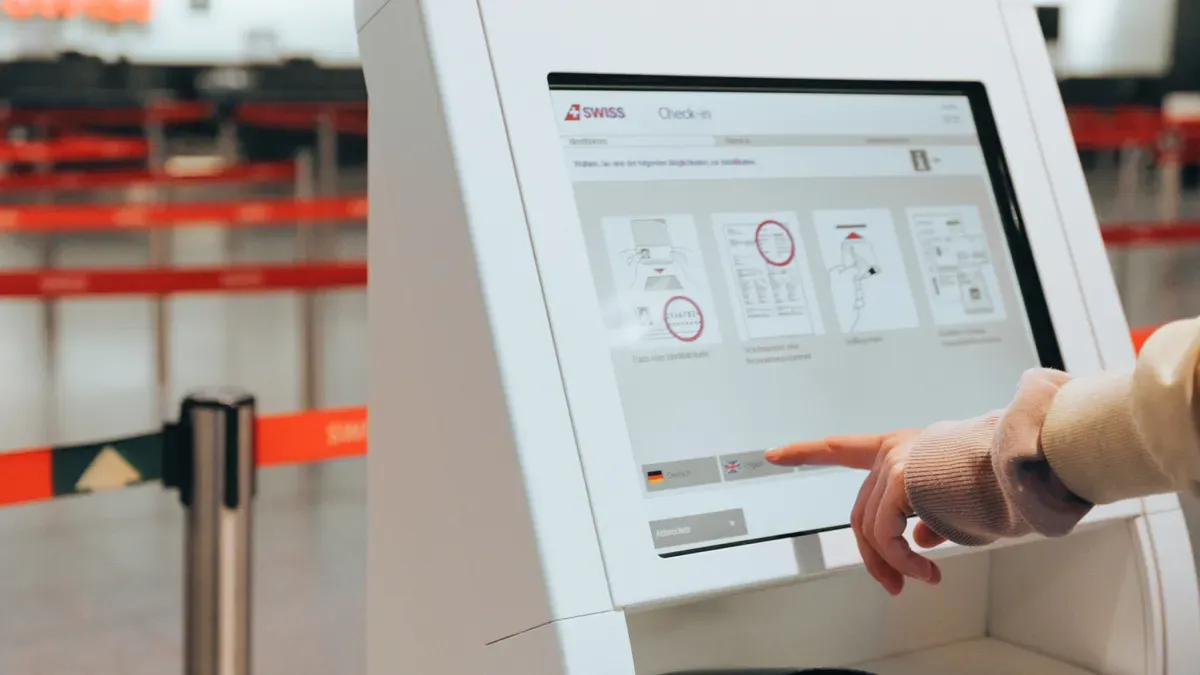
You face a big decision when choosing an autonomous retail vendor for your airport or transportation hub. Travelers want fast service, easy access, and a smooth shopping experience.
Studies indicate that service convenience, which encompasses the intrinsic value derived from time and effort investments during the purchasing process, is closely linked to customer satisfaction. The speed and ease of interactions with retail businesses significantly affect customer decision-making, especially under time constraints.
By developing strategies that enhance convenience, companies can strengthen customer relationships and gain a competitive advantage, which is crucial in the context of airport retail environments.
You can improve traveler satisfaction by focusing on speed and convenience from the start.
Key Takeaways
Prioritize reliability in your vendor selection. Choose a vendor that ensures 24/7 service with advanced security and backup systems to avoid downtime.
Look for flexibility and scalability in retail solutions. A good vendor adapts to changing passenger volumes and helps manage costs effectively.
Ensure product quality and freshness. Select vendors who maintain high standards for food and essentials, enhancing traveler satisfaction.
Focus on integration with airport systems. A well-integrated retail solution improves service efficiency and meets passenger needs in real time.
Plan for growth and hidden costs. Understand both upfront and ongoing expenses to avoid surprises and ensure a strong return on investment.
Key Criteria for Autonomous Retail Vendor Selection
Reliability and 24/7 Service
You need a retail solution that works every hour of the day. Airports and transit hubs never sleep. Travelers arrive at all times, and you must meet their needs without fail. When you choose an autonomous retail vendor, reliability becomes your top priority.
A strong system uses advanced security, backup power, and climate controls. These features keep your store running, even during power outages or harsh weather. The table below shows how these systems work together to provide uninterrupted service:
Feature | Description |
|---|---|
Advanced Security Systems | 24/7 live monitoring and bullet-resistant glass ensure safety for customers and inventory. |
Backup Power Solutions | Backup batteries maintain operations during power outages, ensuring continuous service. |
Climate Controls | Advanced temperature management keeps products fresh and in optimal conditions. |
Weather Protection | Reinforced materials withstand harsh conditions, ensuring operations in any climate. |
Autonomous Robotic Operation | Robotics handle inventory and transactions, reducing labor costs and enhancing efficiency. |
24/7 Availability | Engineered for uninterrupted service, maximizing convenience and revenue potential. |
You want to avoid downtime. If your store closes, you lose sales and travelers lose trust. Airport authority teams expect you to deliver consistent service. This reliability should be at the top of your vendor selection criteria.
Flexibility and Scalability
Airports and transit hubs see big changes in passenger numbers. Some days are busy, while others are slow. You need a smart retail solution that grows with your needs. Flexibility lets you adjust your store’s size, product range, and technology as traffic changes.
Scalable systems help you serve more people during peak times. They also let you manage costs when traffic drops. The right autonomous retail vendor gives you tools to track sales and adjust inventory quickly. This helps you keep up with trends and meet the needs of every traveler.
Here is what happens when you use scalable solutions in airports:
Evidence Type | Description |
|---|---|
Average Transaction Values | Airports report higher transaction values after using just-walk-out stores. |
Passenger Engagement | You are more likely to browse and buy in autonomous stores. |
Market Growth Projection | The just-walk-out retail market in airports will grow at 19.6% CAGR by 2034. |
Airport authority leaders look for vendor selection criteria that include proven flexibility. You want a partner who can support your growth and help you adapt to new challenges in both airports and transit hubs.
Product Quality and Fresh Options
Travelers expect fresh, high-quality products. You must offer snacks, drinks, and essentials that meet high standards. Product quality affects your reputation and the trust of the airport authority.
Choose a vendor who uses climate controls and smart inventory systems. These tools keep food and drinks fresh. You also want a wide range of options. Some travelers want healthy snacks, while others need quick meals or last-minute gifts.
Smart retail technology helps you track what sells best. You can use this data to update your product mix and keep travelers happy. Good product quality and fresh options set you apart from other retail choices in busy airports and transit hubs.
Tip: Always check how your vendor manages inventory and freshness. Ask for reports and proof of quality control.
When you focus on these vendor selection criteria, you build a retail experience that meets the needs of travelers, airport authority teams, and your business goals.
Meeting Airports’ Unique Demands
High-Traffic Operations
You face unique challenges when you run retail in airports and transit hubs. These places see thousands of people every day. You need a system that works well during busy times and can handle sudden crowds. Autonomous retail solutions help you serve more travelers quickly. They keep lines short and make shopping easy. When you use these systems, you can adjust to changes in passenger flow. This flexibility helps you avoid delays and keeps your store running smoothly. Airports and transit hubs both need technology that can scale up or down as needed.
Security and Compliance
Security stands as a top concern in airports and transit hubs. You must protect travelers, staff, and inventory at all times. By 2030, airports will use AI systems to manage security events on their own. These systems will spot threats and respond fast. You need to follow strict rules for network safety and physical access. Airlines use secure coding and strong authentication. Airports keep their networks safe and control who can enter certain areas. Vendors must update their systems and share best practices. When you work together, you create a safer space for everyone. Compliance with these rules builds trust and keeps your operations running without problems.
Integration with Airport Systems
You must connect your retail solution with the many systems inside airports and transit hubs. Airports work as networks of real-time systems. If your store does not connect well, you may see delays and poor service. Siloed systems can slow down your team and make travelers wait longer. When you use integrated data platforms, you track sales, inventory, and passenger needs in real time. This helps you make better decisions and improve service. Good integration also means you can share information with airport teams and respond to changes fast. Your retail solution should fit into the larger airport and transit hub environment for the best results.
Enhancing Passenger Experience and Convenience
Speed and Accessibility
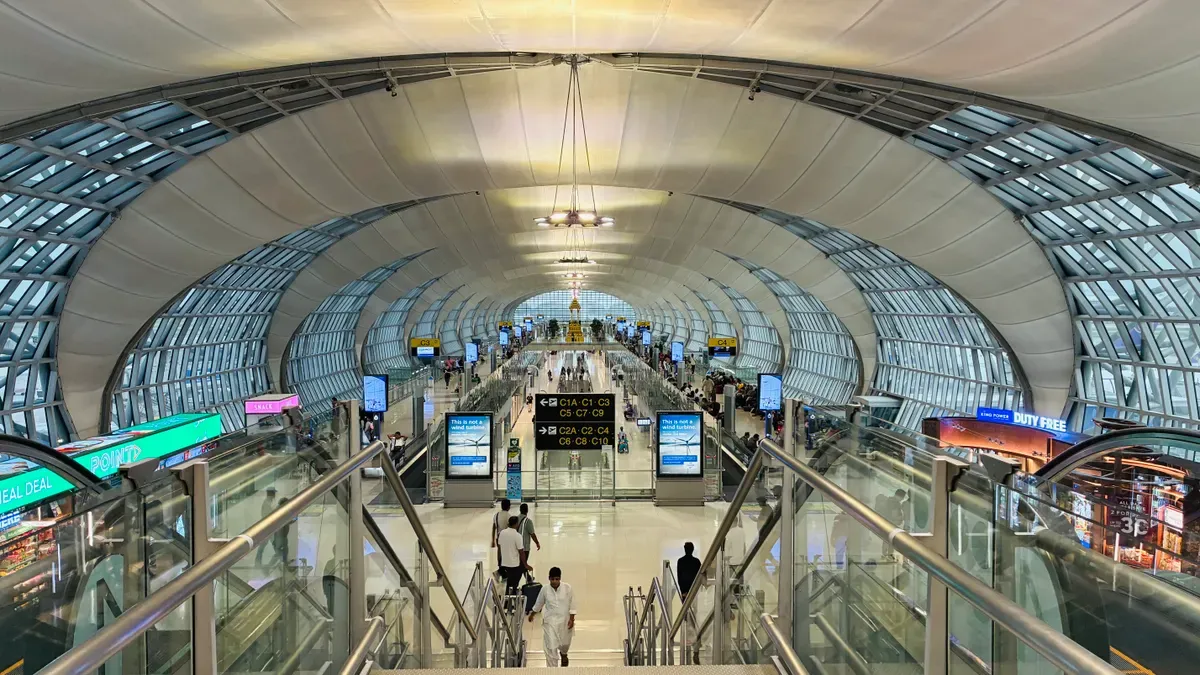
You want every passenger to move quickly through your airport or transportation hub. Speed matters most when travelers have tight schedules. Autonomous stores remove traditional checkout lines. You grab what you need and leave right away. This process saves time and boosts passenger satisfaction.
Autonomous checkout stores eliminate traditional checkout lines, allowing for immediate exit after grabbing items.
Studies indicate that these systems can significantly reduce wait times, enhancing the traveler experience.
70% of passengers express a desire to reduce wait times during airport visits.
Accessibility also plays a key role. You should make sure every passenger, including those with disabilities, can use your automated shopping options. Clear signage, wide aisles, and easy payment systems help everyone shop with ease. When you focus on accessibility, you improve passenger satisfaction and create a welcoming environment.
Cashierless and Grab-and-Go Technology
You see new technology changing the way passengers shop. AI-powered systems now let travelers skip the cashier. Companies like Standard AI and Trigo lead this shift. The pandemic pushed more people to use automated checkout. In top locations, over 30% of shoppers now use scan and go mobile checkout. These systems work well in smaller retail spaces, such as airport shops, where passengers often buy just a few items. Smart retail technology makes shopping faster and easier, which leads to higher passenger satisfaction.
Supporting Diverse Passenger Needs
Airports and transit hubs welcome many types of passengers. Each group has unique needs. International travelers often have long layovers and want to shop for gifts or luxury goods. Domestic travelers look for quick service and local products. You can use smart retail solutions to meet these needs. The table below shows how you can support different passengers:
Traveler Type | Key Needs and Preferences | Features of Autonomous Retail Solutions |
|---|---|---|
International Travelers | Longer layovers, discretionary shopping, luxury goods | Just-walk-out model for immersive shopping, multilingual interfaces, dynamic currency conversion, globally interoperable payments |
Domestic Travelers | Efficiency, personalized offers, local product discovery | AI-driven customer segmentation, gamified loyalty rewards, tailored shopping experiences |
You also help business travelers who want fast, private shopping. Leisure travelers enjoy finding local products and special offers. When you use smart retail and focus on accessibility, you raise passenger satisfaction and improve the overall passenger experience.
Vendor Evaluation and RFP Process
Experience with Airports and Transit Hubs
You should always check the track record of any autonomous retail vendor before making a decision. Look for vendors who have real experience in airports and transit hubs. For example, Transdev has led pilot projects in the United States, such as the Shared Autonomous Vehicle initiative in Dublin, California. This project improved connections to public transit and gave valuable lessons about running autonomous solutions in busy hubs. LILEE Systems also stands out. They delivered autonomous vehicle solutions for Taiwan Taoyuan International Airport. Their work shows how well they can connect self-driving vehicles with airport infrastructure. These examples show why you need a vendor who understands the unique needs of airports and transit hubs.
Crafting Effective RFPs
You want your airport authority to get the best autonomous retail vendor for your location. A strong Request for Proposal (RFP) helps you do this. Follow these steps for the best results:
Define your needs. List the type of transportation, your budget, and the areas you want to cover.
Use data. Look at past numbers and current market trends to make smart choices.
Invite competition. Let several vendors bid so you can compare options.
Use a transport management system. This tool helps you manage logistics and makes the process smoother.
A clear RFP helps your airport authority find a vendor who fits your goals and supports your retail vision.
Demos and Pilot Programs
You should always ask for demos and pilot programs before you choose an autonomous retail vendor. These tests let you see how the system works in real life. You can check if the technology fits your airport or transit hub. You can also see how well the vendor works with your airport authority team. Pilot programs give you a chance to solve problems early and make sure the retail solution meets your needs. This step builds trust and helps you avoid surprises after launch.
Budget and Hidden Costs
Upfront vs. Ongoing Expenses
You need to understand both upfront and ongoing expenses when you choose an autonomous retail vendor for airports and transit hubs. Upfront costs for a single autonomous airport service robot range from USD 150,000 to 350,000. The price depends on the sensor payload and AI technology. If you integrate these robots into existing airport IT systems, your total ownership costs can double. Ongoing expenses include cybersecurity investments. These can add 15-20% to your annual operating budget because you must keep networks and monitoring systems secure. For smaller transit locations, a Robotics as a Service (RaaS) model offers monthly subscription costs between USD 3,000 and 8,000 per robot. This model helps you manage ongoing expenses more easily.
Tip: Always ask vendors for a clear breakdown of both upfront and ongoing costs. This helps you avoid surprises later.
Maintenance and Support
Maintenance and support play a big role in your total cost of ownership. You must keep sensors calibrated, clean lidar systems, and update software regularly. Skilled technicians are needed for these tasks, which increases labor costs. The table below shows key maintenance requirements and their impact:
Impact on TCO | |
|---|---|
Sensor Calibration | Essential for operational safety and efficiency |
Lidar Cleaning | Prevents malfunction and ensures accurate navigation |
Software Updates | Necessary for system improvements and security |
Redundant System Verification | Increases reliability and reduces failure risks |
Skilled Technicians Required | Higher labor costs due to specialized training |
Comprehensive Maintenance Platform | Increases operational costs due to complexity |
You must also adapt your workforce to new technologies. This shift adds complexity and increases costs, especially in transit hubs where systems change quickly.
ROI and Value
You want to see a strong return on investment (ROI) when you deploy autonomous retail systems in transit hubs. Autonomous vehicles can reduce total cost of ownership by 42% per mile on long-haul routes. You save money through less fuel usage and lower driver compensation. These savings help you justify the upfront investment. You also improve passenger satisfaction, which can lead to higher sales and repeat business. When you weigh the costs against the benefits, you see that smart planning and careful vendor selection deliver real value for airports and transit locations.
Compliance, Accessibility, and Safety
Regulatory Standards (TSA, ADA)
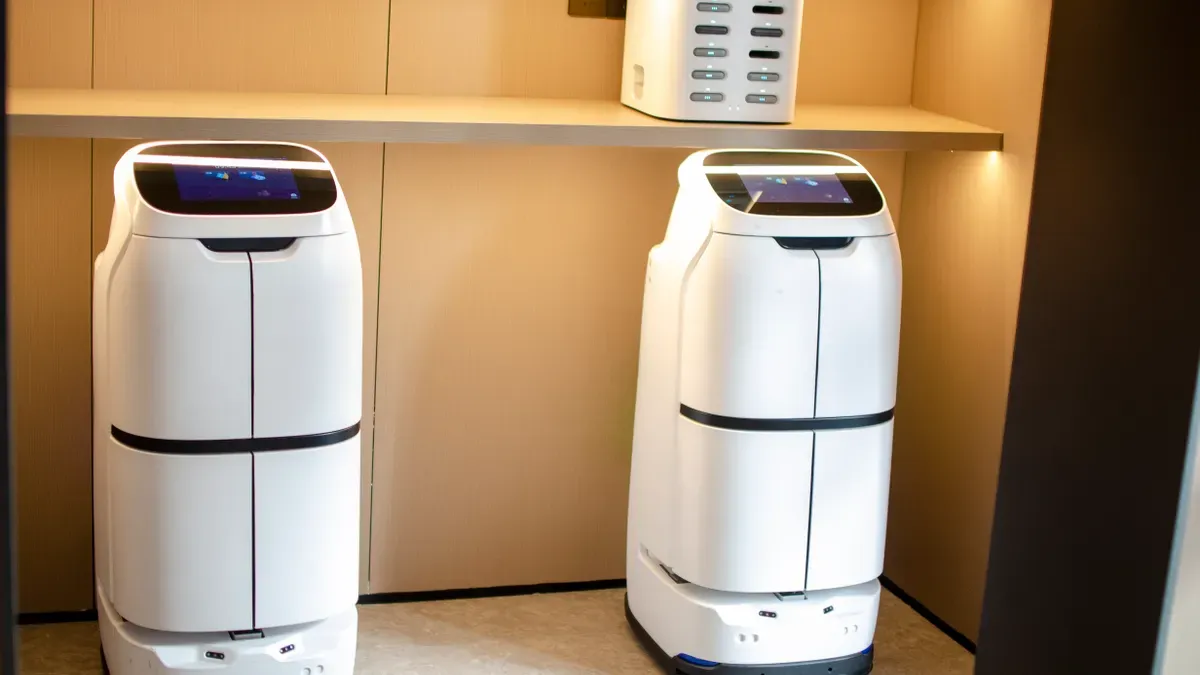
You must follow strict rules when you set up autonomous retail in airports. The Transportation Security Administration (TSA) and the Americans with Disabilities Act (ADA) set the main standards. These rules protect both security and accessibility for all travelers. The table below shows the main agencies and their key obligations:
Agency | Primary Authority | Key Obligation |
|---|---|---|
TSA | 49 CFR Parts 1540–1562 | Security program, access control |
You must also make sure your terminal facilities are accessible to everyone, including people with disabilities. Meeting Department of Justice regulations under Title III of the ADA is required. This means you need ramps, wide aisles, and clear signs. You help every traveler shop safely and easily when you focus on both security and accessibility.
Carriers must ensure that terminal facilities are accessible to individuals with disabilities.
Compliance is achieved if facilities meet DOJ regulations under Title III of the ADA.
Data Privacy and Cybersecurity
You collect a lot of data when you use autonomous retail systems. This includes payment details and sometimes biometric information. You must protect this data to keep passenger trust. Strong cybersecurity measures help you stop threats before they cause harm. You should follow strict data protection laws like GDPR and CCPA. If you do not, you risk losing trust and facing legal trouble.
Airports now use a Zero Trust security framework. This means you check every user and device before giving access. You identify critical services, look for risks, and act fast to stop cyber threats. You keep your systems safe and your passengers’ data private by making security a top priority.
Health and Sanitation
You must keep your retail spaces clean and safe. After the pandemic, airports raised their standards for health and sanitation. You can use touchless technologies like self-service check-in and biometric passport lanes. Autonomous cleaning robots help you keep floors and surfaces clean. You can also use HEPA filters and UV lighting to remove germs from the air and high-touch areas.
Use facial recognition and biometrics to reduce contact.
Install thermal scanners for health checks.
Disinfect luggage and carry-ons with fogging or UV light.
You protect travelers and staff when you follow these health and sanitation steps. You also support security and accessibility by making your store safe for everyone.
Avoiding Common Pitfalls
Overlooking Integration
You must pay close attention to integration when you choose an autonomous retail vendor. Many airports face big challenges because autonomous delivery robots need to work with existing airport systems. These robots must follow strict safety and security rules. They also need to communicate well with airport management and human staff. If you overlook integration, you risk delays and confusion. Your store may not run smoothly. You should ask vendors how their technology connects with airport infrastructure. Make sure the system fits your airport’s needs.
Tip: Always test the integration process before full deployment. This helps you spot problems early.
Ignoring Hidden Costs
You need to look beyond the price tag. Hidden costs can surprise you after you launch your autonomous retail solution. Maintenance, software updates, and staff training often add to your expenses. Some vendors charge extra for support or upgrades. If you ignore these costs, your budget may suffer. You should ask for a clear breakdown of all fees. Make a list of possible expenses:
Maintenance and repairs
Software and hardware updates
Staff training and onboarding
Security upgrades
A table can help you track these costs:
Cost Type | Possible Impact |
|---|---|
Maintenance | Higher operational cost |
Software Updates | Increased IT spending |
Training | Extra labor expenses |
Security Upgrades | Compliance risk |
Failing to Plan for Growth
You must plan for future growth when you select a vendor. Airports that focus on expanding autonomous checkout solutions into new retail formats and regions gain early market share. This strategy helps you build customer loyalty. You can use advanced analytics to learn about passenger preferences. Personalized services improve engagement and make your store more attractive. If you fail to plan for growth, your store may fall behind. You should choose a vendor who supports expansion and offers tools for data analysis.
Note: Planning for growth lets you adapt to changing passenger needs and keeps your airport competitive.
Step-by-Step Guide to Getting Started
Assess Internal Needs
Start by looking at your current retail setup. Track how often kiosks have errors or downtime. Write down these numbers. You should also look at how much you spend on your current system. Think about what you want to improve. For example, you may want to save time for each passenger or increase sales. Mapping how passengers move through your airport or hub helps you find the best spots for new kiosks. High-traffic areas give you more chances to serve each passenger quickly.
Tip: Use sensors and cameras to collect data on sales and passenger movement. This information helps you make better decisions.
Shortlist Vendors
Make a list of vendors who fit your needs. Look for companies with experience in airports and transportation hubs. Check if they can handle your passenger volume. Ask for proof of reliability and support. You should also see if their technology works with your current systems. A good vendor will show you how their solution can help you reach your goals. Make sure they offer strong data tools so you can track sales and passenger behavior.
Ask vendors for case studies from other airports.
Request details about maintenance and support.
Check if their kiosks are easy for every passenger to use.
Evaluate and Implement
Follow a clear process to choose and launch your new system:
Document your current process and track error rates for each kiosk.
Calculate the total cost of your new automated retail plan.
Estimate how much time and money you will save.
Plan for how these benefits will grow over the next three years.
When you test a new system, watch how passengers use it. Use data from sensors and smart kiosks to see what works best. Place kiosks where passenger flow is highest. This helps you serve more people and increase sales. After launch, keep tracking results and make changes as needed.
You must focus on passenger experience, security, and accessibility when you choose an autonomous retail vendor for airports and transit hubs. You improve passenger satisfaction by using self-checkout kiosks, app-based ordering, and AI systems that offer personalized recommendations. Airport authority teams see value in seamless retail solutions that adapt to changing passenger needs. You support accessibility by offering clear signs, wide aisles, and easy payment options. You protect passenger safety with strong security measures. You should start with an internal assessment, then create an RFP, and test pilot programs. You need to review your retail strategy often as technology and passenger needs change.
Ontario International Airport uses an omnichannel approach to engage passengers early.
Los Angeles International Airport deploys semi-autonomous robots for food delivery.
Airports move toward models that empower passengers with more choices.
Assess your current transit and retail setup.
Shortlist vendors with proven airport authority experience.
Launch pilot programs to improve passenger experience and accessibility.
FAQ
What is autonomous retail in airports?
Autonomous retail uses technology like AI, sensors, and robotics to let you shop without cashiers. You pick up items, pay automatically, and leave. This system saves time and makes shopping easier for travelers.
How do autonomous stores handle security?
Vendors use cameras, sensors, and software to track items and prevent theft. You will see secure payment systems and real-time monitoring. These features help keep both you and your purchases safe.
Are autonomous retail solutions accessible for people with disabilities?
Yes. Good vendors design stores with wide aisles, clear signs, and easy payment options. You can expect features that support wheelchair access and visual or hearing impairments.
What should you ask vendors before choosing one?
Ask for case studies from other airports.
Request details about maintenance and support.
Check if their technology works with your current systems.
Tip: Always request a demo or pilot program before making your final choice.
See Also
Exploring Unconventional Vending Machine Locations Around You
Benefits and Features of AI-Driven Combo Vending Machines
Grocery Vending Machines Transforming Access to Retail Shopping
