How Computer Vision Outperforms RFID in Retail Product Detection

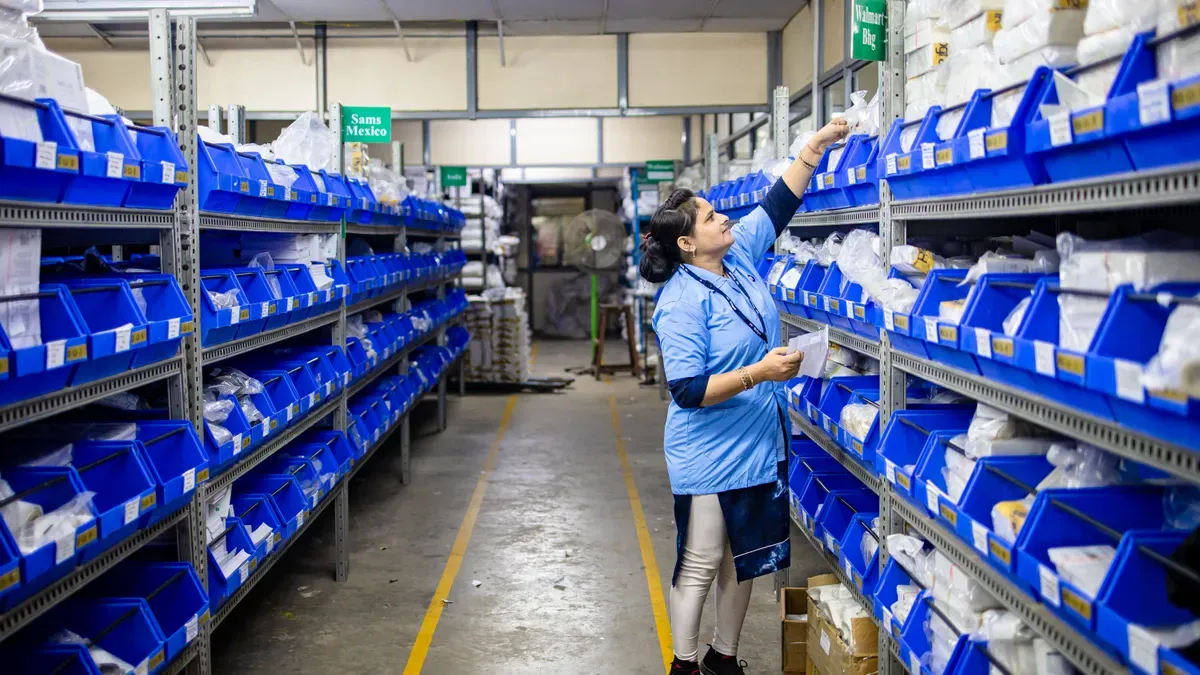
Computer vision beats RFID for finding products in stores and is now becoming the normal way to do it. The problems it solves are real: empty shelves, slow checkout, and items without tags like fresh fruits and vegetables. About 8% of products are missing from shelves at any moment, and 51% of items run out of stock at least once a year. Around the world, stores lose $1.2 trillion every year because items are out of stock. If RFID was supposed to fix retail tracking, why does this technology win instead? Real store situations—not just ideas—show the answer. Stores need a way to detect products that works without tags, without extra cost for each item, and without missing anything. Shoppers want checkout to be quick and easy. Retailers want shelves to be correct. This technology does both.
Key Takeaways
Computer vision finds products without tags, solving the problem of items like fresh produce that have no tags.
It cuts the number of times items are out of stock by up to 35%. It also makes checkout 30-40% faster.
Computer vision is cheaper in bulk since no fee applies per item tagged.
It gets very accurate results, with shelf detection precision up to 99.23%.
Using RFID and computer vision together gives stores the most complete view of their inventory.
What RFID Does Well
RFID has earned its spot in retail for solid reasons. It can scan many tagged items at once, give each item its own identity, and work well for high-value or serialized inventory. These strengths deserve fair credit before we compare anything else.
Tag-Based Inventory Tracking
RFID readers can pick up many tags in one pass. A worker waves a handheld reader near a shelf, and the system records every tagged item in seconds. This is much faster than counting by hand or scanning barcodes.
The accuracy gains can be measured. In some cases, RFID improves inventory accuracy by up to 13% compared to older tracking methods and manual inventory checks. The table below shows how the methods compare.
Tracking Method | Inventory Accuracy |
|---|---|
Barcode-based stock counts | 60–80% |
RFID systems | Above 95% |
A second set of data shows the same pattern. RFID inventory tracking reaches 95–99%, manual methods sit at 65–75%, and barcode lands at 92–96%. Retailers can see the difference on the sales floor.
Strengths in Serialized Goods
Serialized products need to be tracked one by one, and RFID does that job well. Each tag has a unique ID, so a retailer knows exactly which unit is on which shelf. High-value goods like electronics, pharmaceuticals, and luxury apparel fit this model.
RFID also checks condition, confirms contents, and verifies proper loading in supply chain settings. A distribution center can check a sealed pallet without opening it. The reader confirms the right items are inside and the shipment matches the manifest.
Serialized products that need individual tracking are seen as a top priority for RFID use. The data does not show a specific accuracy percentage just for serialized goods, but the fit is still clear. RFID tracks what barcodes cannot: every single unit, every single time.
Where RFID Falls Short
RFID works well when every item has a tag. That is rarely true in a real store. The technology fails on the very products retailers most need to track.
The Tagging Requirement
Every RFID system needs a physical tag on each item. Fresh produce, loose goods, and low-margin products make this hard to do. A banana or a head of lettuce cannot carry a tag at any fair cost. Loose items sold by weight have no natural spot to attach one.
Tag failure causes a second problem. Missing tags, damaged tags, and read-rate issues near metal or liquid packaging all break the chain. RFID does not work well on liquids or metal cans. One missed tag means a fake inventory record. The system reports stock that is not there.
Supplier integration adds another layer of trouble. Fresh food lines move fast and involve many small vendors. One retailer had over 350 vendors in fresh, some supplying fewer than five stores. Encoding tags with real-time date codes across that network requires a huge operational change.
Cost and Scalability Limits
Tag cost decides whether item-level RFID makes economic sense. The viability threshold sits under 4 cents per item, since the average grocery item costs $1.75. Current bulk pricing runs around $0.022 per tag for a decent inlay. That number looks promising until readers add infrastructure and labor.
Cost Factor | Typical Range |
|---|---|
Passive UHF inlay at apparel scale | $0.05–$0.08 per tag |
Passive UHF inlay at 100,000+ units | $0.05–$0.10 per tag |
Mid-range tags for pallets or cases | $0.15–$0.50 per tag |
Grocery chains run roughly 2% net margins on a $3 can of soup. Walmart tried RFID in the early 2000s at $1.50 per tag, and the effort failed. Readers must also fund reader infrastructure and coordinate every supplier to tag items before shipping. RFID does cut inventory-counting labor by 60–80% versus manual barcode scanning, but that saving does not offset item-level tagging costs across millions of low-value products.
How Computer Vision Detects Products Without Tags
Cameras, Models, and Visual Recognition
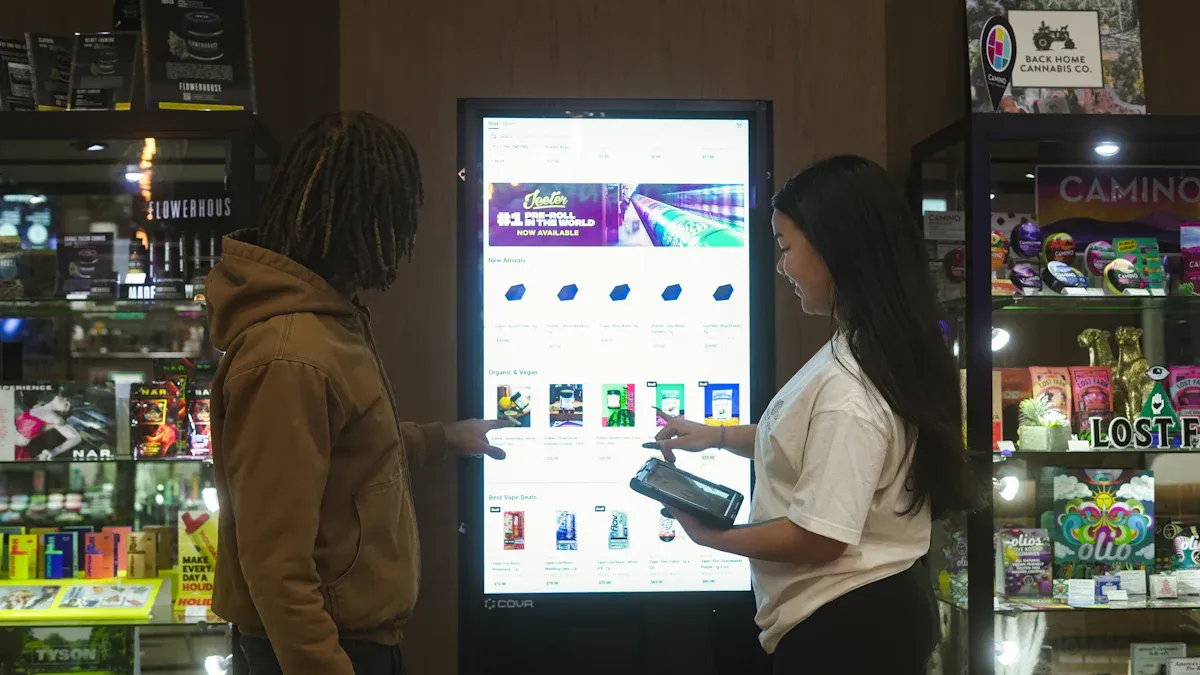
Cameras placed on shelves, ceilings, and checkout lanes take pictures of products all the time. AI models then study those images to figure out what is on a shelf, what a shopper picks up, and what moves through a store. The system learns product features like shape, color, size, and packaging design. It does not need a barcode or a tag to know what an item is.
Modern recognition models work with high accuracy. DiffNet, a fine-grained classification algorithm, spots product differences between similar shelf images at 95.56% mAP. ShelfWatch, a SKU-level recognition system, reports over 95% accuracy. A deployment at a global confectionery manufacturer hit 84% accuracy compared to manual audits. These results show that visual recognition handles real retail conditions well.
Untagged Items as a Solved Problem
Tag-based systems fail when products have no tag. Computer vision takes that requirement away completely. A bunch of bananas, a loose apple, or a head of lettuce has no tag and no barcode. The camera sees the produce and the model identifies it by how it looks. This ability covers any item a retailer stocks, no matter its size, margin, or packaging.
The business impact can be measured. iFactory reports that retailers usually get a 20–25% drop in out-of-stock rate after continuous monitoring rollout. AegisVision deployed its shelf monitoring system across more than 50 grocery stores. Within three months, automated out-of-stock detection cut lost sales from empty shelves by 35%. Computer vision delivers these gains without per-item tagging costs, which makes it more versatile and cost-effective than tag-based detection for most retail categories.
Fresh Produce and Fitting Room Scenarios
Identifying Produce by Appearance
Putting tags on fruits and vegetables does not make sense in real life. A banana, a loose apple, or a head of lettuce has no flat spot for a tag and no barcode to scan. Shoppers choose these items by hand, and cashiers weigh them when they pay. Computer vision fixes this problem by recognizing produce using how it looks.
Mashgin uses cameras along with computer vision to identify items. Barcode scanning reads only a black-and-white pattern, but Mashgin's cameras capture colors, shapes, sizes, and other visual details. This method works like how a person recognizes a product. The system identifies unpackaged items such as hot foods, fountain drinks, and fresh produce without any barcode.
Neuroshop's neural vision system recognizes fresh food items that look different each time by using their overall features. It does not expect the same look every time. The system reliably recognizes sandwiches, salads, and wraps. It also identifies packaged goods no matter how they face, whether showing logos in front or nutrition labels on the side. Beverages in different containers are told apart by shape, size, and label features, including similar products like different flavors of the same brand.
Product Recognition in Fitting Rooms
Fitting rooms create a special detection problem. Customers bring in several items, try them on, and sometimes leave without buying. Retailers need to know what goes in and out of the fitting room to track inventory and stop loss.
RFID tags can identify items customers bring into fitting rooms, but only if every piece of clothing has a working tag. Computer vision product recognition gives another option. Cameras at fitting room entrances detect items by how they look, matching them against the store's product catalog. The system tracks what goes in and what comes out.
Neuroshop's system handles tricky cases in a smart way. If customers look at products but put them back on shelves, the system knows nothing was bought. If items move while people browse, it tracks the changes instead of sending false alerts. This accuracy cuts down false alarms and gives retailers trustworthy data on fitting room activity.
Automated Checkout and Shelf Monitoring
Frictionless Checkout in Action
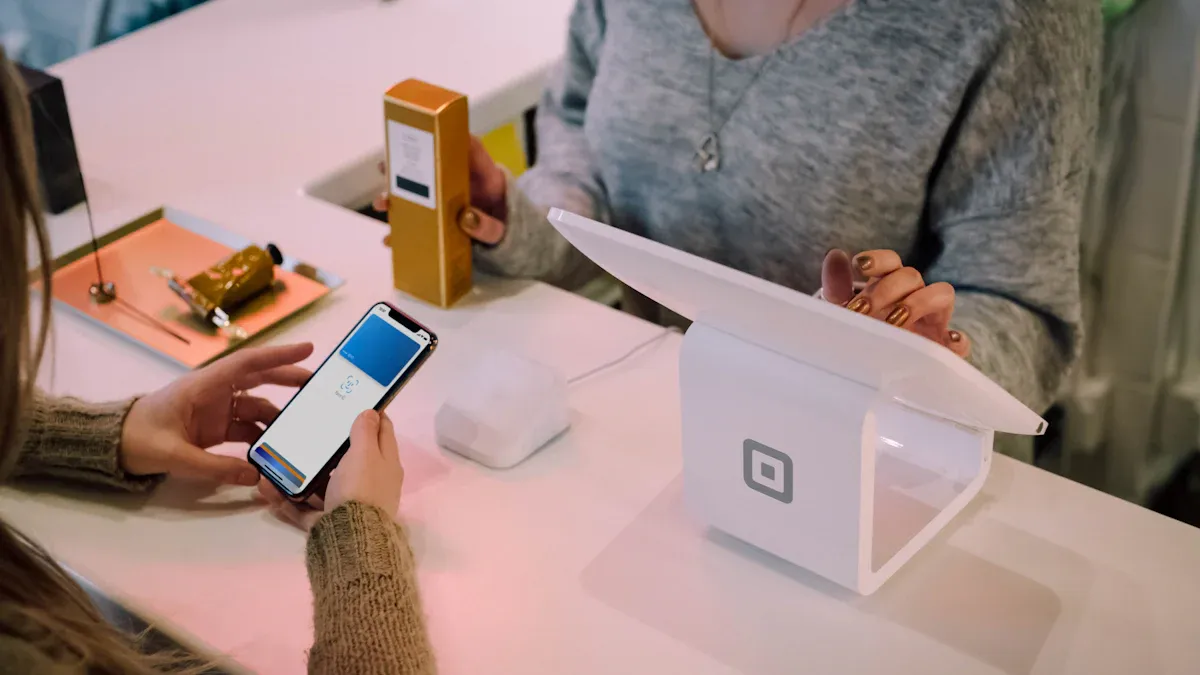
Checkout changes in stores like Amazon Go thanks to computer vision. The stores use cameras, weight sensors, and AI to watch what shoppers pick up. Cameras all over the store record where shoppers go and what they touch. Weight sensors on shelves tell which shopper removed which product. A multi-modal foundation model looks at camera and sensor data together to make correct receipts. The AI learns from a 3D map of the store and a picture list of items to spot products well.
Tracking technology | Function in the store |
|---|---|
Cameras | Record shopper movements and actions |
Weight sensors | Show which shopper took which item |
AI / machine learning | Use camera and sensor data to make correct receipts |
Visual recognition | Match items to a 3D store map and image catalog |
The outcomes appear at checkout. In self-checkout, items are recognized automatically, so shoppers no longer hunt for a barcode or wait for a scan. Shoppers get through faster, and stores serve more customers each hour.
Real-Time Shelf Compliance
Always-on computer vision watches shelves and planograms without manual checks. AI checks shelves against the planned layout all the time, so staff do not compare by hand. Alerts go out right away, which lets employees fix issues fast and keep shelves correct. Human audits differ from store to store and person to person, but computer vision gives the same results across many locations.
The numbers show it works. DiffNet, a fine-grained classification algorithm, reaches 95.56% mAP on retail product recognition tasks, and SKU-level recognition systems like ShelfWatch report over 95% accuracy. One deployment spans more than 50 grocery stores, so the approach can scale and work well.
AI skills for planogram checks can cut audit cycle time significantly.
Manual audits take many hours of staff time. Automation frees employees to focus on more important jobs. Gaps, wrong spots, and empty shelves are flagged immediately, which prevents lost sales instead of finding problems later.
Computer Vision vs RFID: Accuracy, Cost, and Versatility
Accuracy When Tags Fail
RFID accuracy relies on a chain of fragile parts. Tags must be there, stay whole, and answer the reader. One missing tag makes a full shelf look empty. Liquids and metal cans block radio signals, so common grocery packaging fights the technology. Camera-based recognition does not break this way. It reads a product's shape, color, and label from a camera image. If the product is there, the system sees it.
The gap shows up in the numbers. DiffNet, a fine-grained classification algorithm, reaches 95.56% mAP on retail product recognition tasks. Product recognition with ShelfWatch reports better than 95% accuracy. RFID inventory counts also reach better than 95% when tags work right. The difference appears when tags fail. A lost tag removes that item from the RFID record. A camera still sees the product right where it sits. Identifying fresh produce by physical appearance opens the category that RFID cannot pass. This difference shows up every day. A camera recognizes a loose item the moment it appears in view. An RFID reader waits for a signal from a tag that may never come.
Cost per Item and ROI
RFID carries a bill for every unit it tracks. Passive inlays cost roughly $0.05 to $0.10 at scale, and labor to apply and maintain them adds more. Readers and supplier integration raise the investment further. The cost per tag matters less for a high-priced jacket than for a $1.75 grocery item. RFID fits higher-margin goods such as clothing better, while it is less sustainable for low-value or perishable items in everyday supermarkets. That distinction frames the ROI story.
The economics get harder for everyday groceries. The average grocery item costs $1.75, and grocery chains run roughly 2% net margins on many products. A tag that costs even a few cents eats that margin. Walmart's early RFID trial at $1.50 per tag did not survive the cost burden. RFID can cut inventory-counting labor by 60–80%, but that saving does not pay for tagging millions of low-value products.
Factor | RFID | Camera + AI |
|---|---|---|
Detection source | Tag signal | Camera image |
Cost per item | Tag price plus labor | None after installation |
Untagged produce | Not practical | Accurate by appearance |
Category coverage | Serialized, high-margin goods | Any visible product |
Failure mode | Lost tag equals lost data | No tag required |
In a head-to-head cost comparison, computer vision wins at scale. A store pays once for cameras and processing. There is no per-item tag fee and no tagging workflow. The long-term return comes from covering complete categories with the same system. The ROI picture changes when a retailer compares apples to apples. RFID beats vision for serialized goods where item identity matters. Vision beats RFID for produce, loose goods, apparel without tags, and the thousands of SKUs where tags never made sense. The available evidence supports exactly that split. Visual recognition performs especially well in fresh produce and apparel without tags because it relies on appearance. That logic also explains versatility. One system sees everything, regardless of category or price point. A grocery chain can track bananas, detergent, and t-shirts with one camera layer. No tagging workflow, no tag failures, and no per-unit cost stand in the way.
Combining RFID and Computer Vision
RFID follows items using tags, and computer vision studies pictures to understand stock, shopper habits, and store tasks. Each technology covers what the other one misses. RFID proves which tagged units are in the system. Cameras prove what is really on the shelf, how shoppers handle it, and whether the display follows the plan. Retailers get a fuller view when both systems send data to the same platform.
Verified Visibility in Practice
Verified visibility means a retailer knows what should be on a shelf and what is truly there. RFID gives the first half through tag reads. Computer vision gives the second half through nonstop image study. When the two records do not match, the system marks a gap before it turns into a lost sale.
The accuracy gains can be measured. RFID systems reach 95% or better inventory accuracy, while manual stock counts can sit near 65%. That gap means about a 30 percentage point improvement. Mixing RFID with constant computer vision pushes visibility even higher, because cameras catch untagged items and misplaced products that tag reads alone would miss.
Stronger Loss Prevention
RFID and machine vision together build a strong retail loss prevention system. RFID finds which tagged items leave a zone or never reach the point of sale. Cameras spot the behavior around that movement, like items put in bags or carried past checkout. The two data streams confirm each other, which cuts false alarms and reveals real losses.
This pairing also guards high-shrink categories. A fitting room camera sees what a shopper carries in, and RFID confirms which tagged garments never return to the floor. Fresh produce, which has no tag, stays covered by visual recognition alone. The combined layer closes gaps that neither technology handles on its own.
Computer vision finds products in stores better than RFID. It needs no tags, costs less when used widely, and handles fresh produce well. RFID still works best for costly serial-numbered items. Retailers see a true picture when using both. Computer vision is becoming the standard way in modern retail.
FAQ
Does computer vision need a tag or barcode on every product?
No. Cameras look at a product's shape, color, size, and label. The system figures out what an item is without any tag or barcode. This works for fresh produce, loose goods, and other items that cannot hold a tag. Stores get full category coverage from one camera layer.
How accurate is camera-based detection compared to RFID?
Both reach high accuracy when conditions are perfect. RFID inventory counts go above 95% when tags work right. Computer vision systems like ShelfWatch report better than 95% accuracy. The big difference shows up when tags fail. A camera still sees the product; a lost tag takes it out of the record.
What does computer vision cost compared to per-item tagging?
A store pays once for cameras and processing. Passive RFID inlays cost about $0.05 to $0.10 per tag at scale, plus labor to put them on and keep them up. For a $1.75 grocery item, that per-unit cost eats into thin margins. Vision has no per-item fee after setup.
Can retailers use RFID and computer vision together?
Yes. RFID confirms which tagged units are in the system. Cameras check what is really on the shelf and how shoppers handle it. When the two records do not match, the system flags a gap before it turns into a lost sale. This pairing gives verified visibility and stronger loss prevention.
Which technology works better for fresh produce?
Computer vision wins for fresh produce. A banana or head of lettuce has no flat spot for a tag and no barcode to scan. Cameras identify these items by how they look alone. RFID cannot track them at any practical cost. Vision opens a category that tag-based systems cannot cover.
See Also
Smart Technology In Electronics Vending Machines Transforms Modern Retail Industry
Comparing Micromarkets And Smart Stores In Global Automated Convenience Retail
AI-Powered Corner Stores Are Growing And Retailers Must Understand This Trend
Grocery Vending Machines Are Transforming Retail Accessibility For All Consumers
Examining Walgreens Self-Checkout Systems For Convenience And Retail Challenges
