Hospitals & healthcare facilities ideal for autonomous micro market deployment

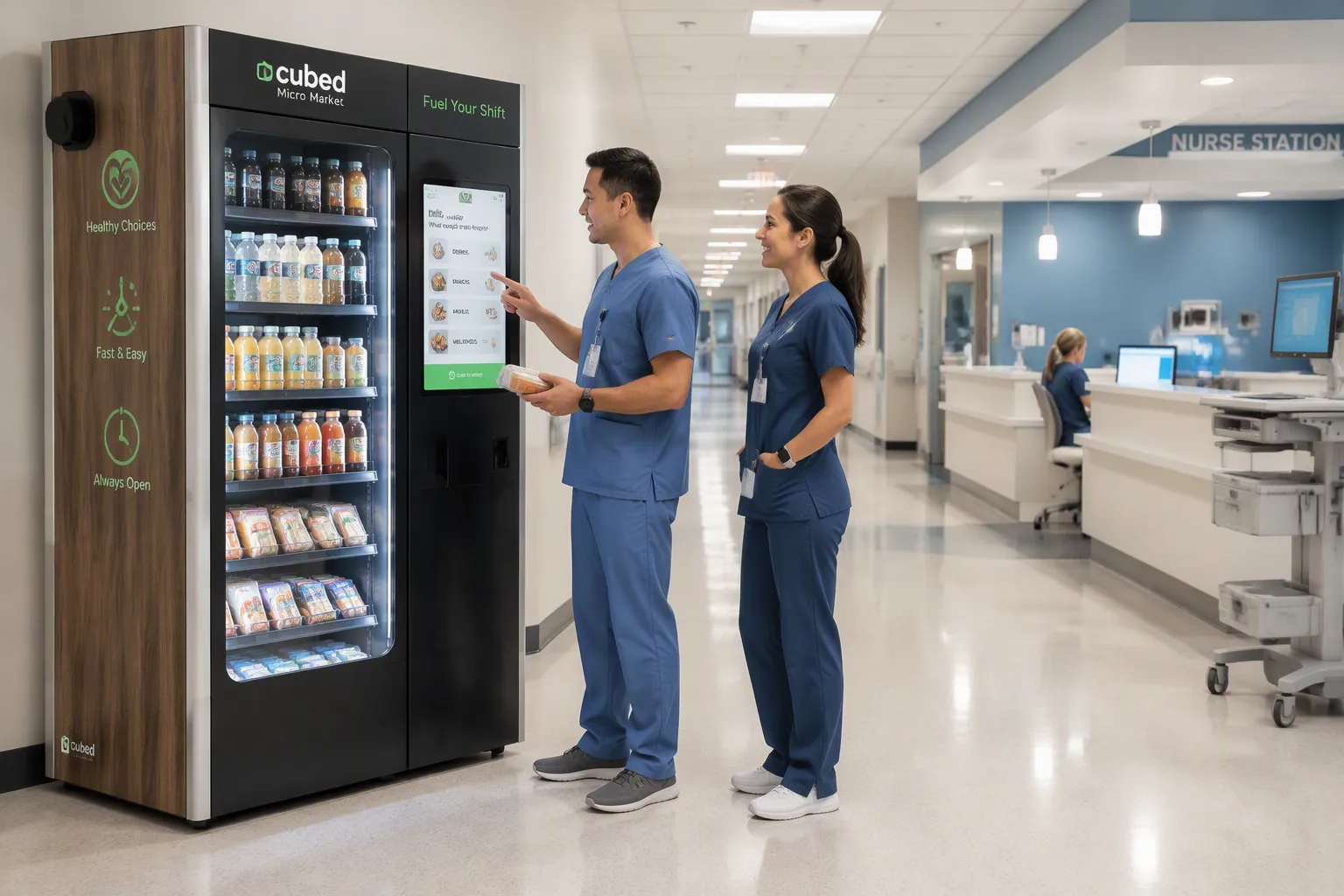
Large hospitals, micro-hospitals, specialty and outpatient centers, long-term care facilities, and behavioral health facilities all suit autonomous micro market deployment. These hospitals & healthcare facilities share key traits. They generate high foot traffic around the clock. Staff, patients, and visitors need food and drinks at all hours. Many healthcare facilities offer limited on-site dining options. Shift workers struggle to find fresh meals during off-peak hours. You will find that these environments create steady demand for self-service retail. An autonomous micro market solves this problem. It provides convenient access to snacks, beverages, and grab-and-go items. Healthcare leaders should recognize this opportunity. The following sections explain why each facility type works well.
Key Takeaways
Autonomous micro markets provide 24/7 food access in hospitals, solving off-hour demand.
They reduce labor costs by eliminating cashiers and automating transactions.
Micro markets fit various healthcare facilities, from large hospitals to behavioral health centers.
They improve staff morale and patient satisfaction with convenient, healthy options.
These markets complement traditional cafeterias by filling service gaps without adding staff.
Large Hospitals & Healthcare Facilities
Round-the-Clock Staff and Visitor Demand
Large hospitals never close. Nurses, physicians, and technicians work rotating shifts through the night. A nurse finishing a 12-hour shift at 3 a.m. needs a meal. A visitor waiting in an emergency room needs coffee and a snack. Traditional cafeterias close in the evening. This gap creates constant demand for grab-and-go food and drinks. You can place an autonomous micro market near staff lounges or waiting areas. The market stays open when the cafeteria does not. This solves staffing challenges for dietary departments. You do not need to pay cashiers for overnight hours. You also reduce labor costs across the board. Optimizing labor becomes easier when technology handles the transaction. An autonomous checkout system lets a tired nurse grab a sandwich and pay in seconds. That convenience matters in a hospital environment.
High Foot Traffic and Diverse Needs
A large hospital serves thousands of people every day. Employees, patients, and visitors all pass through the same corridors. This steady flow makes hospitals & healthcare facilities prime locations for self-service retail. You will find demand from a surgeon who wants a healthy salad and from a family member who wants a candy bar. An autonomous micro market stocks both. It also handles dietary restrictions with labeled options. Moving food and water to multiple floors becomes simpler with autonomous delivery robots. These machines carry items directly to units. That capability supports 24/7 access for every floor. Noncommercial foodservice operators can expand their hours of operation without adding staff. A micro market on hospital premises fills the gaps that a single cafeteria cannot cover. You improve foodservice access for everyone. You also give your team a reliable location where customers are on site and ready to buy. This model works across all hospitals & healthcare facilities, from urban trauma centers to suburban medical campuses. The result is better healthcare for the whole community.
Micro-Hospitals: A Growing Healthcare Opportunity
Decentralized Care and Smaller Footprints
Micro-hospitals are small inpatient facilities. They cost less to build and open faster than traditional hospitals. You will find them in neighborhoods that need local care. Micro-hospitals operate across the United States today. They deliver decentralized, accessible, and affordable care to their communities.
These facilities keep their footprints small. A typical micro-hospital holds about 5–10 inpatient beds. The Advisory Board reports that operators usually license these sites for a minimum of eight inpatient beds for observation and short stays. Real examples confirm this range. Baylor Scott & White in Colleyville, Texas, runs 8 inpatient beds. Integris Health and St. Luke's Health System each operate 8–10 beds. St. Vincent Health uses 4 inpatient rooms for as many as 8 overnight patients. This compact scale shapes every decision inside the building, including how you feed patients, staff, and visitors.
Lower Costs, Higher Convenience
A small facility rarely supports a full cafeteria. Dietary teams cannot staff a kitchen around the clock. This gap makes autonomous micro markets an ideal fit. You install a self-service retail unit in a hallway or break room. Staff and visitors then buy snacks, drinks, and grab-and-go food at any hour. An autonomous checkout system completes each sale in seconds. No cashier, no line, no closed sign.
The economics favor this approach. Micro-hospitals already cut construction and operating costs. Adding a micro market extends those savings to retail service. You avoid the payroll, waste, and equipment costs of a traditional foodservice operation. Nurses on night shifts gain reliable access to meals. Patients and families find options without leaving the building. For healthcare operators, the model turns a small footprint into a real advantage.
Specialty and Outpatient Centers
Quick Visits and Autonomous Checkout
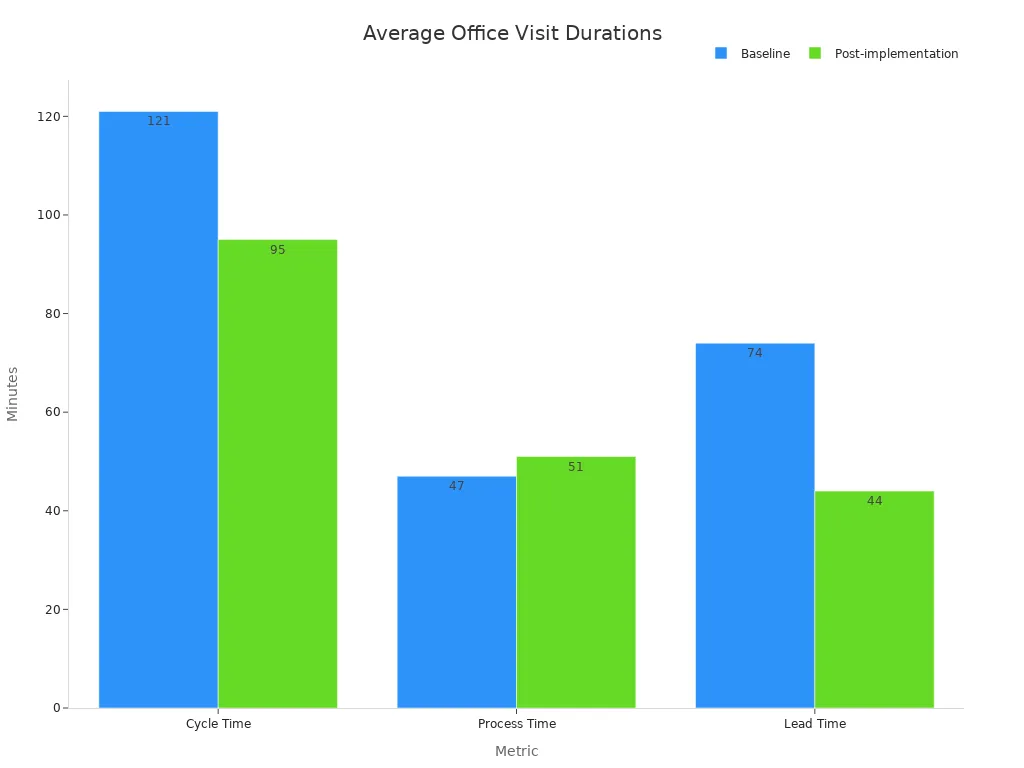
Outpatient clinics run on tight schedules. Patients arrive for a quick procedure, a follow-up exam, or a lab draw. They rarely stay long. A baseline workflow study measured an average office visit cycle time of 2 hours 1 minute (121 minutes). That total broke into 47 minutes of process time and 1 hour 14 minutes of lead time. A post-implementation time study of 231 patients cut the cycle time to 95 minutes. Process time held near 51 minutes, and lead time fell to 44 minutes.
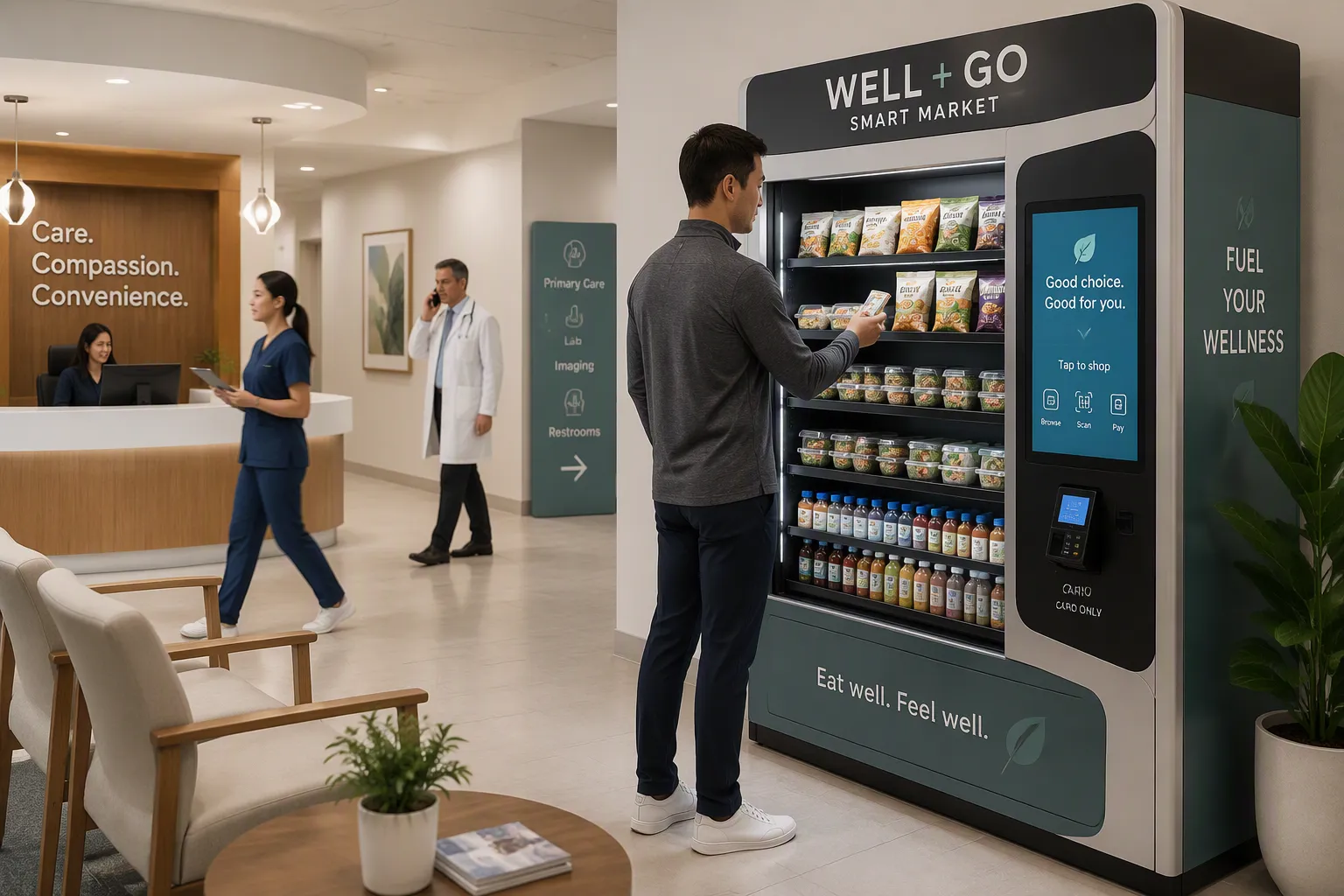
Waiting rooms fill that lead time. You can turn dead time into retail opportunity. An autonomous checkout solution lets a patient grab a drink or a snack without a cashier. The system handles payment in seconds. No one waits in checkout lines. This setup supports healthcare facilities that want faster service and happier visitors. A patient with a 10-minute wait can buy a snack and still make the appointment. The clinic gains a service without hiring retail staff, and healthcare teams gain a reliable amenity.
Staff Convenience in Busy Clinics
Clinic staff work long hours with little downtime. A medical assistant between patients needs a quick bite. A physician finishing a packed schedule wants coffee. These workers cannot leave the building for a meal. An autonomous checkout gives them a fast option on site. They pay and return to work in under a minute.
Specialty centers often lack a full cafeteria. Space goes to exam rooms and equipment instead. A micro market fits in a break room or hallway corner. It stocks healthy items, drinks, and grab-and-go meals. Staff gain reliable access during every shift. Healthcare leaders see better morale and less time away from patients. Patients and families also benefit from the same convenience. This model strengthens healthcare operations without adding staff. You improve the workday for everyone in the building. A busy clinic cannot spare a team member to run a register. The technology handles that task instead. Healthcare providers gain a low-cost amenity that serves every visitor.
Long-Term Care Facilities
Continuous Care and 24/7 Access
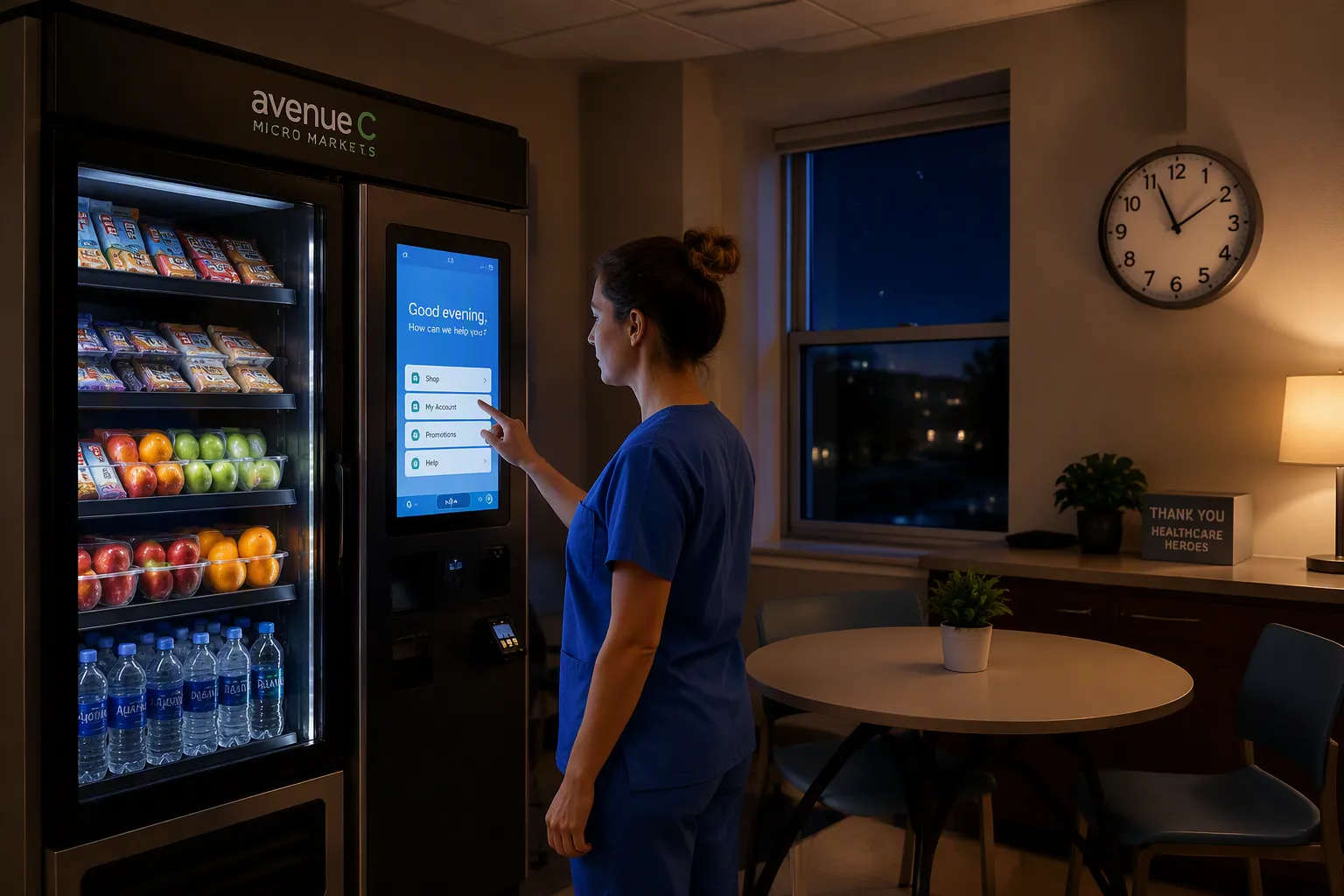
Long-term care facilities operate around the clock. Residents require continuous care. Staff work overnight shifts. These teams need access to food and water at any hour. Traditional dining rooms follow scheduled meal times. You cannot expect a night shift nursing assistant to wait until breakfast. An autonomous micro market solves this problem. It sits in a break room or common area. You stock it with fresh items. Staff and visitors buy what they need. The system runs without a cashier. This setup guarantees 24/7 access for customers. You improve satisfaction across your facility.
Every healthcare facility benefits from this model. The healthcare environment demands flexibility. A resident's family member arrives late in the evening. They want a snack or a drink. The cafeteria closed hours ago. Your micro market provides a solution. You expand foodservice access without adding labor costs. The technology handles everything. You also support the broader healthcare team. Your dietary department focuses on meal preparation. They do not worry about after-hours service. The micro market ensures 24/7 access throughout your building. This model works well in skilled nursing facilities and assisted living centers. You create a better experience for everyone.
Supporting Staff and Residents
Your staff face long shifts. A certified nursing assistant works 12 hours. They need quick energy between tasks. A micro market near the nursing station offers healthy options. They grab a protein bar or fruit. Autonomous checkout handles the payment in seconds. No line forms. No time is wasted. You support team morale and productivity. Staff stay on the unit. Residents receive consistent care.
Healthcare operators recognize this value. Residents and their visitors also gain convenience. You stock items that meet dietary guidelines. Sugar-free options, low-sodium snacks, and fortified drinks serve specific needs. Family members find convenience too. They do not leave the building for coffee. You turn a simple amenity into a competitive advantage. Long-term care facilities often face budget constraints. A micro market generates revenue without requiring a large investment. You improve daily life in this healthcare setting. You support both staff and residents effectively.
Behavioral Health Facilities
Controlled Access and Safety
Behavioral health facilities require strict control over who enters and where they go. Patients need protection from harm. Staff need a calm, secure environment. You cannot place a standard vending machine or open retail counter in these spaces. An autonomous micro market fits this setting well. The unit sits in a locked staff lounge or a supervised common area. Only approved individuals gain access. The system tracks every transaction. No cash changes hands. This design reduces risk and supports patient safety.
Security matters in every healthcare setting, but behavioral health demands extra care. You must remove items that pose a danger. Glass bottles, metal utensils, and certain medications stay out of the unit. You stock soft packaging and approved products instead. The technology enforces purchase limits. Staff monitor the market through existing security systems. This approach protects patients and preserves dignity. According to KFF data for 2024, the United States operates 1,278 inpatient behavioral health facilities. Each one faces the same access and safety challenges. An autonomous micro market gives you a controlled retail option that meets those demands.
Meeting Unique Patient and Staff Needs
Patients in behavioral health facilities follow structured daily routines. They cannot leave the building for snacks or drinks. Visitors also face restricted movement. A micro market inside the facility provides convenient access to approved items. You stock caffeine-free beverages, healthy snacks, and comfort foods. Patients gain a small measure of choice. That choice supports recovery and daily morale.
Staff needs differ from other healthcare environments. Nurses and therapists work long, emotionally demanding shifts. They need quick breaks with easy food access. An autonomous checkout lets them grab a meal in seconds. They return to their units fast. You support their well-being without adding retail staff. This model strengthens healthcare operations across the facility. You improve satisfaction for patients, visitors, and employees alike. Behavioral health facilities benefit from the same drivers as other healthcare sites: steady demand, limited food service, and round-the-clock staffing. A micro market delivers all three.
Large hospitals, micro-hospitals, specialty and outpatient centers, long-term care facilities, and behavioral health facilities all represent ideal environments for autonomous micro markets. These hospitals & healthcare facilities share common drivers. High foot traffic, 24/7 access, staff convenience, patient needs, and limited on-site food options all create steady demand. You can improve customer satisfaction without adding labor costs. The technology cuts overhead while providing round-the-clock service. Healthcare executives and facility managers should evaluate this healthcare technology carefully. This scalable, cost-effective healthcare solution improves satisfaction and operational efficiency across your facilities. Hospitals & healthcare facilities benefit from reduced overhead and better staff morale. The model delivers real value for your entire organization.
FAQ
What is an autonomous micro market?
An autonomous checkout system lets customers grab items and pay without a cashier. Stocked with snacks, drinks, and grab-and-go meals, it operates 24/7 in your healthcare facility.
How do autonomous micro markets improve facility operations?
They provide round-the-clock food access without labor costs. Staff, patients, and visitors buy items instantly. This reduces pressure on dietary departments and improves satisfaction across your healthcare setting.
Can autonomous micro markets work in behavioral health facilities?
Yes. You place units in controlled areas with approved products. The system tracks all transactions. This maintains safety while providing convenient access for staff and patients in sensitive healthcare environments.
Do micro markets replace traditional hospital cafeterias?
They complement, not replace, traditional foodservice. Micro markets fill off-hour gaps when your healthcare cafeteria closes. You keep full service during peak times and offer self-service options overnight.
What products should you stock in a healthcare micro market?
Stock healthy options, protein bars, fresh fruit, sandwiches, and caffeine-free beverages. Include items that meet common dietary restrictions. Tailor selections to your specific healthcare facility population.
See Also
Comparing Micro Markets And Smart Stores In Global Automated Convenience Retail
Creative Vending Machine Placements That Go Beyond Usual Locations
Find The Top Micro Market And Vending Options For Your Company
Exploring Top Micro Market And Vending Solutions Across America For Businesses
Boosting Staff Productivity Using Intelligent Vending Solutions In Small Offices
