How Should a Cashierless Store Be Tested Before Opening?

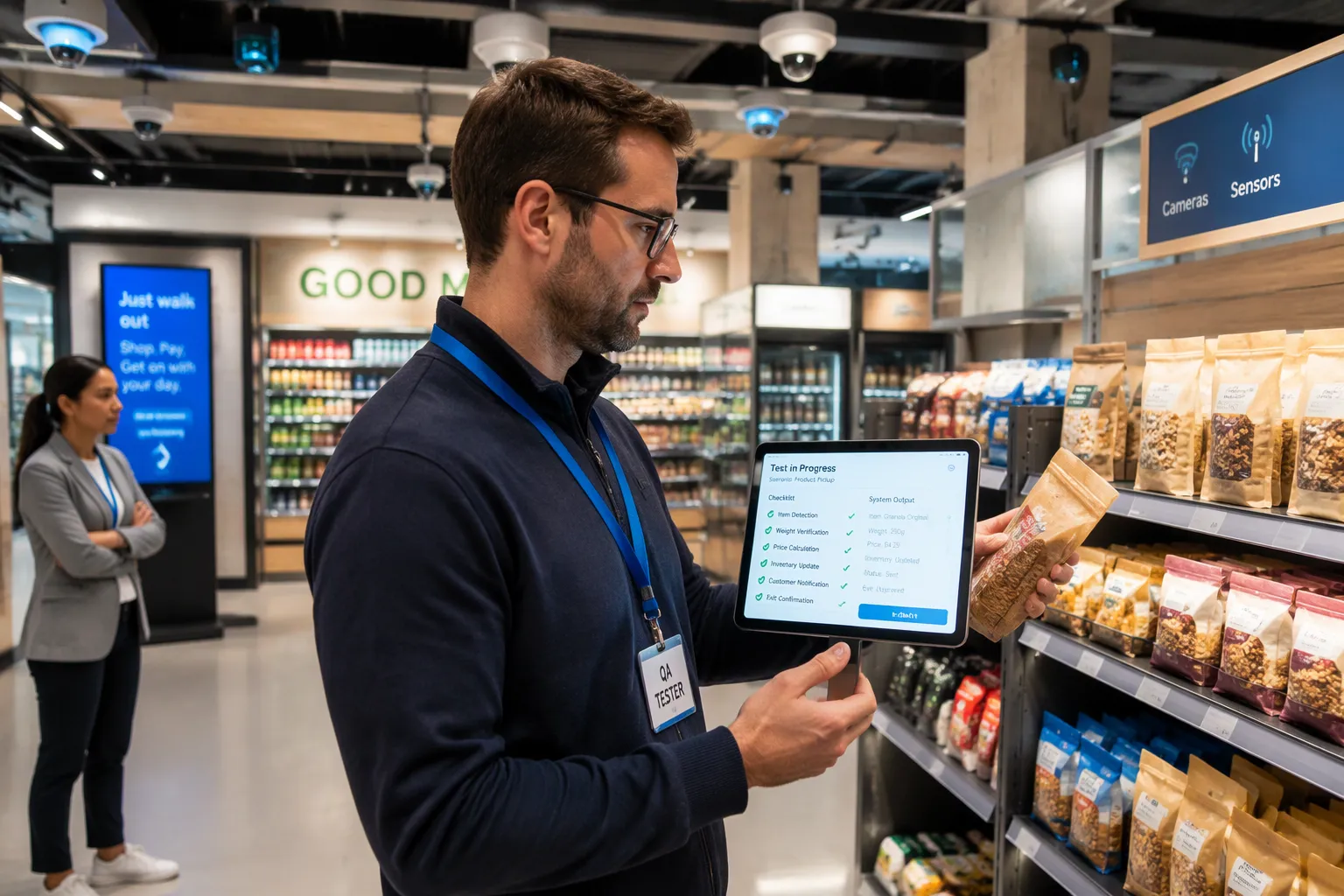
Before opening day, test a cashierless store in four areas: technology, operations, compliance, and cost. Each area catches a different kind of failure. Weak technology testing leads to checkout errors. Untested operations bring surprise losses. Skipped compliance work invites fines from regulators. Loose cost tracking produces budget overruns.
You need a partner who supports every stage of that testing. Cloudpick builds computer vision, sensor fusion, and analytics into one platform. Its team has set up smart retail systems for more than 100 clients in 30 countries. That track record gives you a proven base for your own pilot.
Key Takeaways
Check your store in four main areas: technology, operations, compliance, and cost.
Begin with a small group of products. Add more as your system shows it works well.
Use Cloudpick's tools to track how shoppers act and fix problems before you open.
Check the law, like GDPR, and get permits early. This helps you avoid fines and delays.
Compare pilot costs to your budget every week to avoid surprise overruns.
How Should a Cashierless Store Be Tested?
Begin by taking an honest look at what makes your store different. What do your shoppers want? Which products sell fastest? What does your space allow? These answers help you choose your technology before you spend money on hardware. Cloudpick's AI-Powered Unmanned Store works well as a testbed here. It supports automated settlement and 24/7 unmanned operation, so you can watch real behavior under real conditions.
Shopper Identification and Check-In
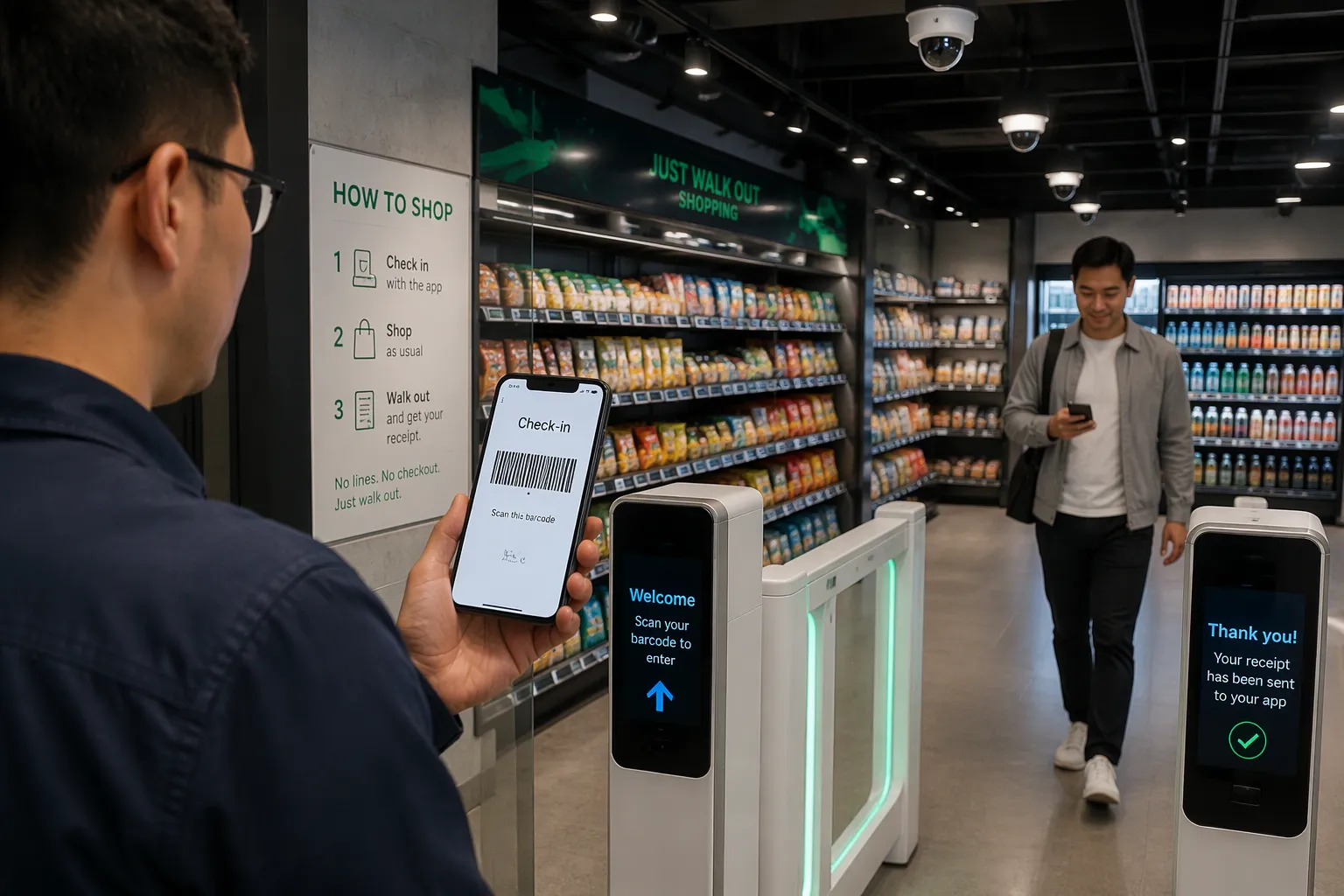
Make sure your system recognizes each shopper in the store without using facial recognition. Privacy-safe identification protects you legally and builds customer trust. Test app barcode check-in at the entry point. Watch for slow scans, failed reads, and duplicate entries. Run the test with different phone models and screen brightness levels. A shopper who cannot check in will not shop. Cloudpick's platform ties check-in to a unique shopper identity, and that identity follows the customer through the visit.
Product Selection and Exit Flow
This step carries the most risk in any cashierless store. Confirm that cameras, sensors, and retail systems correctly track what customers pick up. Make sure machine learning algorithms add the right item to each shopper's virtual cart. Test tricky cases: two shoppers reaching for the same shelf, items put back in the wrong spot, products with similar packaging. Then test the exit. Shoppers walk through exit gates and get an emailed receipt without a checkout step. Time how long the receipt takes to arrive. Check that charges match the cart. Cloudpick's multi-dimensional sensor technology and digital twin reconstruction form the validation backbone for this work. The digital twin rebuilds each visit in software, so you can replay every transaction and spot tracking errors. Cloudpick has deployed this approach for more than 100 clients across 30 countries, which gives you a tested foundation rather than an untried experiment.
Run these two tests together over several days. Shopper behavior changes by hour and by day. A quiet Tuesday morning tells you little about a busy Saturday. Log every mismatch between the virtual cart and the physical basket. Fix tracking errors before you widen the product range. This disciplined approach turns a risky cashierless store launch into a measured, evidence-based opening.
How Do You Test Store Operations?
Customer Flow and Layout Trials
Try out customer flow before you fill the shelves. Watch how people move around the space. A good layout helps shoppers grab and go. They should reach products, pick them up, and head to the exit without walking back or hitting fixtures. Mark the floor and time a few full visits. Then change shelf height and aisle width until traffic moves smoothly.
Cloudpick's Computer Vision Coolbinet fits the last-10-meter purchase need. This small mini AI unmanned store works well near entrances, elevator banks, or transit corridors. Put one in your pilot and see how shoppers use it along with the main floor. Cloudpick's data-driven layout and product optimization then turns those observations into placement decisions. The system shows which zones pull traffic and which products sell best in each spot.
Inventory and Staff Role Checks
Test inventory management and replenishment triggers with the Smart Store Management System. Its remote store control lets you check stock levels from anywhere. Set a low-stock threshold and make sure the system alerts your team at the right time. Run the test until the trigger fires reliably. A missed alert means an empty shelf and a lost sale.
Define staff roles next, then practice them. Restocking, exception handling, and remote monitoring each need a clear owner. Walk your team through a simulated tracking error and time their response. For outdoor or pop-up pilots, the Moby Mart adapts quickly to new scenarios. Its mobile design lets you test a location for a few days and then move on. Cloudpick supports this kind of rapid deployment across its 200+ smart stores worldwide. Use that same discipline in your pilot, and your team will handle opening day with confidence.
What Compliance Tests Are Required?
Compliance testing keeps your business safe from fines, forced closures, and legal fights. Do these checks before you open the doors, not after.
Privacy, Licensing, and Data Protection
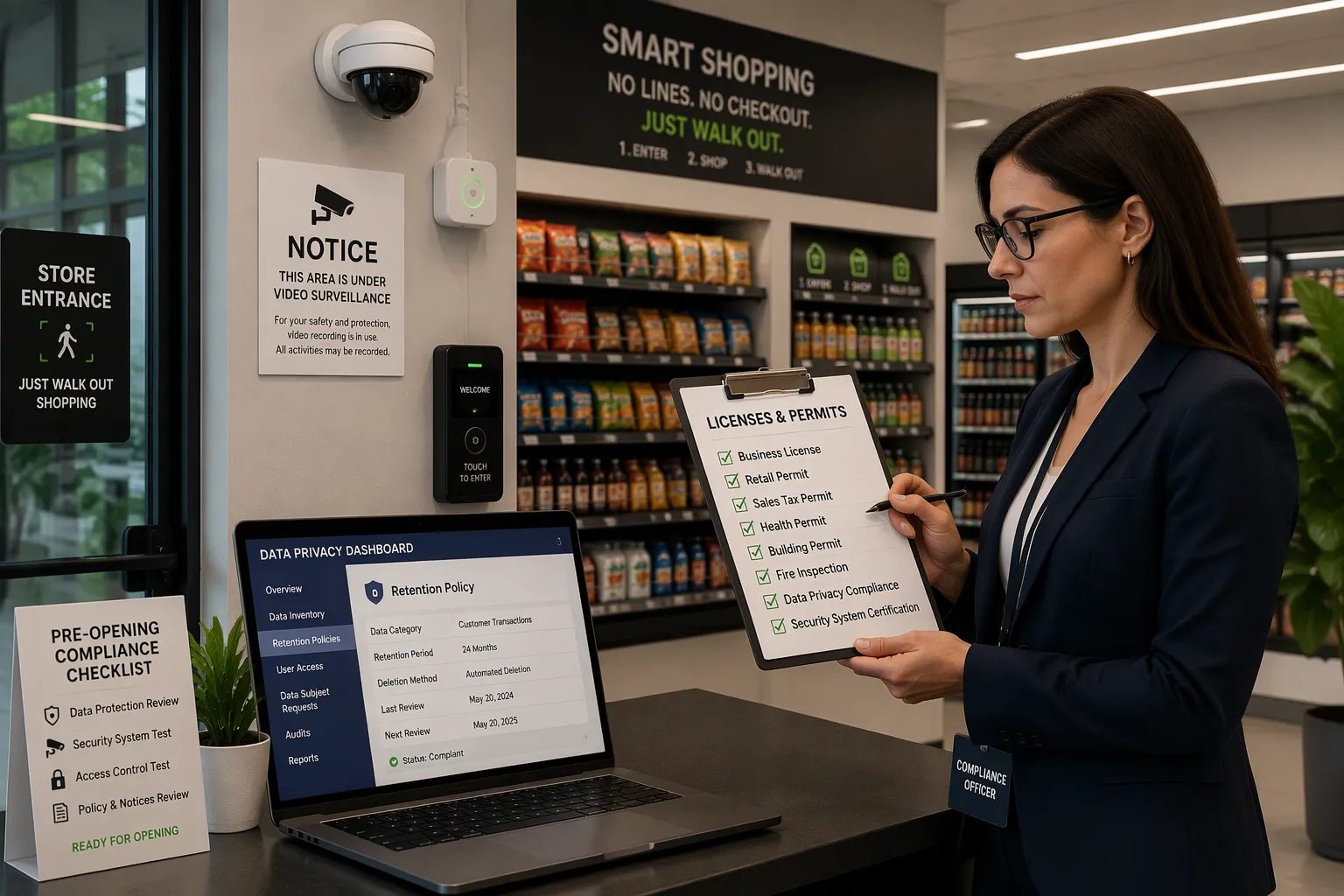
Check that your data protection follows GDPR before you open. GDPR sets the rules for how you collect, store, and delete personal data. Your system records shopper identity, purchase history, and movement patterns. Map out where that data lives, who can see it, and how long you keep it. Write a retention policy and test the deletion process. Make sure your ID method does not use facial recognition, because biometric data has the strictest consent rules under GDPR.
Get your surveillance systems certified next. Cameras and sensors need written approval before they go live. Keep the certificates on file and post the required notices where shoppers can see them.
Get and check your city licenses and opening permits as part of pre-opening testing. Contact your local authority early. Permit reviews take time, and a missing permit delays your launch no matter how well the technology works. Make a checklist of every license your location needs, then confirm each one in writing.
Cloudpick's platform helps with this work through its Smart Store Management System. Remote store control gives you a clear record of system activity, which helps during audits and inspections. The same data trail shows regulators exactly what your store captures and why.
Security, Safety, and Loss Prevention
Test security and alarm systems for 24-hour cashierless operation. An unmanned store runs with no staff on site, so your alarms must work without human backup. Trigger each sensor and confirm the alert reaches your monitoring team. Check door controls, emergency exits, and camera coverage in every corner. Run the test at night, when the store is empty.
Check loss-prevention performance next. Some systems rely only on ceiling cameras and AI software to figure out what is being bought. That design works well, but you must prove it catches real losses. Set up a few test scenes: a shopper who leaves without paying, a shopper who swaps packaging, a shopper who takes an item from a shelf and walks out. Record whether the system flags each event and whether your team responds.
Cloudpick's multi-dimensional sensor technology and digital twin reconstruction make this test stronger. The digital twin rebuilds each visit in software, so you can review any flagged event frame by frame. Cloudpick has deployed this approach for more than 100 clients across 30 countries, and its systems run in 200+ smart stores worldwide. That history gives you a tested loss-prevention model rather than an untried one.
Finish with accessibility and fire-safety signage. Walk the floor as a first-time visitor. Confirm that exit signs, fire equipment, and accessible routes are visible and not blocked. A cashierless store still needs to meet the same safety codes as any other retail space.
How Do You Validate Costs?
Budget vs. Actual Expense Tracking
Make a detailed budget before the pilot starts, then compare it to real spending every week. List each cost type on its own line: sensors, cameras, payment hardware, installation, and software fees. One big total can hide the overruns that matter. Keep setup costs and running costs on separate sheets, because they act differently. Hardware bills come once, while software and support fees repeat every month.
Record every invoice against its budget line the day it arrives. Mark any line that goes over and find the cause before the next purchase. Maybe a camera model needs a mount you did not plan for. Maybe installation took extra crew hours. Catching these gaps early keeps a small pilot from becoming a big surprise.
Cloudpick ROI and Analytics Review
Use Cloudpick's Smart Store Management System analytics to measure what the pilot saves. The platform's remote store control shows labor hours per day, restocking frequency, and exception counts in one dashboard. Compare those numbers to your old staffing model. Fewer hours on routine tasks means lower operating costs, and the dashboard puts that gain in plain figures you can defend to leadership.
Review your return on investment against Cloudpick's deployment record. The company runs 200+ smart stores worldwide and follows a rapid deployment model, so you can compare your pilot results to a large base of live sites. Cloudpick's team has also served more than 100 clients across 30 countries, which means the cost model rests on repeated practice, not theory.
Confirm cost-effectiveness before you scale from pilot to full opening. Add up the savings, subtract the running fees, and check that the result holds for a full-size store. If the numbers work, expand with confidence. If they do not, adjust the product mix or layout first.
Check your cashierless store in four main areas before opening day: technology, operations, compliance, and cost. Each area catches a different problem, and each one needs real proof, not guesses.
Start with a small product set and add more in stages. Cloudpick's analytics show you are ready at every step, and its record of 200+ smart stores worldwide gives you a benchmark for each stage.
Build your own pre-launch test plan this week. List the checks for each area, assign an owner, and set a pass mark. Your opening day will reward that preparation.
FAQ
How long should a cashierless store pilot run before opening?
Run the pilot long enough to cover a full week of shopper traffic, including your busiest days. Cloudpick's Smart Store Management System records every visit, so you can compare weekday and weekend behavior. Keep the pilot going until tracking errors and stock alerts settle into a steady, predictable pattern.
Which Cloudpick product suits a small location?
The Computer Vision Coolbinet fits tight spaces. Cloudpick designed this mini AI unmanned store for purchase needs within the last 10 meters, such as lobbies and transit corridors. For outdoor or temporary sites, the Moby Mart moves quickly between locations. Both run on the same Cloudpick platform as the full AI-Powered Unmanned Store.
Does Cloudpick's system use facial recognition?
No. Cloudpick's platform identifies shoppers through app check-in and sensor tracking, not facial recognition. This design keeps you clear of the strictest biometric consent rules under GDPR. Your legal team can review the data flow with a simpler compliance picture.
What proof does Cloudpick offer from real deployments?
Cloudpick serves more than 100 clients across 30 countries and powers 200+ smart stores worldwide. Its multi-dimensional sensor technology and digital twin reconstruction have run in live retail environments, not just lab tests. You can compare your pilot results against that deployed base.
Can I test a cashierless setup without building a full store?
Yes. Start with a Coolbinet or a Moby Mart unit and a small product set. Cloudpick's rapid deployment model lets you check tracking, settlement, and remote monitoring at low cost. Move up to a full store once your analytics show you are ready.
See Also
Cloudpick Delivers Cashierless Shopping Convenience Directly to Your Retail Store
Examining Walgreens Self-Checkout: Retail Convenience and Challenges Explored
Launching an AI-Powered Corner Store with Minimal Investment Made Easy
Micromarkets Versus Smart Stores: Automated Convenience Retail Operations Worldwide
