Top 10 Inventory Management Tips for Small Retail Micro Stores

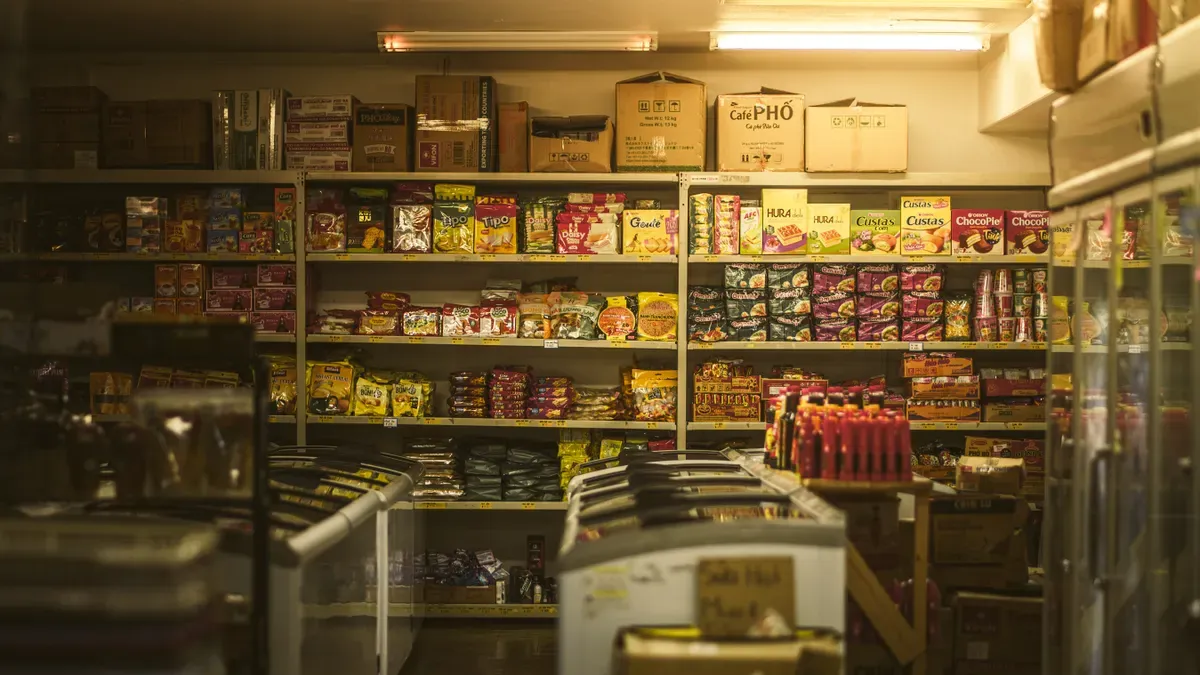
Picture this: a customer asks for the last item on your shelf, and you just sold it. Or maybe your cash sits in boxes that never move. Every small store knows that feeling.
Take inventory management for corporate micro stores – scenario [Commercial: space is tight, cash is tight, and no one on your team handles stock full time. Yet tracking, ordering, storing, and selling the right amount of the right stock keeps your doors open.
Here are 10 inventory management tips you can start this week. No fancy software. No big budget. Just steady steps toward real inventory control.
Key Takeaways
Use past sales and seasonal patterns to predict demand. This helps you avoid running out of stock and wasting products.
Use the 80/20 rule to focus on the items that sell the most and make the most profit, and free up cash.
Set reorder points using daily sales and delivery lead time so your shelves don't go empty.
Count your stock quickly and often to keep inventory accurate without closing your store.
Begin with a spreadsheet and daily sales records before you spend money on fancy software.
Tip 1: Small Business Inventory Management Forecasting
Forecasting is the base of inventory management for micro stores. You cannot order the right amount of stock without a good guess about what will sell. Bad demand forecasting, often built on old data and ignored market trends, leads to lost sales and unhappy customers. A small convenience store under new ownership used forecasting to avoid too much spoilage. The owners studied past sales by product category, noted when stockouts occurred, and added local factors like a nearby parade and the weather. That forecast helped them stock shelves better and cut waste. You can do the same on a tiny scale.
Review Past Sales
Pull last year's sales and look at them week by week or month by month. You want trends, not a single total. Which items moved fast in March? Which ones sat still in July? Mark the weeks when you ran out of something, because those gaps hide real demand. Forecasting lowers the risk of shortages, but it cannot catch every stockout alone. Stockouts also distort the sales history you use to build the next forecast, so correct for that missing demand. Pair your forecast with accurate counts and steady supplier follow-up. That mix supports small business inventory management far better than guesswork.
Spot Seasonal Patterns
Demand shifts with the calendar, the weather, and the culture around you. Watch for these common patterns:
Holiday peaks around Thanksgiving, Black Friday, and Christmas
Summer surges in impulse and outdoor items
Back-to-school demand in late summer
Weather anomalies that delay cold-weather purchases
Social media trends that turn one product into a sudden bestseller
Location matters too. Research on retail footfall shows grocery demand in tourist-heavy spots such as Cornwall roughly doubles during the on-season compared with the off-season. Tourists there also spend more than locals. If your store sits near a tourist destination, plan for concentrated demand in peak visitor periods. Use this data-driven view to make informed inventory decisions. Even smbs without an inventory management system can spot these patterns with a simple sales log. Check your tracking records monthly, and let accuracy build over time. This is small business inventory management at its most practical.
Tip 2: Apply the 80/20 Rule
A small share of your products usually drives most of your sales. That is the 80/20 rule in action. You do not need exact percentages to use it. You just need to know which items earn their shelf space and which ones quietly drain it.
Find Your Top Sellers
Ranking by units sold alone gives you a blended signal. It mixes real demand with ads, discounts, seasonality, and placement. A product that sells well with little promotion is a stronger winner than one propped up by markdowns. So score your items across a few simple measures. Demand efficiency shows sales relative to the promotion each item received. Full-price sell-through reveals genuine demand before any markdown. Sell-through velocity tells you how fast stock clears. Return rate matters too, because a high-return winner quietly loses money. Repeat-purchase rate signals durable demand rather than a one-off spike.
Pull the last 30 days of sales for this review. Refresh your list monthly, and weekly during peak season. Stale lists mislead you, because stock and demand shift daily. This habit sharpens your small business inventory management without any new tools.
Prioritize by Profit
Now look at gross profit contribution, which is units times margin, not revenue. A high-unit, low-margin item may earn less than a quieter high-margin one. Before you order new batches, compare both lists. Fast sellers with strong margins deserve the front shelf and the bigger order. Slow sellers with thin margins deserve a smaller order or none at all. This is where inventory management pays off most. You stop funding weak stock and start backing your winners. Even smbs with tight cash can make this call with a simple sales log. Better accuracy here frees up money for the products your customers actually want.
Tip 3: Set Smart Reorder Points
Define Minimum Stock Levels
Reorder points act as your restock alarm. They tell you the moment to order more before the shelf goes bare. Get them right, and your small business inventory management runs on autopilot instead of panic.
Start with your sales pace. If you sell about ten units a day, that number anchors everything else. Then add a safety buffer for busy days and surprise rushes. The standard formula looks like this:
Formula Variant | Expression |
|---|---|
Standard reorder point | (Average Daily Sales × Lead Time) + Safety Stock |
Unit-based version | (Average Daily Sale Units × Delivery Lead Time) + Safety Stock |
Demand-based version | (Average Daily Demand × Lead Time) + Safety Stock |
That formula gives you a clear trigger. When your count hits that number, you order. No guessing, no last-minute scrambles.
Factor In Delivery Time
Your supplier's clock matters as much as your own. A supplier who takes a week to deliver means you need a week of stock in reserve. A local supplier who delivers next day needs far less cushion.
Set your minimum and maximum stock levels around that lead time. The minimum protects you during delivery. The maximum stops you from tying up cash in boxes. Smart reorder points prevent both stockouts and overstocks, which keeps your cash moving.
Track your delivery times for a month or two. Note the average and the worst case. Build your buffer around the slower end. This simple habit lifts your accuracy without any inventory management system. Even smbs with a paper log can do it. Review your reorder points each season, because demand shifts and so should your triggers. A small retail store that checks these numbers monthly stays ahead of the curve. You keep the right amount on hand, and your replenishment runs smooth.
Tip 4: Do Regular Cycle Counts
Schedule Quick Counts
One big yearly count shuts your store down and buries you in clipboards. Cycle counts work better. You count small parts of your inventory on a rotating schedule, so shipping, receiving, and selling keep running. Problems get fixed within days instead of months. That speed makes it easier to find the cause and lifts your overall inventory accuracy.
The payoff is real. Businesses that use cycle counting can cut yearly inventory costs by about 68% compared with traditional physical counts. They also skip the overtime, temp labor, and downtime that physical counts bring, which can cause around $16,000 in downtime losses. For small stores, that money stays in the till.
Pick a quiet hour and count one shelf or one category. Spread the work across the year. A small team can handle it during slower periods. This keeps your inventory tracking honest without a single lost sales day.
Verify Quantity and Location
Check four things every time you count: the goods themselves, the quantity on hand, the shelf location, and expiration dates. A misplaced box is as bad as a missing one. Your records say you have it, but your customer cannot buy it.
Count high-value and fast-moving items more often. Here is a simple schedule:
ABC Class | Inventory Share | Count Frequency |
|---|---|---|
A (high-value, high-movement) | Top 20% | Every week or every two weeks |
B (mid-value) | Middle | Monthly |
C (slow-moving, low-priority) | Remaining | No more than every three months |
If an item keeps showing a different count, move it to twice-weekly counts until it settles down. This approach gives smbs steady insight without an expensive inventory management system. Good small business inventory management starts with knowing what sits on your shelf. Regular counts build that accuracy, and your reorder points get sharper as a result.
Tip 5: Rotate Stock With FIFO
Put Older Stock First
FIFO means first in, first out. The stock that arrived first leaves the shelf first. This simple rule keeps older goods from hiding at the back while newer ones sell. You protect freshness, cut waste, and keep your inventory honest.
The trick lives in how you load the shelf. Place new deliveries behind older stock, never in front. Arrange your shelves so older stock stays easy to reach. A FIFO-friendly shelf lets stock move forward as you add new items. Set up separate zones for receiving, storing, and selling. That way, new boxes wait in the back until their turn comes.
Build FIFO into your daily checks. Ask one team member to spend a few minutes checking dates and stock order. This small habit catches forgotten products before they become waste. Good rotation supports small business inventory management without costing a dime.
For successful FIFO implementation, businesses should set up clear procedures and systems. Furthermore, staff training on the importance of adhering to FIFO principles is important. This way, companies can maximize their profits while providing customers with fresh products.
Label Dates Clearly
A date label turns rotation into a quick glance. Mark shelves with receipt and expiration dates. Then anyone on your team can spot the older item first. This matters most for perishables and fast movers, where a few days decide whether a product sells or spoils.
Clear labels also sharpen your tracking. When dates sit right on the shelf, your counts stay reliable, and your accuracy improves with every check. Train your team on the process with short sessions and simple written procedures. Every staff member should know why rotation matters and how to sort new deliveries. Even smbs with a paper log can run this system well. Add date checks to your daily task list, and your retail shelves stay fresh. A basic inventory management system can flag slow movers later, but labels do the job today. This one habit keeps your inventory clean and your customers happy.
Tip 6: Organize Small Store Storage

Categorize by Category and Speed
A messy shelf wastes your time every day. You search for a product while a customer waits. You order more of something you already have. Good organization fixes both problems quickly.
Group your stock by category first. Keep all cleaning supplies together, all snacks together, all paper goods together. Then split each group by how fast it sells. Put your fastest movers at eye level and within easy reach. Move slower items to the edges. This simple layout makes products easier to find and manage. Your team grabs items in seconds, and your counts stay honest. Clear bins and same-size boxes help too. You can see what sits inside without digging. Label every bin, and your inventory stays visible at a glance. Even smbs with a tiny back room can run this system.
Use Vertical Space
Look up. The air above your shelves is space you already pay for. Going vertical beats going bigger almost every time.
Here is how to make that space work:
Raise shelving or rack height when your ceilings allow it.
Keep daily picks within easy reach and push lighter, slower items higher up.
Install wall shelves to keep the floor clear and add real stockroom room.
Tighten aisles where layout and safety permit.
Use same-size boxes and bins so stacks stay stable.
Real capacity combines floor area with ceiling height. For example, 900 square feet of usable floor with 14-foot ceilings gives you 12,600 cubic feet of gross vertical volume. Shelving, aisles, access, and clearances reduce that number, but the gain is still large. Wall shelving can double or triple usable stockroom space without raising overhead. You can also turn displays into storage. Place one showcase item on top and stack the rest underneath. That creates a small warehouse right on your sales floor. Better organization lifts your accuracy and supports strong inventory management without new square footage. A basic inventory management system can map locations later, but shelves and labels do the job today. Smart retail storage starts with the space you already have.
Tip 7: Build Supplier Relationships
Good supplier relationships do more for your store than a friendly hello at delivery time. They cut uncertainty on both sides. When you share demand information in advance, suppliers plan ahead and hold less safety stock. That lowers inventory costs for you and for them. Trusted buyers also get perks that other customers miss. You can skip routine purchase approvals, buy on credit, and secure lower prices. Those advantages directly reduce your purchasing and carrying costs. For small businesses running on thin margins, that breathing room matters.
Order Smaller and More Often
Big orders feel efficient, but they lock up cash and fill your back room. Ask your supplier for smaller, more frequent deliveries instead. This keeps your inventory lean and your shelves fresh. It also fits the tight space most smbs work with.
Strong relationships make this possible. Suppliers who know your patterns can plan production around your real needs. Some will even support just-in-time purchasing, where they produce only what your orders require. That removes the need to hold extra stock and the management costs that come with it. Ask about delivery schedules up front. A supplier who delivers twice a week lets you order less each time. Your replenishment gets steadier, and your cash stays free.
Ask About Returns
Returns are where good relationships pay off fast. Ask your supplier about their return policy before you place a large order. Can you send back slow movers? Is there a window for damaged goods? A flexible policy protects you from dead stock and keeps your tracking clean.
Bring suppliers into your planning too. Share your promotion calendar and let them flag material shortages or seasonal availability issues early. You save costs before production even starts. This kind of partnership supports strong inventory management without a costly inventory management system. Even a simple spreadsheet works when your supplier knows your numbers. Better accuracy in ordering means fewer surprises, and your small retail operation runs smoother every month.
Tip 8: Clear Out Dead Stock
Dead inventory is money you cannot spend. Every box that never moves holds cash you could put into fast sellers. It also eats shelf space in a small store where every inch counts. Clearing it out is one of the fastest wins in inventory management.
Flag Slow Movers
Start with a simple age report. Flag any item that has not sold in 60 to 90 days. Then calculate cover, which is stock units divided by sales units. A higher cover means a bigger problem, so those items need your attention first.
Check your tracking records monthly and review your inventory counts. Mark each flagged item with a review date. This keeps your inventory honest and protects your accuracy over time. Small retailers often skip this step and pay for it later. Do not wait for a full inventory management system to run the check. A notebook works fine for a small team in a small back room.
Discount or Bundle
Once you know your slow movers, pick a strategy that fits each item's margin. High-margin items (50% or more) can take a 20–30% discount and stay profitable. Low-margin items (under 30%) do better with bundles or volume tiers than deep cuts.
Strategy | How it clears dead stock | Key detail |
|---|---|---|
Mystery boxes | Bundle assorted slow items into surprise packages | Can cut dead stock by 10–20%; packaging runs $3–$8 per box |
Volume discount tiers | Reward bigger orders: 10% off 3–5 items, 20% off 6–10, 30% off 11+ | Pair slow items with popular ones |
Flash sales | Run 24–72 hour promotions like a "48-Hour Warehouse Clearance" | Scarcity drives quick action |
Stagger your markdowns. Start with 20% off and set a review date. If units remain after two weeks, deepen the discount to 40%. Pair a slow item with a steady seller and price the bundle below the cost of buying both separately. Donating is another option. It frees space and may offer a tax benefit.
Ask your supplier about returns too. Many accept unopened product for a restocking fee or store credit. That recovers cash, keeps your tracking clean, and supports steady replenishment. Even smbs on a small budget can clear dead inventory this month. Good inventory management means facing slow stock early, before it drags down your inventory levels.
Tip 9: Simple Inventory Management Tools
Start With a Spreadsheet
You do not need paid software to begin. A spreadsheet or a paper log is a good first tracking system. Experts say spreadsheets are the usual starting point for most small businesses. They work well for micro stores that handle a small number of SKUs, about 50 or fewer, from one location with a small team.
A spreadsheet is worth using for good reasons:
Setup takes minutes, not weeks
It tracks many inventory items and different products
You can change it to fit your store
It needs only a computer, and it is free
You can share it with others
It supports formulas for inventory turnover and cost of goods sold
Excel especially is cheap, familiar, and flexible. That makes it easier for any small shop owner to start. You log SKUs, quantities, costs, and reorder points without spending any money. This makes a spreadsheet a low-cost, real first step into inventory management.
Record Sales Daily
The system only works if you keep it updated. Record every sale and every delivery on the same day. Waiting until Friday leads to mistakes, and small errors grow fast. A two-minute daily habit keeps your records accurate.
Daily entries give you inventory tracking you can trust. You see stock levels change almost right away, and you catch problems early. Tracking inventory levels helps prevent stockouts or overstock. You also spot slow movers before they pile up. Your reorder points stay sharp, and your replenishment runs smoother.
Real-time inventory tracking sounds complex. A daily log gets you close, and real-time tracking apps can wait until you need them. For now, being consistent matters more than being fancy. Even smbs with one employee can keep this habit. Better accuracy today sets up real-time visibility into inventory levels tomorrow. Tracking, ordering, storing, and selling all depend on clean records. Start small, stay steady, and your inventory stays under control.
Tip 10: Low-Cost Tech for Micro Stores

You have built solid habits. Now a little tech can carry the load. Think of inventory management for corporate micro stores – scenario [commercial: a tiny budget, one counter, and no IT team. Affordable tools fit that picture well.
Try a Basic POS App
A free POS app turns the phone in your pocket into a checkout and a stock ledger. Look for one marketed as a free POS system with a start-for-free option. Check that it offers inventory management as a core feature and a small business POS page. It should track sales in real time, print receipts, handle discounts and refunds, and work offline. Add-ons like a barcode scanner, receipt printer, and cash drawer cost extra, so buy them only when you need them. This setup keeps inventory management for corporate micro stores – scenario [commercial within reach for smbs.
Use Barcode Scanning
Scanning speeds up every count. One scan at delivery adds stock. One scan at checkout lowers it. That real-time update helps you avoid empty shelves and reorder smarter.
Scanning a case of drinks during delivery adds to inventory, while scanning items at checkout lowers it — this real-time update helps avoid empty shelves and supports smarter reordering.
The gains show up fast. Cycle count time drops by up to 85% versus manual counting. Receiving and stocking time falls by 60–70%. Stockouts drop by up to 80%, and accuracy improves because manual errors disappear.
Here is the routine:
Scan quick cycle counts during slow periods.
Let each scan update stock levels in real time.
Investigate instant alerts when counts vary.
Run partial audits without closing the store.
Start with a spreadsheet and a free app. Add cutting-edge software later, when your store is ready. That path keeps inventory management for corporate micro stores – scenario [commercial simple, and it keeps inventory tracking honest. Good tracking builds real-time inventory tracking over time, and real-time tracking pays off in fewer surprises. Small steps with small tools beat big systems you never learn.
The ten tips build on each other. Forecasting and the 80/20 rule tell you what to buy. Reorder points and cycle counts keep your shelves honest. Simple tech carries the load once your habits are solid.
The payoff shows up fast. You get fewer stockouts, less dead stock, and more cash in the till. You also gain improved cash flow, enhanced customer satisfaction, and reduced operational costs. A just-in-time approach keeps inventory aligned with demand, so holding costs drop too.
Pick one or two tips this week. Add more as they settle in. Steady small improvements beat a perfect system you never start. This small store habit builds real inventory management, and your tracking stays clean with every small step.
FAQ
How often should I count my stock?
Count a little at a time instead of everything at once. Cycle counts let you check one shelf or category during a quiet hour. Count your fastest movers and highest-value items most often. This keeps your records honest without closing the store for a full count.
What if I cannot afford software yet?
Start with a spreadsheet or a paper log. A simple sheet tracks SKUs, quantities, costs, and reorder points for free. Record every sale and delivery the same day. Once those habits feel natural, add a basic POS app or barcode scanning. Small steps beat waiting for the perfect tool.
How do I know which products to stop ordering?
Flag anything that has not sold in 60 to 90 days. Then compare profit, not just units. A fast seller with a thin margin may earn less than a quiet high-margin item. Discount, bundle, or donate the slow movers to free up cash and shelf space.
Why does FIFO matter in a tiny store?
FIFO means the stock that arrived first sells first. Place new deliveries behind older stock on the shelf. Add clear date labels to perishables and fast movers. This one habit cuts waste, keeps your inventory fresh, and costs nothing to run.
Can I manage all this alone?
Yes. You do not need a big team or a big budget. Pick one or two habits this week, like daily sales entries or a quick shelf count. Add more as they settle in. Steady improvements in inventory management beat a perfect system you never start.
See Also
Boosting Staff Efficiency Using Intelligent Vending Machines in Small Workplaces
Find Top Micro Market and Vending Options for Your Company
Micro Markets Versus Smart Stores: Global Automated Convenience Retail Explained
How Artificial Intelligence E-Commerce Tools Change Online Store Administration
