Cashierless Store Technology ROI A Practical Guide for Retailers

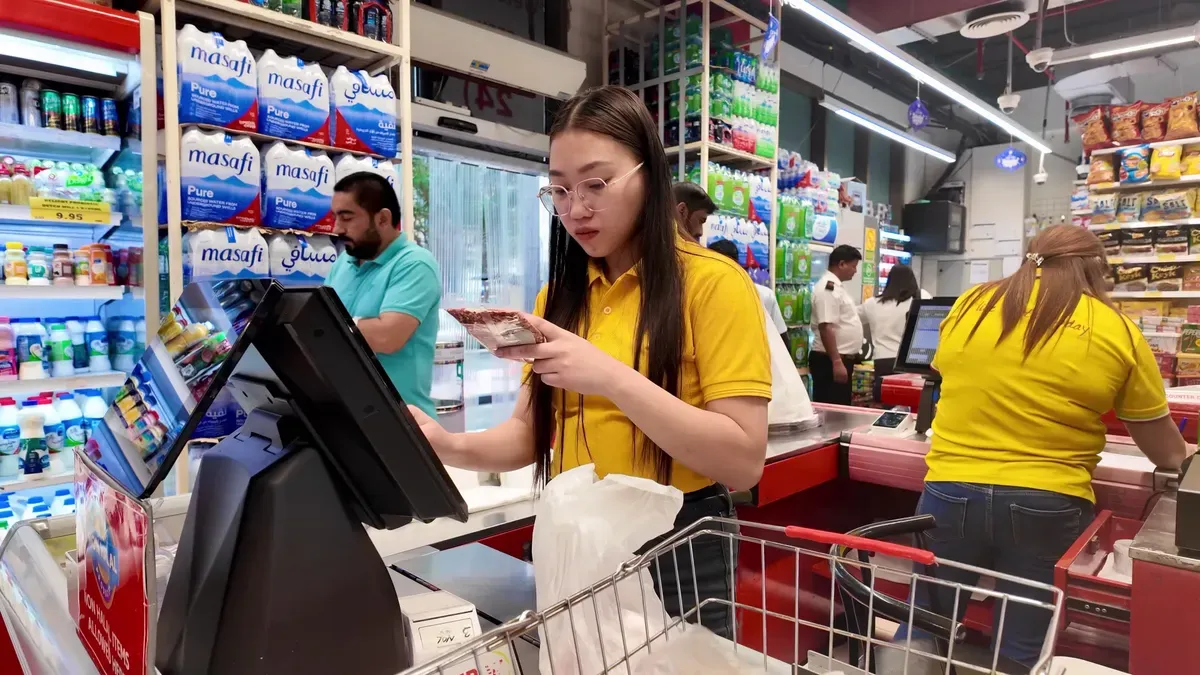
The ROI of cashierless store technology can bring strong profits to busy or labor-heavy stores. Results depend on store size, labor costs, shrinkage, and setup cost. Many retailers are still unsure if cashierless stores are worth it. Simpler self-service systems often pay off faster and more reliably than fully automated stores. Is the upfront cost worth it? How long until break-even? What savings can a cashierless store get? This guide gives a formula, realistic payback ranges, and a plan to test then expand. Reported benchmarks show cashierless store technology pays back in 6–12 months for AI loss prevention, while full conversions take 18–36 months. Cashierless retail needs careful planning.
Key Takeaways
Use the ROI formula: yearly savings plus extra profit minus operating cost, divided by upfront cost. This step prevents wasted investment.
Full cashierless conversions take 18 to 36 months to pay back. AI loss prevention pays back in 6 to 12 months.
Cashierless systems cut labor costs by 70%. They reduce shrink by up to 60%. These savings drive strong ROI.
Run a 90-day pilot in one busy store. The pilot tests real performance. Scale only after proven results.
Simpler self-service systems often beat full automation in low-traffic stores. Store format decides the best choice.
Cashierless Store Technology Costs
Hardware, Software, and Installation
When stores adopt cashierless store technology, they must plan a big investment. The full cost of owning these systems includes sensors, cameras, shelf-weight systems, POS software, integration fees, and installation labor. AI-grade 3D computer vision cameras usually cost $200 to $500 each, plus installation and PoE cabling. Smart shelf weight sensors run $50 to $150 per shelf, and RFID tags add $0.10 to $0.50 per packaged item. POS integration software links cashierless store systems to existing POS, ERP, inventory, and loyalty platforms through APIs.
Software and AI costs have dropped sharply. In 2017, running Just Walk Out in a 1,000-square-foot store cost $4 million a year. Amazon cut that cost by 96% to about $159,000 a year. That price covers AI models for product identification, customer tracking, and exit billing, plus regular platform updates. Lower hardware and setup costs now bring faster ROI and quicker profits for stores.
Line Item | One-Time Cost | Annual Cost |
|---|---|---|
Cameras and sensors | ||
POS integration software | ||
Installation labor | ||
Store layout changes | ||
Maintenance contract |
Store Redesign and Maintenance
A physical store often needs layout changes to allow cashierless checkout. End-to-end setup for cashierless stores runs $300,000 to $400,000. Yearly upkeep can reach $45,000. Maintenance contracts for big retail systems usually cost 10–20% of hardware price. Edge computing hardware must be replaced every 3 to 5 years, adding another ongoing cost.
Store format and vendor change these costs. Before signing, retailers should ask for a full breakdown of hardware and software. Buyers can see one-time and annual costs, then judge if cashierless store technology costs fit their budget and payback goals.
ROI Drivers for Cashierless Stores
Labor Savings and Shrinkage Reduction
Labor is the biggest cost that most stores can control. Cashierless store technology can cut labor costs by up to 70%. Cashier jobs at the front shrink a lot. Workers move to stocking, helping customers, and handling problems. This change leads to lower labor costs that are spent better. Employees focus on service instead of scanning barcodes.
Shrinkage is the second big driver. Cashierless store systems use many cameras, weight sensors, and computer vision to match each pick and return to the right shopper's virtual basket. AI loss-prevention models flag unpaid goods leaving a zone, hiding items, and sweethearting at the point of sale. Grocers using computer-vision fraud detection report shrink cuts of up to 60% and faster incident resolution. Connected-intelligence setups show up to 60% fewer shrinkage incidents, 30% fewer stockouts, and 15% higher conversion. Smart vision and weight sensors compare real shelf activity with recorded sales. Mismatches trigger alerts right away. To estimate the current shrink rate, retailers divide the value of lost inventory by total sales over a set period. That baseline shows how much room there is to improve.
Checkout Throughput and Customer Data
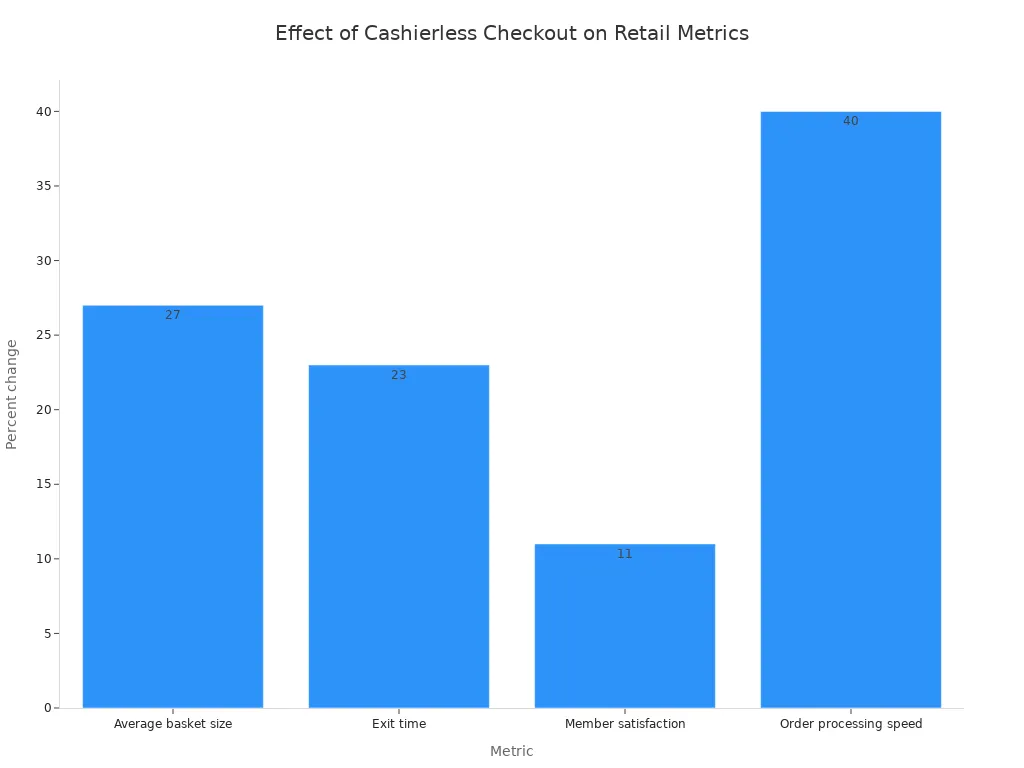
Speed drives revenue. The cashierless checkout process removes waiting. Sam's Club Scan & Go users increased average basket size by 27%. The AI-powered exit system cut exit time by 23% and raised member satisfaction by 11%. Traditional self-checkout processes orders 40% faster than staffed lanes and lifts average ticket size by 8–15%. Faster checkout means more transactions per hour. Shoppers who avoid lines come back more often and spend more per visit.
Friction restricts growth by causing lost sales, negative customer experience, and reduced loyalty and repeat visits. In-store, dissatisfied shoppers are less likely to return, won't increase their basket size, and may share their unsatisfactory experience with others.
Customer satisfaction with self-service depends on several factors. Performance expectancy, effort expectancy, customer empowerment, and customer experience all shape adoption. Speed and reduced wait times matter most: 67% of shoppers choose self-checkout mainly for faster transactions. Convenience, autonomy, and control over the process boost satisfaction. AI-powered features like product recognition and personalization improve the experience. Self-checkout kiosks can boost consumer spending by 30%, driven partly by AI-generated upselling prompts. This data has resale and personalization value. Retailers learn what shoppers buy, when they buy, and how they respond to offers.
The broader context matters. Automation and AI adoption could save retailers up to US$340 billion annually. Advanced cashierless store technology supports real-time inventory tracking. When payment is processed automatically, the store captures a complete transaction record. That record feeds demand forecasting and personalized marketing. The projected revenue lift from these capabilities compounds over time. Cashierless retail thus offers both operational savings and new revenue streams. The roi of cashierless store technology depends on how well retailers use both.
Calculating ROI of Cashierless Store Technology
The ROI Formula and Inputs
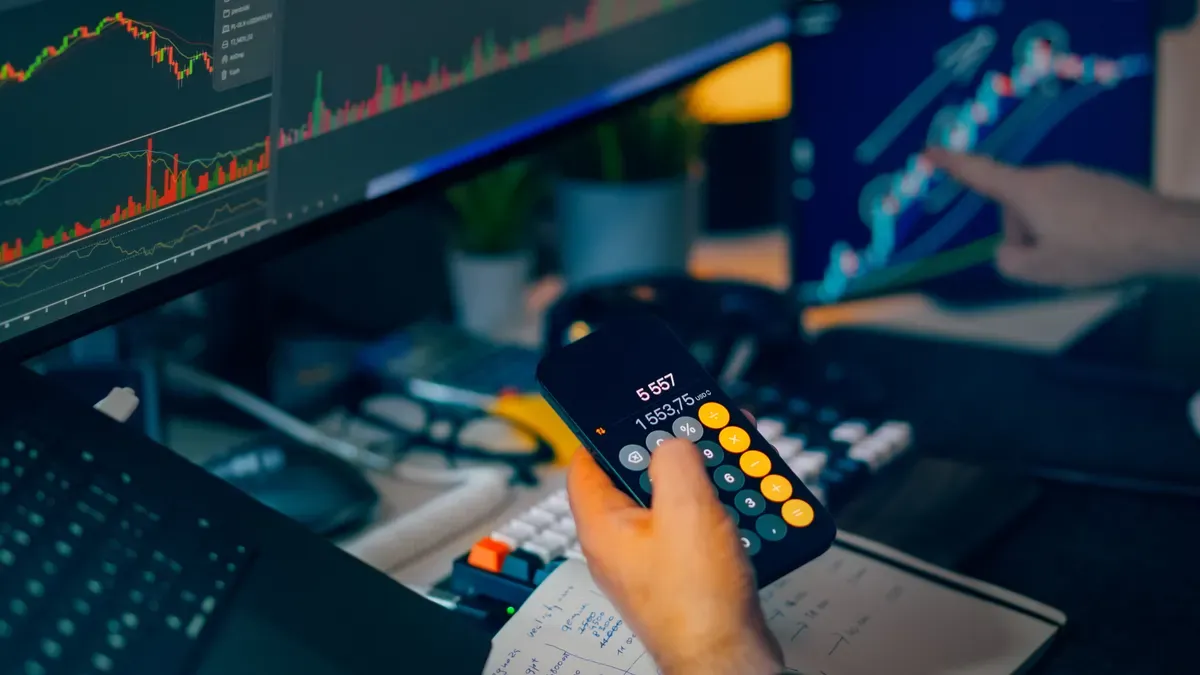
Store owners need a simple formula to check any cashierless project. The usual equation is: ROI = (Yearly Savings + Extra Gross Profit − Yearly Operating Cost) ÷ Total Upfront Money Spent. Every number should come from store data, not from what sellers promise. Yearly savings include lower labor and less shrinkage. Extra gross profit means more sales from faster checkout and bigger baskets. Yearly operating cost covers maintenance contracts and software fees. Total upfront money spent covers hardware, installation, and layout changes.
Many numbers go into this formula. Store owners must collect the labor rate, the number of workers cut, the shrink rate before and after launch, the average transaction value, daily traffic, hardware and software costs, and the maintenance fee. Baseline metrics make these numbers trustworthy. Before any rollout, teams should write down monthly sales revenue, total staff hours spent on retail operations, visitor counts, and recorded shrinkage rates. These figures set the evidence-backed baseline for sales uplift, labor reduction, and loss projections. Operations data matters too. Inventory turnover rates, stock accuracy, customer satisfaction scores, and acquisition costs track efficiency and engagement gains. Process automation metrics, like time saved and error reduction, measure labor and accuracy gains.
Payback usually falls between 6 and 36 months. High labor rates, heavy traffic, and strong shrink reduction push a store toward the fast end. Low traffic, small baskets, and pricey retrofits push it toward the slow end.
Payback Scenarios by Store Format
Store format shapes the result. A busy urban convenience store often sees faster payback. Labor savings and throughput gains drive the return. Cashierless checkout removes lines, so the store handles more transactions per hour. Shoppers come back more often and spend more per visit. These stores can reach ROI quickly when labor costs run high.
A small-format grocery faces a slower path. Shrink reduction and basket size carry more weight here. Traffic is lower, so throughput gains stay modest. The store still gains from computer-vision loss prevention and real-time inventory tracking. Yet the upfront money takes longer to recover. In this format, simpler self-service systems may beat full cashierless setups. They cost less and deliver proven returns faster.
The roi of cashierless store technology depends on matching the system to the store. Store owners should run the formula with their own numbers. The roi of cashierless store technology is not a fixed figure. It varies by labor rate, shrinkage, and traffic. Cashierless stores work best where labor is expensive and volume is high. Cashierless stores in low-traffic formats need careful review. A disciplined calculation protects the investment. It also shows whether cashierless store technology fits the business case. Store owners who test these numbers before scaling reduce their risk. They also learn which savings are real and which are overstated.
Cashierless Risks and Hidden Costs
False Positives, Adoption, and Integration
False alarms and misreads create real friction in cashierless stores. When a system mistakes a product, refunds, staff help, and upset shoppers result. These errors still happen despite better AI and computer vision. Fixing them needs audits, staff oversight, and security controls. Each added step makes operations harder and costs more. System glitches and bad scans also cause lost revenue and unhappy customers. The checkout process then needs more oversight, which raises operating costs.
Customers adopt this tech at very different rates. Some dislike app rules or tracking. Older shoppers and those with less tech skill often skip self-checkout. Privacy worries send others to staffed lanes. Stores often underrate linking cashierless systems to their POS, inventory, and loyalty tools. Weak links for POS rules, deals, and reports add friction and support costs. All of this raises total cost of ownership. Amazon's cashierless grocery effort is a warning. Media outlets call it a flop. Amazon closed several Go stores after poor results. The tech worked in controlled, fast-paced settings. Scaling it hit cost and customer behavior walls.
Scalability and Vendor Lock-In
Scaling up stays hard for cashierless retail. Costs per store may not drop as expected. Amazon's rollout used billions of dollars and about $1 million in sensors per store. By 2024, nearly all of it was closed or cut back. The model did not work across many stores. Just Walk Out actually used about 1,000 hired workers in India to watch footage for each transaction. The tech did not remove labor. It hid it. That removes any edge for cutting labor costs as stores grow. Sensors failed mid-checkout. AI missed products. Inventory went haywire. Stores still needed constant fixes, restocking, and customer help. Overhead climbs with every new store.
Vendor lock-in limits future options. Trusting one vendor's platform fully makes it hard for a retailer to adapt, build its brand, and keep strong customer ties. Retailers can become too dependent on a system they don't control. A vendor could pull whole inventory during a bin check. This shows the danger of one-vendor reliance. One vendor for many channels brings slower lead times and higher costs. These costs and risks make careful vendor review important. Retailers should check exit plans and data portability before they commit to cashierless systems.
Action Plan: Pilot, Measure, Scale
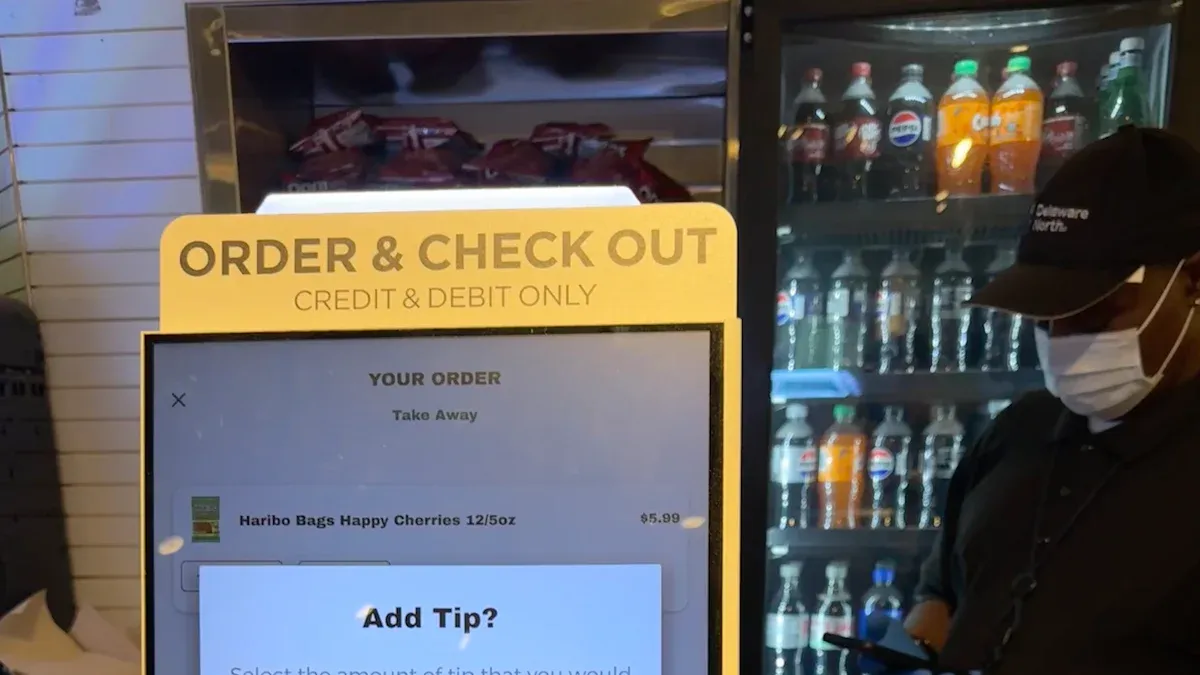
A careful pilot protects capital and shows real performance. Retailers should avoid chain-wide rollouts until one store proves the case.
Running a Measured Pilot
Pick one busy store with high labor costs. That store gives the fastest route to useful data. Before launch, record starting numbers: shrink rate, labor hours per transaction, average basket size, and customer satisfaction scores. These are the comparison points.
Start with one high-impact use case, like loss prevention or shelf monitoring. A narrow focus makes measuring easier. The pilot should follow clear steps.
State the exact business problem and the metrics for success.
Check current cameras and network capacity.
Look at privacy, security, and legal rules.
Plan how POS, inventory, and analytics systems connect.
Test in real store conditions for at least 90 days.
A 90-day test captures repeat-shopper behavior and early signs of payback; shorter tests miss adoption patterns. Track conversion rate, average sales per customer, and shrinkage. Higher conversion means less checkout friction; shrinkage above baseline points to theft or scanning failures. Customer satisfaction scores show acceptance.
Industry observers warn that adoption will be slow. Customer acceptance, cost of capital, and store type still need testing. Without a checkout line, add-on sales may drop, and some shoppers want personal contact.
Scaling What Works
If the pilot passes the ROI test, grow step by step. Negotiate hardware costs down before expanding. Vendors give volume discounts once proof exists. Phase the rollout to protect cash flow and lower risk.
Monitor each new store against the same baseline numbers. Treat the first expansions as longer pilots. Inventory turnover and stockout rates show if systems work together. Gross profit per square foot shows if the store makes money.
When the data says stop, stop. A failed pilot does not mean the whole idea is bad. Some store formats fit cashierless operations better. Simpler self-service systems may beat full automation in low-traffic stores. Retailers who scale only proven results maximize the ROI of cashierless store technology. Cashierless stores deliver strong returns when matched to the right situation.
You can get a positive ROI, but only if cashierless store technology fits the store format. Payback depends on real labor rates, shrinkage, and traffic, not on what vendors promise. A careful pilot shows the truth. Retailers should pick one busy site, measure starting numbers, and run a 90-day test. They should check upfront cost per unit, technical reliability, user errors, and theft before scaling.
Smart carts can cost about $5,000–$10,000 each, so a pilot proves the return before a broad rollout. Scaling should happen in phases with clear owners and feedback loops. A simpler self-service cashierless store may beat full automation in low-traffic locations. Let the pilot data decide. The roi of cashierless store technology follows evidence, not hype.
FAQ
How long does cashierless store technology take to pay for itself?
Payback usually falls between 6 and 36 months. High labor rates, heavy traffic, and strong shrink reduction push a store toward the fast end. Low traffic, small baskets, and pricey retrofits push it toward the slow end. AI loss prevention alone can pay back in 6 to 12 months.
How much can a store cut labor costs with cashierless checkout?
Cashierless technology can cut labor costs by up to 70%. Front-end cashier roles shrink the most. Workers move to stocking, customer help, and problem solving. Stores still need staff for restocking, audits, and shopper support.
What does a full cashierless setup cost?
End-to-end setup runs $300,000 to $400,000. Yearly upkeep can reach $45,000. Cameras cost $200 to $500 each, and smart shelf sensors run $50 to $150 per shelf. Maintenance contracts usually add 10–20% of hardware price each year.
How long should a pilot run before scaling?
Retailers should test in real store conditions for at least 90 days. A 90-day test captures repeat-shopper behavior and early signs of payback. Shorter tests miss adoption patterns. Teams then compare results against the ROI formula and decide to scale, adjust, or stop.
Does full cashierless beat simpler self-service systems?
Not always. Simpler self-service systems cost less and deliver proven returns faster. They often win in small-format grocery and low-traffic stores. Full cashierless setups work best where labor is expensive and volume is high. Store format decides the answer.
See Also
Discover How Cloudpick Delivers Cashierless Shopping Convenience To Your Retail Store
The Growing Trend Of AI-Powered Corner Stores: Essential Insights For Retailers
How AI-Powered E-Commerce Solutions Revolutionize The Management Of Online Stores
Understanding Why AI-Powered Retail Stores Represent The Future Of Shopping
Examining Walgreens Self-Checkout: The Benefits And Challenges In Modern Retail
