System Uptime Requirements for Airport Retail: A Comprehensive Guide

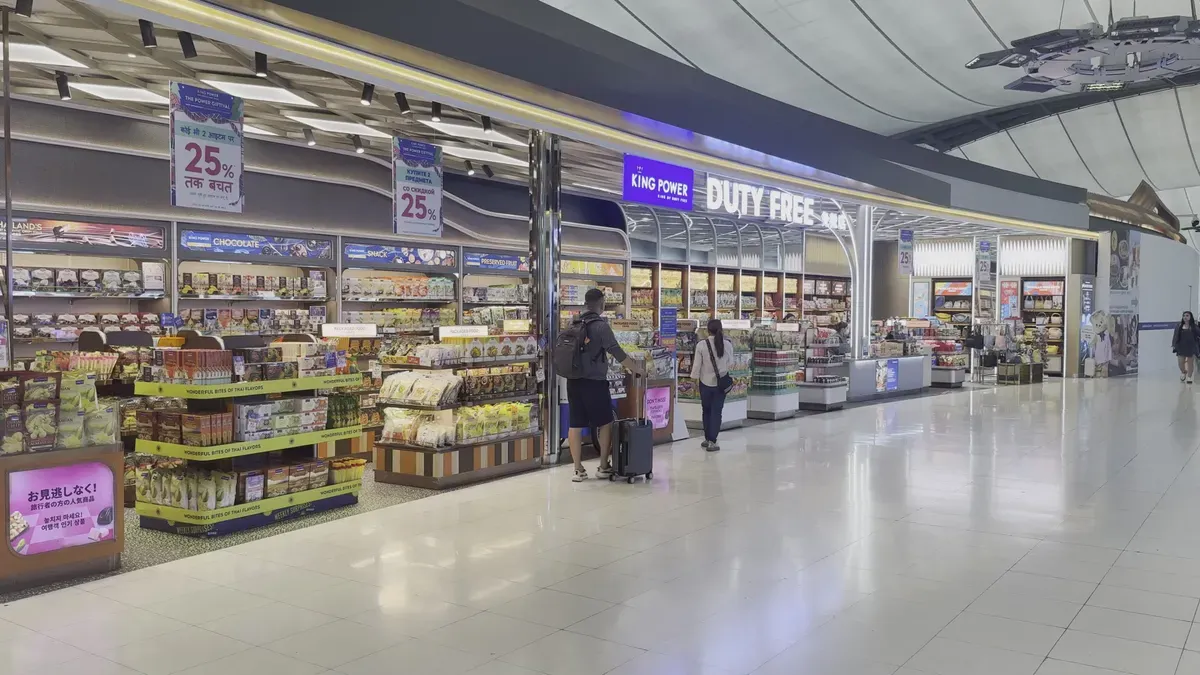
Airport retail systems must be available at least 99.99% of the time. Because airports never close, travelers shop around the clock, and any failure stops sales immediately. A single outage leads to lost revenue, frustrated customers, and disrupted daily operations. Long lines form, travelers get annoyed, and the impact spreads throughout the entire terminal.
This guide focuses on system uptime requirements in airport retail – scenario [Commercial]. It covers definitions, challenges, benchmarks, strategies, and best practices to help airports set clear uptime goals and protect every transaction. Retailers must defend every sale with reliable, always-on systems.
Key Takeaways
Airport retail systems must work 99.99% of the time. This is because airports stay open all the time, and travelers shop day and night.
When systems go down, stores lose sales, lines get long, and customers get upset, which hurts the brand's reputation.
Use backup systems and failover so sales keep running when hardware or networks fail.
Regular checkups and live tracking catch issues before they cause outages.
A CMMS keeps track of assets, plans work orders, and helps meet uptime goals and rules.
Teach workers and run practice drills to fix outages fast and keep passengers calm.
Cloud and edge computing keep transactions going when the network goes down or during busy times.
Try to reach 99.99% uptime; five nines costs a lot and is seldom needed for one store.
Defining System Uptime and Measurement
What Is System Uptime?
Uptime vs. Availability
Operational time is when a system works normally, and it is the base of retail reliability. Availability, though, checks whether that system stays open to users when they need it. A server can keep running but still be out of reach because of network congestion or an application lockup.
For airport retail, both ideas matter in a direct way. Travelers cannot tell a crashed register from an unresponsive network; they just see a failed purchase. The Uptime Institute Tier Standard gives a helpful framework. Tier I offers basic capacity with dedicated power and cooling. Tier II adds redundant components to support service continuity. Tier III allows concurrent replacement of parts without stopping operations. Tier IV adds fault tolerance against individual equipment failures.
The Role of SLAs
Service level agreements turn performance targets into contractual obligations. A retailer's SLA with a technology vendor defines the required percentage of operational time, measurement windows, and penalty remedies. When the vendor misses the threshold, the retailer gets credits or contract termination rights.
For terminal systems, SLAs need careful wording about what counts as an outage. Agreements should leave out planned maintenance windows and state whether partial degradation qualifies. A well-crafted SLA lines up vendor incentives with the retailer's operational goals.
How Uptime Is Measured
Percentage-Based Metrics
Performance measurement turns operational time into a readable percentage. The standard formula is percentage = (available time ÷ total time) × 100. Industry benchmarks usually evaluate a system over a calendar year.
A 99.9% target sounds strong, yet it allows far more interruption than many executives expect. The Tier Standard gives the context: each Tier sets progressively stricter performance criteria for infrastructure design and operational behavior.
Downtime Calculation
Total annual time equals 365 days × 24 hours = 8,760 hours. To find the permitted level, a team multiplies total time by (1 − target percentage ÷ 100). For 99.9%, that gives 8,760 × (1 − 0.999) = 8.76 hours.
That figure equals roughly 8 hours and 45 minutes of allowed interruption per year. Industry sources treat this as a general allowance rather than a specific category. In an airport environment, scheduled maintenance can use up the entire allowance before a genuine failure occurs.
Common Misconceptions
Planned vs. Unplanned Downtime
Many teams assume every interruption damages business equally. In reality, SLAs and performance calculations often separate planned work from unplanned downtime. Scheduled patching or hardware swaps may be excluded from the numerator when the contract defines them properly.
Any interruption outside the defined window always counts against the target. The Tier Standard addresses this distinction directly: Tier III and Tier IV architectures exist to allow service without halting operations.
Partial Outages
Another misconception treats failure as a binary state. Real-world incidents often degrade only part of the infrastructure. A single payment terminal may fail while neighboring units continue processing transactions.
The measurement scope must therefore specify what counts as an outage. Partial failures should be recorded and weighted, perhaps by the number of affected transactions. Without that granularity, two airports could report identical percentages while offering very different customer experiences.
Why High Uptime Is Critical in Airport Retail
24/7 Operational Demands
Non-Stop Passenger Flow
An airport never closes its doors. Travelers come through terminals at all hours, and flights run all day long. A retail and concession areas operator cannot pick a quiet time to shut down a point-of-sale system. Passengers expect to buy food, drinks, and gifts whenever they want them.
A failed register during a busy departure wave causes instant chaos. Travelers leave their purchases and hurry to their gates. The airport loses money, and the passenger leaves unhappy.
Limited Maintenance Windows
Technicians almost never get a clear window for repairs. Terminal systems must stay running during flight operations. Most airports allow hardware work only during low-traffic hours, often between midnight and early morning. That small window forces maintenance teams to work fast and plan every step.
A late part or a surprise fault can push the work into the next day. The team then faces a hard choice: run degraded equipment or cancel the repair. Both choices put uptime at risk.
Revenue and Customer Experience
Lost Sales During Downtime
Every minute of downtime means lost transactions. A busy concession stand may serve dozens of customers per hour. A single outage during a group of departures can wipe out a whole shift of sales. The loss grows when travelers cannot use loyalty points or digital wallets.
Brand Reputation Damage
Travelers remember a failed payment. They share that story with friends and on social media. A brand that cannot process a simple coffee purchase looks unreliable. That damage spreads far beyond one terminal.
Regulatory and Security Requirements
Compliance with Airport Authorities
Airport authorities set strict operational rules for every tenant. Concession operators must meet IROPS performance standards during irregular operations. These standards demand great service when disruptions hit, such as weather delays or security incidents. A system outage during IROPS can lead to penalties or contract review.
Payment and Data Security
Airports face growing cyber threats. A unified cybersecurity approach protects uptime and customer data. Payment systems must follow industry security rules at all times. A breach or a ransomware attack can take systems offline for hours. That risk makes strong security a core part of any uptime plan.
Consequences of Downtime in Airport Retail
Financial Losses
Direct Revenue Impact
Every minute of downtime means lost sales right away. A busy concession stand might serve dozens of customers each hour. One outage during a departure wave can wipe out a whole shift of sales. Travelers who cannot finish a purchase just walk away. They do not wait for the system to come back.
The loss grows when payment terminals fail in many stores at once. A terminal-wide outage during peak hours can erase thousands of dollars in possible revenue. Retailers never get those sales back later because the traveler has already boarded the flight.
Penalties and Chargebacks
Airport authorities often charge financial penalties when concession systems fail during critical periods. A retailer that cannot process transactions during irregular operations may face contract violations. These penalties add to the direct revenue loss and create a double financial hit.
Chargebacks are another risk. When a payment system fails mid-transaction, the customer may dispute the charge. The retailer then pays the cost of the refund plus processing fees. Repeated chargebacks can hurt the retailer's standing with payment processors.
Operational Disruptions
Queue Buildup and Crowd Control
A failed point-of-sale system creates queue buildup right away. Travelers pile up at registers with nowhere to go. The crowd spills into walkways and blocks passenger flow through the terminal. Airport staff must then redirect traffic and manage frustrated customers.
Crowd control becomes a safety concern in tight concourse spaces. A long queue near a gate area can interfere with boarding procedures. The disruption spreads beyond the store and affects the entire terminal operation.
Manual Workarounds and Errors
Staff often switch to manual processes when systems fail. They write down orders, calculate totals by hand, and accept cash only. These workarounds slow service a lot and introduce human error. A cashier under pressure may charge the wrong price or forget to collect payment.
Manual workarounds also create reconciliation problems later. The retailer must match handwritten receipts to inventory and bank deposits. That process takes hours and often produces discrepancies that are hard to resolve.
Long-Term Business Impact
Loss of Customer Trust
Travelers remember a failed payment experience. They share that story with friends and on social media. A brand that cannot process a simple coffee purchase looks unreliable. That damage spreads far beyond one terminal and one transaction.
Trust erodes slowly and rebuilds even more slowly. A traveler who experiences two outages at the same airport retailer will avoid that store on future trips. The retailer loses a repeat customer and gains negative word-of-mouth.
Contractual Penalties
Airport concession contracts often include uptime requirements and penalty clauses. A retailer that fails to meet these standards may face financial penalties, contract review, or even termination. The airport authority needs reliable service for its passengers and will not tolerate repeated failures.
Contract termination represents the most severe consequence. Losing a concession space at a major airport means losing access to a captive customer base. That loss can cripple a retailer's revenue for years.
Industry Standards and Uptime Benchmarks
Published research, including ACRP Report 30, guides common use at airports and frames the system uptime requirements in airport retail – scenario [commercial] operations. That report pairs equipment uptime with a second critical KPI: mean time to repair (MTTR). MTTR measures the speed of recovery, and airports track both numbers in every contract review.
General Retail vs. Airport Retail
Typical Uptime in Standard Retail
A normal high-street store is open about 12 hours a day, six days a week. If a point-of-sale system breaks mid-morning, the manager shuts that register and sends customers to another lane. The store loses a few sales, but the business gets back on track within minutes. Standard retail targets often land around 99.5% or 99.9% operational time. The cost of building more redundancy rarely makes sense at that scale. Moderate interruption does not create a life-or-death risk.
Elevated Requirements in Airports
Terminal environments change the math completely. Terminals run 24 hours a day, and passenger flow never stops. A broken register at 4:00 AM still blocks sales because travelers arrive for red-eye flights and overnight layovers. The retailer cannot use a quiet afternoon for maintenance. Every store in the concourse feeds the same passenger stream. One outage slows the whole concourse, not just one shop.
That reality forces airports to set stricter limits. Industry practice now treats 99.99% as the de facto minimum for mission-critical airport retail systems. Some major hubs demand even higher resilience for payment processing. These elevated expectations protect the passenger experience and shield concessionaires from catastrophic loss.
Recommended Uptime Percentages
99.9% vs. 99.99% vs. 99.999%
The difference between uptime tiers looks small on paper but massive in practice. The table below summarizes the annual allowances:
Tier | Allowed interruption per year |
|---|---|
99.9% (three nines) | 8 hours 45 minutes |
99.99% (four nines) | 52 minutes 35 seconds |
99.999% (five nines) | 5 minutes 15 seconds |
Each additional nine cuts allowable downtime by roughly a factor of 10. 99.9% permits almost 9 hours of interruption per year, enough to devastate multiple peak departure waves. It also allows roughly 43 minutes of interruption per month. 99.99% leaves only about 52 minutes per year, which suits a 24/7 retail environment where every minute carries revenue. 99.999% restricts failures to slightly over 5 minutes annually. That tier requires regional failover, redundant power, and automated detection systems that most airport retailers cannot justify for a single store.
Choosing the Right Tier
For a single concession stand, 99.99% usually represents the rational target. The cost of adding redundant networks, backup power, and failover capabilities stays manageable. The revenue protected justifies the investment.
Five nines creates intense infrastructure demands. A retailer weighing that tier must compare the expense of continuous monitoring, duplicate network paths, and instant failover against the actual sales volume at risk. Most tenants converge on four nines as the practical benchmark. ACRP Report 30 reinforces this position by emphasizing cost realism in its system performance targets.
Regulatory and Vendor SLAs
Airport Authority Mandates
Authorities rarely leave performance to chance. Concession contracts specify minimum asset availability percentages and include penalty clauses for violations. The authority audits each retailer's operational data and reviews incident logs during the contract term. Repeated failures trigger default notices, which can escalate to termination.
IROPS standards add another layer. During irregular operations, the authority expects every tenant to maintain service excellence even when the terminal faces disruption. A system outage during a weather delay hurts passengers who already have no travel options. That damage tarnishes the terminal's reputation, and the authority includes those scenarios in its annual performance review.
Vendor Guarantees and Penalties
Retailers must negotiate uptime sla guarantees that align vendor incentives with operational requirements. A strong SLA defines measurement windows, excludes planned maintenance only when properly scheduled, and states penalty remedies for missed thresholds.
A standard vendor agreement might promise 99.9% availability. For a terminal tenant, that target falls short. The retailer should push for 99.99%, or at minimum, demand a clear MTTR commitment. If the vendor cannot repair a critical payment system within two hours, the SLA loses its value.
Penalty clauses should include service credits per hour of unplanned interruption beyond the allowed threshold. Some agreements also contain liquidated damages for outages during peak passenger periods. These clauses force the vendor to prioritize terminal retail clients.
Strategies to Achieve High Uptime
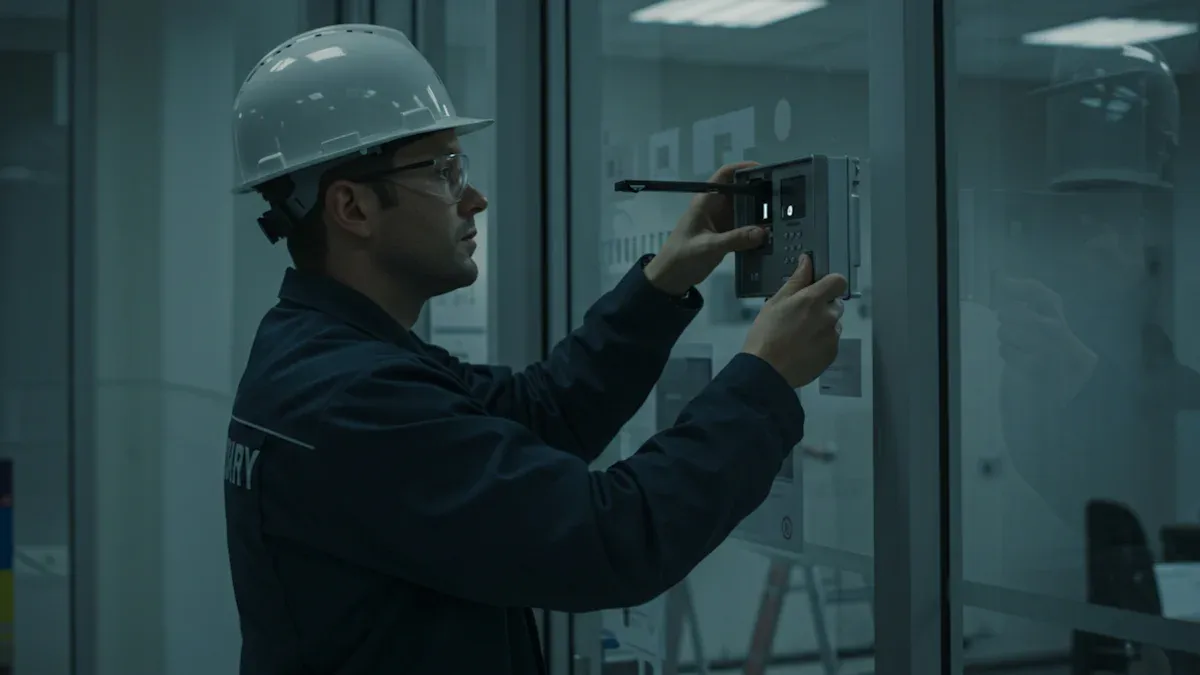
Redundant Systems and Failover
Hardware Redundancy
Airport network managers use hardware redundancy plans to remove single points of failure across terminals. No single part breaking can take down the whole point-of-sale network. Dual core switches give physical backup by running active backup links for local store networks. If one switch breaks, the backup takes over right away without stopping point-of-sale operations.
Engineers use automated failover technology to meet strict operational rules. Point-of-sale systems stay available even when main hardware parts fail. Edge hardware processes sales data locally inside the store instead of relying on remote servers. When internet connectivity drops, an offline-first register stores transaction logs in local memory. This full offline functionality keeps sales from freezing. Staff keep scanning and accepting payments, and the register automatically syncs offline records back to central inventory systems once the main link works again.
Network and Power Backup
SD-WAN routers test main links nonstop using active network monitoring. They move store traffic to backup cellular links within seconds when a main fiber connection drops. This ability cuts downtime for airport retail point-of-sale terminals. Protocol-level redundancy adds another layer. ERPS offers faster, predictable failover times that fit ring-based airport network designs. RSTP gives flexibility for complex mesh or tree structures.
Failover solutions find outages on their own and move traffic to backup within seconds, keeping things running.
Proactive server health monitoring lets IT teams spot connection issues before whole networks fail. Switches check server health at set times to lower mean time to resolution metrics. This approach protects pre-order sales and live inventory updates. Dual wireless channels give extra network redundancy for mobile terminal devices.
Preventive Maintenance
Scheduled Inspections
A strong maintenance program stops small faults from turning into major outages. Airports use predictive maintenance to find issues early. Continuous monitoring supports workforce management and cuts wait times. IoT sensors allow preemptive repairs, which lowers costs. Teams also watch cooling systems closely. Terminal HVAC systems and data center cooling units get regular checks because heat stress shortens hardware life. Predictive maintenance and cooling monitoring are proven methods in airports and data centers alike.
Software Updates and Patching
Software updates and patching belong in a controlled schedule. Unpatched systems face security risks and stability problems. A zero downtime deployment approach lets teams apply updates without stopping service. This method uses rolling restarts and redundant nodes to keep systems live during the change. Airport maintenance teams work with IT staff to pick low-traffic windows for larger updates. They test every patch in a staging environment before touching production systems.
Real-Time Monitoring and Alerts
Performance Dashboards
Real-time monitoring gives teams a clear view of system health. Performance dashboards track transaction speeds, network latency, and hardware status across every store. A dashboard that shows a failing switch or a slow payment terminal lets staff act before travelers notice a problem. This visibility supports airport maintenance planning and cuts the chance of unplanned downtime.
Automated Incident Response
Automated incident response shortens recovery time. When a monitor finds a failure, the system can move traffic, restart a service, or alert an on-call technician. A cmms platform can create a work order on its own and assign it to the right team. This automation cuts the mean time to repair and keeps terminal systems running.
Airport retailers also need 24/7 tech support backed by uptime guarantees. A vendor that promises round-the-clock response protects revenue at every hour. The support team watches systems nonstop and escalates issues before they spread. A cmms tool tracks every incident and records the resolution steps. That data feeds into future maintenance plans and helps the airport maintenance team improve over time. A cmms also manages spare parts inventory so technicians never wait for a critical component. Together, these strategies build a strong operation that meets the 99.99% target.
Best Practices for Minimal Downtime
Cloud and Edge Computing
Scalability and Reliability
Cloud platforms let retail systems grow without buying new hardware. A store adds registers or payment terminals during busy season, and the cloud grows to handle that need. Backup data centers keep services running when one region goes down. This setup protects sales when lots of passengers are shopping.
Edge computing brings processing power close to the store. A local edge device handles transactions even when the network goes down. Sales keep going, and data syncs to the cloud later. This blend of cloud and edge creates a strong system that fights downtime.
Latency Considerations
Payment approval must finish in seconds. A slow network makes travelers wait, and long waits make them leave. Edge computing lowers latency by processing data near the point of sale. A register sends only the final transaction record to the cloud.
Airports with weak connectivity gain the most from this method. A local edge node keeps response times short and steady. Retailers should test latency under real terminal conditions before they deploy.
AI and Predictive Analytics
Failure Prediction
AI-powered predictive maintenance finds problems before they cause outages. Models study transaction logs, hardware temperatures, and network traffic. A pattern of slow responses may point to a failing disk or a weak power supply. Teams then swap the part during a quiet window.
This method supports airport maintenance work across many stores. Predictive maintenance lowers surprise failures and makes equipment last longer. Airports that use it report fewer emergency repairs and steadier service.
Automated Remediation
Automated remediation acts on predictions without human delay. A monitoring system spots a failing node and moves traffic to a backup. It can restart a frozen service or isolate a faulty device. The cmms then logs the event and creates a work order.
This automation shortens recovery time and cuts unplanned downtime. Staff focus on complex problems while routine fixes happen on their own. The result is a system that heals itself before travelers notice.
Staff Training and Incident Management
Regular Drills
Staff must know what to do when a register fails. Regular drills simulate outages during busy periods. Teams practice manual payment steps, queue management, and customer communication. Each drill reveals gaps in the response plan.
Airport maintenance crews join these exercises to test coordination. Practice builds speed and confidence. A trained team restores service faster and keeps passengers calm.
Escalation Protocols
Clear escalation protocols define who responds and when. A level-one issue goes to the store technician. A level-two issue reaches the vendor support line. A level-three issue triggers the airport cmms software to alert senior managers.
Documented steps remove confusion during a crisis. Every incident gets a timestamp, an owner, and a resolution note. This record feeds predictive maintenance models and improves future response. Strong protocols turn a chaotic event into a managed process.
Airport Maintenance Management and CMMS

Role of Airport CMMS Software
Airport maintenance management depends on one shared platform. A computerized maintenance management system stores records for every retail asset. The airport cmms software tracks service histories and compliance logs. This airport cmms software manages work orders.
A CMMS monitors completion rates, asset uptime, and inspection pass rates. Those CMMS records feed FAA Part 139 reports and airline SLA reviews. Airport authority presentations use the same data for budgets. Every CMMS record protects the airport during audits.
Asset Tracking and Work Orders
Each register and payment server has a digital profile. The profile includes vendor details and a maintenance schedule. When a device fails, the CMMS creates a work order and assigns a technician.
Technicians update records with repair notes. The same CMMS platform keeps a clear trail for supervisors.
Compliance and Reporting
Role-based dashboards deliver data to different teams. Operations managers see airfield inspection logs. Facilities directors track preventive maintenance compliance.
CMMS dashboards consolidate these KPIs into one view. This view keeps the airport ahead of audit findings.
Integrating Airport Maintenance with IT Uptime
Cross-departmental coordination keeps retail systems online. Airport maintenance teams no longer work separately from IT staff. Both teams share the same CMMS records.
An ai-powered airport cmms analyzes work orders and equipment trends. Models find patterns that humans miss. A terminal HVAC unit may fail just before payment servers overheat.
Cross-Departmental Coordination
Airport maintenance operations depend on clear handoffs. A technician fixing a UPS unit must tell IT when power returns. The CMMS stores updates in real time.
CMMS work orders include security notes. Clear documentation makes maintenance work predictable.
Data-Driven Decision Making
Real-time dashboards consolidate uptime data across all airport facilities and assets. Managers compare current performance against historical baselines. They also benchmark against similar airports.
The same data helps the airport plan budgets.
Measuring Success in Airport Maintenance
Airport maintenance success depends on uptime and mean time to repair (MTTR). Passenger-critical systems should return to service within 90 minutes. Non-passenger-critical infrastructure allows up to four hours.
Asset Class | |
|---|---|
Power & UPS Systems | 99.9%+ |
Baggage Handling Systems | 99.5%+ |
Security Screening Equipment | 99.2%+ |
Passenger Boarding Bridges | 99.0%+ |
Terminal HVAC Systems | 99.0%+ |
Escalators & Moving Walkways | 98.5%+ |
Uptime and MTTR Metrics
CMMS platforms track leading and lagging indicators. Preventive maintenance compliance signals future issues. An airport cmms implementation tracks all four categories.
Teams that monitor preventive maintenance in real time maintain uptime 15 to 22 percent higher than monthly reviewers. Maintenance crews respond faster through the same system.
Continuous Improvement Cycles
Teams define objectives, select KPIs, build a benchmarking structure, analyze results, optimize processes, and overcome challenges.
Repeating this loop raises the availability of retail systems. Airports that follow this cycle sustain steady gains.
Meeting the system uptime requirements in airport retail – scenario [commercial demands 99.99% or higher. Airport retailers face 24/7 passenger flow, narrow repair windows, and costly outcomes from downtime. A single outage erases sales, damages trust, and triggers penalties. Resilient infrastructure protects revenue around the clock.
Retailers should invest in redundant systems, preventive maintenance, real-time monitoring, and airport cmms software. This airport cmms platform tracks assets, schedules work orders, and measures mean time to repair. It connects airport maintenance and IT teams. Another cmms workflow flags failing equipment before travelers notice. A strong cmms foundation turns uptime goals into daily practice. The cmms records every action and feeds continuous improvement.
Assess current uptime levels immediately. Close gaps with redundant failover and structured maintenance. These steps meet the standard.
FAQ
What uptime percentage should an airport retail system target?
Most of the industry agrees that 99.99% is the lowest goal for critical terminal systems. This level permits about 52 minutes of unplanned downtime each year. Retailers with many transactions may aim for five nines, which allows only about 5 minutes per year. Most tenants choose four nines as the realistic standard.
How does a CMMS help meet system uptime requirements in airport retail – scenario [commercial?
A CMMS keeps track of every register, server, and payment terminal in one place. It plans preventive work orders and records repair histories. When a device breaks, the CMMS sends a technician and logs the fix. That information supports ongoing improvement and helps systems stay near the 99.99% goal.
What is a reasonable MTTR for passenger-critical retail systems?
Passenger-critical systems should be back in service within 90 minutes. Non-critical infrastructure can take up to four hours. A CMMS watches both targets and marks any work order that goes past its limit. Quick recovery protects sales during busy departure times.
Can a small concession stand justify five nines?
Five nines requires regional failover, backup network paths, and automatic detection. That setup costs a lot. A single store seldom makes enough money to cover the expense. Four nines keeps the business safe at a cost most tenants can handle.
How does an airport CMMS support compliance reporting?
A CMMS keeps inspection logs, service histories, and completion rates. These records supply FAA Part 139 reports and airline SLA reviews. Role-based dashboards give the right data to operations managers and facilities directors. Every CMMS entry helps protect the airport during an audit.
What role does preventive maintenance play in uptime?
Preventive maintenance keeps small problems from turning into big outages. Scheduled inspections find failing hardware before it stops a sale. A CMMS automates these schedules and tracks compliance. Teams that watch preventive maintenance in real time keep uptime higher than those who check monthly.
How do cloud and edge computing reduce downtime?
Cloud platforms add capacity during busy times and keep backup data centers ready. Edge devices handle transactions locally when the network goes down. Sales keep going, and data syncs later. This mix keeps airport retail systems running through connection failures.
What should an escalation protocol include?
A clear protocol states who responds at each severity level. A store technician handles level-one issues. Vendor support takes level-two problems. The CMMS alerts senior managers for level-three incidents. Every event gets a timestamp, an owner, and a resolution note.
See Also
Small Countertop Snack Vending Machines: Space-Saving Ideas For Today's Modern Places
How Cloudpick Checkout Computers Improve Efficiency, Accessibility, And Overall Customer Experience
Boosting Worker Productivity Through Smart Vending Machine Solutions In Small Offices
Walmart Self-Checkout Availability: What Changes Are Coming During 2025?
Essential Corner Store Fundamentals And The Reasons They Matter
