The role of edge computing in real-time retail recognition in hospitals and healthcare facilities

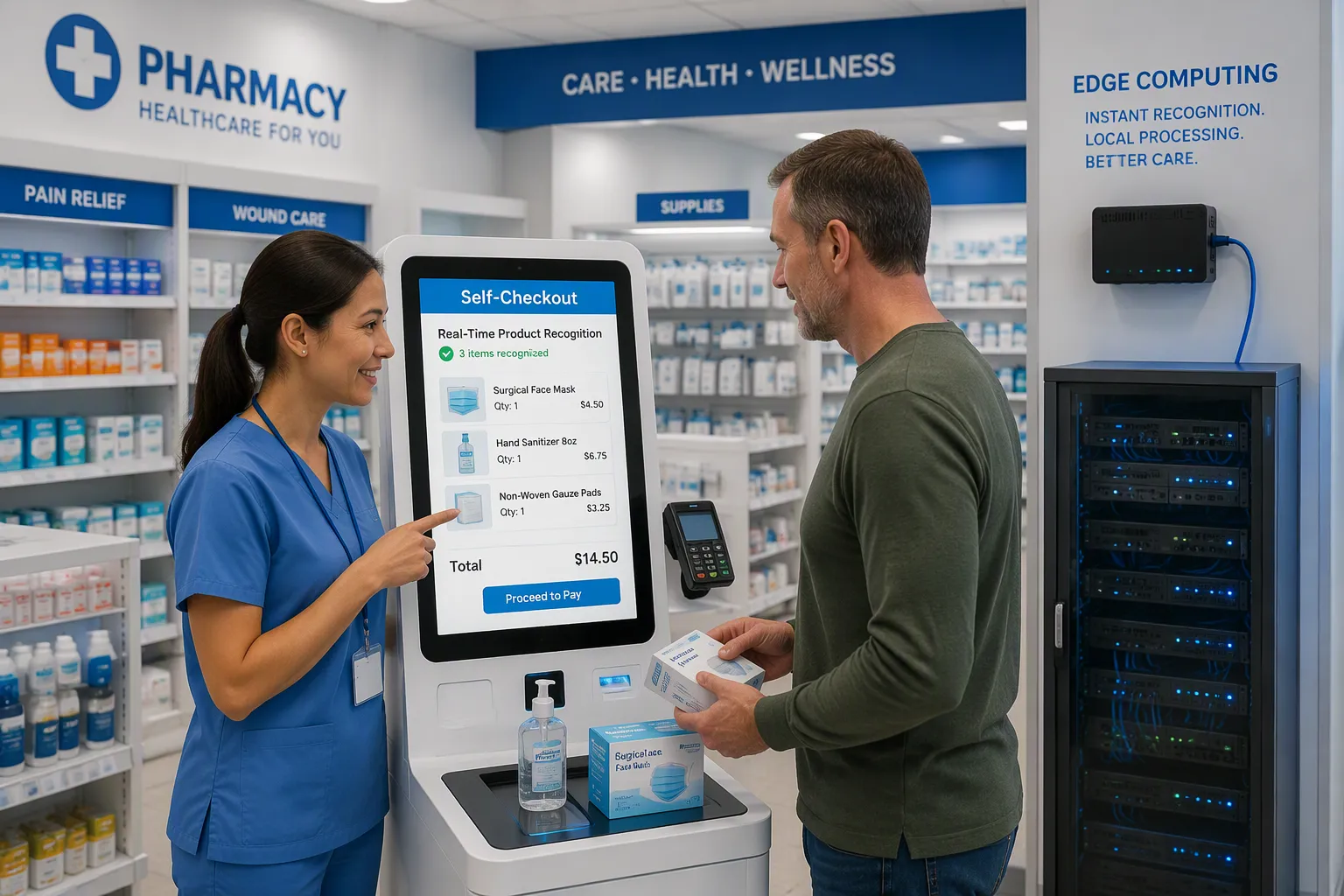
Edge computing in real-time retail recognition lets hospitals and healthcare facilities use video and sensor data in real time, on-site. This local processing cuts latency and keeps sensitive data secure. It matters in hospital cafeterias, gift shops, pharmacies, and patient shops.
Faster checkout improves the patient experience. Privacy compliance strengthens because data stays local. Reliable operation continues through network failures. This approach also reduces bandwidth strain on busy hospital networks. These benefits support staff health, patient health, population health, and long-term health outcomes. Protecting health information improves health workflows, lowers health risks, and supports overall health. Real-time decisions advance public health and individual health every day.
Key Takeaways
Edge computing processes data on-site for instant checkout in hospital shops.
Local processing keeps patient data private and secure.
Edge systems keep working during network outages for reliable service.
Real-time recognition reduces staff workload and improves patient safety.
Leaders should pilot edge recognition in one busy location first.
Edge Computing in Real-Time Retail Recognition
Defining Edge Computing in Plain Terms
Edge computing means processing data at the point of collection. A camera, sensor, or smart device handles the analysis right where the action happens. This approach stands in contrast to sending every byte to a distant cloud data center for processing. The difference matters for speed and reliability.
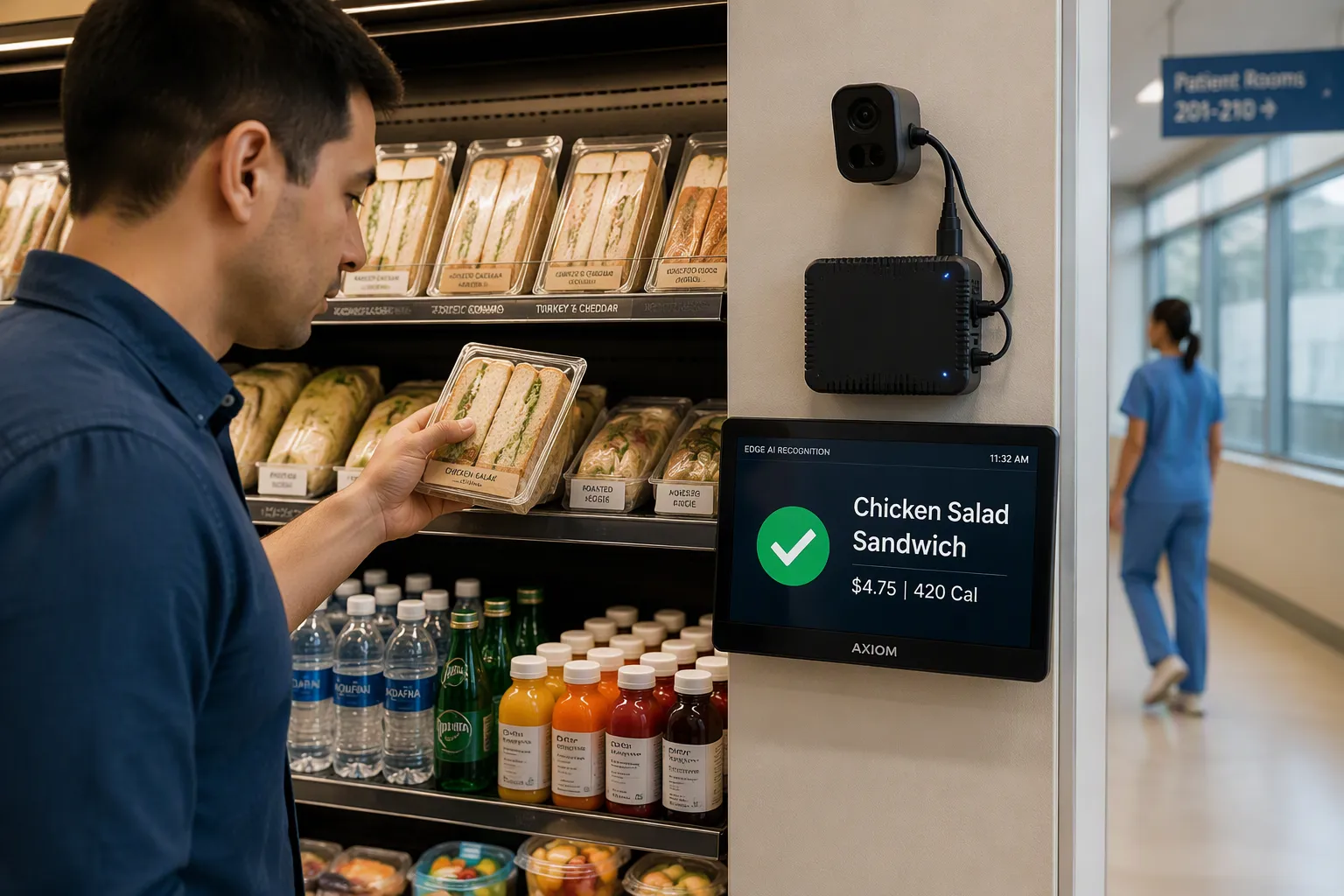
In hospital retail settings, cameras and sensors capture product picks and purchases. On-device AI identifies each item instantly. A shopper grabs a sandwich, and the system logs the transaction without a barcode scan. The recognition happens in milliseconds. This is edge computing in real-time retail recognition at work.
The local device makes a decision. It does not wait for a round trip to a remote server. That round trip adds delay. On a congested network, the delay grows. Edge computing removes that bottleneck. The result is a smooth, instant experience for the shopper.
Why Hospitals Are a Special Case
Hospitals and other medical facilities combine three conditions that make local processing essential. First, strict privacy rules govern patient data. Second, high foot traffic strains network capacity. Third, network reliability varies across a large campus. A cloud-only system struggles with all three.
Privacy rules demand that sensitive information stays protected. When a camera captures a patient buying medication, that data must not travel unnecessarily. Local processing keeps the data on-site. This supports compliance with health privacy regulations. It also reduces the risk of a breach during transmission.
High foot traffic creates bandwidth congestion. A busy cafeteria at lunchtime might have hundreds of people moving through. Each transaction generates data. Sending all of it to the cloud overwhelms the network. Edge computing processes the data locally. Only the final transaction record travels to the central system. This reduces bandwidth demand significantly.
Network reliability is a real concern in healthcare. Older buildings have dead zones. Construction projects cut cables. A cloud-dependent system fails when the network goes down. An edge-based system keeps running. The recognition continues. The retail service continues. Patient health and staff health benefit from this continuity.
The combination of privacy, traffic, and reliability makes hospitals a special case. A retail store in a mall might tolerate a brief outage. A hospital pharmacy cannot. A patient needs medication now. A nurse needs a quick meal during a short break. Real-time recognition supports these needs. It reduces wait times. It lowers stress. It supports better health outcomes for everyone in the building.
Edge computing in real-time retail recognition solves problems that cloud-only systems cannot. It keeps data local. It cuts latency. It maintains service through outages. For medical facilities, these are not optional features. They are requirements for safe, effective operations.
Why Real-Time Recognition Matters in Healthcare
Hospitals operate on time. Long checkout lines create dangerous delays. Edge recognition lets staff move faster. Patients get what they need without friction. Protecting patient health starts with this speed. A busy pharmacy cannot afford a slow transaction. A nurse with a ten-minute break needs immediate service. This local processing makes that possible.
Operational Urgency and Staff Workload
Hospital cafeterias face heavy lunch rushes. Nurses get short breaks. A traditional checkout line wastes those minutes. Edge recognition identifies items instantly. The transaction completes without scanning. Employees serve more customers with fewer helpers. This efficiency directly reduces staff workload.
A health monitoring system helps managers spot busy times. Accurate schedules reduce crowding. Faster service lowers stress. Staff health improves when work feels manageable. Edge recognition solves both urgency and workload problems. It keeps retail moving even during peak hours. That reliability matters in a hospital setting.
Patient Safety and Health Outcomes
Recognition protects patients in direct ways. Meal tracking prevents dangerous food errors. Cameras check every tray against the care plan. An allergen triggers an alert. Good health depends on this automatic check. Accurate food choices protect long-term health for patients with chronic conditions.
Supply tracking also keeps patients safe. When a clinician removes a dressing kit, the system logs it in real time. Accurate inventory means critical items stay ready. Immediate data without delays improves response times and patient outcomes. Edge processing works even during network failures. Clinicians get answers instantly when local systems run the analysis.
Remote patient monitoring and continuous health monitoring rely on the same local speed. Real-time analytics and monitoring extend recognition to patient rooms. Real-time health monitoring and real-time data analytics depend on fast inference. Patient monitoring becomes a continuous process. Overall health improves when every transaction supports care. This constant attention protects health outcomes across the facility.
How Edge-Based Recognition Works
From Cameras and Sensors to On-Device AI
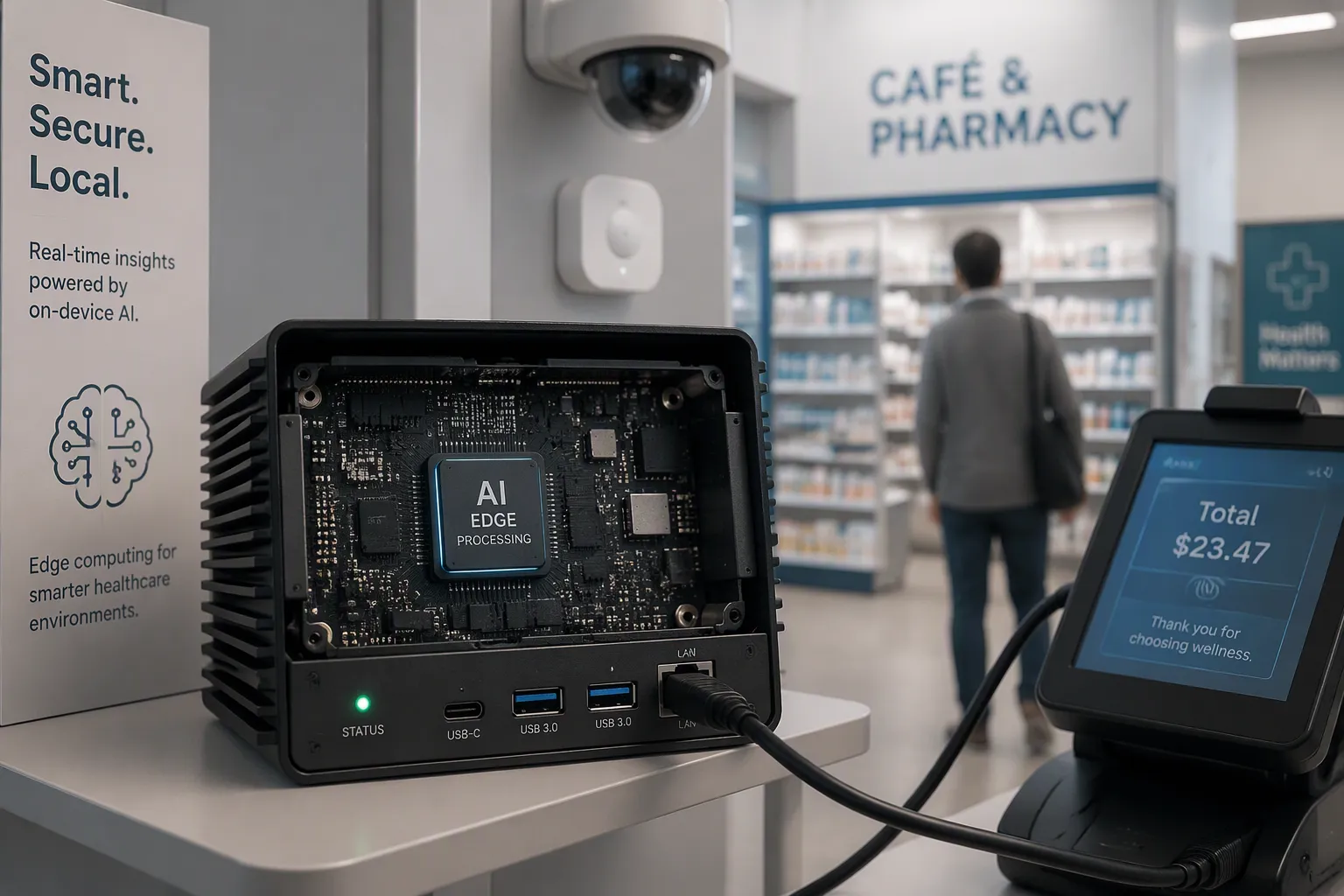
Cameras and sensors sit at the edge of the network. They capture video frames and product data as shoppers move through a hospital café or pharmacy. An embedded GPU or neural processing unit runs the recognition model right on the device. This local inference identifies each item without sending video to a distant server.
The hardware handles this workload efficiently. Purpose-built embedded chips deliver up to 26 TOPS at 2.5W, which means they process recognition tasks without draining power. Model optimization pushes performance further. TensorRT FP16 optimization provides roughly a 2x speedup. TensorRT INT8 optimization delivers 3-4x speedup with calibrated accuracy validation. Model pruning removes 30-70% of weights with minimal accuracy impact. Production Jetson deployments show 3-10x speedup with less than 1% accuracy loss.
These gains matter for real-time processing. Edge inference latency stays under 30ms on optimized hardware. A cloud baseline runs 200-500ms. That gap decides whether a shopper waits or walks away. For safety-critical workloads, the edge target sits below 50ms. Cloud round-trips of 50-500ms cannot reliably meet that bound. The table below summarizes these figures.
Metric | Reported value |
|---|---|
Edge inference latency | Sub-30ms on optimized hardware; cloud baseline 200-500ms |
TensorRT FP16 optimization | ~2x speedup |
TensorRT INT8 optimization | 3-4x speedup with calibrated accuracy validation |
Model pruning | Removes 30-70% of weights with minimal accuracy impact |
Production Jetson deployment | 3-10x speedup with less than 1% accuracy loss |
Connecting to Retail and Clinical Systems
Recognition results flow into existing retail systems. The edge device sends only the final transaction record to the point-of-sale platform. This design reduces bandwidth demand and keeps video data local. Privacy regulations in many jurisdictions make edge processing a compliance requirement, not just a preference.
The same architecture extends beyond the retail counter. Internet of Medical Things devices carry recognition into EMS vehicles, clinics, and patients' homes. An IoMT device in an ambulance can log supplies as paramedics grab them. A clinic IoMT sensor tracks inventory in real time. This edge-IoT-based healthcare model supports iot in healthcare workflows across many settings. The internet of medical things connects these devices into one recognition fabric. The internet of things in healthcare grows stronger when each node processes data locally.
Local processing overcomes three obstacles in busy hospitals. Bandwidth congestion eases because video never leaves the device. Network reliability issues matter less because recognition runs offline. Reduced latency comes from eliminating the cloud round trip. Real time decisions happen at the point of care. Real-time recognition keeps retail and clinical systems in sync. Real-time data supports patient health, staff health, and population health. Better health outcomes follow when supplies and meals move without delay. This approach protects health data, lowers health risks, and supports public health across the facility.
Key Benefits of Edge Computing
Low Latency, Reliability, and Bandwidth Savings
Edge computing delivers powerful speed. It processes data at the point of collection instead of waiting for a distant cloud. This design makes real-time retail recognition possible at checkout. It can reduce latency to under 30ms on optimized hardware. A cloud baseline runs 200-500ms. That gap changes the retail experience. Cafeterias and pharmacies clear lines faster. Patients receive meals without delay, a direct gain for patient health.
Reduced latency also lowers network strain. Video stays on the local device. Only transaction records travel to central systems. A lunch rush generates many data streams. Local processing absorbs that load. This separation matters in hospitals. Edge devices do not depend on a centralized IT link. They keep recognizing items in real time, even when the network fails.
Faster service supports worker health. Nurses gain extra minutes for patient health. Health needs stay met throughout a shift.
Privacy Compliance and Continuous Operation
Patient data remains inside the facility. That supports patient privacy and HIPAA-aligned practices. Field-level encryption or tokenization hides sensitive identifiers. Pseudonymization replaces direct identifiers before shared analytics. Zero-trust segmentation uses default-deny and least-privilege controls. The minimum necessary standard limits what edge devices collect. These controls keep protected health information from reaching central systems.
Role-based access controls and audit trail logging create strong accountability. Encryption at rest and SSL for data in transit secure moving data. Properly audited key management completes the picture. Privacy is not an add-on; it is part of daily health operations.
Continuous operation follows from the same design. Real-time recognition continues during outages. Real-time edge inference never pauses. Zero-trust identity verification catches compromise quickly. Health staff can rely on retail systems. Health outcomes improve when transactions never stop. Reduced downtime supports population health and long-term care. Every transaction protects health.
Use Cases and Adoption Considerations
Cashierless Cafés, Smart Vending, and IoT in Healthcare
Hospitals now test cashierless cafés where cameras and sensors track every item a person takes. A nurse grabs a salad, and the system charges the account without a scan. Smart vending machines use the same logic. They recognize products and dispense them in seconds. Staff retail access improves because workers spend less time in line.
Patient meal tracking offers another strong example. Cameras verify each tray against the care plan. An alert fires when a meal contains a restricted ingredient. This real-time monitoring protects patient health. An iot-based remote health monitoring system can extend these gains beyond the building. An IoMT device in an ambulance logs supplies as paramedics grab them. The internet of medical things connects clinics, vehicles, and homes into one network. Remote patient monitoring then supports timely care in rural areas. An iot in healthcare model reaches resource-constrained settings where specialists are scarce. The internet of things in healthcare grows stronger when each node processes data locally. Patient monitoring becomes continuous rather than episodic.
Cost, Integration, and Ethical Challenges
Adoption carries real costs. Edge hardware, installation, and model training demand upfront investment. Legacy point-of-sale systems often lack the interfaces that edge devices need. Integration work can stretch timelines and budgets. Hardware constraints also matter. Small clinics may lack space or power for additional compute units.
Ethical and privacy concerns deserve early attention. Cameras in a retail space capture shoppers who never consented to tracking. Facilities must limit data collection to the minimum necessary. They should anonymize footage and delete it quickly. Staff may worry about surveillance during breaks. Clear policies and transparent communication reduce that friction. A health monitoring system for retail traffic should never double as an employee performance tool. Leaders who involve privacy officers and clinical teams early build trust. That trust determines whether an iot in healthcare pilot succeeds or stalls. An iot in healthcare rollout also needs a plan for audits and staff training. An iot in healthcare program works best when governance arrives before the cameras do.
Edge computing in real-time retail recognition is the essential enabler of fast, secure, and efficient service in healthcare settings. Local processing solves latency, privacy, and reliability problems that cloud-only systems cannot. Data stays on-site, so patient health information remains protected. Transactions complete in real time, even during outages. These gains support staff health, patient health, and population health across every facility.
Leaders should audit existing retail workflows first. They can pilot one high-traffic location next. Privacy and compliance teams must join early. Edge and AI will keep reshaping hospital retail. Staff health improves when technology removes burden instead of adding it. Better health outcomes follow.
FAQ
How does edge computing improve checkout speed in a hospital café?
Edge computing processes data at the point of collection. A camera recognizes each item in real time. The system logs the purchase without a barcode scan. This speed supports health staff who take short breaks. Faster service protects health by reducing stress and wait times.
Why does local processing matter for patient privacy?
Local processing keeps sensitive data inside the facility. Video never travels to a distant server. This design supports HIPAA-aligned practices and protects health information. Strong privacy controls lower health risks. Patients trust that their health data stays secure during every retail transaction.
Can recognition systems keep working during a network outage?
Yes. Edge devices run recognition on-site. They do not depend on a central cloud link. Real-time inference continues when the network fails. A health monitoring system stays online. Continuous operation protects health outcomes because staff always get the supplies and meals they need.
How does real-time recognition support patient monitoring?
Recognition tracks meals and supplies as they move. This real time data feeds clinical workflows. Patient monitoring improves when every tray matches the care plan. Accurate records support health decisions. Better patient monitoring leads to stronger health results across the facility.
What should leaders check before adopting edge recognition?
Leaders should audit retail workflows first. They can pilot one high-traffic location. Privacy and compliance teams must join early. Hardware, cost, and legacy integration need review. A careful rollout protects health data and supports long-term health for staff and patients.
See Also
AI-Driven Convenience Stores Are Growing: Essential Insights For Retailers
Artificial Intelligence Retail Stores Will Dominate The Future Market
Smart Electronic Vending Machines Are Transforming Retail Through Advanced Technology
Examining Walgreens Self-Checkout: Benefits And Difficulties In Modern Retail
Micromarkets Versus Smart Stores: Global Operations Of Automated Convenience Retail
