AI in Unmanned Convenience Stores Improves Every Moment of the Customer Journey

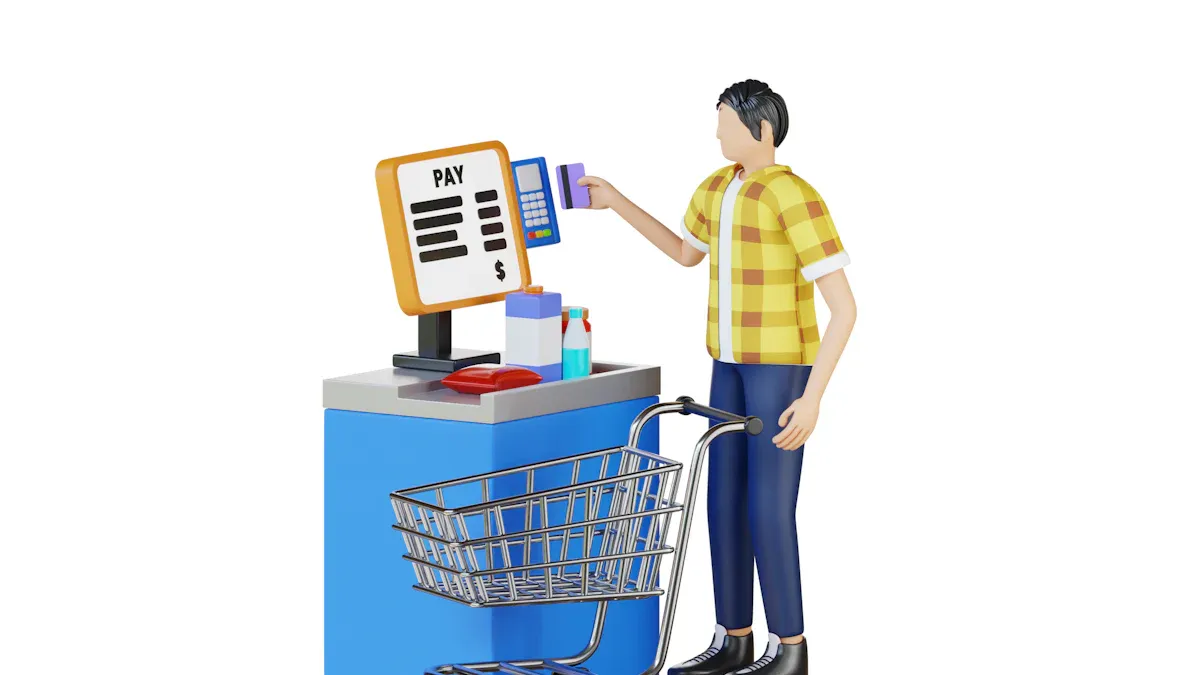
Artificial intelligence makes every part of the unmanned convenience store customer journey better. A shopper walks in using facial recognition, grabs drinks and snacks, leaves right away, and sees the finished order on a phone. That is the whole unmanned convenience store customer journey: entry, browsing, choosing, exit, and checking the order afterward. Convenience store owners and tech leaders should pay attention. AI makes each moment of the unmanned convenience store customer journey feel smooth and pleasing. The customer experience no longer relies on a checkout counter. Instead, artificial intelligence helps the whole unmanned convenience store customer journey from door to receipt. Payment happens on its own. Every step of the unmanned convenience store customer journey counts, even for a small purchase.
Key Takeaways
AI makes every part of the unmanned store visit better. You get in using facial recognition. Your phone shows the final receipt.
Cameras, weight sensors, and RFID work together. They track products correctly. Bills come automatically. No hand scanning is needed.
Store owners should judge AI by how customers feel. This focus matters more than the equipment they install.
Artificial intelligence helps with local market needs. Entry, payment, and support options fit different shopping habits.
Every purchase, even a small drink, goes through the whole journey. Smooth steps build customer trust and loyalty.
The Unmanned Convenience Store Customer Journey
The unmanned convenience store customer journey spans entry, browsing, product selection, checkout, exit, and post-purchase review. Each stage matters, even for a small purchase. The Cloudpick demonstration shows this clearly. A shopper enters with facial recognition. Shelves hold drinks and snacks. Customers hold selected products. A completed order appears on a phone. This is the entire shopping journey in one smooth flow.
Industry research describes two early stages of this journey. First, the store's smart system must identify what the shopper needs. Second, the system guides the shopper to the right shelf. These steps support a personalized shopping experience from the start.
Entering with Clear Instructions and Frictionless Access
Entry sets the tone for the whole visit. AI-powered unmanned stores use facial recognition for entry. Entrance gates and shopping instructions are clearly displayed. A shopper sees what to do right away. No staff member needs to explain the process. This creates a seamless shopping experience from the first second.
Clear entry instructions also reduce confusion. A first-time visitor can walk in without help. The system recognizes the shopper and opens the gate. This step removes the friction of traditional checkout lines before the visit even begins. A smooth entry supports a better customer experience for every visitor.
Browsing and Choosing from Familiar Shelves
Browsing should feel normal and easy. AI-powered stores stock familiar items. Core assortments include soft drinks, bottled drinks, chips, and snacks. Shoppers see brands like Gold Peak iced tea, Monster energy drinks, and Pringles. AI-powered robots retrieve and restock these items. The store mirrors the expected convenience store experience.
Smart shelves use RFID tags, weight sensors, and cameras. These tools monitor stock levels continuously. Fast-moving essentials include bottled drinks, snacks, and ready-to-eat meals. Demand forecasting predicts higher cold drink sales during heatwaves. It also predicts extra snack demand for festivals. This keeps familiar browsing options reliably available. Artificial intelligence supports personalized recommendations and helps shoppers find products fast.
How AI Helps with Entry and Finding Products
AI makes the first moments of a visit smooth and easy. The entrance sets the speed. Every step before checkout shapes how the customer feels. Self-running stores use layers of technology that the shopper never notices.
Facial Recognition for Easy Entry
Facial recognition takes away the first problem. The InEvent Face-ID Engine calls this a "Look and Go" flow. A camera sensor finds a face within 1.5 meters of the gate. A liveness check uses depth cues and small movements to stop fakes. The AI then maps 128 points on the face. Eye spacing, nose width, and jawline shape make a unique vector. The system compares this vector with the secret biometric hash from sign-up. If the match is over 99.8% sure, the gate opens. The whole process takes 200 to 500 milliseconds.
Privacy stays safe. The store keeps a one-way hash, not real photos. Only the secret face vectors of registered users allow entry. A smooth entry sets the mood. No ticket, no wallet, no checkout line at the door. This ease makes more automated stores want to use facial recognition.
Pick-Up-and-Go Product Choice
Inside, shopping still feels normal. Shelves hold drinks, chips, and snacks. Shoppers find Gold Peak iced tea, Monster energy drinks, and Pringles where they expect them. This familiar setup makes shopping better with nothing new to learn.
Computer vision watches shoppers and how they touch products. CNNs help customers find items fast. Deep learning speeds up order processing. 3D vision monitoring checks what is on the shelf. These tools create personal suggestions in real time. The system knows what each shopper took. It suggests items while the shopper looks around. This AI-powered personal shopping makes finding things feel special. More personal suggestions show up as the shopper stops.
Sensor fusion makes recognition trustworthy. Weight sensors detect when an item is picked up. Cameras watch what happens. Infrared sensors make invisible walls that detect reaching. Human pose estimation tracks movement while a particle filter follows the path. When a hand covers a product, the camera waits; shelf sensors confirm the weight change. This fixes blocking problems. Edge processing keeps the response instant during the whole shopping trip. AI cameras and shelf sensors work together on every pickup.
RFID adds proof. Exit sensors read tags to confirm which products are leaving. AI-based watching tracks products without tags, but RFID protects higher-priced goods. Artificial intelligence supports a personal shopping experience based on proven actions. Every visit creates a personal shopping experience. A reliable shopping experience appears when the software knows who did what and what moved.
Artificial intelligence also powers demand forecasting. The store predicts higher cold drink sales during heatwaves and more snack demand for festivals. Stocking stays in line with what customers want. Artificial intelligence ties the sensor data together. This availability makes shopping smoother and updates the payment account.
The exit is just as smooth. Shoppers skip the old checkout counter. They walk out without stopping at a checkout. Sensors record every pickup and put-back. The checkout process runs silently. The system sends payment confirmation to the phone. Cashierless checkout finishes the purchase. AI-driven solutions make finding and paying effortless. The phone shows the checkout summary. Payment happens on its own. The checkout sequence ends the shopping trip while the payment flow stays invisible. A secure payment record follows every transaction. This turns a quick stop into a pleasant shopping experience every time.
Cashierless Checkout and Exit Made Effortless

Cashierless checkout changes the last part of the trip. A shopper picks up items and walks right out. There is no checkout line, no scanner, and no staff member. Autonomous, cashierless stores depend on seamless checkout processes to make that moment normal. The bill shows up on a phone automatically.
Automatic Billing While Walking Out
The billing flow uses layered evidence. Ceiling-mounted cameras and shelf weight sensors watch customers and products. When a camera detects movement at the same time and place as a weight sensor records a drop in mass, the system cross-validates the item. Computer-vision models identify the product and add it to the virtual cart. At the exit, the system charges the payment method linked to the shopper's account. A digital receipt shows the total.
Amazon Go proved this model. Shoppers enter with an app, a card, or palm recognition. The exit gate triggers the final charge. The shopper walks away without doing manual checkout. AI and artificial intelligence models keep the cart accurate. AI compares sensor timings, so false charges are unlikely. AI turns those signals into a clean bill. AI only finalizes when vision and weight sensors agree. Payment remains invisible, yet fully transparent.
Automated checkout solutions remove the last barrier. A quick stop for a drink and a snack becomes a faster cashier-less experience. Shoppers leave with confidence because the receipt matches the cart. The checkout exists, but the shopper never interacts with it. This preserves the customer experience and creates a seamless shopping experience. Payment happens in the background. A positive shopping experience starts at the exit gate. Every shopping experience should end this way.
Accurate Order Tracking in Unexpected Situations
Accurate billing must survive surprise actions. A camera can lose sight of a product when a hand covers it. Weight sensors confirm the change even then. The combined data produces a dependable shopping experience.
Autonomous checkout systems depend on multiple sensing layers. The table summarizes each layer.
Technology | Role in robust tracking |
|---|---|
Camera / computer vision | Wide coverage, item identification, and movement tracking; limited by occlusion |
Vibration sensing | Detects shelf vibrations from product interaction and touch |
RFID | Tracks products and shopper identity; requires careful distance calibration |
Sensor fusion | Combines weight, camera, and infrared sensor data |
Sensor fusion makes automated stores accurate. Self-service checkouts ask the shopper to scan every item. Automated checkout systems replace that work with passive tracking. Compared with self-service checkouts, this reduces friction and error. The experience feels like walking out with a receipt on a phone.
Artificial intelligence turns raw sensor data into a final bill. Artificial intelligence also predicts when a product may be hidden. The result is a personalized and hassle-free shopping experience. The store turns a simple exit into seamless, personalized experiences. Payment stays transparent. The payment account updates after exit. A secure payment record follows every transaction. A smooth shopping experience depends on accurate background payment. A consistent shopping experience builds loyalty over time.
Post-Purchase Review with Artificial Intelligence
Checking the Completed Order on a Phone
The shopping trip does not stop at the exit gate. A finished order shows up on the shopper's phone. This confirms the purchase and gives clear information after checkout. The receipt lists every item, the total cost, and the payment method. A shopper can review the order right away. This step removes any doubt about what was charged.
Artificial intelligence makes this review easy. The system matches each item to the virtual cart. The phone shows the final bill automatically. A shopper sees the payment record and knows the checkout is done. This openness builds trust in the automated checkout process. A clear order summary turns a quick exit into a confident shopping experience.
Support That Respects Local Market Expectations
Different markets need different entry, payment, and support setups. A store in one country may depend on facial recognition for entry. A store in another market may use a mobile app or a card. Payment methods also differ. Some shoppers like digital wallets. Others use linked bank accounts. Support options must fit local habits.
Major retailers work in different settings and test these formats in their intended environments. Each brand faces unique customer expectations. A cashierless checkout model that works in one market may need changes in another. AI-based solutions must adjust to local payment systems and support needs. The checkout process should feel natural for every shopper. The right artificial intelligence setup respects these differences. This creates a better customer experience in every location.
Improving the Customer Experience in Unmanned Stores
Key Evaluation Questions for the Full Journey
Store owners need clear questions to judge any unmanned convenience store customer journey. Are entry instructions easy to see and follow? Can customers find and pick products without trouble? Is the exit easy to understand? Can customers check their order after shopping? These questions focus on the shopper, not the hardware.
The answers show whether ai really helps. AI-powered cameras can watch how customers move to improve store layout. They find busy areas and popular products. This ties technology evaluation to real behavior patterns. Personalized promotions on digital signs show how ai systems give custom experiences. AI-driven solutions can help customers in real time. They share useful information or offer virtual help when customers seem to need it. Responding to customer needs becomes a key metric.
Technology Value Beyond Installed Equipment
The best retailers invest in fully understanding their customers. They use the right technologies to create a smooth shopping experience. This moves focus from equipment details to experience results. Shoppers do not use self-service checkouts because they seem futuristic. They use them because they are faster than waiting in line. Speed and reliability are the real metrics.
Consumer trust in automated systems links to confidence that a human will step in if technology fails. Human backup ability is a key sign of experience quality. Comfort with fully automated formats is rising across age groups. Self-checkout and mobile ordering are becoming a basic standard. Automation adoption is no longer a generational story. It is a convenience story.
Smart retail improves convenience through faster checkout processes and custom suggestions. AI guidance can steer customers to their favorite items. Smart shelves track stock and help keep familiar products available. These examples show how retailers can judge ai-based solutions by measuring time saved, personalization effectiveness, and decision-making support. The digital transformation of grocery shopping depends on this shift. Judge retail technology by the quality of the shopping experience it supports, not just the equipment installed.
Making Every Moment Count
Complete Journeys Even for Small Purchases
A quick stop for a drink still follows the whole unmanned convenience store customer journey. Entry, browsing, selection, exit, and review all happen quickly. Each step shapes how the customer feels. A shopper judges the store by the whole trip, not by one moment.
Small purchases deserve the same care as large ones. A smooth entry leads to easy browsing. A fast checkout keeps the trip short. An accurate payment confirms the order. A clear receipt ends the visit with confidence. Every stage supports the next one.
Lessons from an AI-Powered Demonstration
Autonomous checkout technology demonstrates a clear lesson. AI can track a product even when a camera loses sight of it. The system still produces an accurate bill. This shows how strong automated checkout systems have become. The technology works behind the scenes.
Retailers should judge ai by the quality of the shopping experience it supports. Does the checkout feel invisible? Does the payment record stay accurate? Do automated stores handle surprise actions? These questions matter more than equipment lists.
Cloudpick invites retailers to see a demonstration focused on the customer journey. The demo shows how ai-driven solutions connect entry, browsing, checkout, and payment into one flow. It also shows how artificial intelligence supports a personalized shopping experience at every step. A strong shopping experience depends on reliable automated checkout systems. A weak checkout breaks the whole trip.
The broader lesson is simple. Every moment counts, even for a small purchase. A fast checkout and a clear payment record build trust. A smooth shopping experience keeps customers coming back. Retailers who study the full journey will design better stores. They will also choose better technology. A good shopping experience starts with the first step and ends with the last. That is how artificial intelligence improves the unmanned convenience store customer journey.
AI helps every part of an unmanned store visit. Easy entry, familiar shelves, cashierless checkout, correct billing, and clear post-purchase review all matter. Store leaders should judge AI by the shopping experience it creates, not by installed equipment. This removes all wait times and builds trust. A phone shows the finished order, which confirms the purchase. Different markets need different entry, payment, and support setups. Artificial intelligence matches local habits. The customer experience stays strong when all steps work together. Every moment matters, even for a small purchase. See the difference firsthand. Contact Cloudpick for a customer journey-focused demonstration.
FAQ
How does ai improve the customer experience in an unmanned store?
AI helps at every step, not just when you pay. It opens the gate by scanning your face. It follows each item using sensor fusion. Then it sends the bill to a phone. The whole trip feels easy from start to finish. There is no line, no scanner, and no waiting.
What happens at checkout if a shopper moves items in an unusual way?
The checkout still gets it right. If a camera loses sight of an item, shelf sensors still confirm the change. The system then checks the signals against each other. The payment record stays trustworthy.
Do shoppers need an app for payment and entry?
Not always. Different markets need different ways to enter, pay, and get help. Some stores use facial recognition. Others use a mobile app, a card, or a linked account. AI-based solutions fit local habits. The right setup depends on the market and the people who shop there.
How do self-service checkouts compare with automated checkout in these stores?
Self-service checkouts still make shoppers scan each item. Automated checkout does that work for you by tracking items on its own. Shoppers pick up goods and walk out. The payment happens in the background. This cuts out hassle and makes the trip shorter. The shopping experience gets better for small and large purchases alike.
What should retailers evaluate before adopting ai-driven solutions?
Ask simple questions. Can shoppers see the entry instructions? Can they find products easily? Is the exit clear? Can they review the order afterward? Judge technology by the shopping experience it supports, not by the equipment installed. Artificial intelligence should make each moment feel seamless.
See Also
Why Stores Powered By Artificial Intelligence Will Dominate Tomorrow
Comparing Micromarkets And Smart Stores: Global Automated Convenience Retail Explained
How Cloudpick Delivers Checkout-Free Shopping Convenience To Your Retail Store
Examining Walgreens Self-Checkout: Benefits And Difficulties In Modern Retail
Exploring The Growth Of Round-The-Clock Vending Machine Cafes: Convenience And Innovation
