How autonomous retail can help solve staffing shortages in Airports & transportation hubs

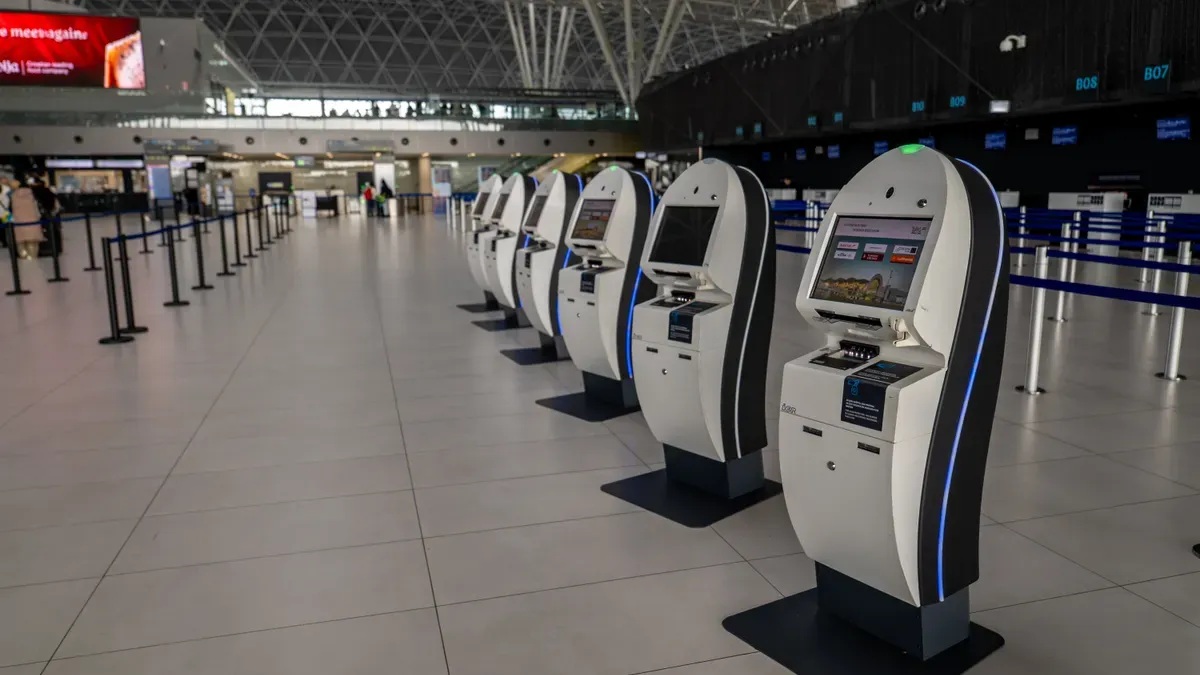
Persistent labor shortages disrupt retail operations in busy airports and transportation hubs worldwide. Unfilled staffing roles force store managers to reduce operating hours. Early shop closures cause lost revenue during late flight schedules. Flight delays create unpredictable customer demand, but labor scarcity limits store coverage.
Autonomous retail technology solves this persistent challenge. Smart retail automation powers friction-free shopping experiences without requiring on-site cashiers. Modern AI systems handle checkout processes automatically. This airport innovation transforms aviation terminal management. Travel hubs achieve continuous retail availability and significant cost savings. Stores optimize daily staff usage, while labor savings boost profitability. Indeed, automation represents the future of airports in the modern aviation sector.
Key Takeaways
Autonomous retail technology eliminates manual cashiers to solve airport staffing shortages.
Smart grab-and-go systems eliminate long checkout lines and speed up passenger travel.
Retail automation allows workers to focus on restocking shelves and helping passengers.
Automated stores stay open 24/7 to boost retail sales during late flight delays.
Eliminating Cashiers Through Autonomous Retail
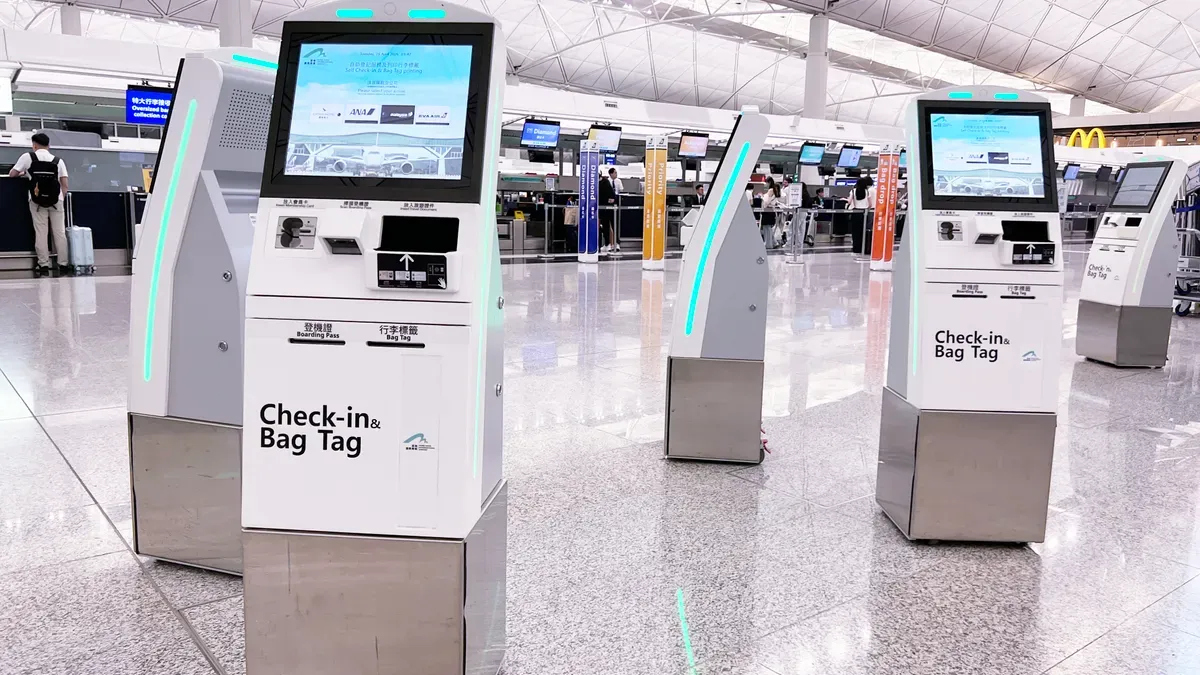
Severe staffing shortages disrupt daily operations across major airports today. Modern travel demands continuous service, yet traditional stores struggle to recruit frontline cashiers. Autonomous retail technology addresses this crisis by removing manual checkout counters completely. Advanced AI computer vision and smart sensors track items automatically when passengers pick up products from store shelves. Aviation retail operators deploy these solutions to guarantee seamless service without human register coverage.
Smart Retail Technologies for Grab-and-Go Shopping
Travelers want speed during travel transit. Autonomous systems replace slow checkout queues with instant grab-and-go convenience. Ceiling-mounted cameras combine with AI algorithms to build virtual shopping carts instantly. Customers scan a payment card at the entrance, pick up items, and exit immediately.
Various AI automation deployments suit different store layouts across busy airports:
Format | Deployment | Staffing impact | Peak/off-peak benefit |
|---|---|---|---|
Smart vending units | Transit hubs | Eliminates frontline staff | Generates 24/7 revenue with hardware payback in 6-12 months |
Self-checkout kiosks | Terminal stores | Cuts front-end labor hours by 20-30% | Processes more transactions per hour to prevent queue abandonment |
Fully automated store | Aviation terminals | Eliminates cashiers; shifts labor to merchandising | Operates without register staff during off-peak hours |
AI autonomous checkout | Travel stores | Cuts store overhead by up to 25% | Removes long queues that 86% of customers avoid |
These smart retail deployments improve total passenger processing across busy travel terminals. Faster checkout times directly elevate overall guest experiences. Aviation facilities eliminate register bottlenecks, which yields massive operational labor savings.
Reducing Labor Dependencies Across Shift Schedules
Overnight travel schedules create massive labor coverage challenges. Flight delays push customer demand into late hours, but labor scarcity limits physical shift coverage. For instance, a Denver International Airport contractor operated at 20% below full staffing due to hiring shortages. Unattended kiosks cut coffee lines by 40% in one concourse, proving that store automation maintains high service speed.
Over a one-year period, stores operating partially or fully autonomously during extended hours recorded an average 18% sales increase, indicating that off-peak autonomous checkout can sustain airport convenience-store staffing reductions.
Automation delivers substantial benefits across shift rosters:
Removing cashier dependencies eliminates the need to schedule extra graveyard labor shifts.
Automated systems deliver persistent cost savings by lowering headcount requirements across low-traffic periods.
Store automation generates direct financial savings by cutting overhead expenses during early morning hours.
Shift management gains labor flexibility because workers shift to inventory management tasks.
This structural labor reduction addresses chronic airport labor deficits directly. Stores capture steady sales revenue while driving long-term enterprise savings. Automation protects profit margins against rising wage overhead. By adopting reliable checkout technology, aviation management teams secure operational performance and maximize cumulative labor savings.
Driving Workforce Automation in Airport Retail
High employee turnover creates continuous operational challenges inside modern transit terminals. Retail store operators in busy airports handle heavy passenger volumes with limited headcount. Implementing workforce automation changes daily store operations entirely. This shift builds reliable staffing reallocation frameworks while maintaining superior customer service.
Reallocating Staff to High-Value Transit Tasks
Automated stores transition workers away from repetitive cashier duties. Employees stop scanning items continuously at static checkout counters. Instead, team members focus directly on greeting travelers, assisting shoppers with product questions, and resolving immediate service issues. Frontline staff improve guest satisfaction scores across aviation facilities.
Shift responsibilities change dramatically when technology manages payment transactions. Personnel focus on maintaining high safety standards and monitoring shop conditions.
• Cashier Duties → AI payment processing and autonomous retail tracking
• Shelf Monitoring → AI-driven restock alerts and automated inventory tracking
• Customer Service → Direct traveler assistance and store maintenance
Integrating self-service systems and autonomous technology reduces worker fatigue significantly. Staff experience lower physical strain and reduced workplace stress. Higher job satisfaction lowers employee burnout in high-pressure transportation hubs. Stable staffing schedules improve overall worker retention and secure long-term labor savings. Aviation managers achieve financial savings by reducing ongoing recruitment and training costs.
Optimizing Inventory and Restocking Efficiency
AI technology transforms physical product management in busy aviation stores. Modern sensor arrays continuously track product levels on sales floors. Smart shelf sensors send real-time alerts directly to mobile devices when stock runs low. Employees restock popular items immediately, which prevents empty shelves during peak travel hours.
Automated inventory monitoring eliminates tedious manual stock counts. AI-powered operations predict hourly product demand by analyzing historical flight schedules and live passenger counts. Staff restock stores efficiently without disrupting customer foot traffic.
inventory turnover efficiency = total sales volume / average stock level
Precise shelf replenishment maximizes sales revenue in busy transportation terminals. Intelligent automation prevents overstocking issues and minimizes product waste. Smooth operations lower overhead expenses and deliver consistent cost savings for aviation store operators. Ultimately, intelligent retail automation protects profit margins and elevates long-term enterprise savings.
Enabling 24/7 Operations via Store Automation
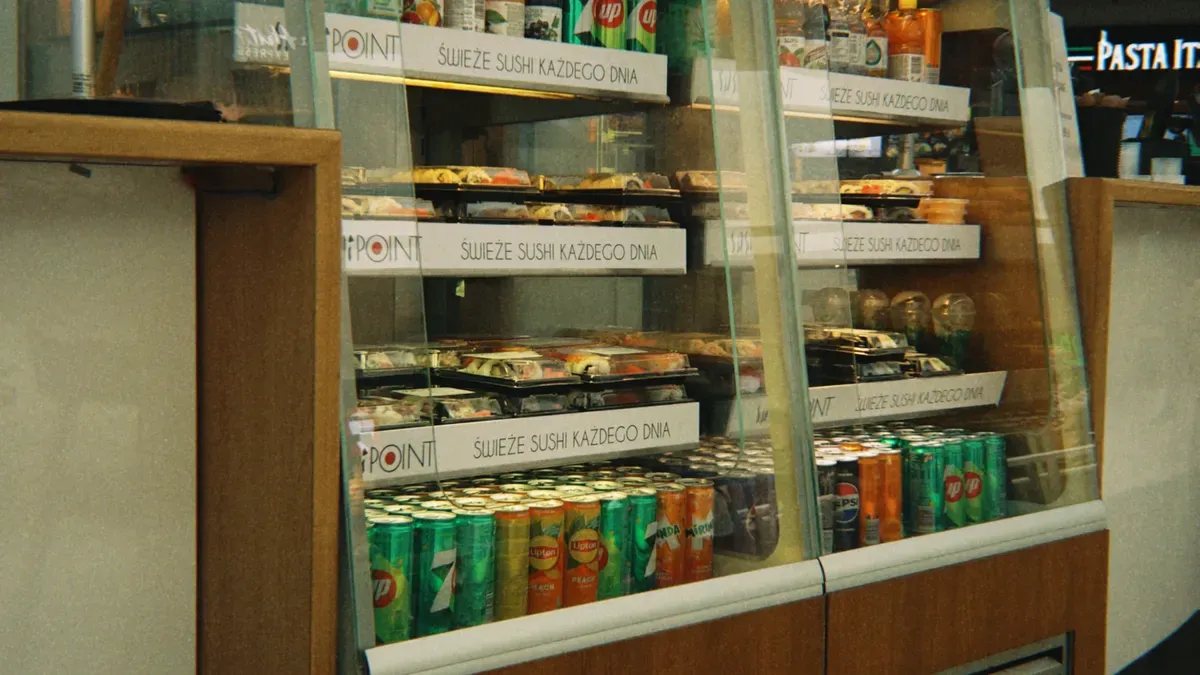
Unlocking Round-the-Clock Travel Revenue
Traditional aviation stores close early because high graveyard wages reduce total profitability. Store automation solves this problem by driving financial savings across late night shifts. Autonomous retail technology removes human cashiers entirely. Automated systems allow retail shops in modern airports to stay open continuously without overnight sales staff.
Smart store technology drives major labor savings while capturing late-night travel purchases. Retail automation transforms quiet terminal corridors into active revenue generators.
Technology | Evidence cited | How it enables 24/7 retail |
|---|---|---|
Checkout-free stores | Zippin at Dallas/Fort Worth generated $2.8M in 2023 from 1,400 sq ft | Eliminates register workers to complete transactions in under 30 seconds |
Smart vending | Rollouts include ADA touchscreens and contactless payments | Intelligent vending scales from $17.7B in 2025 to $53B in 2035 |
Just Walk Out | Amazon system identifies products with 99% accuracy | Removes manual payment queues completely during off-peak hours |
These smart installations boost off-peak retail profitability. Removing labor demands protects margins against high rent expenses. Operators secure long-term enterprise savings through continuous storefront availability.
Managing Flight Delays with Automated Stores
Unscheduled flight delays create sudden customer demand during overnight hours. Traditional travel hubs lose income when closed shops frustrate weary travelers. Store automation delivers immediate operational flexibility. Intelligent ai computer vision systems monitor store aisles continuously. Modern airports serve late passengers reliably without calling in off-duty workers.
Automated technology elevates guest experiences by offering constant access to food, beverages, and travel essentials. Self-running venues handle sudden surges in passenger processing without operational bottlenecks.
Overnight store systems reduce labor overhead while maintaining stable safety standards. AI-powered security robots supplement human guards through constant terminal surveillance. Autonomous floor scrubbers take over repetitive cleaning duties during quiet night hours. Replacing physical labor with smart robotics keeps labor expenditures low.
Smart automation provides remarkable cost savings for modern aviation operators. Store management protects overall profitability during off-peak schedules. Intelligent retail systems secure financial savings year after year. This airport innovation transforms overnight travel management across modern airports worldwide.
Adopting autonomous retail solves severe staffing shortages inside busy transportation hubs. Intelligent automation benefits modern airports by guaranteeing 24/7 store availability without extra register staff. Modern airports eliminate continuous shift coverage demands and protect critical travel revenue. Automation shifts existing labor from checkout counters to higher-value guest support tasks. Smart technology drives continuous financial savings and delivers real cost savings across peak schedules. Lower labor overhead creates operational savings that protect long-term terminal profitability. Indeed, intelligent automation shapes the future of airports across the aviation sector. Transit operators must implement smart store automation today to future-proof their operations and secure the future of airports worldwide.
FAQ
How do automated stores address staffing shortages in transit hubs?
Smart retail automation removes manual cashier roles entirely. Stores maintain 24/7 service without extra labor costs. AI vision systems process payments automatically, allowing workers to handle restocking and guest assistance instead. This continuous operation solves staffing deficits in busy transportation hubs.
How does checkout automation improve traveler experiences in airports?
Grab-and-go technology eliminates long queues during peak travel hours. Travelers pick up items and exit immediately. Fast transactions prevent line abandonment and help passengers reach their gates quickly. Unattended retail formats improve overall service speed across modern airports.
Why does store automation represent the future of airports?
Automation secures continuous retail revenue during unscheduled flight delays. Terminals operate efficiently without overnight shift coverage demands. Smart store technology defines the future of airports by lowering operational labor overhead. Operators modernize physical facilities while maximizing profitability.
How do smart retail deployments reduce operational expenses for store owners?
Autonomous systems lower store overhead by reducing total headcount requirements. Retailers optimize daily shift schedules and avoid high overnight wages. Store operators direct human labor toward high-value inventory tasks, which protects overall profit margins inside major airports.
What role will self-service technology play in transit retail management?
Self-service solutions streamline terminal commerce without requiring continuous register coverage. Advanced computer vision tracks merchandise automatically. By integrating smart automation, management teams optimize labor allocation and build resilient retail operations. This technological shift shapes the future of airports.
See Also
Navigating The Benefits And Drawbacks Of Self-Checkout At Walgreens
How Artificial Intelligence Is Revolutionizing The Future Of Shopping
Understanding Global Automated Retail Through Micromarkets And Smart Stores
Boosting Small Office Workplace Productivity With Advanced Smart Vending
Essential Insights For Retailers On Emerging Smart Local Markets
