How to choose an autonomous retail vendor for hospitals and healthcare facilities

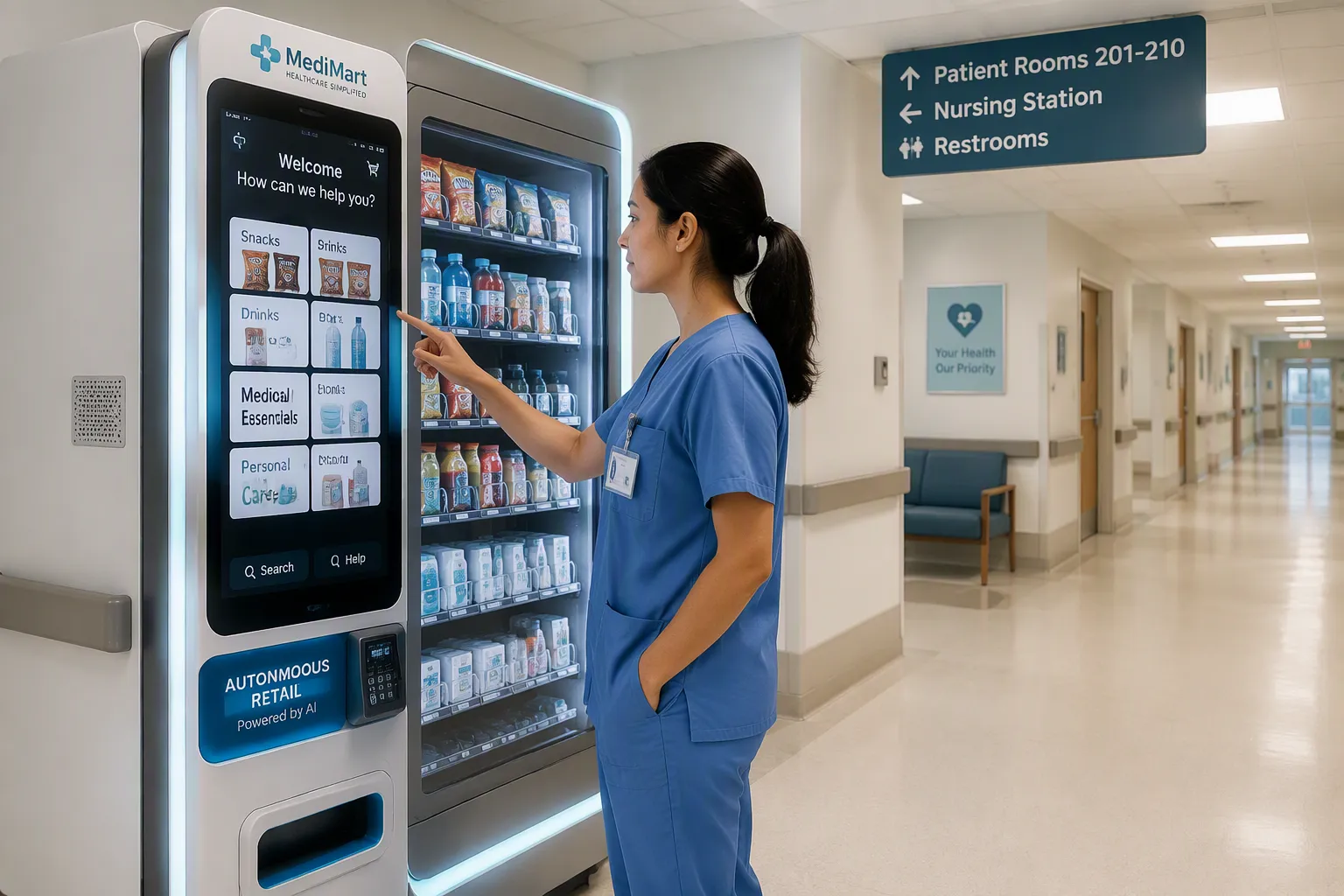
You face a distinct challenge when you choose an autonomous retail vendor for your hospital. General retail standards do not apply here. Your vendor must support clinical workflows, protect patient data, and run reliably at all hours. An autonomous coding solution handles checkout and inventory. That same autonomous coding solution must also meet strict healthcare rules. You need autonomous medical coding that fits your care environment. Pricing alone should not drive your choice. Look for a vendor with proven autonomous coding in hospitals and health systems. This guide gives you a clear framework. You will evaluate needs, technology, compliance, integration, pricing, and results. Each step helps you choose autonomous retail vendor options with confidence. Your patients and staff deserve nothing less.
Key Takeaways
Assess your facility's space and needs first. This ensures the vendor fits your environment.
Test the vendor's technology for accuracy and uptime. Reliable systems serve patients at all hours.
Verify compliance with HIPAA and infection control. Protect patient data and maintain trust.
Check EHR integration and staff training. Smooth workflows save time and reduce errors.
Compare total costs and request references. A pilot program reduces risk and proves value.
How to Choose an Autonomous Retail Vendor
Assess Facility Needs and Space
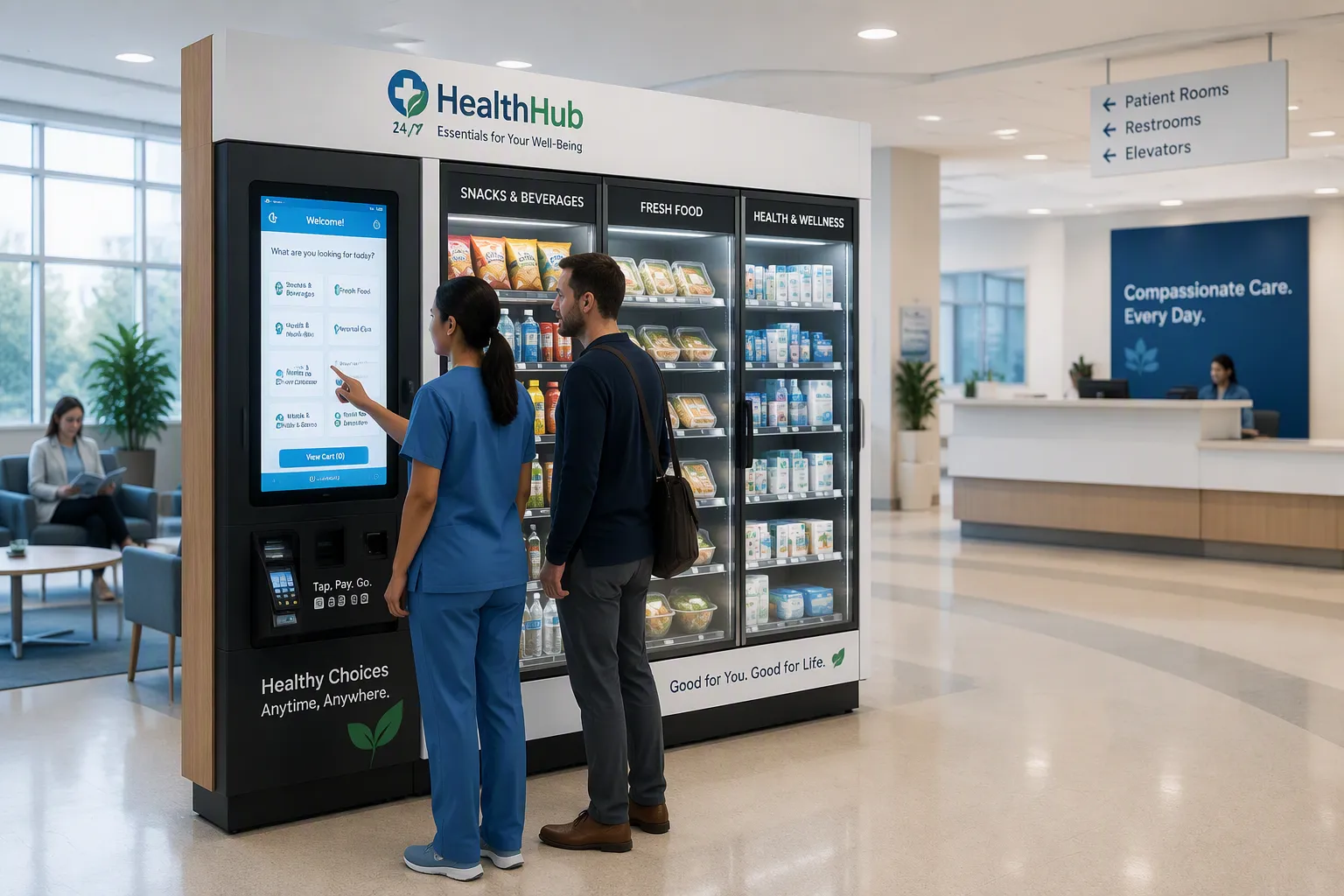
Your selection process must start with your facility's own requirements. A vendor's impressive pitch means nothing if the solution does not fit your physical environment. Walk through your building and identify potential locations. Consider the main lobby, the emergency department waiting area, and staff break rooms. These zones have different foot traffic patterns and space constraints.
Measure the available floor space carefully. Many autonomous retail systems require a specific footprint. You need enough room for the unit itself and for safe customer access. Account for wheelchair accessibility and emergency exit clearance. A unit that blocks a hallway or creates a bottleneck fails the first test.
Study your foot traffic data. Note the busiest times of day and the highest-traffic zones. Place units where they serve the most people without disrupting workflow. The emergency department needs different placement than a quiet administrative wing. Emergency areas demand quick access for tired families and stressed staff. Administrative areas may benefit from a location near break rooms or conference spaces.
Define Product Mix and Hours
Your product mix must serve the unique needs of your healthcare setting. A hospital is not a convenience store. Your inventory should include snacks, beverages, fresh food options, and personal care items. It must also include practical healthcare supplies. Consider stocking PPE items like masks and gloves. Medications such as pain relievers and antacids belong in your mix too. Many healthcare organizations now offer basic medical supplies through autonomous coding systems.
Your product selection requires deep thought about who uses the machine. Patients have different needs than visitors. Staff members have different needs than family members. Night shift workers want different options than day shift workers. Your autonomous coding solution enables you to track purchase patterns and adjust inventory accordingly.
Operating hours must align with your facility's real workflow. Shift changes create predictable surges in demand. Your autonomous retail vendor should support 24/7 operation. Late-night and early-morning hours matter most for clinical staff. Emergency department flow never stops. Your system must serve people whenever they need it.
Consider the role of autonomous coding in managing your inventory. This technology tracks every item removed from the unit. It updates stock levels in real time. It flags low inventory before items run out. It identifies theft or loss patterns. It generates reports that help you refine your product mix over time. The right coding system turns data into actionable insights.
Think about seasonal and event-based adjustments. Flu season drives demand for different products. Holiday periods change visitor patterns. Summer brings different staffing schedules. Your coding data reveals these shifts. You can then adjust your product mix and restocking schedules accordingly.
Match your product mix to your facility's clinical focus. A children's hospital needs kid-friendly snacks and family-oriented items. A cancer center needs comfort items and nutritional supplements. A large academic medical center needs variety across multiple locations. Each healthcare organization must define its own optimal mix.
Your autonomous retail vendor should offer flexibility in product categories and shelf configurations. Modular shelving allows you to adapt over time. Temperature-controlled compartments expand your fresh food options. The system should accommodate different package sizes and product types.
Finally, involve stakeholders from multiple departments in these decisions. Clinical staff know what patients and families want. Facilities managers understand space constraints. IT staff evaluate technology integration. Procurement teams assess cost and contract terms. Together, these voices create a complete picture of your needs.
Evaluate Technology and Autonomous Coding
Test AI Accuracy and Inventory
You must test the technology before you trust it. Ask the vendor for a live demonstration. Watch how their autonomous coding solution identifies products at checkout. A strong autonomous coding solution recognizes items in under a second. It handles similar packaging without errors. Poor coding accuracy creates friction for your staff and patients.
Request accuracy data from real hospital deployments. The vendor should share results from other healthcare sites. Ask about their autonomous medical coding performance across different product types. Their autonomous medical coding must handle everything from a granola bar to a box of gloves. Test the system with your own product mix during a trial.
Inventory tracking deserves equal scrutiny. The autonomous coding solution should update stock counts with every transaction. It must flag low inventory automatically. It should detect shrinkage patterns and alert your team. These features depend on solid coding automation. Weak coding automation leads to empty shelves and lost revenue.
Confirm Uptime and Vendor Stability
Uptime determines whether your autonomous coding solution serves patients at 3 a.m. Ask the vendor for their uptime guarantee. Request maintenance schedules and response times. A reliable autonomous coding solution needs minimal downtime. Their autonomous coding must run through power fluctuations and network issues.
Scalability matters for growing healthcare systems. You may start with one unit and expand to ten. The autonomous coding solutions must support multiple locations from one dashboard. Ask how their autonomous coding solutions handle added units and new product lines.
Vendor stability protects your long-term investment. Check the vendor's financial health before you sign. Ask about their funding, revenue, and customer retention. A stable partner provides ongoing updates and support. Their coding workflows will evolve with new coding guidelines, regulations, and technology. Request a product roadmap. Confirm they invest in medical coding automation solutions and medical coding automation research. Strong autonomous coding vendors also train your staff and respond to issues quickly. Weak autonomous coding vendors disappear after the sale. Choose a partner who will support your coding workflows for years.
Assess Compliance, Security, and EHR Integration
Verify HIPAA and Infection Control
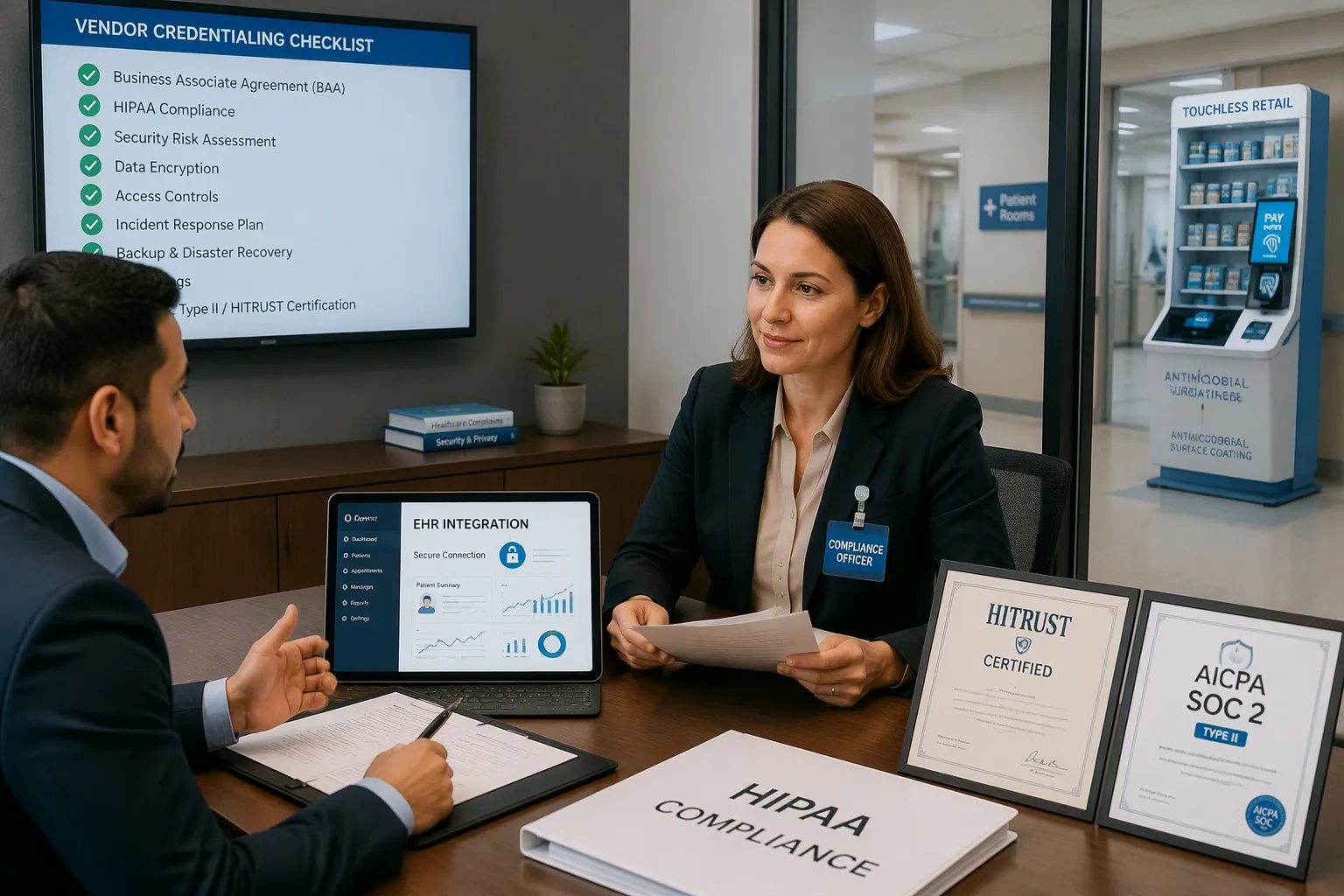
Compliance is not optional in a healthcare setting. Your autonomous retail vendor must meet HIPAA standards for any system that touches patient data. Ask for their HIPAA compliance documentation. Request their business associate agreement. A vendor who hesitates on HIPAA raises a red flag. HIPAA violations can cost your facility millions. They also damage patient trust.
Infection control matters just as much. Your units sit in patient care areas. They must withstand frequent cleaning. Ask about surface materials and cleaning protocols. Confirm the vendor uses antimicrobial coatings where appropriate. Touchless checkout reduces contact points. This design supports your infection control goals.
Data privacy extends beyond HIPAA. Your vendor should encrypt all transaction data. They must limit data access to authorized staff. Ask how they store and transmit patient information. Their security posture should match your own. A weak security framework exposes your entire healthcare network.
Compliance & certification goes beyond a single document. Look for HITRUST certification or SOC 2 reports. These independent audits prove a vendor meets strict standards. Ask for their certification dates and renewal schedules. Expired certifications signal neglect.
Vendor credentialing protects your facility before anyone steps on site. A formal credentialing process verifies insurance, background checks, and compliance training. It confirms the vendor meets your security, operational, and compliance standards. Reputable vendors expect this process. They welcome the scrutiny.
Check Electronic Health Record (EHR) Systems Integration
EHR integration determines how well your autonomous retail system fits your workflow. Your electronic health record (EHR) systems hold critical patient data. Your autonomous coding solution may need to exchange information with those systems. Ask the vendor about their integration capabilities. They should support standard healthcare interoperability formats like HL7 and FHIR.
Consider a practical example. A patient buys a pain reliever from your unit. Your electronic health record could flag a medication interaction. This integration requires a secure data bridge. Your existing electronic health record (EHR) systems must communicate with the retail platform. Ask the vendor how they handle this data exchange.
Your EHR system may also support billing and inventory reconciliation. Some vendors offer direct integration with major platforms. Others require middleware. Ask which approach they use. Confirm their roadmap includes updates for changing coding guidelines, regulations, and healthcare interoperability standards.
Staff training determines your rollout success. Ask about training materials and ongoing support. Your clinical and administrative teams need clear instructions. Customization options matter too. Your facility may need specific product categories or reporting formats. A flexible vendor adapts to your needs.
Test the integration before you commit. Request a sandbox environment. Run test transactions. Confirm data flows correctly between the autonomous coding platform and your electronic health record. A failed integration creates manual work for your staff. That defeats the purpose of automation.
Review Cost, ROI, and Vendor References
Compare Pricing and Total Cost of Ownership
You must look beyond the initial pricing. The upfront investment covers hardware, installation, and configuration. Ongoing fees include software subscriptions, maintenance, and support. Your total cost of ownership combines all these elements over three to five years.
Request a breakdown of every pricing component. Ask about annual fee increases. Confirm how volume growth affects costs. A transparent pricing model & cost predictability helps your budget planning. Without clarity, unexpected costs erode your return.
Your pricing evaluation must include autonomous coding. Strong autonomous coding reduces shrinkage and optimizes inventory. It eliminates manual checkout labor. It ensures accurate records. The vendor's pricing structure must align with your expected volume.
Ask how their coding technology affects operational costs. Faster checkout saves staff time. Reliable coding reduces service calls and downtime. Each improvement contributes to better overall pricing.
Compare pricing across vendors using a standard framework. Create a spreadsheet with all cost categories. The cheapest upfront pricing rarely delivers the best value. Higher-quality coding automation pays for itself through reduced losses.
Review the vendor's pricing history. Ask about past increases and future projections. A vendor who raises prices aggressively creates budget problems. Their pricing model should protect both parties.
Request Case Studies and Pilot Programs
You reduce risk by seeing proven results. Ask for case studies from healthcare settings similar to yours. Look for data on coding accuracy rates and user satisfaction. A vendor with healthcare experience understands your constraints.
Check references from current healthcare customers. Ask about coding system reliability during peak hours. How responsive is the support team? What issues emerged during implementation? Honest answers reveal true performance.
Request a pilot program before full rollout. A pilot tests the autonomous coding technology in your actual environment. Run it for 30 to 60 days. Measure transaction accuracy and inventory performance. Compare results to the vendor's claims about their coding efficiency.
Your pilot also tests the support & implementation timeline. How fast did they install the unit? How well did they train staff? These factors determine success at scale in a healthcare environment.
This decision creates a long-term partnership for your healthcare facility. Your autonomous coding system will serve patients for years. Take time to evaluate pricing, review references, and run a pilot. Your thoroughness protects your investment.
You start with facility needs. You evaluate technology and autonomous coding. You verify compliance and EHR integration. You review cost and vendor references. Healthcare organizations that follow this framework choose autonomous retail vendor options with confidence.
A pilot program reduces risk. It tests autonomous coding reliability. Vendor credentialing builds trust. Healthcare organizations protect from coding mistakes. Healthcare organizations involve clinical, IT, and procurement stakeholders. Healthcare organizations check coding across shifts. Strong coding requires autonomous coding accuracy. Reliable coding needs robust automation. Smart coding protects patient data. Effective coding improves satisfaction. This autonomous coding benefits healthcare environment.
Healthcare organizations and health systems deserve reliable healthcare solutions.
FAQ
How long should you run a pilot program?
Run your pilot for 30 to 60 days. This period lets you measure autonomous coding accuracy across real transactions. You can test inventory tracking during peak hours. You also evaluate vendor support response times. A longer pilot reveals patterns that a short trial misses.
What compliance documents should you request?
Ask for HIPAA compliance documentation and a business associate agreement. Request HITRUST certification or SOC 2 reports. Verify current certification dates. You should also confirm infection control protocols. These documents protect your facility from liability. They also build trust before you sign a contract.
How do you measure coding accuracy during evaluation?
Compare the vendor's claimed accuracy rate against your pilot results. Track every transaction error. Note which products cause misidentification. Test similar packaging and varied lighting conditions. Your coding data reveals true performance. Do not rely on vendor demonstrations alone.
What uptime guarantee should you expect?
Ask for a written uptime commitment. Request maintenance schedules and response times. Your system must serve staff during night shifts and emergencies. A vendor who cannot guarantee reliable operation fails your core requirement. Confirm their support team availability around the clock.
See Also
Smart Combo Vending Machines: Key Features And Benefits For Today's Retailers
Grocery Vending Machines Are Transforming How Shoppers Access Retail Products
Creative Vending Machine Placements: Moving Past Conventional Locations And Spaces
A Look At Walgreens Self-Checkout: Retail Convenience And Its Challenges
Micromarkets Versus Smart Stores: How Automated Convenience Retail Operates Globally
