Edge AI Architecture Trends Shaping Retail's Next Decade


Picture a regular customer coming to your store during a busy holiday. She wants an item she saw online. Your system says it is in stock. But the item is not on the shelf. She leaves unhappy. This happens because your cloud system is too slow to process current stock data. This delay makes you lose a sale.
Edge AI changes this situation. It processes data right where you collect it, inside your store. This speed lets you update shelves instantly and give personal offers without any delay.
What trends in edge ai architecture will define smart retail success in the next decade? The answer is not just better software. You need a big change in where and how computing takes place.
This is an urgent chance. The choices you make now about your system will set your business apart from slower rivals.
Key Takeaways
Edge AI works right in the store to handle data quickly, giving faster answers and a better shopping experience.
Hybrid edge-cloud systems balance quick responses with deep analysis to run things smoothly.
Special AI chips use less power, helping stores save energy and operate more sustainably.
To build a successful edge AI strategy, start with a specific business problem.
Edge AI keeps customer data on-site, which boosts privacy and helps follow rules.
Why Retail Needs Edge Computing Now
The Limits of Cloud-Only Operations
Cloud-only systems send each video frame, sensor reading, and transaction to a faraway data center. That trip takes time. In a store, you cannot wait that long. A shelf camera sees an empty spot and sends the picture to the cloud. The cloud processes it and sends back a restock alert. By then, several seconds pass. The item is still missing. The customer walks away.
Bandwidth is another problem. One store creates huge data streams from cameras and IoT sensors. It costs money to send all that info to the cloud. Your network pipes get full fast. Privacy is a third concern. Video feeds include faces and behaviors. Moving that data off-site raises the risk of data leaks and legal checks. You lose control of sensitive info the moment it leaves your building.
Drivers for On-Site Intelligence
Retail edge computing fixes these problems by putting processing power inside your store. You analyze data right where you collect it. This method gives you real-time insights without network delays. You see a stockout the instant it happens. You change prices quickly during busy hours. You personalize offers while the customer still stands in the aisle.
Operational efficiency improves a lot. Think about a smart city traffic project that used edge-enabled data centers. The system cut WAN bandwidth from 400.1 Mbps to 5 Mbps. That is a 98% drop in data traffic. Network bills went down by over 90%. Your retail store can get similar savings. Edge computing filters out noise at the source. Only important data travels to the cloud for deeper analysis.
Data privacy becomes stronger on its own. You handle sensitive customer info locally. Faces, payment details, and shopping patterns never leave your network. This approach helps you follow rules like GDPR. You reduce the movement of personal data to outside servers.
The trends clearly point toward distributed intelligence. Edge ai handles time-sensitive decisions. The cloud manages heavy model training and long-term storage. This split of work creates a strong system. Your store works even when internet goes down. You build a base that grows with your business. Computing becomes a helpful tool, not a bottleneck. The question is no longer if you adopt edge computing. The question is how fast you put it to use.
Edge AI for Real-Time Retail Operations
Smart Checkout and Frictionless Experiences
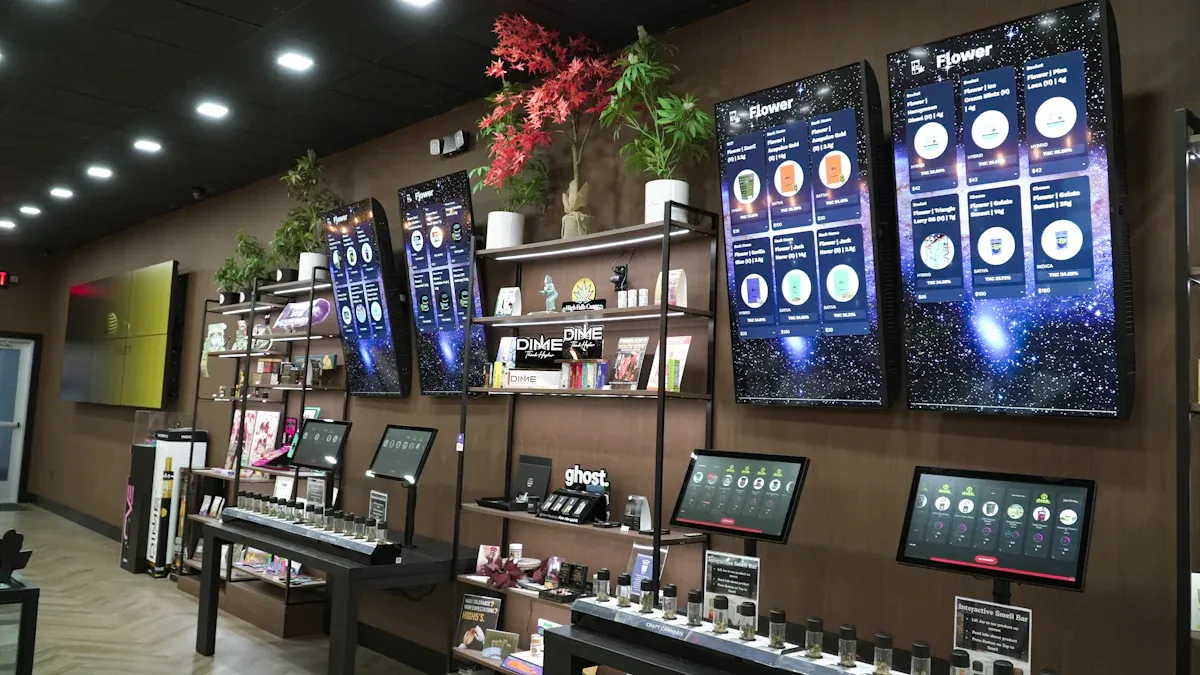
You enter a store, pick up items, and leave. No lines. No scanning. No waiting. Edge AI makes this happen with computer vision systems that monitor shelves and carts live. Cameras spot each product you take. As you exit, the system bills your account automatically. This removes the checkout slowdown completely.
The technology works very well in real use. The BakeryScan system, a smart checkout tool using computer vision on edge AI, correctly identifies baked goods 98% of the time. That accuracy matters when you handle thousands of sales each day. One wrong item causes upset customers and stock record errors. Edge computing handles each image on-site, so recognition takes milliseconds, not seconds.
This method also changes how you connect with customers. When the system knows what you picked, it can suggest extra items before you leave. You get a message about a sauce that goes well with the pasta in your cart. The offer appears right away because the analysis happens in the store. No cloud delay slows down the suggestion.
Predictive Restocking and Autonomous Decision-Making
Empty shelves cost you sales and hurt customer loyalty. Edge AI stops these losses with predictive restocking. Shelf sensors spot empty spaces right away. Local programs study buying patterns, time of day, and seasonal changes. The system predicts when you will run out of a hot item before it happens. It sends a restock alert on its own.
Real-time data moves through your store's edge network all the time. Cameras follow how customers move. Sensors check product weight and position. This data helps you improve customer flow, so you place displays and staff where they are needed most. You see a crowd gathering near electronics. The system suggests opening another register before the line gets long.
Independent choices go beyond restocking. Edge computing changes prices during busy times. It moves staff to crowded areas quickly. Inventory control becomes active, not reactive. You keep the right stock levels without ordering too much or too little.
The analytics behind these choices stay in the store. Only summary data goes to your main cloud for future planning. This setup keeps your store quick while still giving a full company view. Your store works smartly, even if the internet fails. The system makes good choices alone, keeping things running no matter the connection.
Converging Edge AI with Smart Hardware
The Rise of Autonomous Robots and IoT
When you add edge AI to physical hardware, your store floor gets smarter. Autonomous robots now move through aisles and scan shelves for stock levels. They find missing items and check price labels right away. Each robot has its own processing power. It runs computer vision models on the spot, not sending video to the cloud. This on‑device analysis lets the robot react right away when it finds a problem. The robot sends a restock alert to your staff within seconds of seeing an empty shelf. These machines use edge processing to make choices without waiting for a remote server.
IoT devices bring this smartness to every part of your store. Temperature sensors keep frozen items at the right temperature. Humidity monitors protect delicate goods like fruits and vegetables. Smart shelves weigh products and note when customers pick them up. Motion sensors track how people move through the store. All these devices work as a team to create smart store spaces. They give a live view of your store's health. You see problems before they get worse. If a cooler warms up, you get a warning before food goes bad. This network of sensors and robots makes your store an active system that reacts to changes by itself.
The real value is in linking these devices with AI models. An AI model trained on shelf images finds misplaced products faster than humans. The robot scans each aisle and compares what it sees to the store layout plan. It marks differences right away. You fix problems before customers see them. Distributed computing handles these tasks without overloading your main servers. The system learns from each scan and gets more accurate over time.
The Critical Role of 5G Connectivity
These spread‑out systems need fast connections to communicate. A robot scanning aisle three must share data with the restocking system in the back. Shelf sensors must send updates to the inventory screen. 5G gives the speed and capacity these tasks need. Its low delay means commands travel in milliseconds. A robot gets a navigation update almost instantly. Shelf sensor alerts reach the staff tablet without waiting.
5G bandwidth handles the heavy data from cameras and sensors all over the store. A single store can have hundreds of devices sending video, weight, and motion data. Older wireless networks quickly hit their limit. 5G handles this traffic without getting jammed. It keeps your store running smoothly during busy times.
This connection allows 5G‑powered new experiences. You create new services that were not possible before. A customer uses augmented reality to see product info on their phone. The network sends rich content without pausing. You send personal video offers to shoppers in certain aisles. These real‑time interactions need reliable connections all around the store.
Your edge computing systems rely on fast networks as their communication backbone. Edge AI runs on‑site for speed. But robots, sensors, and dashboards still need to work together. You build a store that works as one smart system, not separate tools. Your edge computing design must include both hardware and network planning. Pick robots that can process data on board. Choose IoT sensors that filter data before sending it to the cloud. Local computing at the edge cuts bandwidth costs a lot. The network connects these parts into a single system that can handle busy holiday traffic without slowing down.
Hybrid Edge-Cloud Architectures for Resilience
Balancing Speed and Scale in a Hybrid Model
You do not have to pick between edge and cloud. Instead, you split the tasks between them. This hybrid model gives real-time jobs to your store's edge computing systems. Those systems handle checkout, shelf checks, and customer movement analysis right away. The cloud takes on heavy analytics and model training. It looks at months of sales data, improves your demand forecasts, and updates the AI models that your edge devices use.
Think of this split as a team effort. Your edge systems act fast but only see a small picture. They see one store, one moment, one customer. The cloud sees everything. It finds patterns across all your locations. It learns which products sell together in different areas. Then it sends those insights back to your stores as updated models. Your edge computing devices get smarter without losing their speed.
This balance also keeps costs down. You send only summary data to the cloud, not raw video feeds. Your bandwidth bills stay low. Your cloud processing load stays manageable. You get the best of both worlds: quick local choices and deep global learning.
Ensuring Business Continuity with Intelligent Failover
A store cannot stop working when the internet goes down. Your edge systems keep running on their own. They continue handling transactions, tracking inventory, and watching security. The cloud connection can drop for minutes or hours. Your store barely notices.
This strength protects your revenue. Think about the cost of downtime. Major retailers lose between $1 million and $5 million per hour during peak periods. Small businesses lose about $25,620 per hour on average. The retail industry average sits at $1.1 million per hour. Even a single point-of-sale device failure costs $855 per hour per store. These numbers show why you cannot rely on a distant server for critical operations.
The retail industry average cost of downtime is $1.1 million per hour.
Intelligent failover makes this protection automatic. Your edge systems notice the lost connection. They switch to local processing mode without any manual action. Staff keep serving customers. Shelves keep getting restocked. When the cloud returns, your edge systems sync the data they collected. This design turns a network outage from a crisis into a minor event.
Your hybrid architecture becomes your safety net. Edge computing handles the urgent work. The cloud handles the big picture. Together, they keep your store running through any disruption.
Security and Governance in Edge AI Design
Securing the Distributed Attack Surface
Your store now runs many smart devices. Each camera, sensor, and robot works on its own. This setup gives attackers more ways in. One weak device can put your whole network at risk. You must protect every piece of hardware, not just one main server.
Begin with device checks. Each edge device needs its own ID. It must show proof before it can join your network. Use encryption for all data sent between devices. Update firmware often to fix known issues. Split your network so a problem in one part does not reach the rest.
Physical safety matters as well. A shelf sensor sits out in the open. Someone could mess with it. Put devices in tough cases that resist tampering. Watch for odd behavior. If a device sends strange data, cut it off right away. Your security team must see what happens at every site.
Navigating Data Governance and Compliance
Privacy laws like GDPR set strict rules on customer data. You cannot move personal info freely. Edge computing helps you follow these rules naturally. You handle sensitive data inside your store. Faces, payment details, and shopping habits stay local. They never go to outside servers.
This local work lowers your compliance load. You send less personal data across borders. You keep fewer records of customer actions in central databases. When a customer asks you to erase their data, you can do it fast. The info exists in fewer places.
Your rules must fit this spread-out design. Write down where each type of data lives. Set clear limits on how long you keep it. Teach staff the right ways to handle it. Your edge setup should include logs that record every data use.
The cloud still has a job in your system. It gets only anonymous summaries for trend study. You remove personal details before sending anything out. This split keeps your analysis strong while protecting private info. Your customers trust you more when they know their data stays near home.
Sustainable and Cost-Efficient Edge AI
The Role of Purpose-Built AI Chips
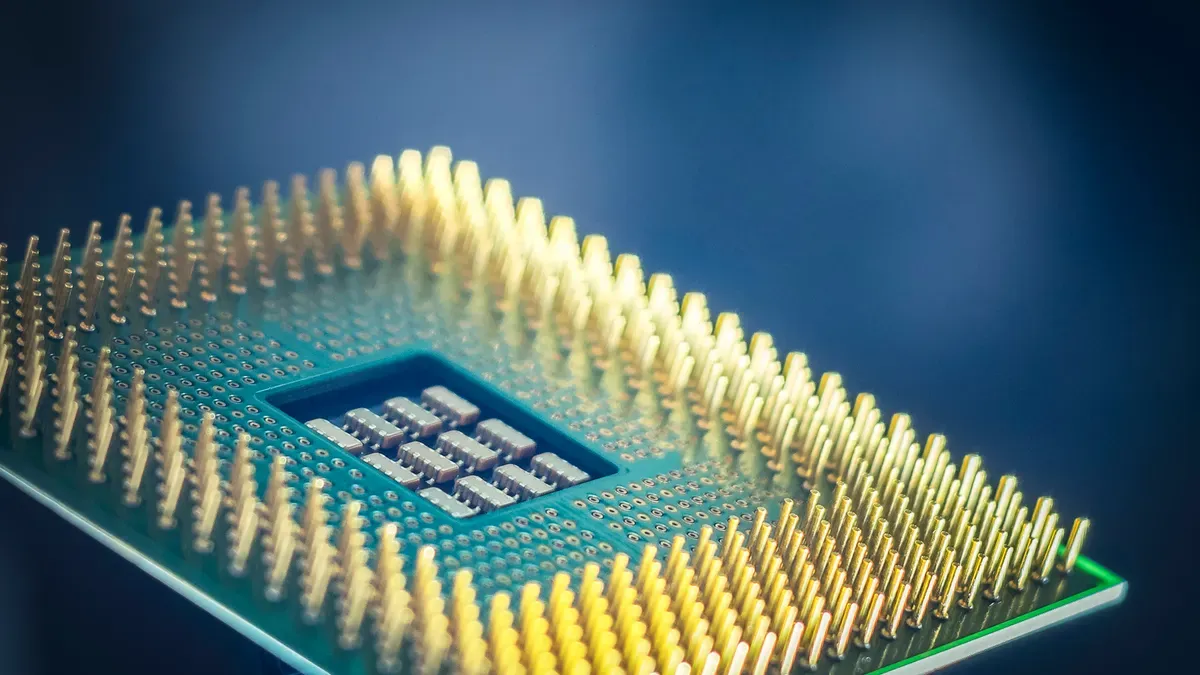
Your store's computing choices affect both your budget and the planet. Traditional cloud data centers consume massive amounts of electricity. Every video frame you send there for processing adds to that load. Purpose-built AI chips change this equation completely. These specialized processors handle specific tasks like image recognition or sensor analysis with far less power than general-purpose hardware.
Because they are designed for a narrow workload, ASICs achieve unmatched efficiency and performance, sometimes hundreds of times more energy-efficient than GPUs.
You see this difference when you compare processor types. Graphics processing units (GPUs) deliver raw power but consume energy heavily. Neural processing units (NPUs) reach similar performance levels with much greater efficiency. This makes them a natural fit for your store's edge devices. Application-specific integrated circuits (ASICs) go even further. They perform one job exceptionally well while sipping power.
The market reflects this shift toward specialized hardware. The growth of the AI chips market for edge devices signals a major move away from general-purpose computing toward efficient, purpose-built solutions. When you deploy these chips in your cameras, sensors, and robots, you cut operational costs immediately. Your electricity bills drop. Your cooling needs decrease. Your hardware lasts longer because it runs cooler.
Minimizing the Carbon Footprint of Operations
Your retail operations produce a carbon footprint through every transaction. Cloud processing amplifies that impact. Each data transfer consumes network energy. Each cloud computation draws power from distant data centers. Edge computing reduces this burden by processing data where you collect it. You eliminate the energy cost of moving data across networks.
Think about the math. A single store generates terabytes of video data daily. Sending all that information to the cloud requires constant network activity. Processing it there demands server capacity that runs around the clock. When you shift that work to local edge devices, you use only the energy needed for immediate analysis. Your store's computing becomes leaner and greener.
This efficiency creates a competitive advantage. Customers increasingly choose brands that demonstrate environmental responsibility. Your edge AI architecture lets you measure and reduce your carbon footprint with precision. You track exactly how much energy each device consumes. You identify wasteful processes and fix them quickly. Your sustainability reports show real progress, not just promises.
The financial benefits compound over time. Lower energy consumption means lower operating costs. Reduced cloud dependency means smaller bandwidth bills. Purpose-built chips mean fewer hardware replacements. Together, these savings fund further innovation in your stores. You build a system that serves your customers, your budget, and your environmental goals simultaneously.
Building a Strategic Edge AI Architecture
Starting with a Clear Business Problem
You face a tempting array of new technologies. Cameras, sensors, robots, and smart shelves all promise to transform your store. The excitement of these tools can push you toward buying them first and finding uses later. That approach wastes money and time. You need a different starting point.
Begin with a specific problem that hurts your business today. Look for pain points that cost you real revenue. Out-of-stock items rank among the most common issues. When a customer cannot find a product, you lose that sale immediately. You also risk losing their future visits. Inventory shrinkage from theft or misplaced goods creates another measurable loss. Long checkout lines during peak hours drive customers away. Each of these problems has clear financial impact.
Choose one problem that matters most to your operation. Measure its current cost. Track how often it happens and what you lose each time. This baseline gives you a target for improvement. You cannot prove the value of your edge ai architecture without this starting point.
Your chosen problem should also match the strengths of edge computing. Real-time tasks work best at the edge. Shelf monitoring, theft detection, and queue management all need instant responses. These tasks fail when you rely on distant servers. Edge computing processes data on-site, so you get answers in milliseconds. This speed directly solves time-sensitive problems.
Consider a concrete example. You notice that your store loses sales because popular items run out during weekend rushes. Your current system updates inventory with a significant delay. That delay means you discover empty shelves too late. An edge ai system watches shelf weight sensors continuously. It detects a low stock level the moment it happens. The system sends a restock alert to your staff immediately. You prevent the stockout before it costs you a sale.
Cultivating Organizational Readiness and Partnerships
Technology alone cannot solve your problems. Your people must work together to make edge ai architecture succeed. Many retailers fail because they treat this as an IT project. They leave operations and merchandising teams out of the planning process. That mistake creates systems that do not fit real store workflows.
Build a cross-functional team from the start. Include your IT staff who understand networks and security. Bring in operations managers who know how stores run daily. Add merchandising experts who understand product placement and inventory. Each group brings a different perspective. Together, they catch problems that any single team would miss.
Your IT team focuses on technical requirements. They evaluate hardware options and network capacity. Operations staff identify practical constraints. They know which processes can change and which must stay the same. Merchandising experts contribute their understanding of customer behavior. They know which products need the closest monitoring.
This collaboration extends beyond your internal teams. You need strong technology partners who understand retail operations. Look for vendors with proven experience in your industry. Ask them for case studies and references. A good partner helps you design a system that fits your specific needs. They do not push generic solutions that ignore your unique challenges.
Your partners should also help you scale. A pilot project in one store proves your concept. You then need to expand across your entire chain. This expansion requires careful planning. Your partner should provide training for your staff. They should offer support as you encounter unexpected issues. They should help you measure results against your baseline.
The path forward requires patience and discipline. You start with one clear problem. You build a team that spans your organization. You choose partners who share your vision. These steps create the foundation for lasting success. Your edge computing investment then delivers measurable returns. Your stores run smarter. Your customers notice the difference. Your business grows stronger with each improvement.
These five trends lead to one goal: stores that know what shoppers need, fix problems early, and serve without hassle. Your edge ai choices today decide your speed for the next ten years. This choice goes beyond IT. It shapes operations, stock, sustainability, and every customer contact.
Now you must take action. Move past small trial projects. Build a strong base that grows, stays safe, and lasts. Stores using these trends will lead. Those who wait will struggle to catch up. Your stores can become smarter, faster, more reliable. Start building that future today.
FAQ
Do store systems need a constant internet connection?
No. Your systems handle data inside your store. They keep working when the internet goes down. They send saved data to the cloud after the connection comes back.
How does local processing protect customer privacy?
Your cameras and sensors study data right in your store. Faces, payment info, and buying habits stay on your network. This helps follow GDPR rules by moving less data.
Can small retailers use this technology?
Yes. You begin with one clear problem, like fixing empty shelves. Special AI chips cut hardware costs. You grow your system as you need more.
What is the difference between local and cloud processing?
Your edge system does real-time tasks like checking shelves in your store. The cloud does big analysis and model training across all stores. Both work together in a mixed model.
How does this architecture reduce operational costs?
You clean data at the source and send only key info to the cloud. This lowers bandwidth bills a lot. Special chips also use less power than normal processors.
See Also
The Future of Retail Belongs to AI-Enabled Shops
Essential Insights for Retailers on AI-Driven Convenience Stores
Revolutionizing Online Store Management with AI E-Commerce Solutions
Smart Tech in Electronics Vending Machines Is Changing Retail Forever
