Customer Experience and Operational Efficiency in Cashierless Retail

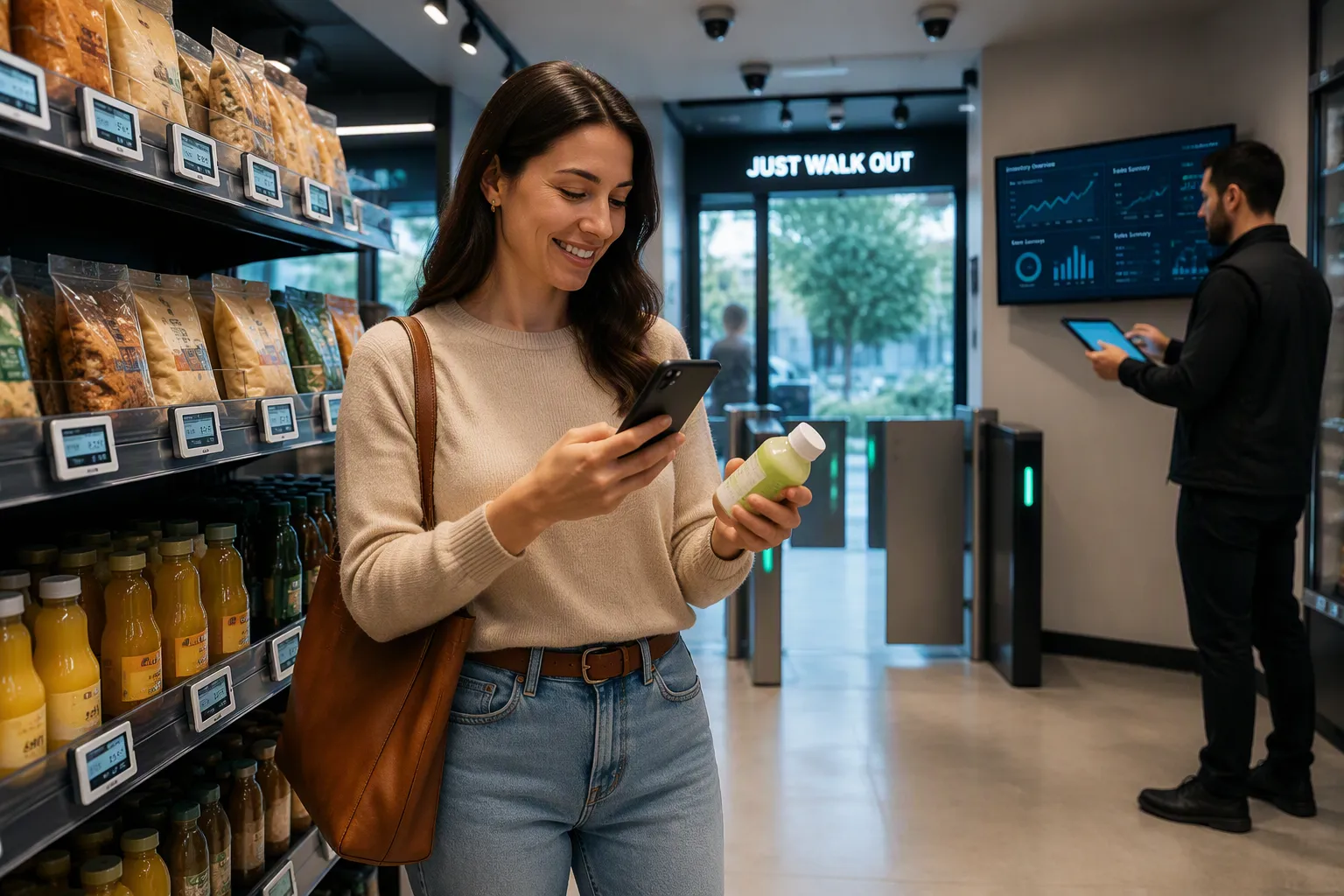
Cashierless retail changes two things at once: how customers shop and how stores run. Shoppers walk in, take what they need, and leave without waiting in a checkout line. Store teams, meanwhile, rethink staffing, layout, and data collection around the same technology.
This shift raises a direct question: what does checkout-free technology really give shoppers and retailers? The retail industry now watches unmanned stores move from test programs into daily use, and the answers differ by store format. When people talk about the future of cashierless retail – scenario 12, they are really asking how these trade-offs play out in everyday operations.
Cashierless stores promise speed and convenience on one side, and cost and insight advantages on the other. Unmanned stores also bring real trade-offs. This post weighs those benefits against the challenges and offers practical guidance for teams judging the model, with the future of cashierless retail – scenario 12 as a useful frame for deciding what to test next.
Key Takeaways
Cashierless stores let shoppers take items and go without waiting in line.
Stores get helpful data and can move workers to jobs where they serve customers better.
Privacy worries and high setup costs are big challenges.
Begin with a small test store to try out the technology and fix any problems.
The best results come from balancing quick service with people watching over it.
How Cashierless Stores Work
Technologies Behind Checkout-Free Shopping
Cashierless stores depend on a few tools that work as a team. Cameras, weight sensors, machine learning, and AI-powered systems make up the core of most setups. Machine vision uses cameras and image-recognition software to spot the products a shopper picks up. Smart shelf sensors and smart carts track items in real time. RFID tags let readers detect a whole basket of goods at once, without scanning each barcode.
Sensor fusion connects these inputs together. The system blends data from many cameras and sensors to build a picture of what each shopper takes, returns, or carries. That data feeds a virtual cart tied to the customer's account. On exit, the system adds up the cart and charges the linked card or mobile wallet. No cashier touches the transaction.
Vendors take different paths to the same result. Zippin uses overhead cameras and smart shelf sensors, with no facial recognition. MishiPay relies on app scanning and RFID kiosks. Grabango adds camera-based systems into existing stores, and Mashgin offers self-service computer-vision terminals that need no smartphone app.
Impact on Shoppers and Stores
The shopper side is simple: no line, no scanning, no receipt check. Checkout-free systems remove the checkout step entirely, so wait time drops toward zero and throughput rises. Stores can serve more customers per hour, limited mainly by floor space. Basket size often grows too. Sam's Club Scan & Go reported a 27% increase in average basket size, and smart carts showed a 12% lift in transaction value.
The store side is about data and labor. Every pick and return creates a record. Retail teams use that record to see which shelves draw attention and which products move together. Staff move from registers to stocking and service. These cashierless technologies now run in convenience stores, supermarkets, campus shops, and airports. Amazon Go, 7-Eleven, and Alibaba run cashierless stores in major cities. Carrefour runs one in Paris, and Sainsbury's is adopting Amazon's technology. The model has moved from pilots to commercial deployment.
Customer Experience Benefits of Cashierless Retail
Speed and Convenience
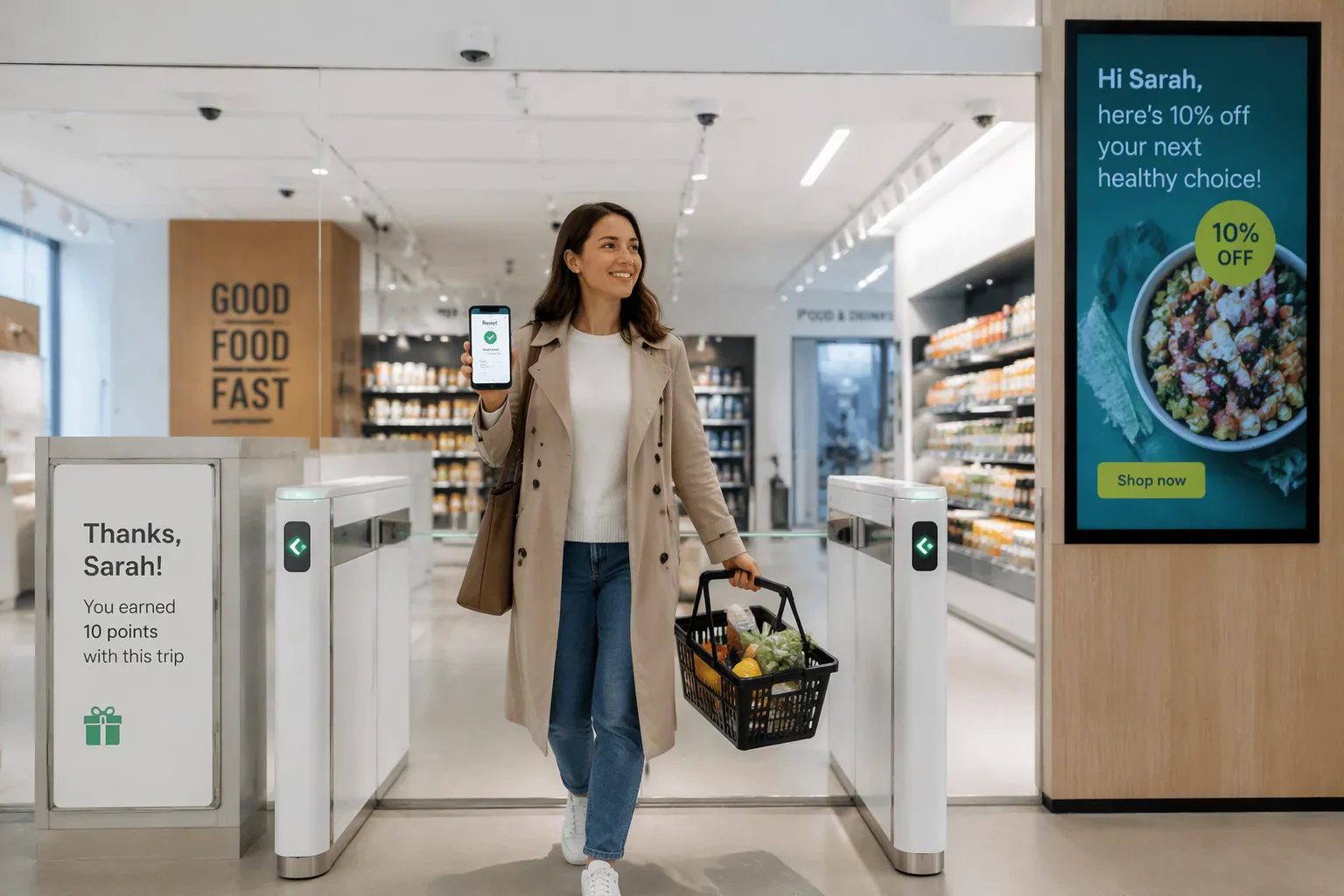
Time is the first thing shoppers notice. Unmanned stores let a customer pick items and walk out. The system charges them automatically and sends a receipt by SMS or email. The long line and the clunky checkout hassle simply disappear. Payment happens on exit, so customers spend no time waiting in line or manually completing a purchase. The process feels seamless and dramatically speeds up the buying trip. Checkout-free solutions reduce wait times and give customers a hassle-free experience available 24/7.
The gains show up in hard numbers. In NEC's in-house cashierless kiosk, employees finished a shopping trip in an average of only five seconds from entering the store to finishing. Shoppers do not stand in line, and they do not carry a wallet or bag. Biometrics let them enter, pick up what they want, and leave. That is a seamless and safe experience, and it explains why the benefits of cashierless stores draw so much attention.
Speed also changes how people use a store. A quick stop becomes genuinely quick. Unmanned stores fit lunch breaks, transit hubs, and late-night errands. The frictionless format rewards a shopper who knows what they want. Cashierless stores turn a chore into a few steps, and that convenience builds repeat visits.
Personalization and Engagement
Speed gets shoppers in the door. Personalization keeps them coming back. Unmanned stores generate a detailed record of every pick and return, and that record powers engagement. In-store digital screens today show generic ads and promotions. The same technology can evolve into a channel for highly personalized, at-shelf advertising. The retailer identifies an individual shopper profile and combines it with its retail media network's analytics and personalization engine. The result replicates an online-style personalized experience inside the physical store.
Smart carts lead this shift. These carts carry computer vision, sensors, and AI, and they offer a more convenient and more personalized trip. A shopper who signs into a cart linked to a member or loyalty program unlocks personalization in many forms. Real-time, personalized customer communications drive the return on that investment. In-cart features expand the engagement further: item tallying, personal grocery list integration, in-store item locators, and on-demand product information. These tools support individualized service, and they grow quickly as adoption rises.
The engagement story matters for retailers weighing automation. A cashier-less trip removes the small talk at the register, yet it can replace that contact with relevant offers and useful tools. Unmanned grocery stores can greet a regular with a reminder about a favorite item. Cashierless stores can surface a promotion at the exact shelf where it counts. Unmanned stores that pair speed with smart personalization deliver the strongest experience. The best unmanned stores treat data as a service to the shopper, not just a record for the operator. That balance defines the customer experience edge of the model.
Customer Experience Challenges
Privacy and Trust
Unmanned stores watch shoppers with cameras and sensors, and that raises fair worries about data. A shopper in unmanned stores sees lenses above every shelf and wonders who looks at the footage. One industry analysis states the issue plainly:
Finally, to what extent will consumers' privacy concerns limit the pace of adoption, given recent heightened attention?
Unmanned stores must answer with clear communication about how they collect, use, and protect data. Trust grows when unmanned stores explain their systems in simple words. Unmanned stores can adopt stricter privacy policies, offer opt-out choices for tracking, and fix errors quickly. Manual review settles disputed transactions, and edge computing processes data on site. Unmanned stores that treat the technology as a mere cost-cutting tool risk pushing shoppers away. Retail teams that deploy automation in unmanned stores must pair it with visible safeguards. Automation earns trust only when unmanned stores show shoppers what they track and why.
Adoption Barriers
Cashierless stores face several hurdles before shoppers embrace a cashier-less trip. Technical issues top the list. Wrong product identification, trouble handling multiple customers at once, and payment errors cause frustration and break trust. A single failed charge can send a shopper back to a staffed lane for good. Cost and scalability matter too. High upfront investment in hardware, software, and store redesign makes adoption too costly, especially for smaller retailers.
Consumer acceptance remains uneven. Some shoppers feel wary of the technology, worry about security, and miss human interaction. Others lack comfort with smartphones and apps. Regulatory and security demands add real weight for every operator. Unmanned stores must comply with data protection laws such as GDPR and resist cyber threats, hacking, and fraud. Unmanned grocery stores that address these barriers early build a smoother path to adoption. Cashierless stores and other unmanned stores win trust through fast fixes at checkout.
Operational Efficiency in Retail
Cost and Staffing Flexibility
Unmanned stores lower costs in clear ways. Registers, checkout lanes, and the space around them are gone. Staff no longer need training on POS terminals, price checks, or cash handling. This cuts setup costs and ongoing training costs. The unmanned store business models that work best treat staff as a flexible resource. Unmanned stores' business models also differ by format, and each one sets its own staffing mix.
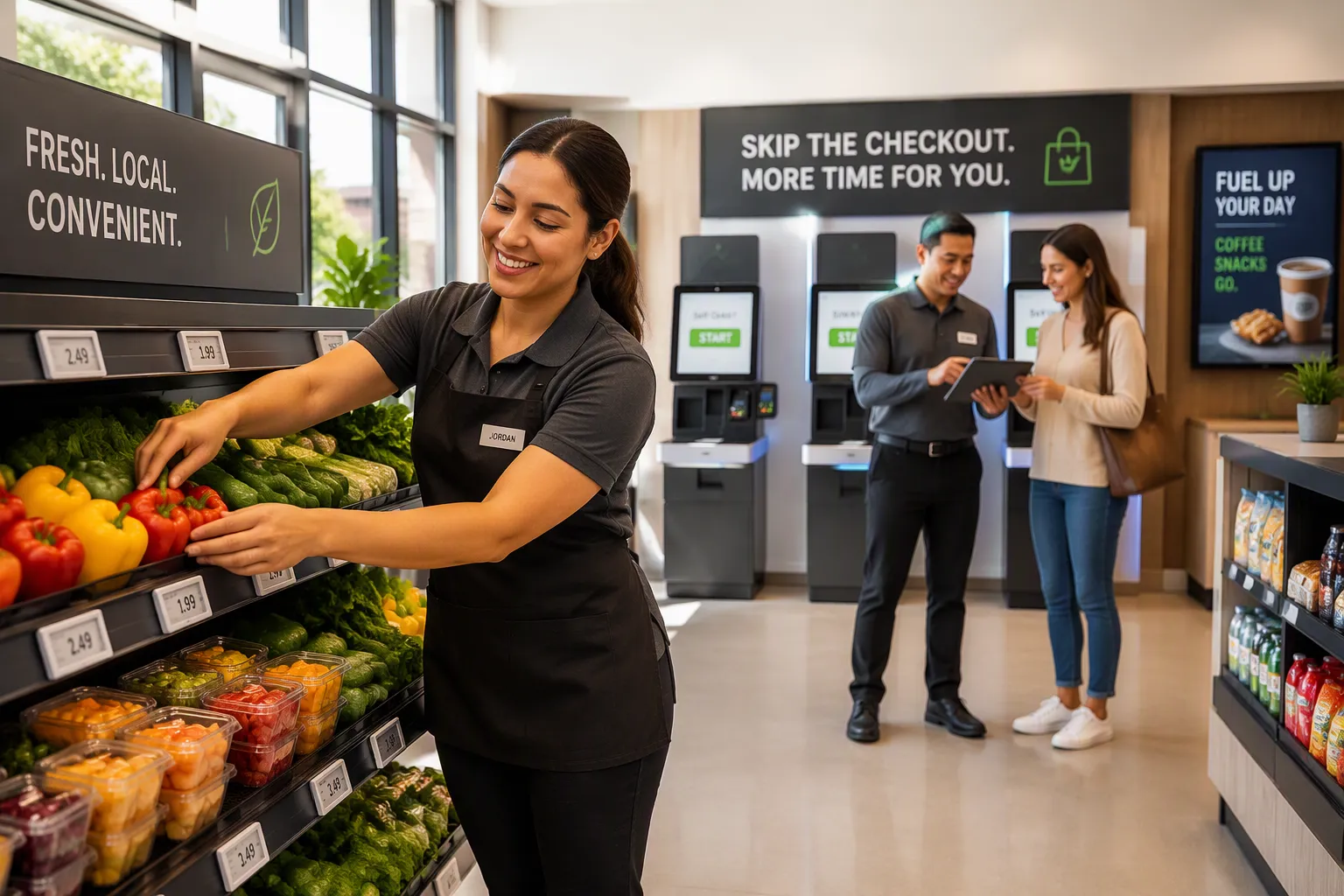
Amazon's cashierless store still needed 1,000 workers. That number shows the model changes roles rather than removing them. Employees at Amazon Go checked IDs, greeted customers, and made salads. Self-checkout systems free up staff time for restocking, receiving products, or helping customers. Retailers can place people where they add the most value. The move away from cashier jobs frees staff for service work. That cashierless model values service over transaction speed.
Scheduling tools give unmanned stores another option. Automated systems offer easy-to-use tools for shift swaps and time-off requests. Workers manage their own schedules, and that flexibility supports work-life balance. North American grocers report engagement gains of up to 15%. One regional manager said it this way:
"Giving employees control over their schedules builds loyalty and keeps them motivated."
Employers also handle busy periods through staffing agencies, trained part-time pools, and scheduling automation that lets extra workers pick up shifts in real time. Automated stores still need managers and customer-service representatives. Some formats may even raise pay for those roles. A cashier-less trip also cuts queue management work, so retail teams assign fewer people to the front end. Unmanned stores can move staff to service.
Data Insights and Store Layout
Every pick and return in unmanned stores creates a data point. AI checkout systems give real-time visibility into inventory. They also reduce human errors and shrinkage. Computer vision replaces manual cycle counts and provides a constant, accurate view of on-hand inventory. Sensor fusion tracks picked-up items to the exiting customer. That confirms the customer who picked an item is the one who leaves with it. Unmanned stores gain a live picture of stock at every shelf. Unmanned stores also catch shrinkage faster.
Improvement Mechanism | Stated Inventory Accuracy Benefit |
|---|---|
Computer vision replaces manual cycle counts | Provides a constant, accurate view of on-hand inventory |
Sensor fusion tracks picked-up items to the exiting customer | Confirms the customer who picked an item is the one who leaves with it, improving AI inventory analytics and accuracy |
Layout decisions follow the same data. Removing traditional registers frees physical space. Unmanned stores repurpose that space for displaying stock or digital advertising. As AI and analytics mature, self-service systems suggest and order optimal stock levels for peak or seasonal demand. Cashierless stores that act on these signals hold leaner inventory and lose less to stockouts. Unmanned stores that share these signals across locations plan stock more accurately.
The efficiency case for cashierless retail rests on both sides of the ledger. Lower overhead and flexible staffing help the cost line. Real-time data helps the layout and inventory line. Unmanned grocery stores that connect the two see the strongest results. AI-powered checkout systems, such as Amazon Go's technology, cut wait times while improving customer satisfaction and inventory accuracy. That combination explains why automation tools keep spreading across retail formats. Unmanned stores that pair both gains build the strongest case, and cashierless stores that ignore one side of the ledger rarely last.
Operational Challenges
Investment and Maintenance
Money is the first problem. Setting up a whole store costs a lot. AI-grade 3D depth cameras cost $200–$500 each, plus installation and PoE cabling. Smart shelf weight sensors add $50–$150 per shelf unit, and RFID tags cost $0.10–$0.50 per item. Full implementation reaches $300,000–$400,000, and yearly maintenance can hit $45,000. Unmanned stores also pay $5,000–$15,000 each month for cloud storage, software licensing, and fraud monitoring. Most operators expect to recover their costs in 12–24 months.
Cost Category | Estimated Range |
|---|---|
Initial setup (per store) | $150,000 – $500,000+ |
Ongoing operational (monthly) | $5,000 – $15,000 |
Annual maintenance contract | 10–20% of hardware cost |
Upkeep takes real work. Product catalogs change all the time, so teams must retag data and retrain models. Systems have trouble with age-restricted items and weighted produce, and both cases need a person to step in. Identifying multiple people in a crowd stays hard. Even 90% accuracy leaves a 10% error rate, which is a serious gap in an industry with 2–5% margins. These pressures hit unmanned stores' business models hard. Amazon closed several Go locations, citing financial difficulties. Unmanned stores need steady upkeep to stay viable.
Security and Loss Prevention
Theft is a threat to every format. Retail shrinkage reached $112.1 billion in 2022, up from $93.9 billion in 2021. Retailers that added self-checkout saw an unexpected rise in losses. Unmanned stores respond with layered tools. AI-powered cameras and sensors track each item a shopper picks up. Linking a payment account ties every purchase to an identifiable payer, and that step removes much shoplifting risk. Weight sensors and electronic article surveillance deter theft and send real-time alerts. Anomaly detection flags voiding, hiding, and unauthorized actions.
Automation makes the defense stronger. Algorithms and computer vision catch scanning errors and suspicious activity at the checkout point. Real-time bagging verification confirms scanned items reach the cart. Staff get alerts and step in early. Unmanned grocery stores pair these tools with clear signage, and automated stores train employees to spot problems. Cashierless stores that invest in loss prevention protect margins. Cashierless systems also free staff from cashier jobs for floor monitoring. Unmanned stores win when security and service work together.
The Future of Retail Checkout
Balancing Experience and Efficiency
The future of retail checkout depends on a simple balance. Shoppers want speed and ease. Operators want lower costs and better data.
Dimension | Experience Gain | Efficiency Gain | Balancing Mechanism |
|---|---|---|---|
Checkout flow | No queues; pick and leave | Fewer lanes; lower training costs | Staff move to service roles |
Store environment | A private, relaxed visit | Counters removed; more space | Layout redesign serves both |
Data | Personalized campaigns | Real-time inventory signals | Shared data infrastructure |
Privacy | Convenience preserved | Data minimization keeps compliance | Hybrid models balance both |
Risk | Guidance for hesitant shoppers | Theft prevention stays with staff | Human oversight retained |
The goal of cashierless retail is not just faster shopping. It is to create visits that are both efficient and pleasant. Technology should work quietly in the background so each trip is better than the last.
Unmanned stores succeed when automation stays invisible. Unmanned stores fail when technology becomes the story. A frictionless trip builds loyalty. Cashierless stores win when the trip feels effortless. The future of cashierless retail – scenario 12 treats this balance as the main design test. The future of cashierless retail – scenario 12 asks teams to prove both sides before scaling.
Future of Cashierless Retail – Scenario 12
The future of cashierless retail – scenario 12 looks five years ahead. Deloitte's 2022 retail industry outlook reports that over half of retail leaders expect staff-free stores to become common within that window. The Food Marketing Institute found 22% of food retailers used AI for loss prevention in 2024, up from 10% in 2023.
Unmanned stores will arrive in waves. Stores are rethinking checkout investments amid labor shortages. Unmanned stores run autonomous or staffed. A hybrid approach spans superstores, traditional stores, and automated formats. Unmanned stores that keep diverse formats serve customers better. Unmanned stores that pilot in stages validate performance first. Unmanned stores that engineer uptime upfront reach rollout faster. Unmanned stores need clear signage. Unmanned stores that pair oversight with automation manage risk well. Unmanned stores that measure results scale faster. The cashierless model rewards patience. The future of retail will mix formats. The future of cashierless retail – scenario 12 is not a single format. It is a portfolio.
Cashierless stores make shopping faster and easier for customers. Retailers get lower costs and useful data. The retail industry should test new ideas in small steps. Unmanned stores pay off when teams are patient. Teams that start small build trust in unmanned stores. Quick fixes keep shoppers coming back to unmanned stores. Unmanned stores that treat automation as a tool adjust well. The balance between customer experience and upkeep decides long-term wins for unmanned stores. Unmanned stores will shape the future of retail. Measuring results lets unmanned stores grow safely. Unmanned stores that learn first lead the cashierless shift. Retail teams should begin with one store format. Automation works best when people watch over it. Clear signs help unmanned stores. Unmanned stores that prove the numbers expand with confidence.
FAQ
Do cashierless stores require a smartphone app?
Not always. Some systems, like Mashgin's computer-vision terminals, need no app at all. Others, such as MishiPay, rely on app scanning and RFID kiosks. Shoppers should check the format before they visit. Unmanned stores differ a lot in how they handle entry and payment.
How accurate is product recognition in checkout-free systems?
Accuracy is strong but not perfect. Even 90% accuracy leaves a 10% error rate, and that matters in a sector with thin margins. Unmanned stores handle edge cases, such as age-restricted items and weighted produce, with a person stepping in. Manual review settles disputed transactions.
Can small shops adopt this model?
Small shops face a steep cost barrier. Full implementation reaches $300,000–$400,000, and yearly maintenance can hit $45,000. Unmanned stores work best in high-traffic formats. Smaller retailers often start with a single pilot or a hybrid setup. Unmanned stores that prove the numbers first expand with less risk.
What happens if the system charges a shopper incorrectly?
Operators fix errors through manual review. Unmanned stores that fix mistakes quickly keep shopper trust. Clear communication about how the store collects and protects data also helps. Unmanned stores win loyalty when they treat accuracy as a service promise, not an afterthought.
Will cashierless technology replace staffed checkout entirely?
Most evidence points to a mix. Amazon's cashierless store still needed 1,000 workers in service and stocking roles. Unmanned stores change roles rather than remove them. A hybrid approach spans superstores, traditional stores, and automated formats. Unmanned stores that keep diverse formats serve customers better.
See Also
Discover How Cloudpick Delivers Cashierless Shopping Convenience to Your Store
Examining Walgreens Self-Checkout: Retail Convenience Paired with Notable Challenges
Comparing Micromarkets and Smart Stores: Global Automated Convenience Retail Explained
Understanding Self-Checkout Cash Errors: Causes and Fixes for Seamless Transactions
Walmart Self-Checkout Access: Key Changes Coming in 2025 Explained
