Meeting System Uptime Requirements Through Predictive Maintenance Strategies

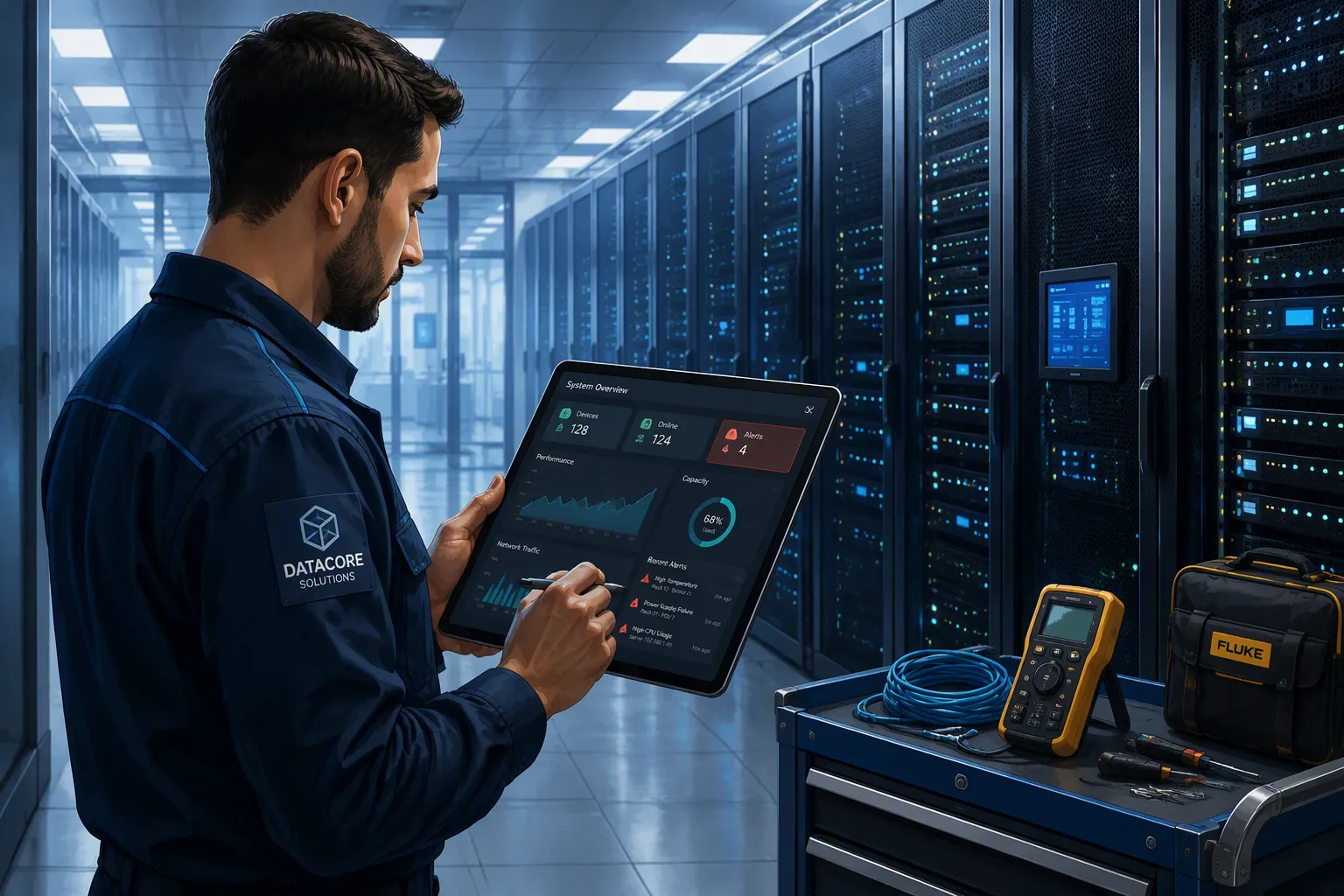
Picture a busy airport store at 6 AM. A checkout computer stops working. A long line of upset travelers grows. This shows how costly downtime can be. Your airport store systems must run all the time. You cannot afford sudden breaks. Meeting strict system uptime requirements protects your money. General uptime of 99.9% allows about 8 hours and 45 minutes of downtime each year. Critical systems need 99.99% reliability. That means only 52 minutes and 34 seconds of downtime are okay. Knowing system uptime requirements is key for airport store success. Predictive maintenance gives a smart solution. It uses data to act early. It spots problems before they stop work. It keeps your systems ready at all times.
Key Takeaways
Your goal is 99.99% uptime so your airport store runs smoothly.
Downtime costs money and trust; every lost minute hurts sales.
Predictive maintenance uses sensors to catch issues before they become big problems.
Fix issues before they lead to failures to save time and money.
Invest in monitoring tools, because every dollar you spend saves five dollars in repairs.
Understanding System Uptime Requirements in Airport Retail
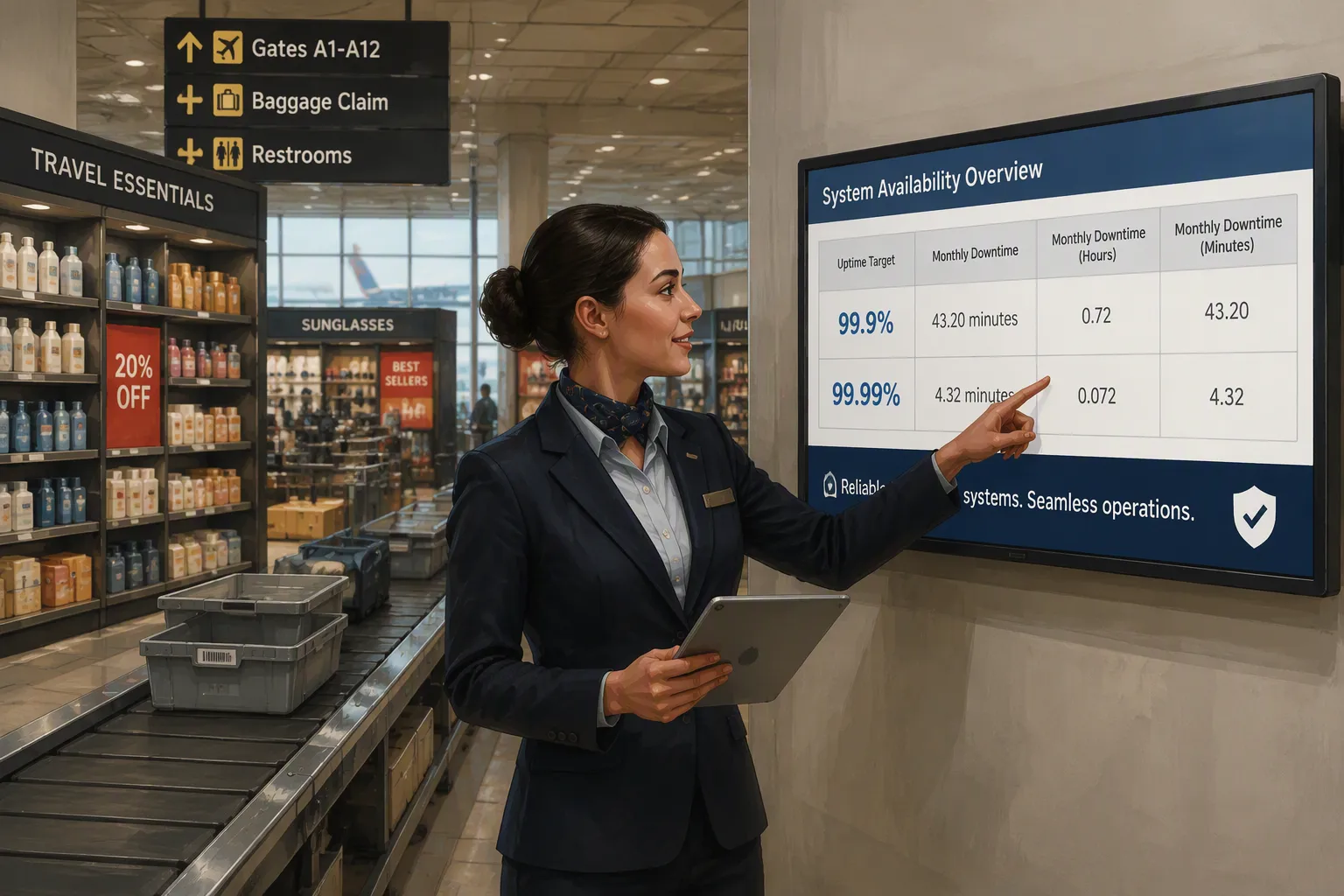
System uptime shows how often a system works without breaking. You find it by dividing the time it runs by the total scheduled time, then multiplying by 100. For example, a conveyor that runs 21.6 hours in a 24-hour shift has 90% uptime. This simple number tells you how dependable your systems really are. To know your system uptime requirements, you start with this basic math.
Defining Uptime Metrics and Benchmarks
You need clear targets to set your goals. The table below shows the difference between normal and mission-critical uptime levels.
SLA Level | Allowed Downtime (Monthly) | Typical Environment |
|---|---|---|
99.9% | 43.8 minutes | General retail |
99.99% | 4.33 minutes | Airport retail |
The gap between these levels matters a lot. At 99.9% uptime, you accept 525.6 minutes of downtime each year. That equals 8.76 hours of lost work. At 99.99% uptime, you allow only 52.56 minutes yearly. The difference is ten times, so you need faster response and automatic detection.
Your system uptime requirements should fit your real operations. General retail stores can handle some downtime. Airport retail cannot. You need high uptime because every lost minute costs you money. The industry standard for mission-critical aviation systems is 99.99% reliability. You should aim for this same level in your store.
Tip: Try for 99.99% uptime to stop problems and keep your store running well.
The 24/7 Operational Imperative
Airports never close. Unlike museums or regular stores, you have no set maintenance times. Your systems must run all day, every day. This fact changes how you plan for reliability.
Consumer-grade displays show this challenge well. A typical display lasts about 30,000 hours before failing. Running nonstop, that display wears out in three years. Normal stores can turn off equipment at night. You cannot do that. LED panels help, costing 40–60% less over five years because they last longer with constant use.
Your content management system must run 24/7/365 with no planned downtime. This need requires hot failover capability. You need backup systems that switch instantly when a part fails. Your system uptime requirements for the content management system must include continuous operation. Your systems must connect with flight information displays and airport data networks. Emergency messages, like security alerts or gate changes, must send within seconds.
Your hardware should handle the worst day, not average conditions. Extreme heat, cold, and heavy foot traffic stress your equipment. You need strong systems built for these tough conditions.
Meeting these uptime standards takes more than simple maintenance plans. You must build redundancy into your setup from the start. Every key part needs a backup ready to take over right away.
Your system uptime requirements directly affect your profits. Unscheduled downtime can cost airlines up to $150,000 each hour. Your store faces similar money risks. Every lost minute means fewer sales and unhappy travelers. By aiming for 99.99% uptime, you protect your income all day and night. These system uptime requirements for airport retail demand constant attention.
The High Cost of Downtime for Revenue and Reputation
Quantifying Financial Losses from System Failures
A single checkout failure at your duty-free shop causes instant money loss. Think about your busiest morning hour. You handle sales every few minutes. Each sale brings in a good amount of money. When your POS system stops, every minute without service means lost sales. Modern payment tech finishes a transaction in under 30 seconds. That speed makes each downtime minute cost more. You lose about two sales per minute during peak times. Multiply that by your average sale amount. The numbers grow fast.
Let us look at a real example. Your system fails at 6 AM during the first flight wave. The failure lasts 45 minutes before your team sees it and fixes it. You lose about 90 possible sales. Your average duty-free purchase is $85. That one failure costs you $7,650 in direct sales. This count does not include shoppers who give up entirely. Some travelers just walk away when lines get too long. They pick boarding their flights over waiting.
Every minute of POS downtime at peak hours costs you about two full sales. A 45-minute failure can wipe out over $7,000 in revenue.
Your airport store faces special pressure. You cannot add hours to make up for lost sales. The flight schedule controls your customer flow. When passengers leave, they do not come back. The revenue is gone for good.
The Ripple Effect on Passenger Trust
Money losses are only part of the harm. A failed checkout creates angry travelers. That anger spreads fast in a terminal. Passengers tell other travelers about their bad experience. They post complaints on social media. They leave negative reviews on travel sites. Each bad interaction hurts your store's image.
Think about the passenger who misses shopping time because your system failed. That traveler remembers the trouble. They pick a different airport for future trips. They tell friends and family about the poor experience. Word spreads through online groups and travel forums. Your brand suffers long after the system works again.
The airport also shares this reputation problem. Travelers link their experience to the whole terminal. One bad interaction shapes how they see the entire facility. Airport managers notice these patterns. They watch passenger satisfaction scores closely. Poor store performance can hurt lease renewals and vendor deals. Your airport store's reputation directly affects your future business. Protecting uptime protects more than daily sales. It keeps the trust that brings passengers back to your store.
Overcoming Uptime Challenges in Airport Retail
Your airport store faces problems that regular stores never see. Security checkpoints block easy access to your equipment. Heavy foot traffic puts constant stress on your hardware. You must connect many systems, like POS terminals, self-service kiosks, and digital signs. Every link creates a spot where things can fail. Knowing these challenges helps you create a better maintenance plan.
Navigating Security and Operational Constraints
Security rules shape every choice you make. Payment systems must follow strict rules like PCI DSS. One compliance mistake can lead to big fines. Cyber threats change every day, aiming at customer data and payment info. You need strong protection without slowing down your work.
The table below shows the main technical problems you face.
Challenge | Description | Examples |
|---|---|---|
Infrastructure and Technology Gaps | Old equipment causes quick service stops. | Power outages, display failures, broken checkout systems. |
Security and Compliance Risks | Payment weaknesses and strict rules create danger. | Hacker attacks, data breaches, non-compliance fines. |
Managing Traffic Surges | Sudden passenger flows strain system capacity. | Forecasting models, pre-order services, digital payments. |
Rules add another layer of difficulty. Big companies control much of the market access. Security rules create barriers for new stores and new service ideas. These rules exist for good reasons, but they limit your options. You must find solutions that work within these limits. You cannot rebuild the system from zero. You can improve what already exists.
The Pitfalls of Reactive Maintenance Models
Reactive maintenance means fixing equipment after it breaks. This method fails in an airport setting. The wait between failure and discovery costs you a lot.
Think about a moving walkway that stops at 5:40 AM. Staff notice the problem at 7:15 AM. That gap creates 90 minutes of downtime. Passengers walk extra distances. They get annoyed. Your team loses valuable time. Real-time monitoring would alert the control console within seconds of the failure. Your technicians could respond right away. The difference between these two methods is huge.
Reactive maintenance also creates unpredictable workloads. Your team never knows when the next problem will hit. They cannot plan their day well. They rush from one emergency to another. This pattern leads to burnout and missed issues.
Predictive maintenance fixes these problems. It watches your systems all the time. It spots small changes that point to bigger issues. You fix problems before passengers ever notice. This forward-looking method keeps your airport retail operations running well. You protect your revenue and your reputation. The cost of monitoring tools pays for itself many times over.
Implementing Predictive Maintenance for System Reliability
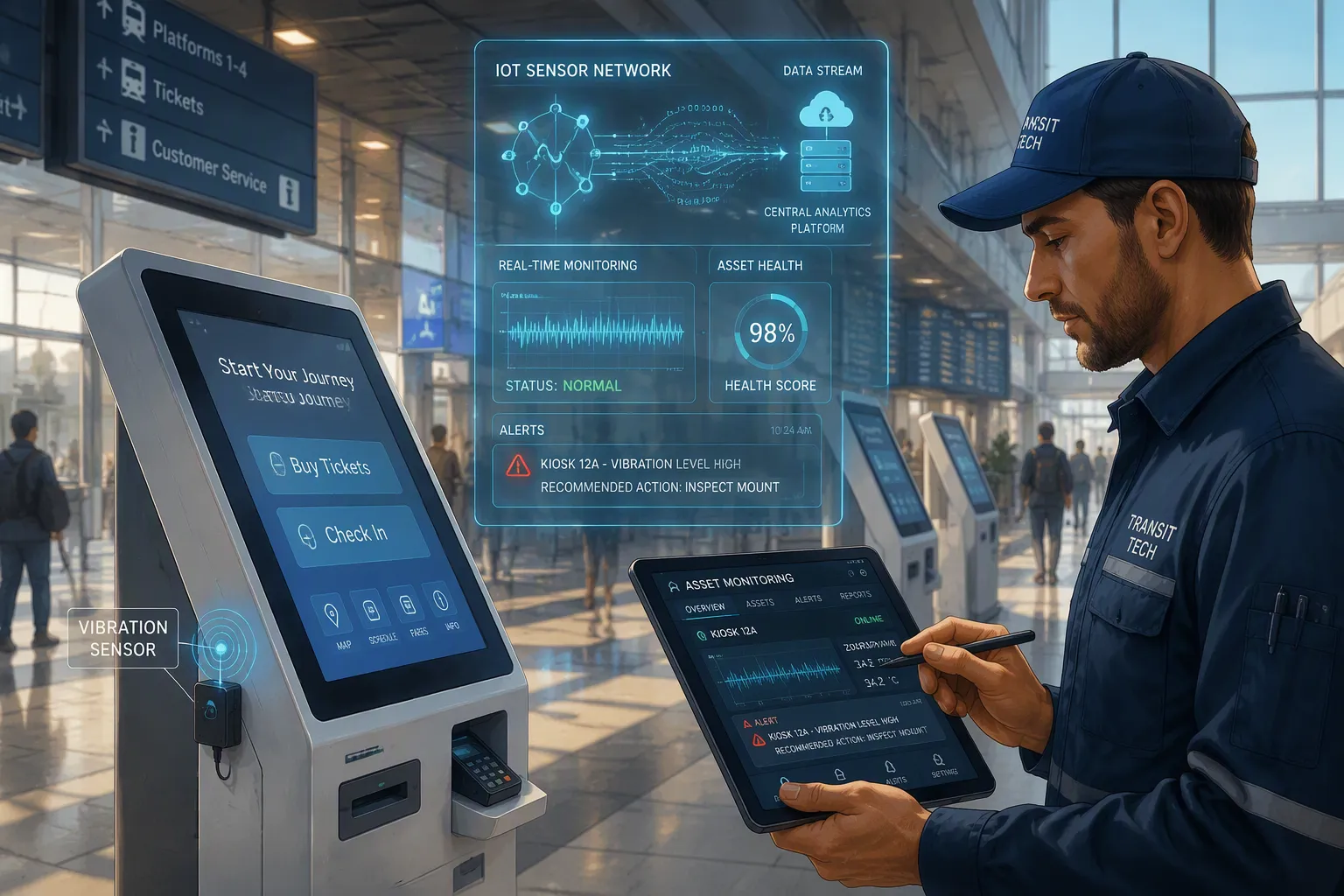
Predictive maintenance changes how you take care of your equipment. Instead of waiting for failures, you watch for early warning signs. Sensors on your machines collect data all day and night. These sensors track temperature, vibration, and error logs. The data goes to a central platform where analytics software studies it. The software learns what normal operation looks like. When something changes, the system flags it. You get an alert before the problem becomes serious.
How Predictive Maintenance Works
Think about a self-service kiosk in your terminal. A vibration sensor on the touchscreen mount detects a slight change in movement patterns. The analytics platform compares this reading to baseline data from the past six months. The software identifies the pattern as a loose mounting bracket. You get an alert on your dashboard. Your technician replaces the bracket during a low-traffic window. The kiosk never stops working. Passengers never notice anything wrong.
The technology relies on three main parts. First, IoT sensors collect physical measurements from your equipment. Second, a connectivity layer sends that data to a central system. Third, analytics software processes the information and spots anomalies. Together, these parts create a full picture of your equipment health. Real-time monitoring gives you visibility into every connected asset. You see problems the moment they start. You respond before passengers notice.
The cost of this technology varies based on your setup. Individual sensors range from $100 to $1,000 per asset. Software platforms cost about $400 per user each year. Installation runs between $1,000 and $10,000 per system. Training each technician costs between $2,000 and $14,000. These numbers seem significant at first glance. Compare them to the cost of downtime. A single hour of unplanned downtime can cost between $260,000 and $2,000,000. The savings ratio tells the real story. Every $1 you spend on predictive maintenance saves $5 in avoided failures.
Cost Component | Predictive Maintenance | Reactive Maintenance |
|---|---|---|
Sensors (per asset) | $100 – $1,000 | – |
CMMS Software (per user/year) | ~$400 | – |
Installation (per system) | $1,000 – $10,000+ | – |
Training (per technician) | $2,000 – $14,000 | – |
Downtime cost per hour | – | $260,000 – $2,000,000 |
Savings ratio | $5 saved per $1 spent | – |
Key Steps for a Successful Implementation
You need a clear roadmap to build your predictive maintenance program. Follow these six steps to create a system that works.
Step 1: Assess critical assets. Walk through your store and identify the equipment that matters most. Your POS terminals, self-service kiosks, and digital signage top the list. Rank each asset by its impact on revenue and passenger experience.
Step 2: Deploy monitoring tools. Install sensors on your priority assets. Choose sensors that measure the right signals for each machine. Temperature sensors work well for power supplies. Vibration sensors catch mechanical problems early.
Step 3: Establish baseline data. Let the system collect data for several weeks. This period teaches the software what normal operation looks like. You cannot spot problems without knowing what healthy looks like.
Step 4: Set up alert thresholds. Work with your maintenance team to define warning levels. A small temperature change might warrant a low-priority alert. A sudden spike demands immediate attention. Your thresholds should match your system uptime requirements.
Step 5: Integrate with maintenance workflows. Connect the predictive system to your work order software. When the system flags an issue, it automatically creates a work order. Your technicians receive assignments without manual steps. This integration speeds up response times.
Step 6: Continuously refine algorithms. Review the system's predictions regularly. Compare them to actual failures. Adjust the thresholds and algorithms as you learn more. The system gets smarter over time.
Your airport retail operation benefits from this approach in several ways. You reduce emergency repairs. You extend equipment life. You schedule maintenance during quiet periods. Most importantly, you achieve high system uptime that keeps passengers moving through your store. Real-time monitoring transforms your maintenance operation from a cost center into a revenue protector.
Your redundancy strategies work hand in hand with predictive maintenance. Backup systems cover you during the brief window before a repair. Predictive alerts tell you when to switch to backups. Together, these approaches create a safety net for your operations.
The investment pays for itself quickly. One avoided breakdown covers the cost of many sensors. Your airport retail store stays open, sales continue, and passengers leave satisfied. Meeting your system uptime requirements becomes achievable rather than stressful. Real-time monitoring makes the difference between reacting to problems and preventing them entirely.
Downtime in airport stores costs you money and trust. Fixing things only after they break leaves you open to surprise failures. Predictive maintenance puts you in charge with live tracking and early warnings. You protect your profits and the passenger experience.
This method is a smart use of money. Each dollar you spend on sensors and data tools saves five dollars in stopped failures. You build a strong operation that can reach 99.99% uptime goals.
Begin today. Look at how you now maintain equipment. Find your most important machines. Talk to a solution provider about setting up options.
The future of airport retail runs on smart, proactive systems. These systems deliver smooth trips for every traveler. Your store can lead that future.
FAQ
What is the difference between 99.9% and 99.99% uptime?
The gap is ten times. At 99.9% uptime, you accept 8.76 hours of downtime yearly. At 99.99%, you allow only 52.56 minutes. Airport retail should target the higher standard because every lost minute costs revenue.
How much does predictive maintenance cost?
Individual sensors range from $100 to $1,000 per asset. Software platforms cost about $400 per user yearly. Installation runs between $1,000 and $10,000 per system. Every $1 you spend saves $5 in avoided failures.
How long does it take to set up predictive maintenance?
You need several weeks to establish baseline data. The system must learn what normal operation looks like before it can spot problems. After that, you can set alert thresholds and integrate with your maintenance workflows.
Can predictive maintenance work with existing equipment?
Yes. You can add sensors to your current POS terminals, kiosks, and digital signage. You do not need to replace your hardware. The monitoring tools connect to what you already have and start collecting data right away.
What happens when the system detects a problem?
The analytics platform sends an alert to your dashboard. The system creates a work order automatically. Your technician receives the assignment and fixes the issue during a low-traffic window. Passengers never notice the problem existed.
See Also
Key Care Advice for Vending Machine Locks and Doors
Boosting Office Efficiency via Intelligent Vending for Small Workspaces
Cloudpick Self-Service: Where to Find It and User Feedback in 2025
Reasons Cloudpick's POS Systems Improve Efficiency, Access, and UX
Modern Vending Machines: Their Features, Advantages, and Innovations
