Seven Queue Management Tactics for Shorter Airport Store Lines

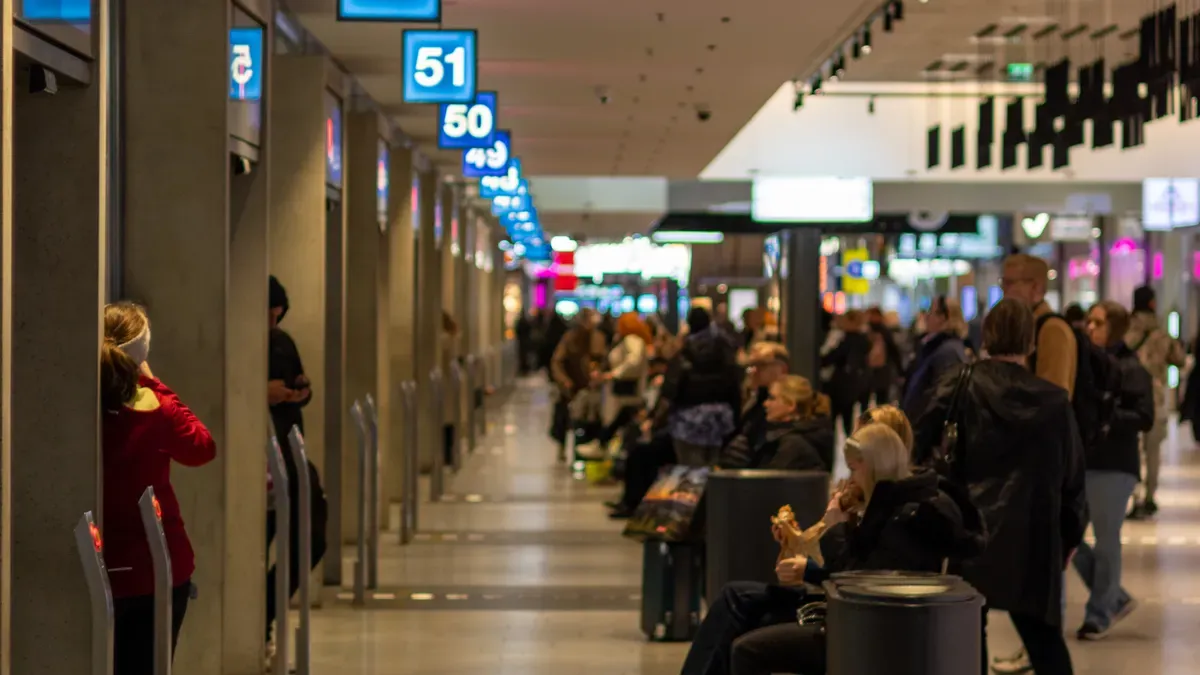
Airport stores can shorten lines by using better layouts, technology, and staff. Long lines upset travelers and hurt store profits. Shorter lines matter for three reasons. They give passengers more time to browse. They create calmer shoppers who buy more. They boost sales per square foot.
Good queue management changes the shopping experience. It starts with smart space planning. You need practical solutions that fix the real problems. Reducing queues in airport stores – scenario [Commercial] means understanding flight waves and traveler stress. Managing lines well makes customers feel valued. They look at products more instead of staring at someone's back.
The key is acting fast and checking results. Start with one change, see how it works, then adjust. Every minute saved at checkout leads to happier travelers and stronger sales.
Key Takeaways
Think about your store layout in a new way. Use clear paths and movable barriers to guide customers easily and cut down on crowding.
Use live line tracking to catch lines growing early and tell workers right away so they can act fast.
Put self-service kiosks and handheld checkout devices in place to make small purchases faster and split up long lines.
Use crowd analytics to match staffing with flight schedules, so you can predict busy times and train a worker to open extra lines when lines get long.
Use virtual waiting lines and digital signs so travelers can shop while they wait and see real-time wait times.
Reducing Queues in Airport Stores: Scenario [Commercial] Basics
Cutting down lines in airport shops means knowing what makes airport shopping special. Flight schedules cause sudden busy times. Small spaces limit how much room stores have. Stressed travelers feel rushed. Lines grow fast when many flights land or take off at once. All these things together make long lines.
Why Airport Lines Happen in Stores
Flight schedules control everything. When many planes leave at the same time, passengers show up together. They rush into stores all at once. This creates sudden busy periods that overwhelm checkout counters. Cutting down lines in airport shops starts with seeing these patterns.
Seating matters more than you might think. Studies show that when waiting areas before security have enough seats for everyone, store sales hit only 229 units. Passengers wait calmly. They look around without pressure. Lines stay short.
The opposite happens when there are not enough seats. Sales jump past 1100 units. Passengers rush to shops right away. They use up all their shopping time at once. This makes long lines and causes passengers to miss their flights. Cutting down lines in airport shops means dealing with this rush directly.
Other things make the problem worse. Short layovers give travelers little time to shop. Complicated setups struggle with limited space. High running costs limit staff and open checkout counters.
How Waiting Feels Longer Than It Really Is
Our minds change how we experience waiting. What matters is how long it feels, not how long it actually is. Studies show that without updates, customers think they wait 36% longer than they really do. Real-time updates cut frustration by 35%, even when the wait time stays the same. Cutting down lines in airport shops means managing feelings, not just facts.
The Houston airport example shows this idea in action. Passengers complained about waiting for bags at arrival gates. The real wait lasted only a few minutes. Airport leaders moved gates farther from incoming planes. Passengers walked longer distances. Complaints dropped to almost zero. Being busy makes waiting feel shorter than standing still.
Philosopher William James explained it this way: "Boredom results from being attentive to the passage of time itself." When travelers have nothing to do, they watch the clock. The wait feels longer than it really is.
Knowing these ideas helps you fix customer lines at airports. You can make waits feel shorter with smart design. You can handle airport lines with better updates. Good line management at airports starts with seeing these mental patterns.
Queue Management Tactic 1: Rethink Store Layout
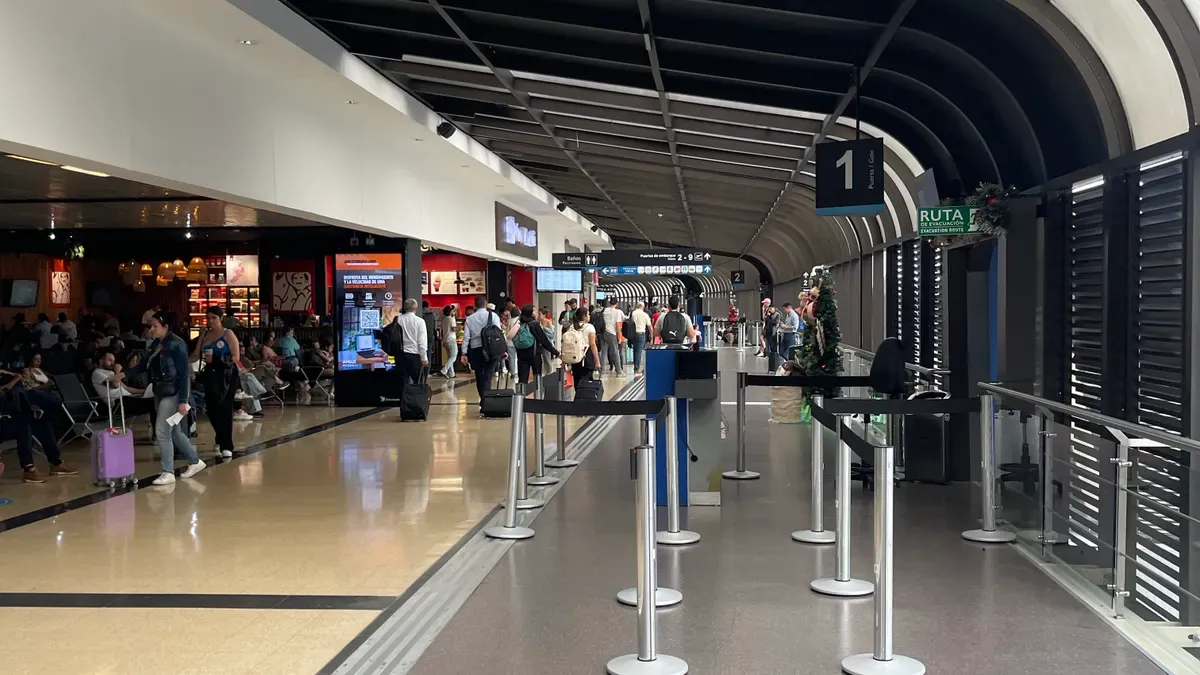
Your store layout controls how customers move and where lines form. A smart setup guides shoppers toward products and checkout naturally. It stops problems before they begin. This tactic is the base of good queue management in any airport store.
Create Clear Travel Paths
Clear paths keep customers moving without confusion. You need wide aisles for travelers with rolling bags and carry-on items. Narrow corridors make people stop, pause, and bunch up. These groups become accidental lines that block other shoppers.
Signs play a big part in guiding passenger flow. Digital screens and static signs point travelers to self-service kiosks, priority lanes, and checkout areas. When customers know where to go, they do not wander around. This cuts down confusion that leads to crowding and delays.
Think about how organized paths affect the mind. A well-planned route helps reduce travel stress. Passengers feel sure moving through your store when they see the layout clearly. They look around more and pick items faster. This confidence leads to shorter lines at your registers.
Use Flexible Barriers
Retractable belt barriers and stanchions guide customer flow without trapping people. These tools create neat lines that feel professional and safe. You can change them quickly when flight times shift or new displays arrive.
Breakaway belt barriers add a key safety feature. Magnetic release parts hold belts tight during normal use. They let go on their own under strong force, like a bump or trip. Customers can leave the line just by walking through. This stops panic and lowers injury risk in emergencies.
Your queue system should have regular breaks or emergency exits. Customers should not walk the whole line to get out. These breaks guide foot traffic normally but allow fast exits when needed. Existing barriers can turn into breakaways by swapping the belt cassette. This works with most brands and cuts labor during changes.
These physical tools work with technology for better queue management. Virtual queuing lets customers wait from afar while they shop. Digital queue software tracks line length and alerts staff. Together, these methods form a full plan for handling airport queues.
The right layout mixes clear paths with flexible barriers. You build a space that feels open, safe, and simple to move through. Customers like the order and shop in a calmer way. These queue management tips lower stress and make the airport experience better.
Tactic 2: Real-Time Queue Monitoring
You can't fix a line you can't see. Real-time queue monitoring shows you what's happening at your checkout counters all day. This tactic uses foot-traffic sensors and queue management software to track customer movement. You gain the power to act before frustration builds.
Detect Line Build-Up Early
Foot-traffic sensors count how many people enter a queue zone. They also track how long each person takes to leave that zone. This gives you a real wait time, not a guess. You see true numbers about your airport store's performance.
The system tracks current occupancy, entries in the last hour, and queue length. These numbers update throughout the day. You watch patterns form as flight waves arrive. You notice when a line starts growing faster than normal. Early detection gives you precious minutes to respond.
Your queue management system can compare current data against typical patterns. You see when today's line differs from yesterday's. You spot trouble before customers feel it. This proactive approach keeps your airport queuing system running smoothly.
Alert Staff Immediately
You can set thresholds for your queue management system. When a line crosses a service-level target, the system sends alerts. Your team receives notifications on handheld devices or at a central station. They know exactly which checkout lane needs help.
View and analyze queue lengths and wait times to adjust staffing levels and enhance the passenger experience.
These alerts trigger specific actions. A manager opens another register. A floor associate directs customers to a self-service kiosk. A runner brings extra bags to speed up packing. Your team responds with purpose instead of panic.
Real-time queue monitoring also helps you plan for the future. You collect data about busy periods across weeks and months. You learn which flights create the longest queues. You adjust schedules and staffing accordingly. Your airport store becomes more efficient with each cycle of data.
The best part? You do not need a massive investment. Many sensor systems integrate with existing security cameras. You start with one checkout zone and expand as you see results. Real-time queue monitoring delivers immediate value for your airport operation.
Tactic 3: Add Self-Service and Mobile Checkout
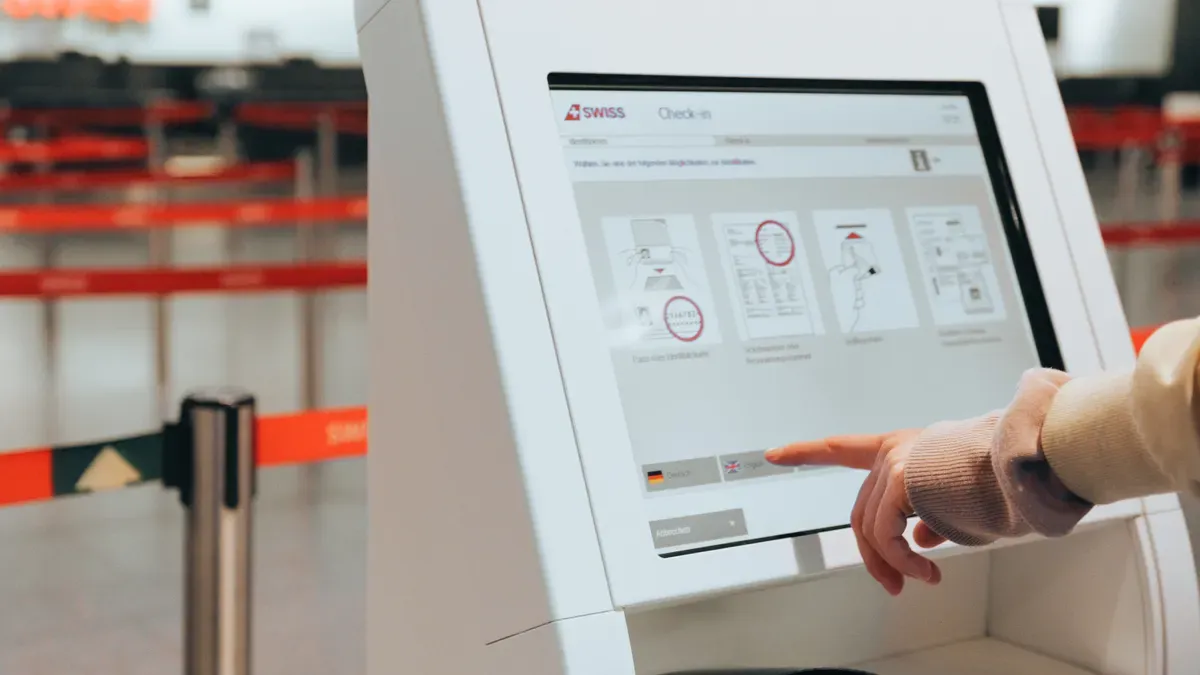
Self-service checkout is a proven way to manage store lines. You see these kiosks in airports everywhere because they work well. They let travelers handle their own purchases. They ease the load on your staff. They keep lines moving when many flights arrive at once.
Self-Checkout Kiosks for Quick Baskets
Self-checkout kiosks work best for shoppers with just a few items. A traveler buying a magazine, a snack, and a water bottle does not need a full register. You put kiosks near the entrance and exit. You let customers scan, pay, and leave without waiting behind someone buying a whole suitcase of goods.
You should build these kiosks for speed. Big touchscreens guide shoppers through every step. Simple instructions cut down confusion. You place barcode scanners at a comfortable height. You accept contactless cards, mobile wallets, and QR codes. Every second saved at this station shortens the whole line.
You also need staff close by to help. A traveler new to self-checkout may pause. A quick helper solves problems before frustration grows. You train your team to watch the kiosk area and step in when someone struggles. This small support keeps the self-service zone moving smoothly.
Handheld POS for Busy Zones
Handheld point-of-sale devices change how you handle busy times. These all-in-one terminals combine sales processing, barcode scanning, and payment acceptance in one unit. Your staff can serve customers anywhere on the sales floor. They do not need to walk back to a fixed register. This ability lets you break up lines during peak hours.
You give your team these devices during flight waves. An associate walks up to a customer browsing near the exit. They scan items, process the payment, and hand over the receipt on the spot. The customer leaves without ever joining a line. You reduce queues at your main registers while keeping sales moving.
These devices support contactless payments, chip and PIN, and digital wallets. You accept whatever payment method your customer prefers. The terminal works offline too. It stores data locally until your connection returns. This reliability matters in busy airports where network congestion can happen.
Market research shows retailers using handheld checkout devices to serve customers faster. These tools cut long waiting lines and speed up transactions. They boost overall customer satisfaction. You see them in airports and other busy places where fast payment processing matters most.
You combine self-service kiosks with handheld devices for a full approach. You give quick-basket shoppers a fast path. You give your staff the tools to meet customers where they stand. These technology solutions for efficient queue management ease pressure on your fixed registers. You handle more customers with the same team. You keep your airport store moving during the busiest flight schedules.
Tactic 4: Align Staffing with Flight Schedules
Your staffing plan controls how fast lines move during busy times. Without enough people at the right moments, you cannot serve customers quickly. Flight schedules create steady waves of demand. With good data and training, you can get ready for these waves.
Predict Demand with Crowd Analytics
Crowd analytics changes foot traffic into helpful numbers. You set up thermal sensors that watch passenger movement but do not capture faces. These sensors follow privacy rules while giving you exact counts. You see how many people come into your store during each flight wave.
The wi.move platform reads video streams to give useful insights. It tracks passenger counts, flow rates, queue lengths, and unusual activity. These numbers help you see when demand will rise. You learn which flights bring the most shoppers. You add extra staff for those arrival times.
The system ran very fast at 42.9 ms and stayed reliable 100% of the time... Thermal sensor networks work well and follow GDPR rules. They offer a better choice than regular RGB cameras for tracking crowds and spotting issues in sensitive public spaces.
Key metrics guide your staffing choices. Conversion rate shows how many visitors buy something. Revenue per visitor shows what each passenger is worth. Capture rate tells you how many passersby come into your store. Dwell time reveals where shoppers spend their time. Occupancy compares live headcount against design capacity. Visits per labour hour describes your team's workload.
You use these numbers together to predict busy periods. A departure bank with high occupancy signals strong demand. You add cashiers before the rush starts. This queue prediction approach stops long lines before they form.
Train a Queue-Busting Employee
You need one person who can act fast when lines grow. This employee watches the floor and spots problems early. They open new registers, send customers to kiosks, and help with packing. Their job is to keep queues moving no matter what.
Train this person in smart queue management skills. They learn to read body language and spot upset travelers. They practice quick communication that calms nervous passengers. They master every checkout system in your store so they can help anywhere.
Your queue-busting employee also works with other staff members. They signal when a line needs backup. They rotate team members to prevent burnout during long rushes. They keep everyone focused on the shared goal of shorter waits.
Sharing data early between airlines, security, and store operators makes this system stronger. When you learn about delays or gate changes early, you adjust staffing accordingly. Your team arrives ready instead of reacting late.
These smart queue management skills turn raw data into better service. You match your workforce to actual demand patterns. Your airport store runs smoothly even during the busiest flight schedules.
Tactic 5: Use Virtual Queuing and Digital Signage
Virtual queuing changes how travelers wait for checkout. Instead of standing in a physical line, customers join a queue from anywhere in your store. They get a notification when their turn comes. This method cuts down the time passengers spend waiting in lines. You free your travelers to browse, grab a coffee, or check out nearby shops while they wait.
Let Travelers Browse While Waiting
You set up virtual queuing systems that let customers explore your store without losing their spot. A traveler scans a QR code at your entrance, joins the checkout queue, and keeps shopping. They get updates through their chosen method. This freedom turns idle waiting into useful browsing time.
Notification Method | How It Works |
|---|---|
SMS Ticket | Sends quick updates about queue position straight to the traveler's phone |
WhatsApp Queuing | Offers two-way chat so travelers can ask questions while moving around |
These virtual queuing systems reduce crowding throughout your store. Passengers spread out instead of bunching near registers. They use their wait time to look at products they might otherwise miss. You turn a frustrating pause into a chance to discover new items.
When customers feel they are not stuck in a physical line, their sense of the wait time drops. Virtual queuing reduces the feeling of wasted time.
Display Live Wait-Time Estimates
Digital signage gives travelers real-time info on wait times at your checkout zones. You place screens near your entrance and across the sales floor. Each screen shows current queue lengths and estimated minutes until service. This openness gives your customers a sense of control.
Live wait-time displays also act as positive distractions. Screens showing destination highlights or travel tips keep passengers busy. A traveler watching interesting content feels a shorter wait than someone staring at a static line. The same 30-minute wait feels different when your mind is active.
You combine these displays with your virtual queuing systems for the best effect. Travelers see the current wait time before they join. They make smart choices about when to check out. They feel calmer because they know what to expect. This real-time info on wait times lowers stress and boosts satisfaction.
Your airport store becomes a place where reducing physical queues happens naturally. You manage customer flow with technology instead of barriers. You give travelers freedom while keeping your checkout process efficient. These tools work together to create a smoother, more pleasant shopping experience.
Tactic 6: Reduce Perceived Wait Time
You can't always make the actual wait shorter. But you can change how those minutes feel. Queue psychology shows that how people feel matters more than the clock. Smart airport stores use this idea to make waits seem shorter without adding staff or registers.
Turn Line Time into Product Discovery
You can turn idle waiting into useful browsing. Put small displays along the queue path. Travelers see snacks, magazines, and travel items while they stand. They pick things up, read labels, and add items to their baskets. The line becomes a shopping chance instead of a boring spot.
You can also give customers something to do. A coffee machine near the queue lets travelers order while they wait. A staff member can hand out product catalogs or offer samples. These small tasks fill waiting moments with useful activity. Travelers stop watching the clock and start looking at your store.
A personal greeting changes the experience too. When a staff member welcomes each customer and gives an honest time estimate, the wait feels easier to handle. You might say, "Someone will help you in about ten minutes." That simple message sets expectations and builds trust. Customers remember the kindness more than the delay.
You can even replace waiting with walking. Place your checkout counters away from your entrance. Travelers walk through your merchandise on their way to pay. They see products they might otherwise miss. The walking time feels useful, not wasted.
Keep Queues Clear and Fair
Fairness matters as much as speed. Customers watch how you manage lines. They notice when someone cuts ahead or when a new register opens. Unfair treatment creates anger that no amount of speed can fix.
You should use a single snaking queue instead of many separate lines. This system guarantees first-come, first-served service. Everyone waits in the same order. No one watches a different line move faster and feels cheated. The constant forward motion also makes the wait feel shorter.
Think about what happens when you open a new register. Some stores let new arrivals jump ahead of waiting customers. That choice breeds resentment. A better approach follows the Trader Joe's model. You call the next person from the main queue to the new register. Everyone keeps their place in line.
Perception is everything in customer service. A single snaking queue ensures fairness and keeps the line moving. Customers accept waiting when they trust the system.
These queue management techniques lower stress and boost satisfaction. You reduce wait times by changing what travelers experience, not just what you measure. Your airport becomes a place where queue waiting times feel shorter and customers leave happier.
Tactic 7: Improving Queue Management at Airport Stores
How fast checkout works decides if your lines stay short or get out of control. You can add all the layout fixes and staff plans you want. Without quick payment choices, travelers still pile up at the register. This last tactic focuses on speed at the payment step. You give shoppers with few items a special path and take away every extra step from paying.
Offer an Express Lane for Small Purchases
You set up an express lane for travelers buying just a few things. This lane works best for buys under five items. You put it near the store exit so customers can grab a snack or magazine and pay without going through the main line. You mark the lane clearly with bright signs. Travelers see it right away and pick it when they have small baskets.
Your express lane needs its own register or a staff member with a handheld device. This person finishes sales in under a minute. They take cash, cards, and mobile payments. They keep the line moving with smooth skill. You train them to say hello fast and finish the sale without extra talk.
The express lane also eases pressure on your main registers. Regular checkout lanes handle bigger buys and customers who need more time. Your team splits the work naturally. This split stops small buys from blocking big sales. You help more travelers with the same number of staff.
Use QR Codes and One-Tap Payments
QR codes and one-tap payments make checkout smoother. You put QR codes at the express lane and near popular products. Travelers scan the code with their phone camera. They finish the buy without touching a machine or waiting for a receipt. The payment goes through right away using their mobile wallet.
Metric | Reported Improvement |
|---|---|
Transaction completion rate | |
Average checkout time | 25% to 40% decrease |
Customer volume during promotions | Maintains service speed with 30%+ increase in traffic |
These numbers show real gains for your airport store. Faster checkout times mean shorter lines during busy flight times. Higher completion rates mean fewer dropped buys. Your current staff help more customers without extra labor costs. International travelers like the ease of scanning a code instead of figuring out new payment machines.
One-tap payments also boost quick buys. When the time between picking an item and paying gets shorter, customers buy more. They grab a second snack or a travel pillow because checkout feels easy. You cut lines while raising sales per visitor. This mix makes QR payments a strong tool for improving queue management at airport stores.
You now have seven queue management techniques that shorten airport store lines. Layout fixes create clear paths. Real-time monitoring catches problems early. Self-service options speed up checkout. Staffing aligned with flight schedules prevents rushes. Virtual queuing lets travelers browse while waiting. Perceived wait time drops with smart psychology. Express lanes and QR payments finish sales faster.
These advanced queuing strategies work best together. No single fix solves everything. Start with the highest-impact tactic for your airport. Measure queue lengths and wait times before and after. Then refine your approach. A 10-minute reduction in security queue time boosts per-passenger retail spend by 15%. Improving queue management at airport stores directly improves traveler experience and revenue. Your customers will notice the difference.
FAQ
How Can I Measure Queue Performance in My Store?
You can track queue length with foot-traffic sensors. These sensors count people entering and leaving the line. You also measure checkout speed per transaction. Compare these numbers across different flight times. This data shows you which periods need more staff or faster payment options.
What Is the Fastest Way to Reduce Checkout Lines?
Start with an express lane for small purchases. Add QR code payments so travelers skip traditional registers. These two changes speed up most transactions. You see shorter wait times within days. Your regular registers then handle bigger purchases without pressure.
Do Virtual Queuing Systems Work for Small Airport Stores?
Yes. Virtual queuing systems let customers join a line from anywhere in your store. Travelers browse while waiting for their turn. You need only one QR code and a notification system. This approach works well even in compact retail spaces.
How Does Store Layout Affect Perceived Waiting?
Clear paths and flexible barriers guide customers smoothly. Wide aisles prevent accidental crowding. Breakaway belts let travelers exit lines easily. These design choices reduce stress. Customers feel calmer and perceive shorter waits, even when the actual time stays the same.
Which Staffing Strategy Works Best During Flight Waves?
Train one queue-busting employee who watches for line build-up. This person opens new registers and directs customers to kiosks. Use crowd analytics to predict busy periods. Schedule extra staff before departure peaks. Your team responds faster when you prepare in advance.
See Also
Boosting Staff Efficiency Through Intelligent Vending Options for Compact Workplaces
The Progression of Automated Self-Service Checkout Systems Over Time
Examining Walgreens Automated Checkout: Ease and Hurdles in Store Operations
Key Upkeep Advice for Vending Machine Security Locks and Access Panels
Automated Checkout Currency Mistakes: Reasons and Fixes for Seamless Purchases
