AI-powered smart warehouse solutions for factory supply rooms automate material withdrawal and ensure traceable accountability

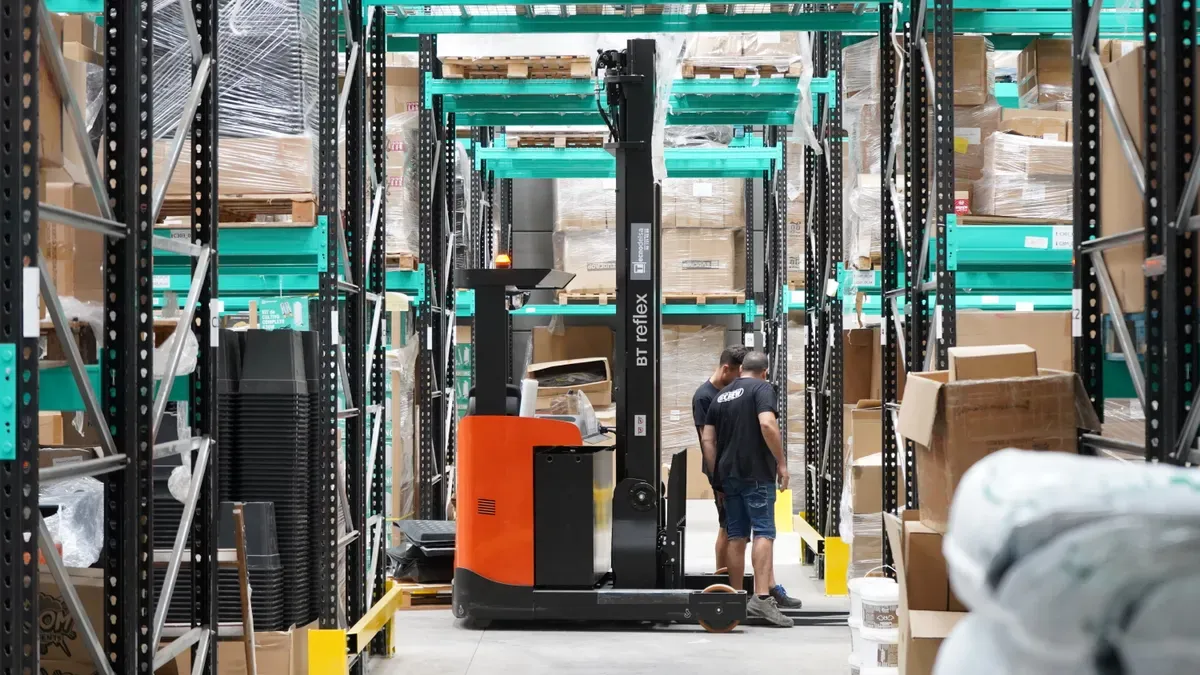
Factory supply rooms often look neat. Shelves have clear labels. But lost materials and missing records still cause problems. How can teams automate taking items, remove manual approvals, and keep clear records?
An AI-powered smart warehouse solution for factory supply rooms solves this problem. Facial recognition, computer vision, and shelf sensors allow a 10-second grab-and-go process. The automation creates real-time requisition records. This warehouse approach uses ai to improve accuracy in picking and packing. Manual processes cause delays, errors, and audit gaps. Smart solutions connect data with existing software and systems, improving fulfillment speed. The result: a self-documenting supply room that works as fast as your team does.
Key Takeaways
Smart warehouses use facial recognition, AI vision, and shelf sensors to handle taking out materials on their own.
Workers can grab items in 10 seconds, so they no longer need manual approvals or paperwork.
Every withdrawal is recorded automatically, creating instant order and financial records.
Automated records make it easier to track what happened and cut down on mistakes, so people stay responsible.
This system works with the ERP and finance platforms you already use, saving time and lowering costs.
Smart Warehouse Solution for Factory Supply Rooms: Closing the Accountability Gap
The Hidden Cost of Manual Approval Bottlenecks
Manual approvals make every material request take longer. An operator needs a drill bit. They look for a supervisor. The supervisor signs a paper form. Then the operator walks to the supply room. This takes time. It also leaves gaps in the data trail. A smart warehouse solution for factory supply rooms removes these slowdowns. The warehouse becomes a self-service space. Workers take what they need. The systems record every action on their own.
These delays hurt productivity all across the factory floor. A missing signature stops a repair. A lost form blocks a production line. The warehouse cannot fill requests fast enough. Manual tracking also leads to errors. Someone forgets to log an item. Another person writes the wrong part number. These mistakes build up over time. They weaken inventory accuracy and slow down fulfillment. An automation layer fixes this problem. It swaps paper trails for digital records. The warehouse becomes faster and more reliable.
Why Orderly Shelves Alone Cannot Track Withdrawals
Neat shelves create visual order. Labels look clean. Bins sit in straight rows. But visual order does not mean transactional accountability. An operator takes a drill bit from a labeled bin. No record exists. The shelf still looks organized. The inventory count is now wrong. This gap between appearance and reality causes real problems. The warehouse loses track of what left the shelf. The picking and packing process continues without a data trail.
This problem grows with scale. A small supply room might survive on memory. A large factory cannot. Hundreds of withdrawals happen daily. Each one needs a record. Manual logs fail at this volume. They miss entries. They create disputes. They slow down sorting and optimization efforts. A smart warehouse solution for factory supply rooms closes this gap. It uses ai to identify materials. It uses sensors to confirm quantity. The act of taking an item creates the record. The warehouse tracks every withdrawal without extra work. This approach links physical actions to digital systems. It turns a neat shelf into an accountable one.
How AI-Powered Warehouse Automation Enables a 10-Second Workflow
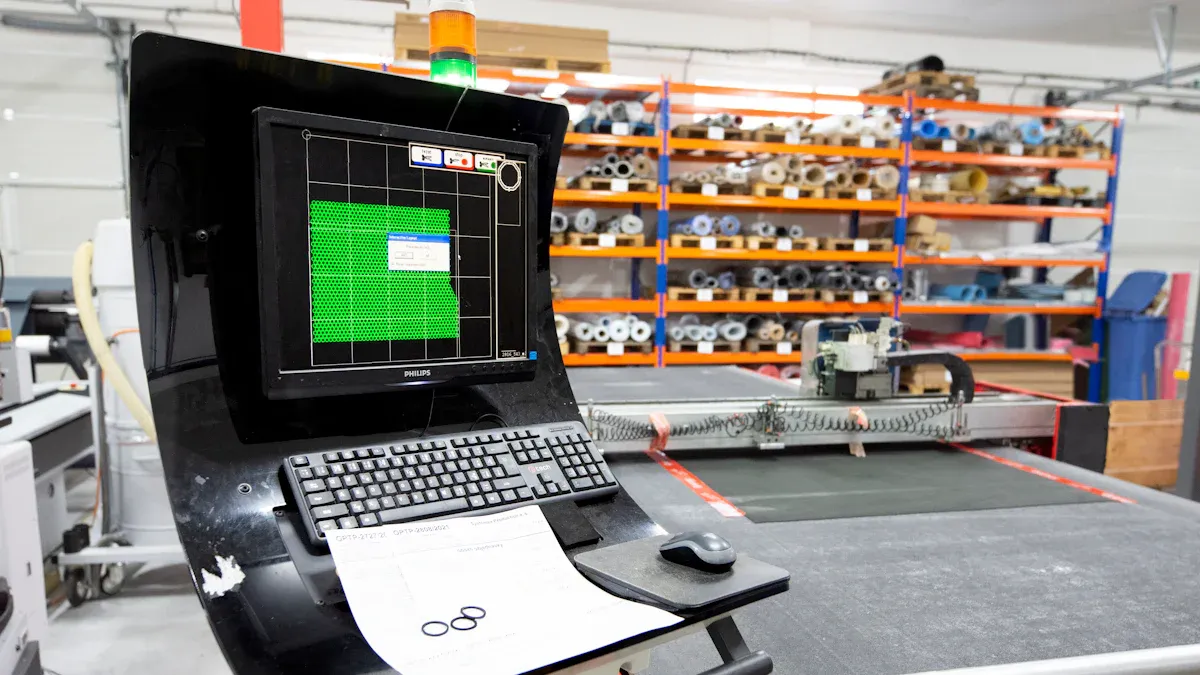
Facial Recognition, Vision AI, and Sensor Technology
A smart warehouse solution for factory supply rooms depends on three technologies working together. Each one handles a different part of the process.
Facial recognition controls who gets in. A worker walks up to the warehouse door. The system scans their face and checks who they are. No badge, no password, no waiting.
AI vision identifies materials. Cameras inside the warehouse use machine vision to spot the kind of item a worker takes. A wrench, a bearing, or a sensor all show up in the system.
Shelf sensors track quantity. Each shelf measures weight changes as they happen. When a worker lifts an item, the sensor records the exact quantity taken.
These three layers form the backbone of ai-powered warehouse automation. Cloudpick's system reaches 99%+ recognition accuracy with this approach. The warehouse stays accurate all day and night, 24/7, without anyone counting stock by hand.
Automatic Data Sync for Requisition and Finance
The workflow itself takes seconds. A worker enters the smart warehouse using facial recognition. They grab the part they need. They walk out. The whole material collection finishes within 10 seconds. Workers can requisition production equipment worth tens of thousands in seconds. Multi-level approvals and leadership signatures vanish from the process.
The real power sits behind the scenes. Every transaction is recorded on its own. The system links each pickup to a time, a person, and an item. Data flows into requisition lists without any manual entry. Those lists sync with factory material management and financial platforms. This integration turns warehouse automation software into a bridge between the shop floor and the back office.
Think about what this means for ai in warehouse management. A technician takes a replacement motor at 2:15 PM. By 2:16 PM, the requisition exists. The cost lands in the correct department budget. The inventory count updates. Nobody fills out a form. Nobody chases a signature. The system handles fulfillment, tracking, and cost allocation on its own.
This level of automation supports compliance and risk control in high-value environments. Warehouses shift from cost centers into intelligent infrastructure. The design scales with security and efficiency in mind. For teams comparing warehouse management systems, this model replaces trust-based management with a self-running, data-driven operation.
Cloudpick shows how these solutions work in real factory settings. The streamlined, nonintrusive process turns tedious material collection into a grab-and-go experience. Workers gain speed. Managers gain visibility. Finance teams gain clean records. The warehouse becomes a source of real-time data instead of a bottleneck.
Key Benefits of AI in Warehouse Management for Factory Teams
Faster Material Access with Built-In Oversight
A smart warehouse solution for factory supply rooms gets rid of paper forms and multi-level approvals. Workers walk in, grab parts, and leave within 10 seconds. The warehouse uses ai-powered warehouse automation to identify each item taken. Cameras use machine vision to recognize a drill bit, a bearing, or a sensor. Shelves measure weight changes to confirm the exact quantity taken. Every action records on its own.
Oversight happens in real time. The system tracks each person who takes each part. This built-in monitoring replaces trust-based management with records you can verify. Factories gain faster fulfillment speed and inventory accuracy. The warehouse becomes a source of productivity instead of a bottleneck. ai in warehouse management handles the tracking work that humans used to do. The result: faster access to materials and cleaner records.
The system also cuts down on material loss. Every item leaving the shelf has a record. No more missing drill bits or unaccounted components. The warehouse automation software syncs with existing enterprise systems. This integration supports better efficiency across the supply chain. The picking process becomes faster with guidance. Workers spend less time waiting for approvals. They spend more time building products. The factory floor runs smoother because of smarter material flow.
Automated Records Strengthen Audit Trails
Manual record-keeping creates gaps. A worker forgets to log a part. Another person writes the wrong part number. These errors weaken the audit trail. An ai-powered warehouse gets rid of these problems. The system makes a record for every withdrawal on its own. The act of picking an item creates the data entry. No human typing required.
Financial teams gain real-time data for cost allocation. Each part taken links to a department budget. The cost lands in the correct account without manual effort. The warehouse automation software sends records straight to the finance system. This approach improves order fulfillment accuracy and makes audits simpler. The warehouse management system stores every transaction. An auditor can review the history in minutes instead of days.
ai in warehouse management also reduces loss. The system watches inventory levels all the time. When stock drops below a threshold, the system triggers a reorder. Operations continue without human supervision. The data flows into warehouse management systems used by finance and operations teams.
This model provides scalability across multiple factory locations. Every location uses the same software and systems. The tracking and sorting of materials become consistent everywhere. ai handles the optimization of inventory levels on its own. The packing and fulfillment processes run faster with fewer errors. Teams gain both speed and accountability from the same system, driving better fulfillment outcomes.
Embedding Traceability into Daily Warehouse Automation
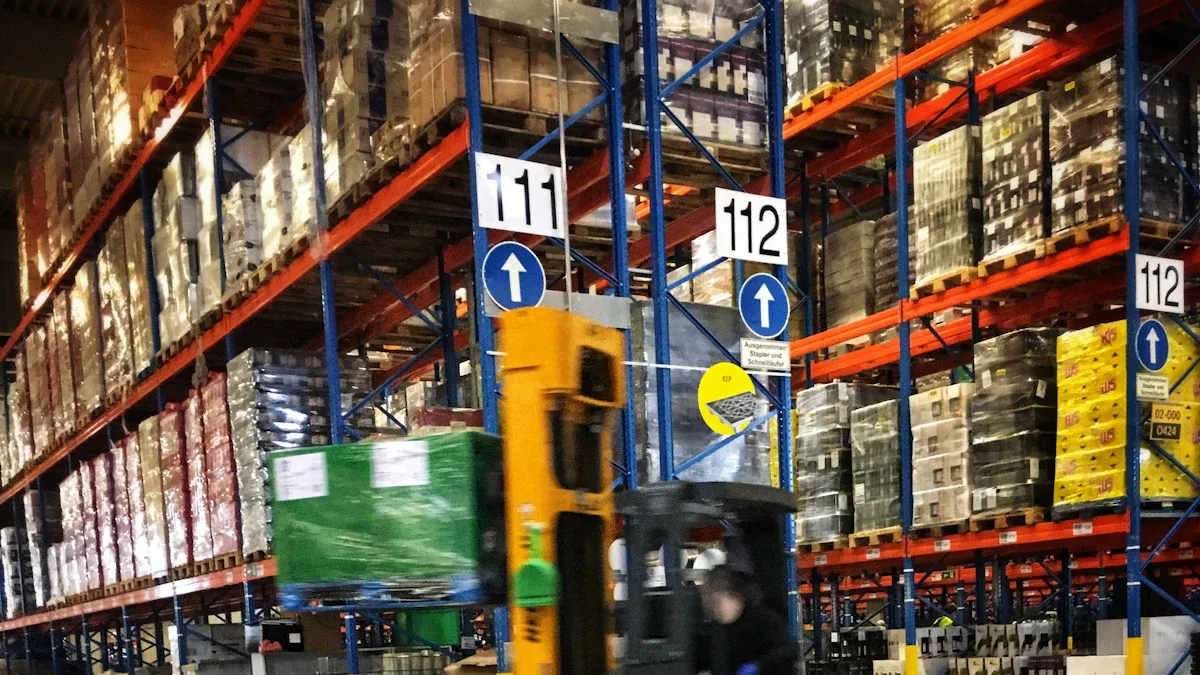
Traceability works best when it becomes part of the normal routine. It should not be a separate extra step. A smart warehouse builds accountability into every pickup. The worker does not have to think about following the rules. The system takes care of it. This approach turns traceability from a heavy task into something that just happens in the background.
From Manual Signatures to Seamless Accountability
The old way needed paperwork at every step. A worker filled out a form. A supervisor signed it. Someone put the document in a file. That paper trail could break at any point. A missing signature or a lost form created a gap. Auditors would find those gaps later.
The new way flips this model. The act of taking an item creates the record. A worker enters the warehouse. Facial recognition confirms who they are. AI vision identifies the item. Shelf sensors confirm the quantity. The system logs the transaction on its own. No form exists to lose. No signature exists to forget.
This change matters for regulated industries. Manufacturers in FDA-regulated environments must follow standards like 21 CFR Part 820 and ISO 13485. These rules require control over processes and records that support product quality. Machine vision systems check that components are present, read barcodes, and confirm label accuracy. Every inspection result links to a specific product. That creates a permanent quality record. Automated inspection uses the same rules for every item, every time. This makes audits easier and keeps data accurate.
Reducing Administrative Work While Maintaining Compliance
Automation does not make accountability weaker. It makes accountability stronger. Manual systems depend on human memory and self-control. Automated systems depend on sensors and software. The second approach produces fewer mistakes.
Connecting with ERPs and financial systems adds to this benefit. Every withdrawal syncs with material management platforms. Costs go to the correct department budget. Inventory counts update in real time. A warehouse management system stores each transaction for instant retrieval. When an auditor asks for documentation, the complete record appears in seconds.
Traceability systems also help with raw material tracking and watching the production process. They capture supplier identities, batch numbers, and equipment used at each stage. This detail helps teams find defects and show compliance during audits. Standards such as GS1 EPCIS allow efficient data exchange across partners and platforms.
Validation planning matters for regulated manufacturers. Installation Qualification, Operational Qualification, and Performance Qualification add scope to any automation project. Teams that plan for these requirements early avoid delays and extra costs. This proactive approach supports GMP compliance and medical device compliance goals.
The warehouse becomes a self-documenting environment. Every action creates a record. Every record supports compliance. Workers gain speed. Managers gain visibility. Auditors gain confidence. The system delivers all three without adding administrative work. That combination drives real efficiency across the factory floor.
The supply room records everything on its own. Each time a worker takes an item, a record is made. The factory gets better tracking without extra work. Teams stay in control and have less paperwork.
Factories can change how their supply rooms work. These smart warehouse systems use AI to make picking and packing more accurate. The warehouse uses data that works with current software and systems. Orders are filled faster, and work gets done faster on the factory floor.
If taking an item made its own record, how much time could your team save for better work?
Book a demo at [calendar link]. Email jefffeng@cloudpick.me. Visit www.cloudpick.ai.
FAQ
How does a smart warehouse system know who takes an item?
Facial recognition checks each worker at the door. AI vision then finds the material, and shelf sensors measure the weight change. The warehouse ties every pickup to a person, a time, and a part. No badge or signature is needed.
Does automation make the supply room less accountable?
No. Automated records are stronger than paper logs. Taking an item creates the entry all by itself. Managers see what happens in real time, and auditors can pull a full history in seconds instead of days.
Can this warehouse software link up with existing ERP and finance platforms?
Yes. The system syncs each transaction with material management and financial platforms. Costs go to the right department budget, and inventory counts update in real time. This link removes manual entry and keeps records clean.
How accurate is AI vision in a busy factory supply room?
Cloudpick reports 99%+ recognition accuracy with its combined approach of facial recognition, machine vision, and shelf sensors. The warehouse tracks stock all day and night. Teams spend less time counting and more time on production.
What results can factory teams expect from this approach?
Workers finish a withdrawal in about 10 seconds. Paper forms and multi-level approvals go away. Picking and packing run faster, fulfillment gets better, and data flows to back-office systems without extra work.
See Also
Boosting Staff Efficiency In Small Offices Using Intelligent Vending Machines
Exploring Features And Advantages Of AI Combo Vending For Retail
Ways Artificial Intelligence E-Commerce Tools Revolutionize Managing Online Stores
Reasons Why Stores Powered By Artificial Intelligence Represent Tomorrow
How Smart Electronic Vending Machines Are Transforming The Retail Industry
