Who Restocks, Cleans, and Maintains a Cashierless Store?

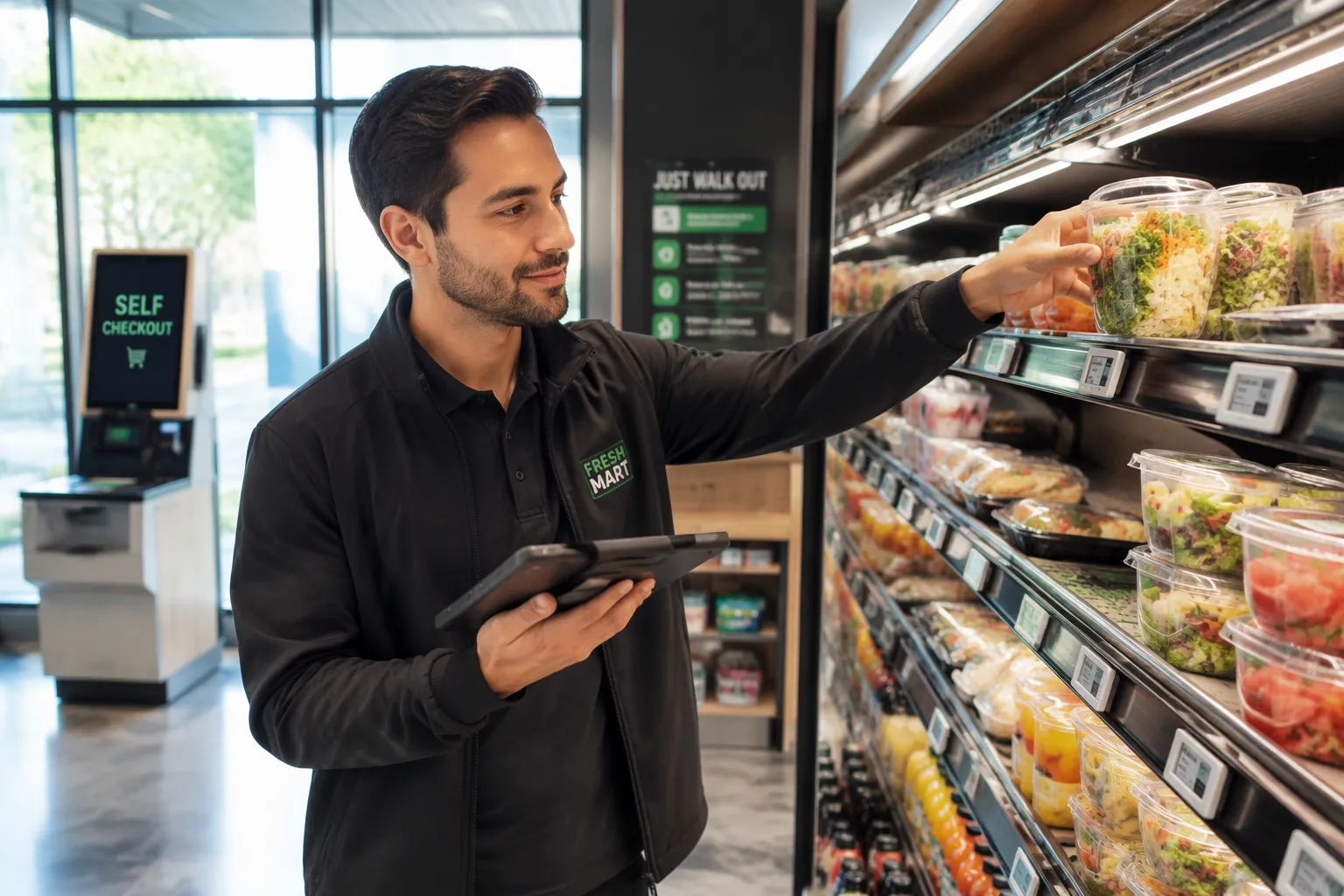
Restocking, cleaning, and upkeep in a cashierless store come from a mix of automated systems, dedicated staff, and outside services. No cashier does these jobs, because the format has no cashiers at all. People often ask who restocks a store without checkout lanes, and the answer surprises them. Cashierless does not mean staffless. Cloudpick builds AI-powered unmanned retail solutions that keep these daily operations running with little on-site labor. Sensors track products, software flags low shelves, and workers or partners do the physical tasks. The store still needs people. It simply uses them differently, with automation covering the repetitive work.
Key Takeaways
Cashierless stores still need workers to restock shelves, clean up, and fix things.
Automated systems keep track of inventory and let staff know when shelves need to be refilled.
Cleaning and upkeep happen on set schedules, and remote monitoring helps spot problems early.
Cloudpick's platform puts inventory, cleaning, and maintenance tasks together in one dashboard.
Stores use shopper data to change what they stock and how they arrange it to match what people want.
Who Restocks a Cashierless Store?
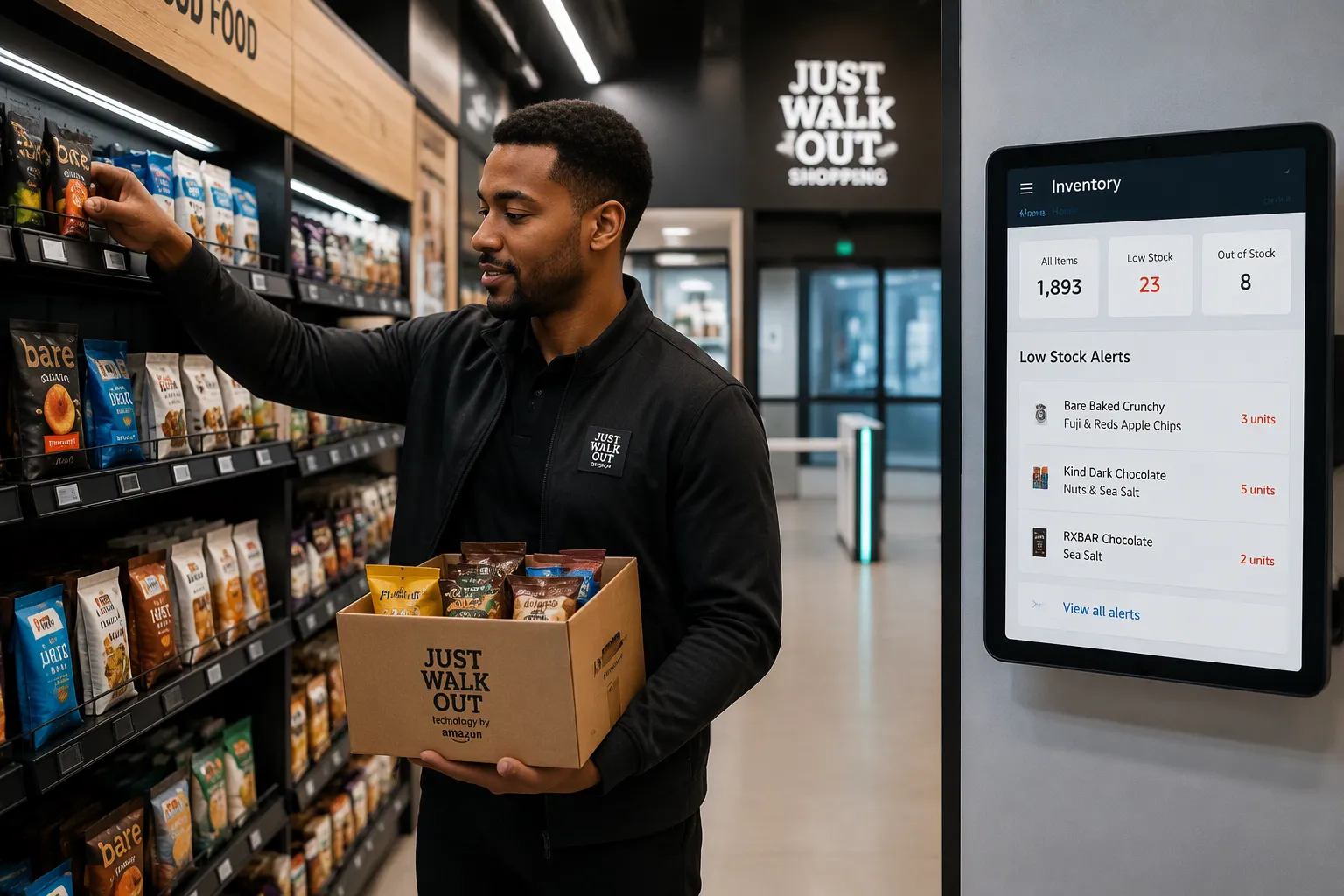
In most cashierless stores, people still do the restocking. Amazon opened a cashierless store and still needed about 1,000 workers to run it. That number shows that human workers are still needed for restocking, cleaning, and upkeep. The question of who restocks a cashierless store has a simple answer. Automation points out what is needed, and people do the physical work. The store depends on a team effort between software and staff.
Automated Inventory Tracking
Cloudpick's Smart Store Management System (SaaS) uses shopper data and inventory signals to point out low stock. The platform watches what shoppers buy and how fast shelves empty. Then it warns the team before a product runs out. This method cuts down on manual counting and frees staff for other jobs. The system also improves the product mix. It studies buying patterns and suggests which items should get more shelf space. Store managers see the data in one place. They can change orders and layouts without walking every aisle. Inventory signals come from several sources. Weight sensors notice when a shelf gets lighter. Purchase records show which items sell fastest. The software combines these inputs into a clear picture of store health. A manager opens a dashboard and sees which products need attention first. The dashboard also tracks trends over time. A manager can compare this week to last week and spot slow-moving items. That insight helps the team order smarter and avoid waste. Automated tracking does not replace people. It tells them where to focus. The same logic answers part of the question of who restocks a cashierless store. Software does the watching, and humans handle the shelves.
Staff and Partner Restocking
Dedicated staff or third-party partners physically restock shelves. The division of labor is simple. Automated tracking flags needs, and workers move the goods. Some stores keep a small team on site for this task. Others hire distribution partners who visit on a schedule to do the work. Partners get the same inventory alerts as store managers. They plan deliveries around real demand instead of guesswork. Third-party partners often serve several stores in one area. They combine deliveries and cut down on travel time. Store staff focus on helping customers and keeping things clean while partners handle the heavy lifting. Retailers like Sam's Club, Giant Eagle, 7-Eleven, and Lawson are exploring cashierless systems. They still depend on personnel for stocking. These chains test the technology in select locations and keep workers involved. The pattern repeats across the industry. Automation handles data, and people handle products. A worker arrives with a cart, checks the screen, and fills the gaps. The task takes less time because the list is precise. Anyone asking who restocks a cashierless store will find the same answer in each case. A trained worker with a cart, guided by a screen.
The restocking model also scales well. A single worker can cover more shelves when software points to the exact gaps. Partners can plan routes around real demand instead of fixed schedules. This mix of automation and human labor keeps shelves full without the cost of a traditional checkout team. The result is a store that stays stocked, clean, and ready for shoppers around the clock.
Who Cleans a Cashierless Store?
Cleaning is still a human job in every cashierless store. Employees or cleaning services take care of floors, shelves, glass, and touchpoints. Amazon Go, Amazon Fresh, and Amazon Style all work without checkout lanes. Each one still needs workers to keep the store in shape. The technology removes the register, not the mop. Shoppers see clean aisles and full shelves, and someone has to make that happen. Most operators plan cleaning around busy times. A team might deep-clean before opening and touch up during quiet hours. Contracted services often handle nightly work, while on-site staff deal with spills and quick fixes during the day. The split depends on store size and location. A busy transit hub needs more frequent care than a quiet office lobby. Either way, a real person does the work.
Daily Cleaning by Staff
Cloudpick's AI-Powered Unmanned Store runs 24/7 with very little human help. That design puts cleaning into scheduled windows instead of constant staffing. The store runs on its own through the night. A cleaning crew comes in the morning, follows a fixed checklist, and leaves before the lunch rush. Staff spend their time cleaning and helping customers instead of standing at a register. This schedule works for operators who want round-the-clock access without paying for a full overnight team. The store stays open, and the cleaning still gets done.
Smart Tools That Reduce Cleaning Load
Smaller store formats make the cleaning job itself smaller. The Computer Vision Coolbinet is a mini AI unmanned store built for purchases within the last 10 meters. Its small size takes only minutes to wipe down. The mobile Moby Mart sets up quickly outdoors, and its compact size makes daily upkeep fast. Fewer square feet mean fewer surfaces, shorter routes, and less time per visit. A cleaning crew can service several small units in the time a full store would take. Cloudpick's smart store tools support this lighter routine. Smaller formats turn cleaning from a long shift into a short, repeatable task.
Who Maintains the Systems?
Equipment needs attention long after the store first opens. Sensors can drift, coolers run in cycles, and self-checkout cameras gather dust. Cloudpick's Smart Store Management System lets operators control the store from a distance. Many repair problems are found and fixed without going to the store. A technician can check sensor readings from a laptop. Then they confirm whether a cooler is failing or a camera has gone offline. This remote-first method lowers operating costs. It also reduces downtime, because a fix can begin before anyone drives to the site.
Remote Monitoring and Support
Cloudpick's multi-dimensional sensor technology and digital twin reconstruction are the base of remote maintenance. The sensors watch shelves, products, and equipment all day and night. The digital twin rebuilds the store as a live virtual model. Support teams compare the model with real readings and catch problems early. A weight sensor that shows strange values, or a camera that loses its view, appears as an alert. Remote staff then guide the repair or send help. Cloudpick's size supports this model well. The company serves 100+ clients across 30 countries and powers 200+ smart stores worldwide. A core team of senior scientists from Silicon Valley and top internet companies built the technology behind these tools.
On-Site Service Partners
Some jobs still need people at the store. Service partners or trained staff handle hardware like sensors, coolers, and self-checkout equipment. They replace a worn camera lens, service a cooling unit, or recalibrate a scale. Remote teams send a clear work order with the exact fault and location. The partner arrives with the right part and finishes the job faster. This split keeps costs down. Remote monitoring catches most issues early, and on-site visits stay short and focused. Stores keep running while the work gets done.
How Cloudpick Coordinates It All
Cloudpick serves as the connecting layer for the entire store. Its product suite includes four tools. The AI-Powered Unmanned Store handles automated checkout and runs around the clock. The Smart Store Management System lets operators control things remotely through a SaaS platform. The Computer Vision Coolbinet is a small mini AI unmanned store for purchases within the last 10 meters. The mobile Moby Mart sets up fast in outdoor locations. Together these products work well in transportation hubs like railways, highways, and airports. They also fit cultural and tourism spots such as hotels, scenic areas, and sports stadiums. Corporate and industrial parks, hospitals, factories, and research institutes complete the list. One vendor covers the hardware, the software, and the support behind every site.
One Platform for Daily Operations
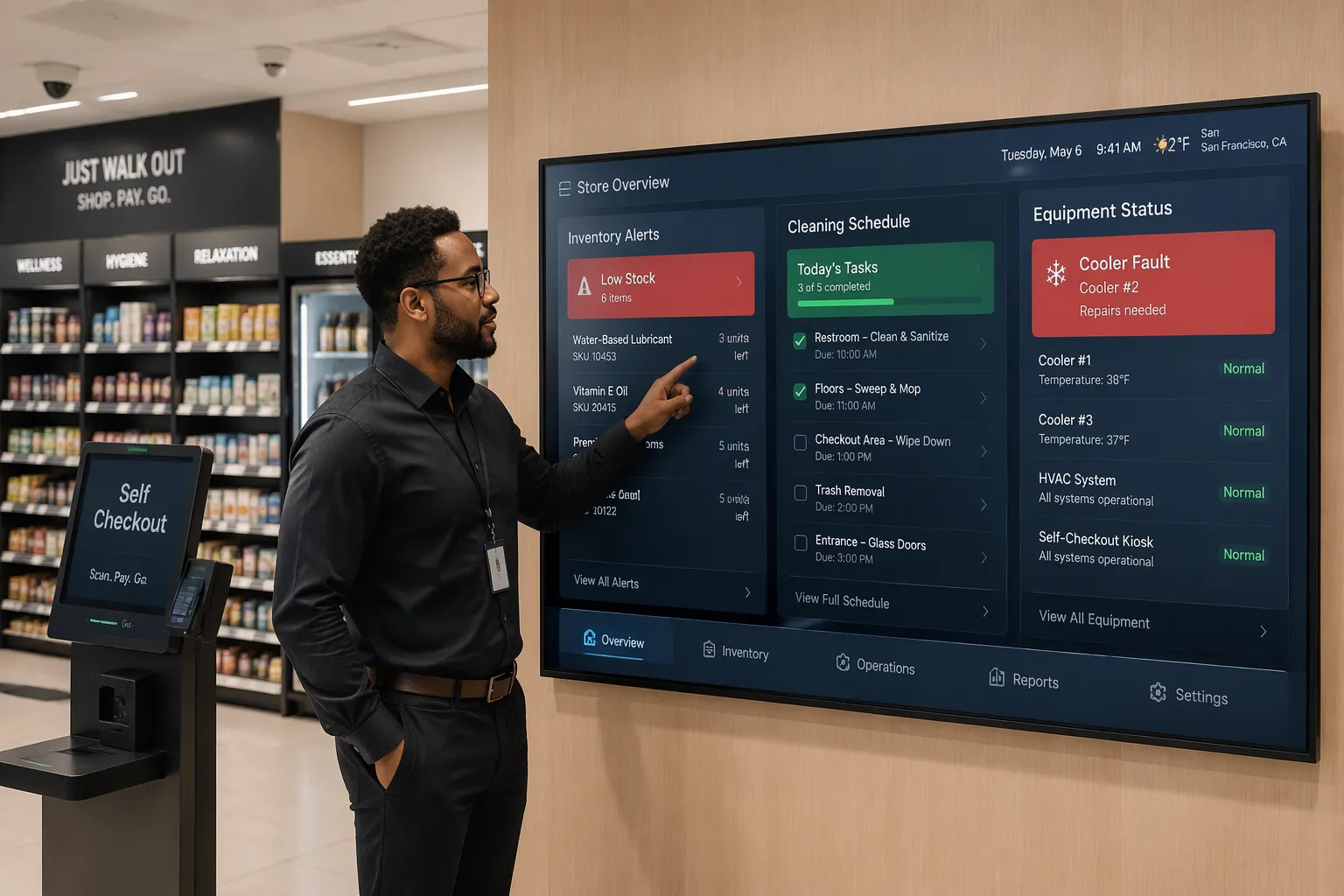
A single platform brings restocking, cleaning schedules, and maintenance into one workflow. Store managers see inventory alerts, cleaning windows, and equipment status on the same dashboard. A low-stock flag and a cooler fault show up side by side. The team plans the day from one screen instead of juggling separate systems. This setup replaces repetitive labor with AI and boosts employee efficiency. Staff spend their hours on shelves and shoppers, not on clipboards and count sheets. Cloudpick's technology serves 100+ clients across 30 countries and powers 200+ smart stores worldwide. A core team of senior scientists from Silicon Valley and top internet companies built the foundation for this coordination.
Data That Keeps Stores Running
Consumer data guides the daily decisions inside each store. The platform studies buying patterns and uses them to improve store layout and product mix. Fast-moving items get more shelf space. Slow sellers shrink or rotate out. Layout changes follow the same evidence, so high-demand products sit where shoppers reach them first. This approach drives sales growth and eases the operational burden on staff. Workers restock a store shaped by real demand, not guesswork. Cloudpick's model does not remove people from retail. It moves them toward higher-value tasks and delivers worry-free operation for operators. Staffed formats and other vendors still have their place. Cloudpick simply gives each store a coordinating layer that keeps every task on schedule.
Cashierless stores still need people. Amazon's cashierless format needed about 1,000 workers, and that number settles the debate. Automated systems flag low stock, while employees and third-party partners handle the shelves. Cleaning and maintenance follow the same shared model. Cloudpick ties these tasks together with its AI-Powered Unmanned Store and its Smart Store Management System. Consumer data also shapes layout and product mix. The result is a model that scales across 200+ smart stores worldwide without inflating labor costs. Anyone who asks who restocks a cashierless store will find the same answer: software watches, people act. Cashierless retail upgrades operations. It does not remove the team.
FAQ
Do cashierless stores still hire people?
Yes. Cashierless formats remove the checkout lane, not the workforce. Amazon needed about 1,000 people to run its cashierless store. Workers restock shelves, clean the space, and service equipment. Cloudpick's systems handle the repetitive tracking work so those employees can focus on physical tasks.
How does a store know when a shelf is empty?
Sensors and purchase records work together. Weight sensors notice when a shelf gets lighter, and sales data shows which items move fastest. Cloudpick's Smart Store Management System combines these signals and sends an alert. A worker then refills the exact gap instead of counting every product by hand.
Can one person run a cashierless store alone?
Not entirely. One person can cover more ground because software points to the exact tasks. Restocking, cleaning, and repairs still take hands. Many operators split the work between a small on-site team and outside partners. Cloudpick's remote tools cut the number of trips a technician must make.
What happens when a sensor or cooler breaks?
Remote teams catch most faults first. Cloudpick's digital twin rebuilds the store as a live virtual model, so support staff compare real readings against it and spot problems early. A service partner then visits with the right part. On-site visits stay short and focused.
Is a cashierless store cheaper to run?
It can be, mainly because automation replaces repetitive counting and monitoring. Labor does not disappear. It shifts toward stocking, cleaning, and service work. Cloudpick's platform supports 200+ smart stores worldwide, and operators use its data to plan staffing around real demand rather than fixed schedules.
See Also
Cloudpick Delivers Cashierless Shopping Convenience to Your Retail Store
Walgreens Self-Checkout Explored: Retail Convenience and Challenges Combined
Micromarkets Versus Smart Stores: Automated Convenience Retail Worldwide Explained
