Airport Passenger Experience Improvement through Frictionless Checkout Systems

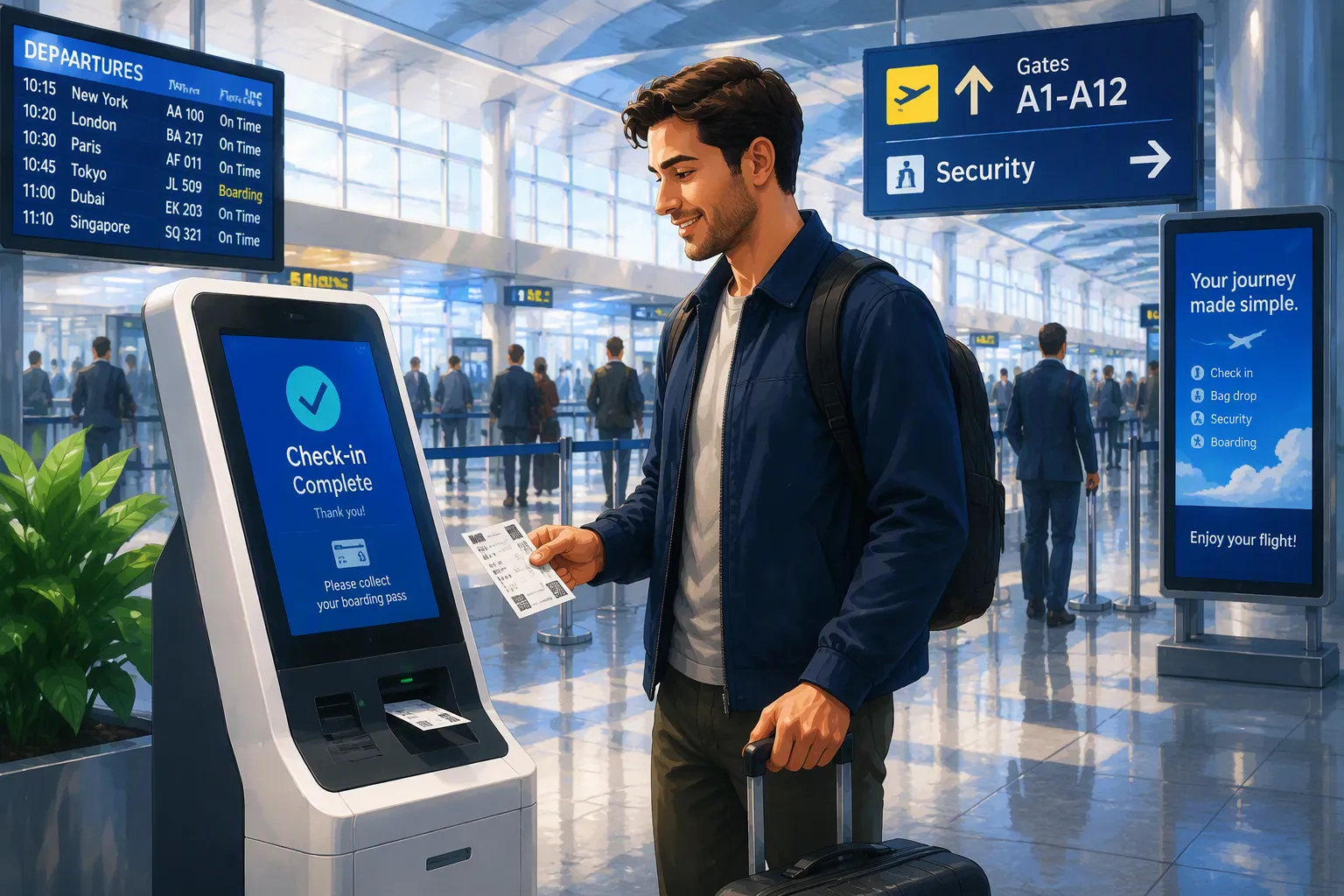
You know the stress of airport travel. Long lines at security, baggage drop, and retail stores eat your time and patience. This frictionless checkout revolution changes that reality. Airports using these systems report dramatic wait time reductions, directly improving passenger experience.
Airport | Wait Time Reduction |
|---|---|
Dallas/Fort Worth | 70% |
Los Angeles International | 65% |
This technology removes pain points from your passenger journey. You skip queues, pay instantly, and move freely. The shopping experience becomes seamless, turning idle minutes into productive ones. Such improvements are central to improving passenger experience while boosting airport revenue.
Implementing frictionless checkout transforms every touchpoint of your trip. This article explores practical strategies for airports to adopt these systems, creating a smoother, more enjoyable travel experience for you.
Key Takeaways
Frictionless checkout can reduce airport wait times by as much as 70%.
Biometrics and sensors let you skip lines and pay automatically.
Airports see more sales and happier passengers with this technology.
Privacy laws keep your personal information safe in frictionless systems.
AI predicts busy times to keep your trip smooth.
Defining Frictionless Checkout in Airports
Frictionless checkout removes every barrier between you and your purchase. You walk in, grab what you need, and walk out. No cashier. No scanner. No waiting. This system transforms the entire airport experience from start to finish.
Differences from Traditional Processes
Traditional airport processes demand your active participation at every step. You wait in line at check-in, present documents, and receive boarding passes. Security requires you to queue, remove items, and wait for screening. Retail stores force you to wait for a cashier, scan each item, and complete a payment transaction.
Frictionless checkout changes each of these interactions. You approach a biometric scanner at check-in, and the system identifies you instantly. Your baggage drop becomes a simple self-serve process. At retail stores, you grab items and leave. Sensors track your selections automatically, and the system charges your account as you exit.
The performance difference is striking. Legacy airport stores convert only 15–20 percent of daily foot traffic into actual purchases. Autonomous stores convert 45–60 percent. Average checkout time drops from 75 seconds to zero. Peak hours sales volume triples compared to traditional cash-register stores.
Performance Metric: Frictionless operators boost customer throughput by over 200 percent compared to traditional cash-register stores.
Core Technologies for Frictionless Systems
Several technologies work together to create this seamless experience. Biometrics use your face or fingerprints for identification. Self-serve kiosks let you handle check-in and bag drops independently. Mobile payments enable instant transactions from your phone. AI systems track inventory and predict what you might want.
These technologies form the backbone of digital transformation in airports. Each component serves a specific purpose. Biometrics verify your identity. Self-serve kiosks reduce staff workload. Mobile payments eliminate physical wallets. AI analyzes shopping patterns to personalize offers.
This checkout technology integrates into every part of your passenger journey. You move through security without stopping. You shop without queuing. You board without document checks. The entire travel experience becomes fluid and stress-free.
The transformation requires careful planning. Airports must install sensors, train staff, and update software. But the payoff is substantial. This checkout technology reduces operational costs while improving passenger satisfaction. The frictionless approach represents the future of airport retail and processing.
Key Benefits: Improving Passenger Experience and Operational Efficiency
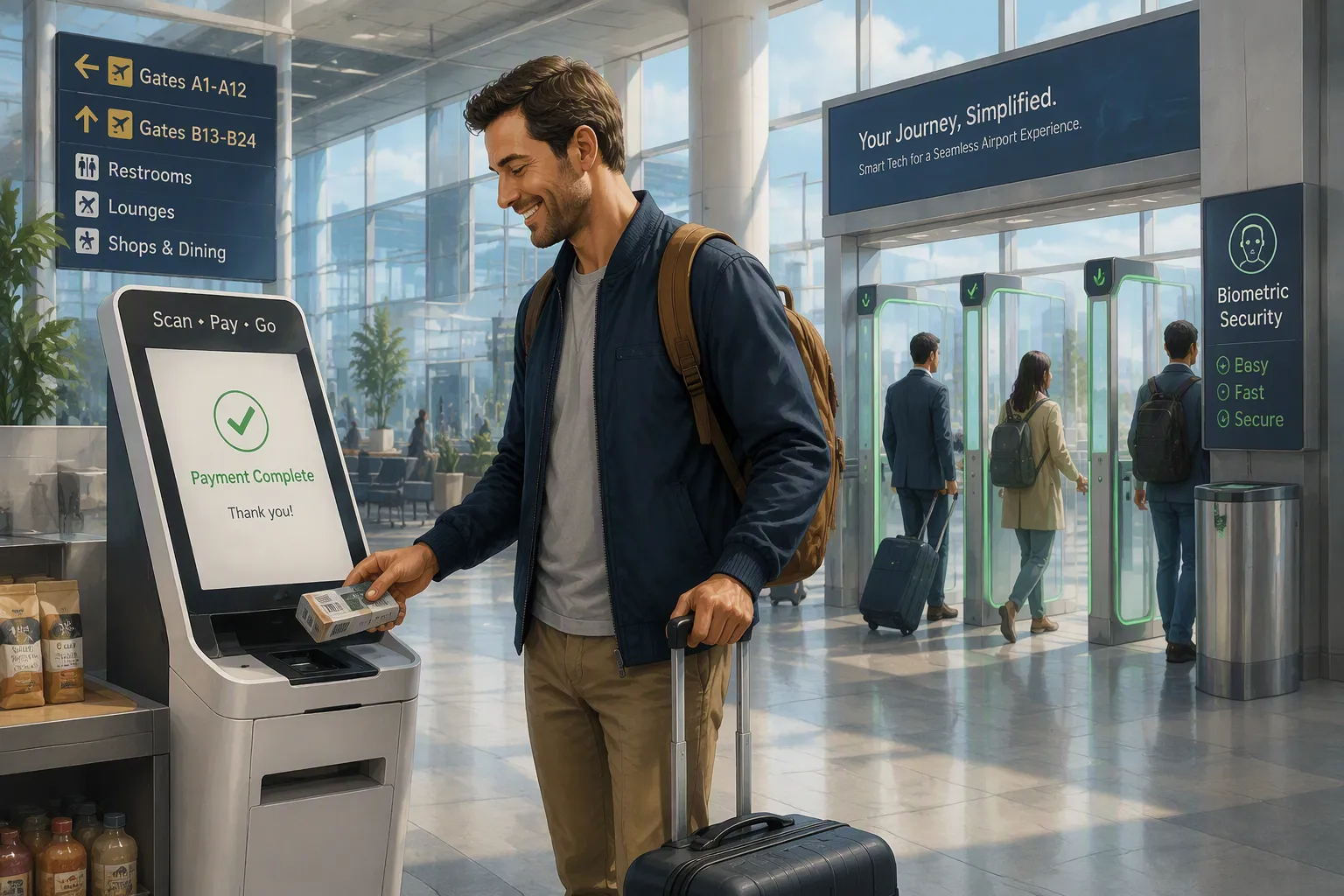
Frictionless checkout makes your airport trip clearly better. It removes annoying problems like long lines and slow payments. You wait less and head to your gate sooner. This change makes every trip more satisfying.
Reducing Wait Times and Stress
Long lines cause stress. You watch the clock, worry about missing your flight, and lose patience. Frictionless checkout removes these anxious moments. You pass through checkpoints without stopping. You buy things without waiting for a cashier. Everything flows smoothly from start to finish.
Real results show this effect. Orlando International Airport used biometric screening and cut average checkpoint waits by 65%. That means real travelers faced shorter lines and calmer trips. You get the same benefit when airports use this tech.
Stress relief goes beyond security. Regular stores make you queue, wait, and finish slow purchases. Frictionless checkout removes those barriers completely. You pick items, walk out, and get charged automatically. Faster shopping gives you more control over your time.
This tech also lightens your mental load. You no longer juggle boarding passes, payment cards, and ID. Biometrics check who you are automatically. Mobile payments handle transactions instantly. Your trip becomes simpler and easier to follow.
Boosting Efficiency and Revenue
Frictionless checkout turns more passengers into shoppers. Regular airport stores catch only a small share of foot traffic. Long lines stop people from buying. Slow payments waste precious time. Frictionless systems change this completely.
You are more likely to shop when stores feel effortless. The checkout tech removes the biggest barrier between you and a purchase. You see an item, grab it, and leave. No waiting. No hassle. This ease boosts your shopping and grows airport income.
Airports earn more from each passenger. When you save time at security and check-in, you have extra time for stores. The efficiency gains create a good cycle. You feel less rushed, so you look around more. You look more, so you buy more. This helps both your experience and airport profits.
The benefits go beyond retail. Frictionless systems cut staffing needs at regular checkpoints. Self-service kiosks handle simple tasks. Biometric scanners process travelers faster than manual checks. These gains lower costs while improving service.
Digital transformation brings this double benefit. Airports using frictionless checkout see gains in both passenger happiness and business results. The systems pay for themselves through more revenue and lower labor costs. You face shorter waits, and airports see higher profits.
Your experience improves because every step becomes faster and simpler. You move through your trip with confidence. You know what to expect at each point. This predictability lowers stress and raises satisfaction. The airport feels efficient, not frustrating.
Frictionless checkout is a win-win. You gain time, ease, and calm. Airports gain revenue, efficiency, and happy customers. This shared benefit drives more airports to adopt it. Your next trip could include these smooth systems everywhere.
Frictionless Checkout at Critical Touchpoints
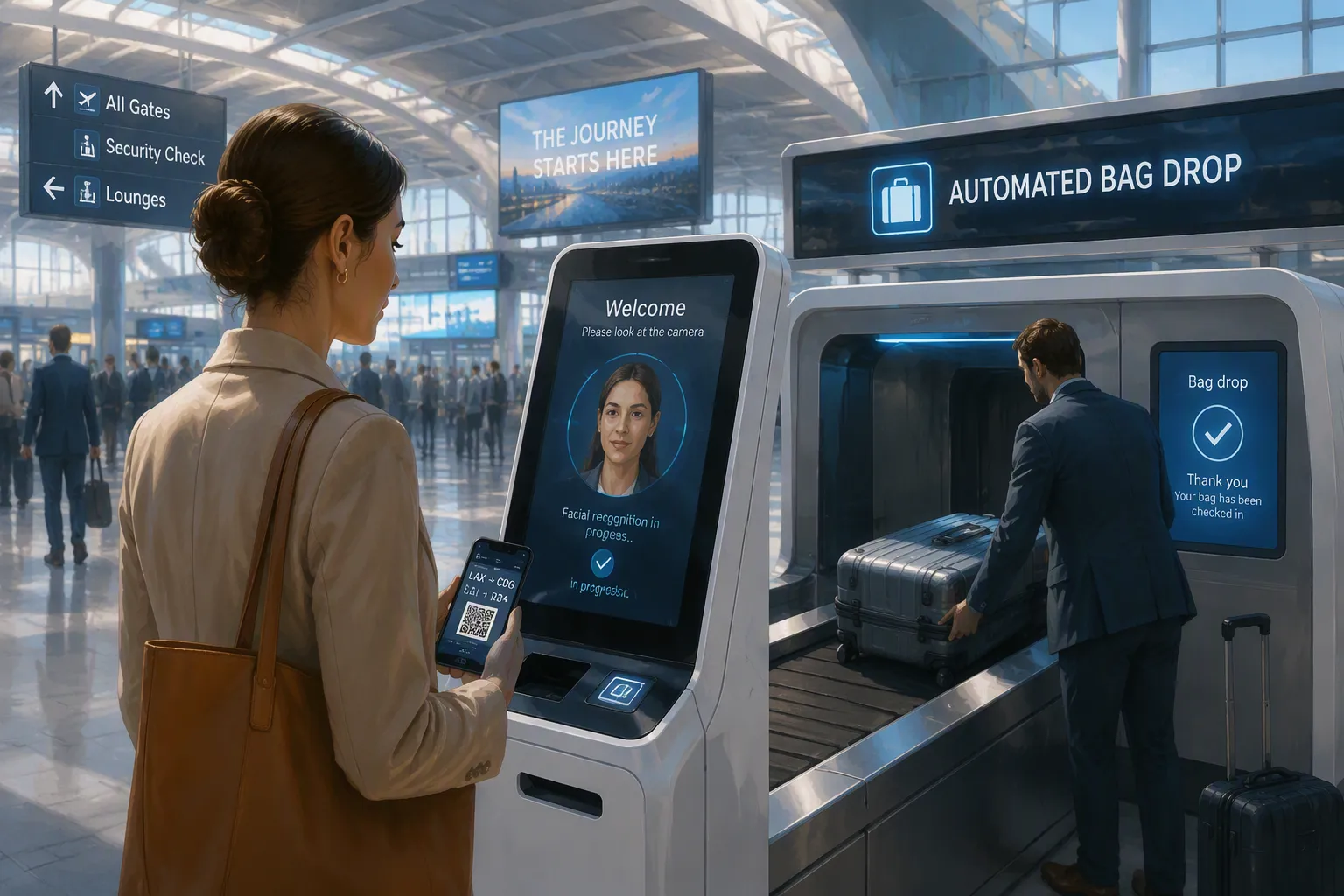
Your airport trip has several key moments. Each one can make your experience better. Frictionless checkout turns these touchpoints into fast, smooth actions. The secret is connecting them into one system. When check-in, baggage, security, and retail all work together, your trip feels truly seamless. You move through the airport without doing any step twice.
Seamless Check-In and Baggage Drop
Check-in starts your travel. Old counters make you wait in line, show documents, and get boarding passes. Frictionless checkout changes this completely. You walk up to a self-service kiosk, scan your face, and the system knows who you are. Your boarding pass shows up on your phone. No waiting. No paper. The whole thing takes less than a minute.
Baggage drop works the same way. Instead of standing in line for an agent, you use automated machines. Qantas does this on a large scale. The airline has 80 Auto Bag Drop machines across six Australian airports. Those airports are:
Sydney
Melbourne
Brisbane
Perth
Canberra
Adelaide
You go to the machine, prove who you are, and put your bag on the belt. The system prints a tag and sends your luggage away. The whole process takes seconds. This checkout technology removes the longest lines at the airport. You save important time before your flight.
The real power comes from linking everything together. These systems share data with security, boarding, and retail. Your identity moves through each checkpoint on its own. You never show your passport again after check-in. This checkout technology makes your trip feel easy. The connected experience cuts your stress a lot. You focus on your journey instead of paperwork.
Biometrics and Pre-Clearance Screening
Security screening causes the most stress in your trip. Long lines, ID checks, and slow processing frustrate thousands of travelers every day. Frictionless checkout technology fixes this problem directly. Biometric systems identify you using facial recognition, so they replace manual ID checks.
These systems are very accurate. The Department of Homeland Security wants a 96% True Accept Rate for facial recognition at screening points. That means the system correctly identifies 24 out of every 25 travelers. Only one in twenty-five gets a false rejection. This 4% rate keeps getting better as technology improves. Each software update cuts down errors more.
Pre-clearance screening takes this a step further. You finish security checks before you get to the airport. Biometric verification confirms your identity on its own. You walk through a special lane without stopping. This frictionless approach saves you a lot of time. The whole process becomes smooth when these systems connect. You reach your gate with less stress.
Biometrics at check-in link to security screening. The same system checks you at boarding gates. You never repeat identification steps. This unified approach lowers stress and speeds up your trip. This change depends on strong data sharing between airport systems, airlines, and security agencies.
Airports must connect check-in kiosks, baggage systems, security databases, and boarding gates. When all these systems talk to each other, your identity flows smoothly. You move through the terminal without stopping. The digital transformation of airport infrastructure makes this possible.
Many airports now test these connected systems. Every passenger benefits from faster processing. The frictionless checkout design cuts waiting at every step. You experience a smooth flow from curb to gate. This checkout revolution changes how you think about airport travel.
Early results show passenger satisfaction scores rising. You spend less time waiting and more time enjoying your trip. The checkout process becomes invisible. You move through your journey without interruption. The airport becomes a place of calm efficiency instead of frustration.
Transforming Retail and Dining Experiences
Retail and dining touchpoints shape your overall airport experience. Traditional stores force you to queue, wait for service, and complete slow transactions. Frictionless checkout removes these barriers entirely. You walk in, select items, and leave without stopping. The system tracks your selections automatically and charges your account as you exit. This transformation turns shopping from a chore into a quick, pleasant pause during your passenger journey.
Grab-and-Go Stores and Payment Kiosks
Grab-and-go stores show frictionless checkout best. You enter, pick snacks or reading material, and walk out. Sensors and cameras track every item you take. The system charges your payment method on file. No cashier. No scanner. No waiting. This checkout technology gives you full control over your time.
Automated payment kiosks help passengers who like a more traditional way. You scan items, tap your phone, and finish in seconds. These kiosks handle busy times without creating backups. You never wait behind a long line of frustrated travelers. The frictionless design keeps foot traffic moving smoothly through the terminal.
This checkout approach delivers clear results. Autonomous stores turn 45–60 percent of daily foot traffic into purchases. Traditional airport stores turn only 15–20 percent. You are far more likely to buy when the process feels easy. The shopping experience becomes part of your journey, not a break from it.
Personalized Offers via Mobile
Mobile integration takes frictionless checkout further. Your phone becomes the main hub for your whole airport experience. The system learns your likes from past purchases and travel patterns. It sends personalized offers to your device as you walk past relevant stores. You get a discount on your favorite coffee brand or a deal on a book you might enjoy.
These targeted promotions boost retail revenue while improving your experience. You feel valued as a passenger, not just processed as a number. The checkout technology links your identity, location, and purchase history into one smooth profile. This digital transformation creates a shopping experience made just for you.
The benefits go beyond single purchases. Airports gain useful insights into passenger behavior through these connected systems. They see which offers work and which stores need changes. You get more relevant suggestions over time. The whole airport becomes more responsive to your needs.
This frictionless approach to retail and dining is the future of airport commerce. You move through your journey with ease, stopping only when something truly interests you. The airport changes from a place of waiting into a space of opportunity. Your travel becomes smoother, your shopping more fun, and your overall experience much better.
Overcoming Implementation Challenges
Adopting frictionless checkout brings real hurdles. You must address privacy concerns and upgrade old systems. These challenges require careful planning. Yet airports that solve them gain a smoother passenger journey and stronger operations.
Data Privacy and Security
Biometric data powers frictionless checkout. You share your face or fingerprints at checkpoints. This sensitive information demands strong protection. Different regions enforce different rules. You need to know which laws apply to your airport.
Jurisdiction | Key Regulation | Relevance to Airport Biometric Data |
|---|---|---|
State (e.g., Illinois) | Illinois Biometric Information Privacy Act (BIPA) | Most comprehensive state law; includes private right of action, provisions on collection, retention, use, disclosure, and destruction of biometric information. |
State (Texas, Washington) | Texas and Washington biometric laws | Broader than BIPA; do not provide a private right of action. |
Federal (U.S.) | Privacy Act of 1974 | Applies to federal agencies; requires notice, access, correction, and protection against unauthorized disclosure; airports partnering with federal agencies must comply via agreements and SORNs. |
International (EU) | General Data Protection Regulation (GDPR) | Comprehensive regulation applying to government and private use; establishes individual rights, consent requirements, and accountability/security measures by design and default. |
Industry Standard | Fair Information Practice Principles (FIPPs) | Cornerstone of privacy regulation; includes principles like minimization, transparency, individual participation, and security; referenced by federal agencies in PIAs and SORNs. |
You must design your checkout technology with these rules in mind. Secure data handling becomes your top priority. You should encrypt biometric templates and limit access. You also need clear consent processes for passengers. Transparency builds trust in your frictionless systems.
Infrastructure and Legacy System Integration
Old airport systems create another obstacle. Many terminals run on outdated software. These legacy systems lack the capacity for modern checkout technology. You face the challenge of connecting new sensors with old databases. This integration takes time and money.
You can start with pilot programs. Test frictionless checkout in one terminal or store. Measure results before expanding. This approach reduces risk and builds confidence. You also gain useful data about what works.
Customer journey analytics helps you identify friction points. You track where passengers wait longest. You see which processes cause frustration. This data guides your digital transformation priorities. You invest where improvements matter most.
The transformation requires collaboration. You must coordinate with airlines, security agencies, and retail partners. Each stakeholder controls part of the passenger journey. Working together creates a unified system. This cooperation makes your airport experience truly seamless.
The Road Ahead – Future Trends in Air Travel
The frictionless checkout revolution keeps growing. Future airports will link every part of your trip into one smooth system. You will move from train to terminal to gate without repeating steps. This vision builds directly on today's checkout technology.
Intermodal Connectivity and Smart Lounges
Intermodal connectivity connects your whole journey. You arrive by train, bus, or car. Your biometric identity moves automatically to the airport system. Your baggage follows you from the curb. You never check your identity or bags again. This frictionless approach removes extra steps from your travel.
Smart lounges extend this connected experience. You enter using facial recognition. Your preferences load right away. Staff know your drink order before you ask. The lounge adjusts lighting and temperature to your profile. This personalization makes your waiting time useful and enjoyable.
These systems share data across transport modes. Your train delay updates your airport pickup. Your flight change adjusts your ground transport. The entire passenger journey becomes coordinated. You face fewer surprises and smoother transitions.
Role of AI and Predictive Analytics
AI changes how airports predict your needs. Predictive analytics studies passenger flow patterns. The system forecasts busy periods before they happen. Airports place staff and open lanes accordingly. You face shorter lines even during peak travel times.
The results show clear gains. Airports using AI-based predictive analytics cut passenger wait times by up to 40%. Aircraft turnaround times drop by 15–20%. On-time performance improves by 10–15 percentage points. These numbers translate directly into a better experience for you.
Metric | Improvement |
|---|---|
Passenger wait time | Decreased by up to 40% |
Aircraft turnaround time | Reduced by 15–20% |
On-time performance | Improved by 10–15 percentage points |
Real deployments confirm these benefits. Airports using ApronAI reduced ground delays by 6% during 2023–2024. Rome Fiumicino Airport improved turnaround times by 4% despite handling more traffic. This checkout technology extends beyond retail into every airport operation.
AI also personalizes your journey in real time. The system learns your habits and preferences. It suggests faster routes through security. It recommends shops you might enjoy. It adjusts your boarding time based on current conditions. This digital transformation makes every trip feel tailored to you.
The transformation keeps speeding up. Each new deployment teaches the system more. Your passenger journey becomes more efficient with every update. The frictionless checkout model spreads to new touchpoints. You benefit from continuous improvement across the entire airport ecosystem.
Frictionless checkout transforms your airport visit. You save time, reduce stress, and enjoy a smoother shopping experience. This checkout technology also boosts commercial performance for airports. The real power comes from connecting every service into one unified system. Your passenger journey flows seamlessly when check-in, security, and retail share data.
This transformation benefits everyone. You move freely through terminals. Airports convert more foot traffic into revenue. The passenger experience improves dramatically with each connected touchpoint.
The future of air travel depends on this integration. Airport stakeholders should start piloting frictionless checkout solutions today. Test one terminal. Measure results. Expand what works. Your passengers deserve this improvement.
FAQ
How does frictionless checkout work at airports?
Frictionless checkout uses biometrics, sensors, and AI. You pick up items and leave. The system watches what you take and bills your account. This checkout technology gets rid of lines in your airport trip.
Is my biometric data safe?
Airports follow strict rules like GDPR and BIPA. They lock up your data and limit who can see it. You give clear permission first. This safety builds trust in frictionless checkout systems. Frictionless checkout keeps your private info secure throughout the airport.
How long does implementation take?
Most airports try small test programs first. They check one terminal at the start. Full change takes 12 to 24 months. Frictionless checkout lowers risk during the setup. Frictionless checkout also cuts staff costs. You see better results quickly as each part starts.
Can smaller airports benefit?
Yes. Frictionless checkout works for any size. Smaller airports need fewer workers. You get a smoother shopping trip. This technology makes the passenger experience better for everyone. Your journey becomes faster and nicer.
What changes for passengers?
You move through checkpoints without stopping. You shop without standing in lines. This frictionless way lowers stress. The whole airport feels more relaxed. Making the passenger experience better pushes airports to use these systems. Every traveler gets faster processing.
See Also
The Journey Of Self-Checkout From Past To Present
How To Resolve Cash Discrepancies At Self-Checkout Stations
Cloudpick's Checkout Computers Enhance Retail Experience And Accessibility
Balancing Convenience And Challenges In Walgreens Self-Checkout
