How to scale autonomous retail from one site to many in airports and transportation hubs

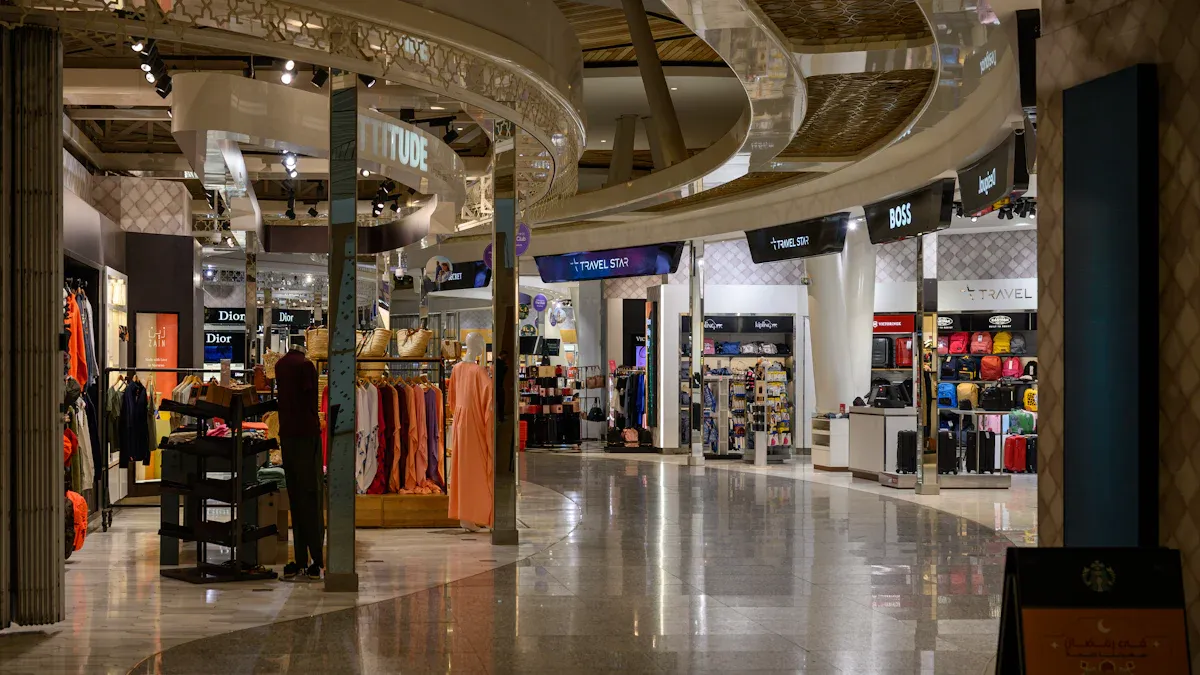
You want to scale autonomous retail across airport and transportation hubs. Airports stand out as high footfall locations, drawing travelers who value speed and convenience. High foot traffic in an airport means long waits at traditional checkouts, but autonomous stores cut the lines and boost satisfaction. Airports operate 24/7, so you can meet demand at any hour. Data shows autonomous stores in airports can deliver a 30% sales increase over traditional retail. Travelers in airports often seek seamless shopping, and tech-savvy customers notice the difference. The airport environment supports efficient location strategy and helps you scale autonomous retail beyond one site. As airports embrace connected infrastructure and smart city concepts, your location strategy benefits from multi-modal transportation access. Airports and transportation hubs offer the ideal foundation to scale autonomous retail, especially in high footfall locations.
Key Takeaways
Choose the right locations for autonomous retail to maximize foot traffic and sales potential.
Follow airport regulations and security guidelines to ensure smooth operations and avoid costly delays.
Understand customer demographics and traffic patterns to tailor your product offerings and store layout.
Utilize smart technology and data to enhance customer experiences and streamline operations.
Plan for maintenance and support to keep autonomous stores running efficiently across multiple locations.
Assessing Readiness to Scale Autonomous Retail
Site Selection and Location Analysis
You need a strong location strategy to scale autonomous retail in airports and transportation hubs. The right site can boost your retail footprint and help you reach more travelers. Airports offer unique opportunities because of high footfall and constant passenger flow. You should focus on metrics that reveal how people interact with retail spaces. These metrics help you decide where to expand your autonomous retail footprint.
Metric | Description |
|---|---|
Tracks the percentage of passengers who engage with retail spaces over time. | |
Dwell-weighted reach | Measures how long passengers spend in retail areas, influencing sales potential. |
Per-passing-passenger spend | Focuses on revenue generated per passenger who actually passes through the retail area. |
A strong location strategy uses these benchmarks to identify high-potential zones. You can compare different airport terminals or transportation hubs to find the best fit for your next autonomous store. When you analyze these metrics, you see where travelers spend the most time and money. This approach helps you scale autonomous retail with confidence.
Tip: Use real-time data from airport management systems to refine your location strategy and maximize your retail footprint.
Regulatory and Security Considerations
Every airport and transportation hub has strict rules. You must follow these regulations to operate autonomous retail stores. Security is a top priority in airports. You need to protect both your technology and your customers. Regulations like EASA Part-IS and TSA Security Directives set clear requirements for your operations.
Regulation | Requirements |
|---|---|
EASA Part-IS | Protect safety-critical systems, asset inventory, risk management, continuous monitoring, incident reporting |
TSA Security Directives | IT/OT segmentation, securing baggage systems, cybersecurity implementation plan, timely incident reporting |
You should build your location strategy around these rules. This ensures your autonomous retail stores run smoothly and safely. Following these guidelines also helps you avoid costly delays or shutdowns. You can work with airport authorities to stay updated on new security measures. This partnership supports your goal to scale autonomous retail across multiple hubs.
Customer Demographics and Traffic Patterns
Understanding who shops in airports helps you shape your location strategy. Airports attract many types of travelers. Each group has different needs and shopping habits. You should study customer demographics and traffic patterns to optimize your autonomous retail footprint.
Customer Demographic Profile | Traffic Pattern Insights |
|---|---|
Typically have 60 to 90 minutes of unstructured free time before boarding, creating opportunities for quick purchases. | |
Time-sensitive passengers | Demand for convenience drives the need for fast, accessible retail options. |
Health-conscious travelers | An estimated 35% increase in demand for healthy, fast options at airports. |
Business travelers often have extra time before flights. They look for quick and easy shopping experiences. Time-sensitive passengers want fast service and easy access. Health-conscious travelers seek fresh and healthy products. You can use this information to adjust your product mix and store layout. This approach makes your autonomous retail stores more appealing and efficient.
Note: Airports can boost operational efficiency by about 16% and cut wait times by up to 23% when they use advanced autonomous retail solutions. Customer satisfaction can rise by 8% above current numbers. Digital transformation unlocks even more growth opportunities for your retail footprint.
A well-planned location strategy, built on data and customer insights, helps you scale autonomous retail from one airport or transportation hub to many. You can meet the needs of every traveler and create a seamless shopping experience.
Building Connected Infrastructure for Autonomous Stores
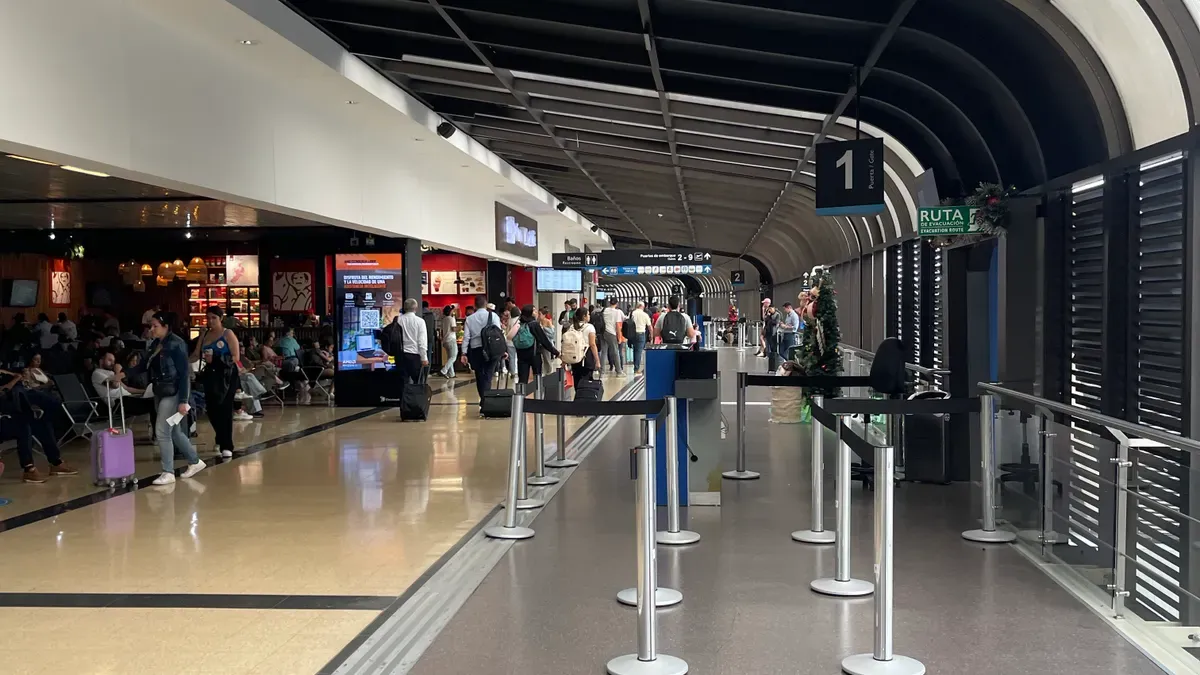
Smart City Integration in Airports
You need a strong foundation to scale autonomous stores in any airport or transportation hub. Smart city integration gives you this foundation. Airports now use advanced wireless communications, onboard computer processing, and vehicle sensors. These tools help you connect your autonomous stores to the larger airport network. GPS data and smart infrastructure, such as traffic signals and wayfinding devices, support real-time operations. You can use real-time travel information, smart parking, and interactive kiosks to guide travelers to your stores. Mobility-as-a-Service apps make it easy for customers to plan trips and pay for purchases. This connected approach creates a scalable solution for your retail expansion.
24/7 Operations and Efficiency
Autonomous stores in airports never close. You can serve travelers at any hour, even during off-peak times. This continuous operation lets you capture revenue when other stores cannot. You also reduce operational costs because you do not need staff around the clock. Autonomous technology helps you handle large crowds quickly. You meet changing consumer behaviors and keep your stores efficient. This model supports your revenue growth and makes your business more resilient in busy transportation environments.
Tip: Use data from airport systems to monitor store performance and adjust your operations for maximum efficiency.
Multi-Modal Transportation Access
Airports and transportation hubs connect many types of travel. You must understand how people move—by walking, biking, ridesharing, or using public transit. Location-based services data helps you track these patterns. Supply chains face challenges from underinvestment and rising demand. You need efficient logistics to keep your autonomous stores stocked. Multimodal visibility lets you monitor shipments across different transport modes. Advanced technology and data integration improve your operations and customer satisfaction. This approach ensures your stores stay accessible and ready for every traveler.
Optimizing Deployment and Operations
Rapid Rollout Strategies
You can achieve rapid deployment of autonomous retail across multiple airport sites by using proven strategies. Airports require smart planning and efficient execution. The following table shows key strategies and their benefits for airport deployment:
Strategy | Benefits |
|---|---|
Auto-Sim | Smarter ramp planning, simulation, and operational decisions |
Auto-Cargo | Transformation of cargo movements |
Auto-DollyTug | Optimization of baggage handling operations |
Auto-Shuttle | Redefinition of passenger and crew movement |
Overall Impact | Enhanced efficiency, improved safety, reduced emissions, scalability for future demand |
You can use these strategies to streamline your airport retail deployment. They help you make better decisions and improve safety. You also gain the ability to scale your operations for future growth.
Inventory and Supply Chain Optimization
You need to keep your airport retail stores stocked and ready for travelers. You can optimize inventory and supply chain processes by following these steps:
Improve demand forecasting and planning to avoid stockouts and overstock.
Build resilient supplier networks to reduce risks from disruptions.
Optimize omnichannel fulfillment by syncing online and in-store inventory.
Automate dispatch and logistics to cut costs and speed up response times.
Make sustainability operational by using AI and machine learning.
You should use real-time data and automation to track inventory and manage logistics. Advanced technologies like AI and IoT help you make better decisions and respond quickly to changes in airport traffic. This approach keeps your airport retail operations efficient and reliable.
Staff Training and Support
You must train your staff to support autonomous retail in airports. Training programs should focus on basic maintenance, equipment care, and condition monitoring. The table below highlights important training areas:
Training Focus | Description |
|---|---|
Basic Maintenance | Operators learn equipment care and condition monitoring. |
You should teach staff to perform routine tasks like cleaning, lubricating, and inspecting equipment. This proactive approach helps you spot problems early and avoid costly breakdowns. Well-trained staff keep your airport retail deployment running smoothly.
Enhancing Customer Experience in Autonomous Stores

Personalization and Convenience
You can transform the shopping experience in airport autonomous stores by focusing on personalization and convenience. AI technology analyzes your purchase history and browsing patterns. This allows the store to send you tailored product recommendations and discounts right to your mobile device. You get a shopping experience that matches your preferences and needs.
Streamlined operations in autonomous stores reduce wait times and make shopping faster.
Real-time data processing helps the store adapt to your needs as you shop.
You receive hyper-personalized offers based on your travel context and habits.
Automation handles repetitive tasks, so staff can focus on helping you when needed. In busy airport environments, this means you spend less time waiting and more time enjoying your journey. Checkout-free shopping lets you grab what you need and go, which is perfect for travelers in a hurry.
Customer Journey Analytics
You can benefit from advanced analytics tools that track and improve your experience in airport autonomous stores. These tools connect data from different systems to give a complete view of how you shop.
AI segments customers based on behavior and preferences, so marketing becomes more relevant.
Sales forecasting predicts what products you might want during your airport visit.
Merchandising insights help the store place popular items where you can find them easily.
Retail dashboards show store managers how customers move and interact with products.
This data-driven approach helps airport autonomous stores make better decisions. You get a smoother, more enjoyable shopping journey every time you travel.
Accessibility and Ease of Use
Airport autonomous stores must serve all travelers, including those with special needs. You will find features that make shopping easy and comfortable for everyone.
Accessibility Feature | Description |
|---|---|
Mobility Aids | Electric scooters, wheelchairs, and accessible shuttles for easy movement. |
Sensory-Friendly Spaces | Quiet rooms for neurodiverse travelers to reduce sensory overload. |
Visual and Auditory Aids | Braille signage and accessible apps for real-time flight updates. |
Universal Design Principles | Wide pathways, clear wayfinding, and ergonomic seating. |
These features ensure you can shop with confidence, no matter your abilities. Airport autonomous stores use universal design to welcome every traveler and make the retail experience simple and enjoyable.
Overcoming Scaling Challenges
Regulatory and Compliance Hurdles
Scaling autonomous retail in airport environments presents several regulatory and compliance challenges. You must navigate complex rules and high costs. The table below shows the most common hurdles you will face:
Hurdle Type | Description |
|---|---|
High Upfront Capital and Costs | The cost of a single autonomous airport service robot can range from USD 150,000 to 350,000, with integration costs potentially doubling the total ownership cost, particularly affecting smaller airports. |
Fragmented Regulatory Frameworks | There is no unified international standard for autonomous robot operations in airports, leading to compliance complexities, especially in Europe and South America where national regulations vary significantly. |
Cybersecurity Vulnerabilities | Autonomous robot fleets are vulnerable to cyberattacks, necessitating significant investment in cybersecurity measures, which can increase operational costs by 15-20% and delay procurement decisions. |
You must plan for these hurdles before expanding your retail footprint. Each airport may require different compliance steps. You should work closely with airport authorities and stay updated on changing regulations. Cybersecurity remains a top priority. Investing in robust protection helps you avoid costly disruptions.
Managing Multi-Site Operations
Operating autonomous retail across multiple airport and transportation hubs requires strong systems. You can use Autonomous Micro-Fulfillment Centers (AMFCs) to improve resilience. AMFCs localize inventory management and reduce reliance on traditional fulfillment models. This approach ensures faster delivery, which matters because 36% of U.S. customers may abandon brands that lack convenient delivery options. You gain more predictable supply chains and reduce risks from long-distance deliveries.
AI optimizes energy use in AMFCs by adapting to real-time demand signals.
AMFCs align operations with actual customer demand, improving inventory accuracy and labor scheduling.
Modern transportation management systems help you handle frequent order changes and shipment planning. Advanced systems use self-configuring intelligence to optimize every aspect of delivery. You can scale your retail operations across many airport sites with greater efficiency.
Maintenance and Technical Support
You must rethink maintenance and technical support when scaling autonomous retail in airport environments. Traditional methods relied on scheduled crews and emergency responses. Now, autonomous robots and drones perform tasks without breaks. This shift leads to more efficient maintenance and less downtime. Continuous operations are essential in airports, where minimizing downtime keeps your retail stores running smoothly. You should invest in advanced monitoring tools and proactive support models. These tools help you detect issues early and maintain high performance across all airport locations.
Tip: Use real-time monitoring and predictive maintenance to reduce disruptions and keep your airport retail stores operating at peak efficiency.
You can scale autonomous retail in airport hubs by focusing on connected infrastructure, customer-centric design, and operational excellence. AI will transform 65% of airports by 2025, reducing waiting times and streamlining shopping. The table below highlights key takeaways:
Key Takeaway | Benefit |
|---|---|
AI Transformation | Better passenger experiences |
Reduced Waiting Times | Faster service for travelers |
Personalized Experiences | Tailored shopping for every customer |
Stay ahead by using smart technology, improving customer journeys, and building strong operations. Start your journey to expand autonomous retail across every airport.
FAQ
What are the main benefits of autonomous retail in airports?
You can serve travelers at any hour. Autonomous stores reduce wait times and improve shopping speed. You also lower staffing costs. These stores help you meet the needs of busy travelers who want fast and easy service.
How do autonomous stores handle security in airports?
You use advanced cameras and sensors to monitor activity. The system tracks every transaction. You work with airport security teams to follow all rules. This approach keeps your store safe and protects your customers.
Can autonomous retail stores support different payment methods?
You can offer many payment options. Customers pay with credit cards, mobile wallets, or contactless systems. This flexibility makes shopping easier for everyone and speeds up the checkout process.
How do you keep autonomous stores stocked in busy airports?
You use real-time data to track inventory. Automated alerts tell you when to restock. You work with suppliers to deliver products quickly. This system helps you avoid empty shelves and keeps your store ready for travelers.
See Also
Exploring Global Trends in Automated Convenience Retail Solutions
Reimagining Retail Spaces: The PARC's Evolution into a Community Center
Starting an AI-Driven Corner Store on a Budget
Grocery Vending Machines: A New Era in Retail Accessibility
Revolutionizing Online Store Management with AI-Driven Tools
