How to Solve Operational Challenges of Autonomous Stores in Hospitals & Healthcare Facilities

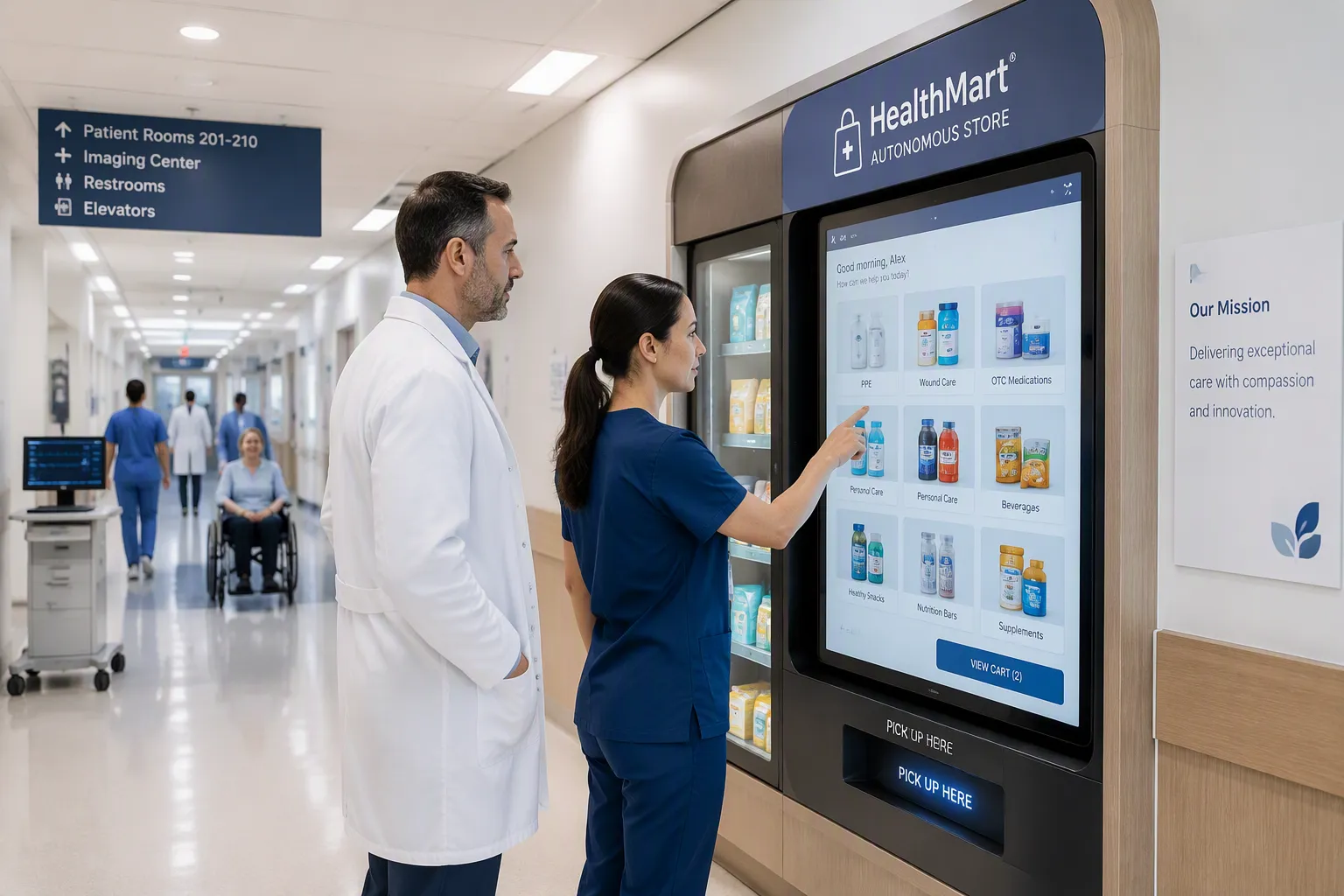
Autonomous stores are emerging in the healthcare sector, particularly in hospitals and healthcare settings, delivering convenient 24/7 access. Their implementation introduces operational challenges. Three critical hurdles involve inventory management and stockouts, infection control and hygiene, and user adoption among busy healthcare staff. Stockouts frustrate staff and disrupt patient care. Infection control risks demand rigorous protocols. Clinicians often resist new technology due to time constraints. These obstacles can derail initiatives if ignored. Healthcare leaders must address these to sustain efficient operations and workflows. This guide presents practical solutions for these issues and for system integration, compliance, and ROI. A structured approach transforms these challenges into manageable healthcare processes.
Key Takeaways
Use AI demand forecasting and RFID tracking to keep products in stock and avoid staff frustration.
Install touchless facial authentication and follow strict cleaning protocols to maintain hospital safety.
Place stores near staff areas, use clear signs, and offer incentives to encourage busy clinicians to adopt the technology.
Integrate with hospital IT systems through middleware and plan a phased rollout to manage costs and compliance.
Solving Operational Challenges in Healthcare Facilities
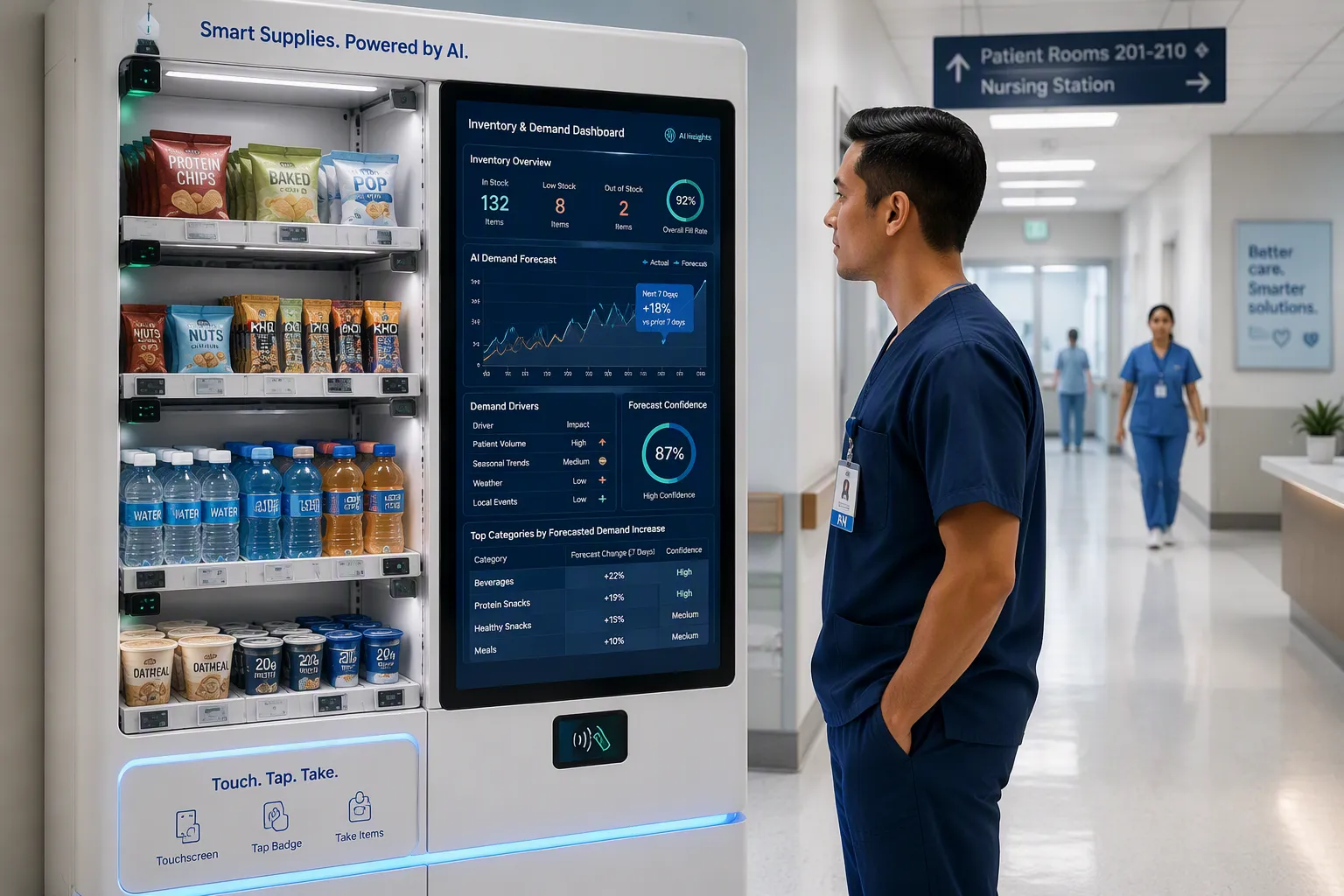
Inventory management and stockouts represent the most immediate operational challenges in an unattended retail environment. A store without cashiers or dedicated staff cannot rely on manual counting or visual inspection. Products run out silently. Staff members discover empty shelves during a night shift. A nurse needs a quick meal between procedures and finds nothing available. These failures erode trust in the system and disrupt hospital operations. The solution requires a layered approach that combines predictive analytics with real-time visibility.
AI Demand Forecasting
Artificial intelligence transforms inventory control from a reactive task into a proactive strategy. Machine learning models analyze multiple data streams to predict what products healthcare workers will need and when they will need them. The system accounts for shift schedules, patient volume fluctuations, and seasonal health trends. A hospital with high admission rates during flu season will see different consumption patterns than one with a stable census.
The data inputs for accurate forecasting span several categories. Patient and community health data provide context about broader demand drivers. Historical medication consumption and physician prescribing likelihood help predict pharmaceutical needs. For the retail side, sales data, return data, point-of-sale data, and real-time inventory levels from central merchandising systems feed the model. Sufficient volume of high-quality, balanced historical data prevents biased or inaccurate forecasts. The table below summarizes these inputs.
Data Input Category | Specific Data Inputs Required |
|---|---|
Patient & community health | Patient data, community health data, seasonal health trends |
Medication demand | Historical medication consumption, physician prescribing likelihood, time of year, vaccination levels, community illness prevalence |
Real-time inventory (retail/autonomous store) | Sales data, return data, point-of-sale data, real-time inventory levels from central merchandising systems |
Data quality & training | Sufficient volume, high-quality, balanced historical data to avoid biased or inaccurate forecasts |
Real-Time Tracking with RFID
Radio-frequency identification and computer vision technologies provide continuous visibility into store inventory. Every product carries an RFID tag. Readers throughout the store capture location tracking data automatically. Computer vision systems cross-reference shelf images with expected planograms. This combination detects discrepancies immediately. Shrinkage from theft or misplacement drops significantly. The system alerts central procurement when stock falls below threshold levels.
Centralizing procurement streamlines replenishment across multiple locations. A single dashboard shows inventory levels at every healthcare facility in the network. Automation triggers purchase orders without human intervention. This approach reduces administrative burden and ensures consistent product availability. Staff members gain confidence that the store will have what they need.
These technologies support broader operational efficiency goals. Real-time data feeds into analytics platforms that identify consumption trends over time. Healthcare administrators can adjust product mixes based on actual usage patterns. The system learns and improves with each transaction. Hospitals that implement these solutions report fewer stockouts and higher satisfaction among clinical staff. The investment in automation pays dividends through reduced waste and improved workflows.
Ensuring Hygiene in Healthcare Settings
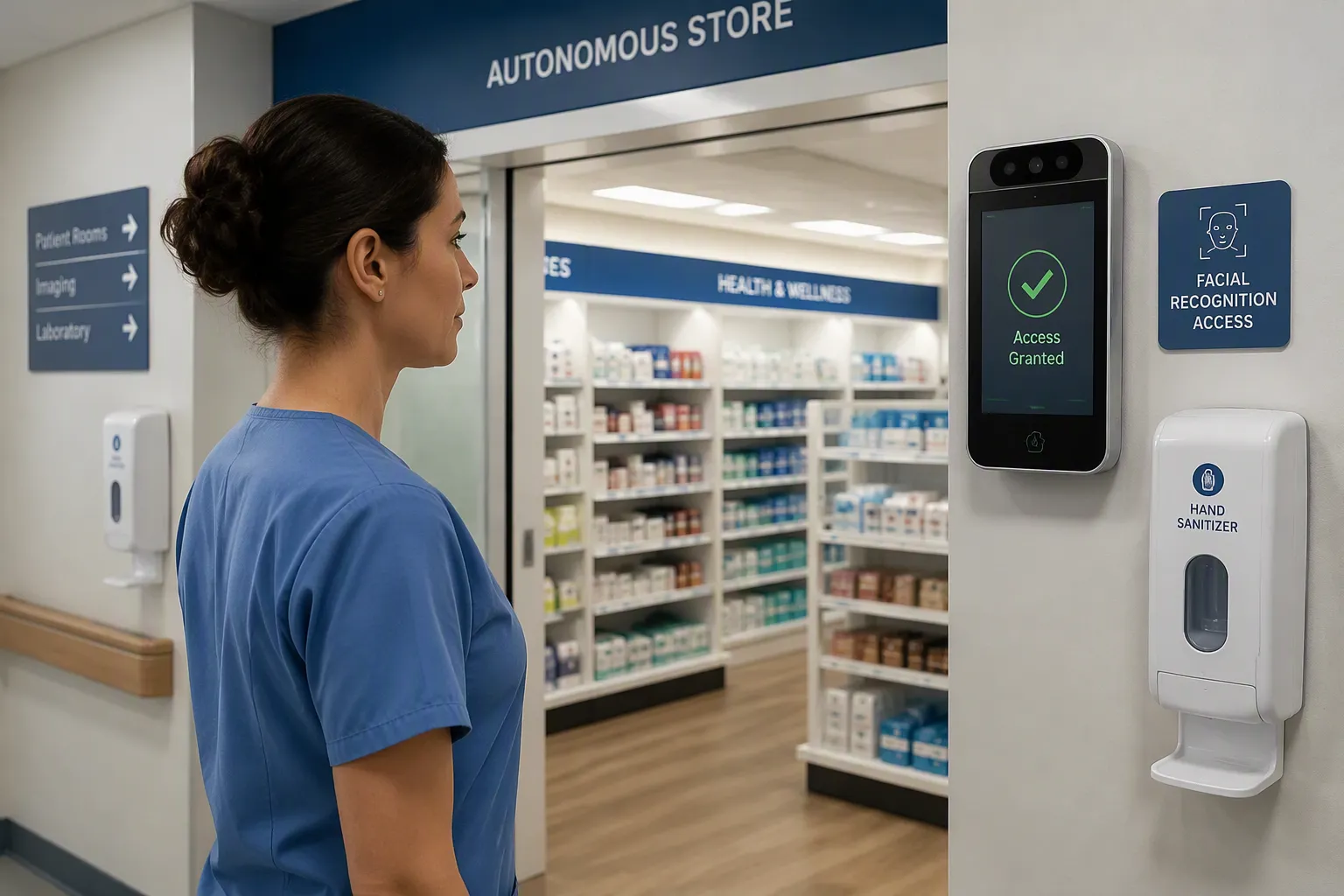
Infection control represents a critical operational challenge in any healthcare facility. Hospitals house vulnerable patient populations. Pathogens spread through contact with contaminated surfaces. An autonomous store introduces high-touch points that demand careful design. Every door handle, payment terminal, and shelf edge becomes a potential transmission vector. Healthcare administrators must address these risks before deployment.
Touchless Transactions
Touchless technology eliminates the need for physical contact with store surfaces. Facial authentication systems verify identity without requiring users to touch any device. This approach delivers multiple benefits for healthcare environments.
No fumbling for badges: touchless entry eliminates the need to carry or scan badges, improving convenience.
No stopping to scan cards: continuous flow without physical interaction with access devices.
No typing PINs: hands-free authentication reduces friction and supports hygiene in healthcare environments.
Automatic administration: users self-enroll and permissions sync instantly, reducing administrative overhead.
Facial authentication enables quick, contactless, and reliable verification for patients and medical staff. This technology eliminates physical ID cards and reduces contamination risk. In pharmaceutical cleanrooms, touchless entry verification removes the need for contact with keypads or fingerprint scanners. The same principle applies to healthcare stores. Frictionless payments allow customers to complete purchases using only their face. No wallets, cards, or phones are needed. The system processes payment in seconds. Loss prevention also improves because facial recognition at entrances flags known shoplifters immediately.
Cleaning Protocols
Rigorous cleaning protocols maintain hospital-grade hygiene standards. Healthcare facilities must establish schedules that match the high-traffic nature of clinical settings. High-touch surfaces require frequent disinfection. Payment terminals, door frames, and shelving units demand attention throughout each day. Staff training ensures that cleaning crews understand the specific requirements of autonomous retail environments. They must recognize which surfaces require food-safe cleaning agents. They must know how to clean around sensitive electronic components without causing damage.
Healthcare operations benefit from documented cleaning logs. These records demonstrate compliance during accreditation reviews. They also provide accountability when issues arise. The cleaning team should receive training on bloodborne pathogen protocols. They must understand proper personal protective equipment usage. Regular audits verify that protocols meet expected standards. Feedback from clinical staff helps identify problem areas. This continuous improvement cycle keeps hygiene at the forefront of daily workflows.
The combination of touchless technology and disciplined cleaning creates a safer retail environment. Staff members gain confidence in the store's safety. Patients and visitors experience reduced anxiety about using the facility. These measures protect everyone who enters the space.
Driving Adoption in Hospitals
Physician resistance and skepticism present significant barriers to autonomous store success. Busy healthcare professionals view each new technology with justified caution. A nurse with a twelve-hour shift has no patience for confusing layouts or slow transactions. The solution requires deliberate design choices that respect clinical workflows and reduce friction at every touchpoint.
Optimizing Store Layout
Store location determines initial adoption rates. Placing the autonomous store near staff break rooms or high-traffic corridors maximizes visibility and convenience. A poorly positioned store remains unused regardless of product quality.
Interior layout follows proven wayfinding principles that guide users efficiently. These techniques save valuable staff time through intuitive navigation:
Signs: Direct, label, and confirm locations. Hallway signs direct users without requiring staff assistance.
Maps and Directories: Show layout with "You Are Here" markers and color-coded routes. Large overview maps at entrances provide orientation.
Colors: Divide zones using distinct colors. This approach speeds recognition without confusing visitors.
Symbols and Icons: Universal shortcuts communicate instantly. Adding text confirms meaning for clarity.
Digital Screens: Real-time updates and interactive kiosks allow product search. QR codes let users take directions on personal devices.
Clear signs, color zones, and maps guide healthcare staff through the store efficiently. Good wayfinding saves staff time and makes visits less overwhelming during busy shifts. The user interface must mirror this simplicity. Touch screens require large buttons and minimal steps to complete purchases. Every second saved contributes to smoother operations across the facility.
Communication and Incentives
Targeted communication campaigns build awareness and trust before launch. Hospital administrators should introduce the autonomous store through existing channels. Staff newsletters, department meetings, and digital signage in common areas spread the message. Live demonstrations allow hesitant staff to test the system in a low-pressure environment.
Incentive programs accelerate adoption during the critical first weeks. Discounted items, loyalty points, or free products for first-time users encourage trial in the healthcare setting. Healthcare facilities can tie incentives to staff appreciation initiatives. A free coffee during a difficult shift builds goodwill and reinforces the store's value.
Feedback mechanisms capture user concerns and improvement suggestions. A simple digital survey after each purchase identifies friction points. Administrators can adjust product selection, interface design, or store hours based on real usage data. This responsive approach demonstrates commitment to healthcare staff needs. The store becomes a trusted resource addressing core operational challenges rather than an unwelcome obligation.
Integrating with Intelligent Building Systems
A retail system must connect with existing hospital IT infrastructure. This integration creates interoperability issues with legacy systems. Older platforms often lack modern APIs. Data silos prevent seamless communication between the store and core hospital operations. These operational challenges demand careful planning before deployment.
EHR and IT Integration
Seamless integration with electronic health records, security platforms, and intelligent building systems requires a middleware layer. This software translates data between the autonomous store and hospital platforms. Single sign-on allows staff to use existing credentials. Role-based access controls ensure only authorized personnel enter the store. Location tracking within the facility helps facility management monitor traffic patterns and adjust cleaning schedules.
Intelligent building technologies in healthcare environments extend beyond the store itself. Smart hospital operations depend on integrated technology systems that share data across departments. A hospital can link its autonomous store to its building management platform. This connection enables workflow automation for restocking alerts and energy management. Autonomous delivery robots move supplies from central storage to the store. These robots reduce manual logistics tasks and free staff for patient care. Sixth-generation wireless technology promises faster data transmission with lower latency. This advancement will enhance process automation technology across the intelligent healthcare facility.
Regulatory Compliance
Healthcare facilities must meet strict regulatory standards. HIPAA governs protected health information. The autonomous store must never expose patient data through its payment or authentication systems. FDA rules apply when the store sells medical supplies or pharmaceuticals. Joint Commission standards cover infection control and environmental safety. Compliance teams should review store design before construction begins.
An intelligent healthcare facility treats compliance as a design requirement. Data encryption protects all transactions. Audit logs track every access event. These records support accreditation reviews and incident investigations. Interoperability with legacy systems requires documented testing. Facility management teams must verify that the store meets fire codes and accessibility standards. Regular compliance audits catch problems early. This proactive approach supports patient care and operational efficiencies. Smart hospital operations depend on trust. Regulatory compliance builds that trust with staff, patients, and inspectors.
Building the Healthcare Business Case
The initial investment for autonomous store technology creates a significant hurdle for healthcare administrators. Hardware, software, and installation costs require substantial capital. Decision-makers must demonstrate clear financial returns before approval. A structured business case translates operational benefits into measurable outcomes. This approach secures leadership buy-in and ensures ongoing support for the initiative.
Calculating ROI
Total cost of ownership includes equipment acquisition, system integration, ongoing maintenance, and software updates. Healthcare facility management teams must account for each category when building their financial models. The calculation starts with labor savings. Autonomous checkout eliminates the need for cashiers and reduces stock clerk requirements. A single store operating 24/7 replaces multiple staff shifts.
Revenue increases come from extended hours capturing sales that previously went elsewhere or were missed entirely. Reduced stockouts ensure product availability during peak demand periods. Centralized procurement minimizes waste from expired products. The return on investment formula compares total net benefits against total costs. A positive percentage validates the expenditure. The calculation must include all implementation costs for an accurate picture.
Additional value appears through indirect benefits that do not appear on a balance sheet. Staff members spend less time leaving the facility for meals or supplies. This reduces disruption to clinical workflows and improves employee retention rates. Satisfied nurses and physicians contribute to better patient outcomes. These qualitative factors strengthen the business case beyond direct financial returns. Healthcare organizations that quantify these elements present more compelling arguments to leadership.
Phased Rollout Plan
A gradual deployment strategy manages operational risks and costs while building organizational confidence. The first phase targets a single high-traffic location within one healthcare facility. This approach limits initial investment and allows teams to refine processes before expansion. Key performance indicators include transaction volume, stockout rates, and user satisfaction scores.
The second phase extends to additional departments within the same facility. Teams apply lessons from the pilot to improve layout, product selection, and cleaning protocols. Integration with building management systems occurs during this stage.
The third phase scales the model across multiple facilities. Central procurement handles purchasing for all locations. A single dashboard monitors inventory and maintenance needs. This approach delivers economies of scale that reduce per-unit costs. Healthcare organizations that follow this structured path achieve sustainable operations without unnecessary financial exposure.
Targeted strategies solve autonomous store challenges in inventory, hygiene, and adoption. AI demand forecasting and RFID tracking prevent disruptive stockouts. Touchless facial authentication and rigorous cleaning protocols maintain hospital-grade safety. Optimized layouts using signs, colors, and maps drive staff adoption. Success requires a tailored approach that respects each healthcare facility's unique operational needs rather than applying generic retail solutions. Healthcare administrators should launch a pilot program in a single department to test these technologies in a controlled environment. Partnering with experienced vendors provides access to proven integration methods and compliance expertise. Prioritizing staff and patient feedback enables continuous improvement across all touchpoints. This iterative approach refines healthcare workflows and ensures long-term value for caregivers and patients alike.
FAQ
How does an autonomous store prevent stockouts in a hospital?
AI demand forecasting analyzes shift schedules, patient volume, and seasonal trends to predict consumption. RFID tags and computer vision track inventory in real time. The system alerts central procurement when stock falls below threshold levels. This layered approach keeps products available around the clock.
What keeps an autonomous store hygienic in a clinical setting?
Touchless facial authentication removes the need to touch badges, keypads, or payment terminals. Documented cleaning protocols cover high-touch surfaces throughout each day. Staff training addresses food-safe agents and bloodborne pathogen rules. Regular audits verify that hygiene meets hospital-grade standards.
How do hospitals encourage busy clinicians to use the store?
Store placement near break rooms and high-traffic corridors improves visibility. Clear signs, color zones, and maps guide users quickly. Discounts, loyalty points, and free items reward first-time users. Feedback surveys let administrators adjust products and layouts based on real usage.
Does an autonomous store integrate with hospital IT systems?
A middleware layer translates data between the store and hospital platforms. Single sign-on lets staff use existing credentials, and role-based controls limit access. Integration with electronic health records, security systems, and building management supports automated restocking and energy management. Audit logs and encryption support HIPAA and Joint Commission compliance.
How does a hospital justify the investment in autonomous retail?
Total cost of ownership covers equipment, integration, maintenance, and updates. Labor savings from eliminated cashier shifts and higher revenue from extended hours drive returns. A phased rollout starting with one location limits risk. Teams then scale across departments and facilities as workflows mature.
See Also
Why Artificial Intelligence Enabled Stores Represent Retail's Future
A Look At Walgreens Self-Checkout's Convenience And Retail Hurdles
Micromarkets Versus Smart Stores In Automated Global Convenience Retail
