Using autonomous stores as an amenity to attract travelers in airports and transportation hubs

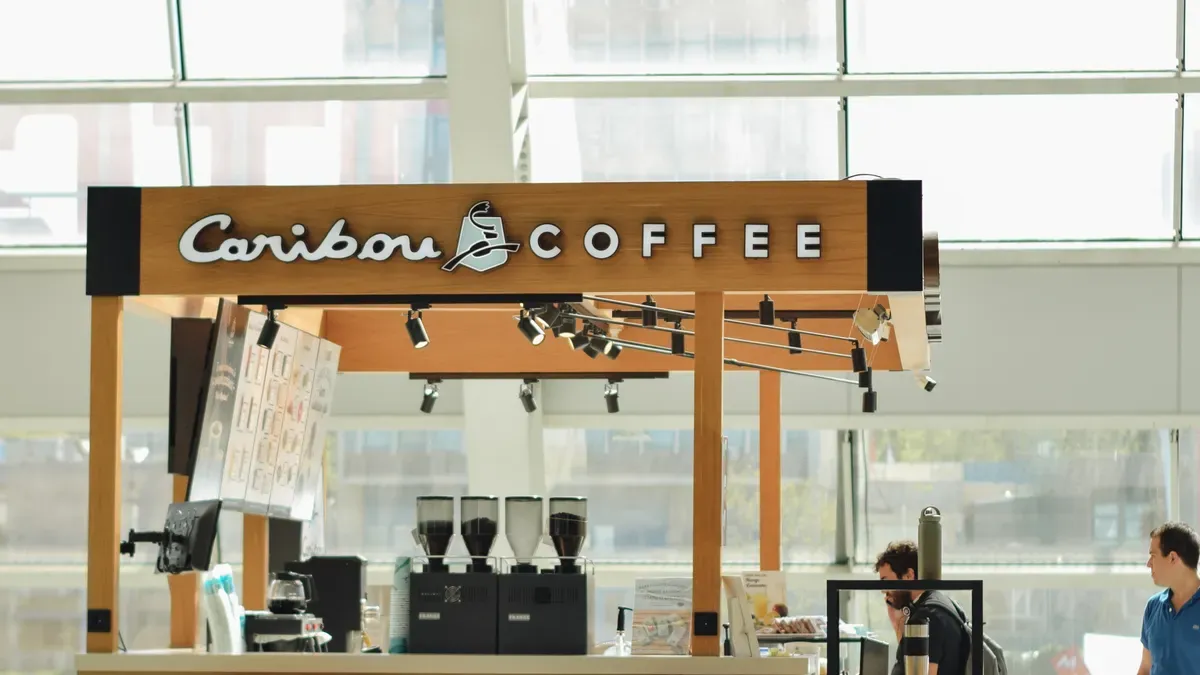
During peak departure hours, crowded terminals stress rushed travelers in busy airports. You watch passengers hurry past traditional shops due to long lines and tight boarding schedules. Unused terminal space offers you a prime opportunity to solve this critical bottleneck. Installing dynamic autonomous stores converts dead footprint zones into fast, convenient retail locations.
These modern autonomous checkout stores eliminate queues entirely and directly reduce travel anxiety. Hungry travelers grab essential items and exit naturally without stopping. You unlock massive layover value while actively boosting non-aeronautical revenue across all your major airports. Frictionless automated shopping optimizes space and elevates overall terminal performance.
Key Takeaways
Autonomous airport stores remove long lines completely.
Travelers grab items quickly and reduce travel anxiety.
Smart cameras automatically track items without cashier stops.
Stores operate 24/7 to serve late night passengers.
Airport operators lower labor costs and increase revenue.
Transforming Retail in Airports and Transit Hubs
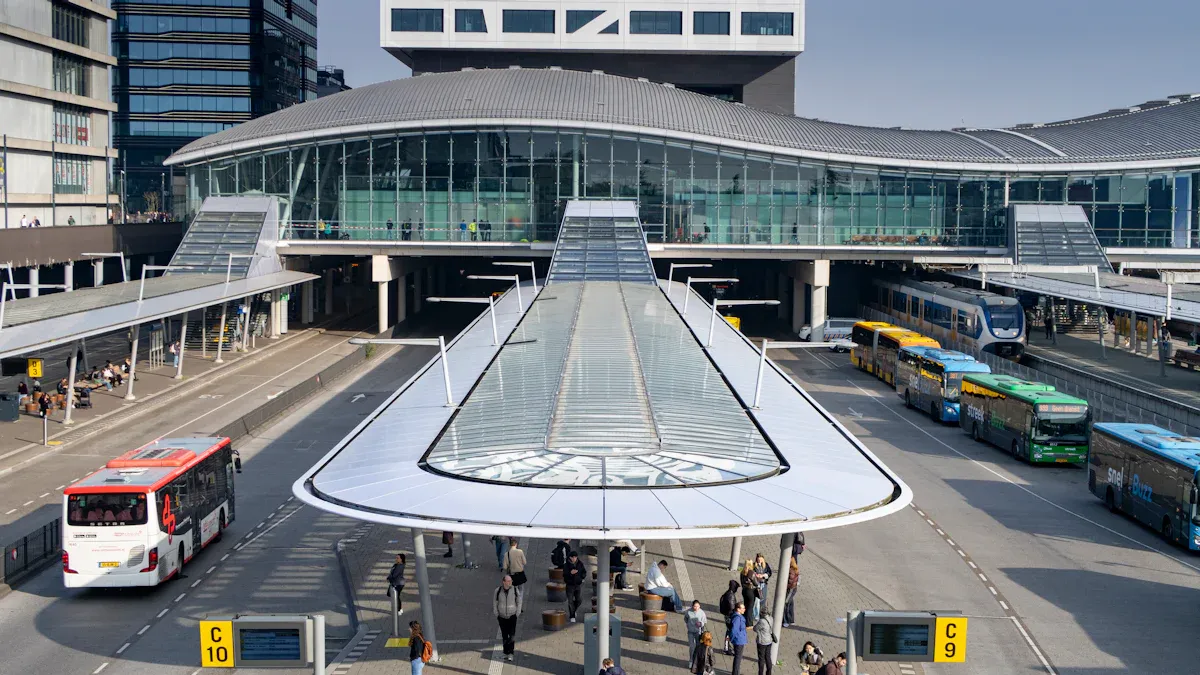
Computer Vision and Grab-and-Go Technology
Modern artificial intelligence transforms standard terminal physical space into smart shopping environments. Advanced overhead camera networks track consumer movement without collecting private facial data. Integrated shelf weight sensors detect precise item selections instantly. These combined systems calculate shopping lists in real time as consumers browse items.
You deploy autonomous checkout stores to capture high revenue from hurried passengers. Travelers walk directly into the store and select their desired products without scanning items. They leave the store without stopping at a register. The technology automatically charges their saved payment method upon departure. This automated retail framework eliminates friction points across busy airports and crowded train terminals.
Contactless Shopping and Mobile Payments
Digitized storefronts redefine how you serve modern consumers during short layovers. Passengers expect quick interactions without touching payment terminals or waiting for staff. Mobile apps and payment cards grant immediate entry into the retail space. These digital tools process payments automatically behind the scenes.
You upgrade terminal environments by installing autonomous checkout stores near active boarding gates. Speedy transactions improve the overall passenger experience by removing store congestion completely. Travelers quickly purchase fresh meals, bottled drinks, and travel accessories. They return to their gates quickly with zero payment delays.
Implementing automated storefronts turns underutilized terminal corridors into high-yield revenue zones without adding extra floor staff.
You maintain continuous operations across airports during unexpected flight delay surges. Passengers enjoy safe, contactless retail interactions during brief stops. Modern autonomous checkout stores empower you to upgrade service speed while meeting strict digital payment preferences. Modern travelers move smoothly through your hubs, boosting sales across every terminal zone.
How Autonomous Stores Elevate Traveler Experience
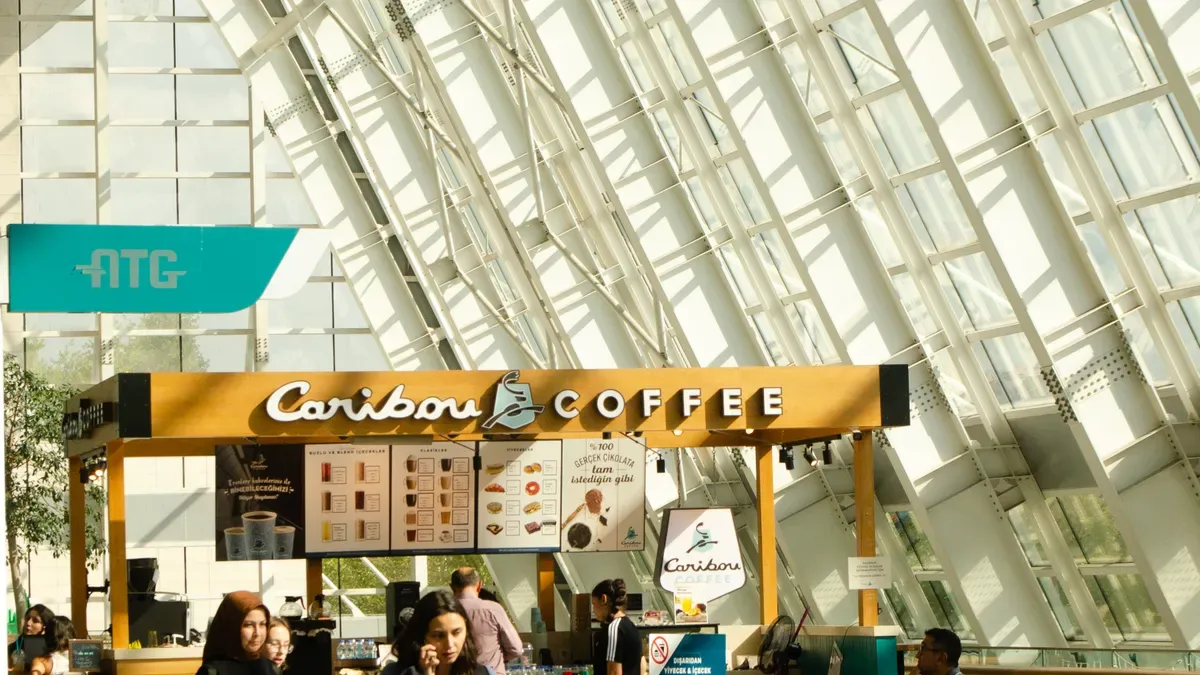
You transform crowded concourses into relaxing transit hubs by eliminating traditional checkout bottlenecks. Long retail lines create friction and elevate travel anxiety across major transportation hubs. Modern deployment strategies upgrade terminal infrastructure smoothly and drive consumer engagement. Automated retail technology helps facility managers optimize passenger flows efficiently across regional airports.
Eliminating Queues to Maximize Layover Time
Traditional retail setups force passengers to monitor the clock constantly. You remove physical cash registers to eliminate queuing completely. Consequently, travelers feel less rushed while exploring terminal concourses. They shop comfortably without worrying about register delays.
You reduce physical congestion near storefronts and boarding gates. Checkout-free experiences allow people to grab items and walk away immediately. Travelers worry less about missing flights because they move quickly through retail locations. Faster access to fresh food, bottled beverages, and travel essentials supports a calm journey. You grant passengers extra time to relax, dine, or shop before departure. Modern autonomous checkout stores directly improve overall passenger experience ratings across busy facilities.
You can analyze actual operational performance gains across major airport facilities:
Airport implementation | Wait time reduction | Satisfaction impact | Non-flight sales impact |
|---|---|---|---|
Checkout-free retail at Dallas/Fort Worth | 70% | Passenger experience score +15 points | +22% |
Frictionless shopping kiosks at Los Angeles International | 65% | Passenger experience score +18 points | +25% |
Frictionless retail at Dallas/Fort Worth delivered a 70% wait time reduction. That deployment increased customer satisfaction scores by 15 points and boosted non-flight sales by 22%. Meanwhile, frictionless shopping kiosks at Los Angeles International drove a 65% wait time reduction. That location boosted satisfaction scores by 18 points while increasing non-flight revenue by 25%. You deliver superior guest experiences by turning waiting time into open layover time. Deploying autonomous stores converts frantic rushing into pleasant terminal leisure. Furthermore, automated retail zones reduce foot traffic crowding in main departure lounges.
24/7 Availability and Accessibility
Terminal retail faces severe operational limits during off-peak hours. Traditional stores close early due to labor shortages and high staffing costs. Late-night flights and early morning train schedules still bring steady crowds through terminals. Unattended retail space leaves hungry passengers without access to basic goods. You solve these scheduling challenges by deploying continuous automated retail solutions. Installing flexible autonomous stores ensures continuous amenity coverage across every concourse.
You maintain uninterrupted service across all terminals using autonomous checkout stores. These systems operate round the clock without requiring overnight floor clerks. Travelers enter the storefront easily using digital payment methods at any hour. The automated framework tracks purchases accurately while maintaining secure operations. You provide reliable access to food, beverages, and personal care items during late hours.
Operating continuous retail spaces maximizes floor efficiency across major airports. You capture extra retail sales from midnight departures and early arrivals. Passengers appreciate reliable service during non-traditional transit hours. You eliminate service gaps in remote concourses without increasing payroll expenses. Unattended storefronts maintain full product inventories throughout off-peak hours. Furthermore, smart inventory sensors notify replenishment teams automatically before shelves empty. Automated systems streamline store restocking routines without disrupting transit schedules. Autonomous checkout stores ensure constant retail availability for all travelers across modern airports.
Commercial Impact and Operational Efficiency
Deploying Autonomous Checkout Stores for Efficiency
You deploy autonomous checkout stores to serve busy travelers and streamline terminal operations in high-traffic environments. Automated stock tracking continuously monitors inventory on shelves. Artificial intelligence updates product counts instantly without manual audits. This smart retail setup optimizes floor space and removes unnecessary labor overhead. Retailers adopting self-checkout report that 83% notice fewer staff needed on the floor.
You save 22% in annual labor capacity from front-end self-checkout implementations. Staffed stores achieve only about 70% uptime due to call-outs and overnight closures. In contrast, autonomous units maintain above 95% uptime with continuous availability. Total operating costs drop to about 35–50% of a staffed store's cost. You shift labor resources from register management to inventory restocking.
With fewer cashiers and assistants needed to oversee transactions, retailers can allocate resources to other aspects of the business. The reduced need for human labor allows airport retailers to pass on cost savings to customers through lower prices.
Maximizing Non-Aeronautical Revenue per Passenger
Delaying replacement of traditional kiosks is projected to compress concession revenue per square meter by 20–35%. Traditional kiosks lose revenue density from overnight closures and high labor costs. Fast checkout turns rushed travelers into active shoppers before their departure. You process more sales per square meter with autonomous checkout stores operating continuously. Increased retail throughput drives up non-aeronautical revenues across busy airports.
Higher transaction speeds directly improve guest experiences during peak travel hours. Short retail lines allow travelers to purchase items without risking flight delays. You gather valuable passenger-satisfaction insights through Airport Service Quality surveys across modern airports.
ASQ is the world's leading provider of airport service quality assessment. It uses passenger-satisfaction surveys to help airports enhance the passenger experience, improve service offerings and increase non-aeronautical revenues.
Integrating checkout-free technology converts waiting time into open layover value while strengthening operational efficiency across all terminals.
Frictionless retail converts busy transit hubs into modern, passenger-centric environments. You eliminate long checkout lines to reduce anxiety for rushed travelers. Consequently, passengers spend more time enjoying amenities across modern airports.
Integrating autonomous stores yields strong long-term return on investment. You optimize labor costs by shifting staff toward inventory management. Continuous operations drive higher sales volume across major airports.
Commercial facility planners must act now. You elevate satisfaction scores while maximizing commercial revenue per square meter. Integrate autonomous checkout stores into your terminal master plans today. Lead the future of travel retail by deploying scalable autonomous stores throughout your facilities.
FAQ
How do autonomous stores track item selections without cashier staff?
Overhead cameras and shelf weight sensors track your selections automatically. Artificial intelligence updates your shopping list in real time. You grab your items and walk out naturally. The system charges your saved payment method without requiring manual scans.
Can autonomous checkout stores operate continuously during late-night hours?
Yes. These automated units maintain high uptime above 95% without requiring floor clerks. You provide 24/7 access to fresh food, drinks, and essentials for late arrivals. Continuous operations capture extra sales during non-peak travel hours across busy airports.
How do frictionless retail locations reduce travel anxiety for passengers?
Autonomous stores eliminate physical cash registers and long lines completely. Rushed travelers buy food or accessories in seconds. You give passengers extra layover time to relax before boarding. Faster purchases improve overall guest experience scores across your facilities.
Do autonomous stores help operators reduce overall running costs?
Yes. Operating costs drop to about 35–50% of a staffed store's cost. You shift labor from cashier registers to inventory restocking. Automated stock tracking continuously monitors inventory levels to optimize floor space efficiently.
See Also
Reasons Artificial Intelligence Driven Retail Outlets Represent Tomorrow Next Generation
Comparing Micromarkets And Smart Stores In Global Automated Convenience Retail
How The PARC At Tysons Became A Vibrant Center
Key Advantages Of Smart Combination Vending Units In Modern Business
Understanding The Rapid Growth Of Innovative Always Open Automated Cafes
