Using AI-powered dashboards for decision-making in airports and transportation hubs

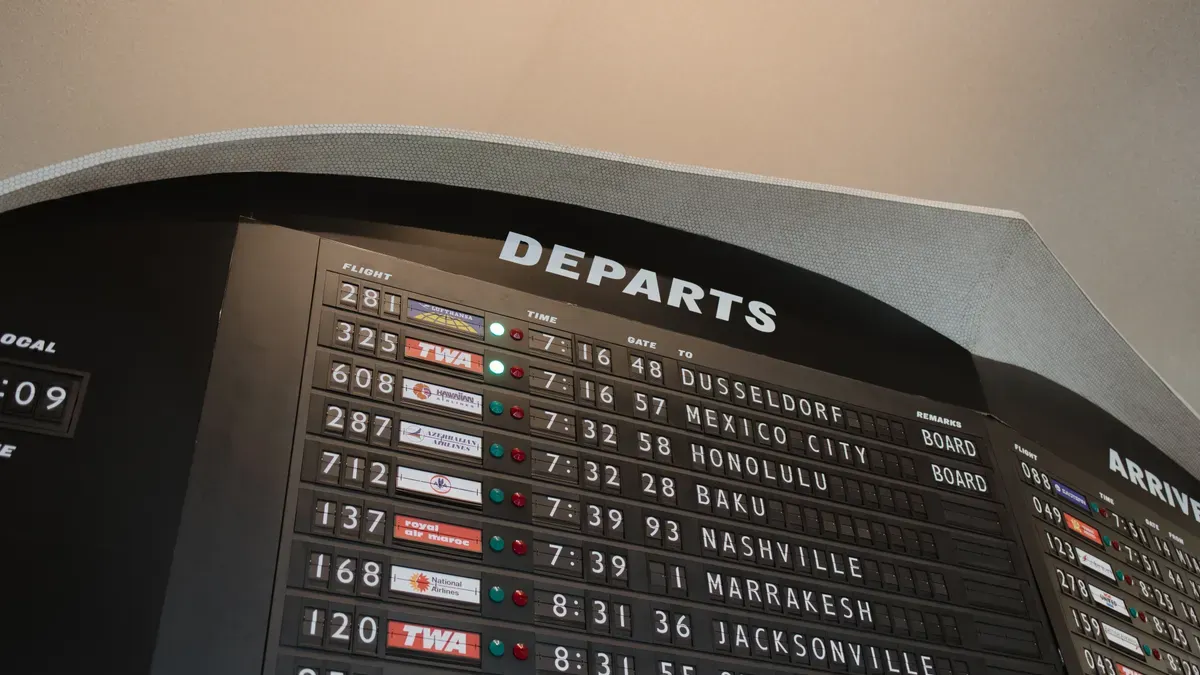
Modern transportation hubs generate vast streams of fragmented operational real-time data every second. Cameras, baggage sensors, and digital logs constantly bombard your team with raw information. This massive influx overloads human operators and creates severe monitoring blind spots across your terminal.
Centralizing this information into AI-powered dashboards changes your entire workflow. You transform reactive troubleshooting into proactive decision intelligence. An intelligent airport environment automatically connects isolated silos, giving executive leadership and ground managers complete control.
Key Operational Impact: Integrating AI elevates four vital operational zones instantly:
Airside Turnaround Management: Computer vision instantly detects ground handling milestones.
Queue Mitigation: Video analytics spot lines before delays expand.
Passenger Flow: Predictive algorithms smooth terminal crowding.
Resource Allocation: Smart systems deploy staff dynamic to active zones.
Deploying AI turnaround technology reduces departure delays by up to 25% while saving significant operational costs. Advanced systems transform daily hub efficiency using smart tracking:
Operational Monitoring: Cameras and sensors capture ground events like door openings, bridge removals, and cone placement instantly.
Proactive Management: Smart algorithms trigger immediate alerts when tasks stall, feeding visual interfaces to resolve delays before they cascade across Munich Airport schedules.
At Rome Fiumicino Airport, the ApronAI system leverages computer vision and machine learning to monitor critical turnaround actions. The platform automatically tracks refueling, catering, and deboarding to build precise predictive models. These tools forecast pushback readiness accurately, empowering your team to fix bottlenecks early, boost passenger flow, and protect flight schedules. Using AI-powered analytics across modern airports optimizes every flight lifecycle and transforms legacy hubs into highly efficient facilities.
Key Takeaways
AI dashboards unify isolated data to spot flight and terminal delays early.
Computer vision monitors crowds and helps staff open security lanes faster.
Smart software tracks ground handling tasks to cut aircraft turnaround times.
Digital twins and AI suggestions empower human operators to make better choices.
Operational Challenges in Modern Transportation Hubs
Modern hubs process massive operational volumes every single day. However, managing daily schedules remains surprisingly difficult for hub leadership. You constantly face complex disruptions across terminal facilities and airfield aprons. Legacy management practices create structural bottlenecks that limit operational efficiency.
Fragmented Systems and Data Silos
You manage many standalone systems inside a single airport infrastructure. Flight information databases, security feeds, and baggage tracking platforms work in isolation. Ground handlers use separate tools from air traffic teams. These legacy software platforms do not share critical information smoothly.
[Baggage Sensors] --\
[Flight Databases] --+--> Isolated Systems --> Disjointed Data Streams
[Security Video]  --/
This isolation creates severe communication gaps across your operations team. Operators manually pull information from multiple screen monitors to verify simple flight updates. Disjointed operational data streams slow down overall airport response times significantly. Furthermore, disconnected networks prevent early problem detection across modern airports.
Reactive Incident Management Limits
Traditional monitoring tools only show incidents after they occur. You discover passenger check-in bottlenecks only when crowds fill terminal hallways. You notice gate congestion only after aircraft queues form on active taxiways.
Operational Warning: Relying on manual reports forces your managers into continuous firefighting mode. You miss critical early warning indicators entirely.
This delayed response creates costly ripple effects across busy airport networks. Delayed departures cause missed connection windows for connecting travelers. Supervisors waste precious time gathering historical data instead of solving active issues. Modern transportation networks cannot maintain high performance through manual observation alone.
Resource Misalignment and Delays
Ground handling teams require precise timing to maintain flight schedules. Misallocating physical equipment and ground staff damages terminal performance metrics across airports. Without unified platform analytics, your team struggles to balance daily workloads across distant gates.
Misaligning workforce schedule allocation directly causes severe operational issues:
SLA Breaches and Missed Expectations: Delayed boarding personnel create major compliance breaches during scheduled operational windows.
Increased Turnaround Delays: Uncoordinated ground support crews extend overall aircraft ground times.
Procedural Friction: Late equipment dispatch creates sequencing conflicts on crowded aprons.
Service Overruns: Delayed cabin handovers prevent timely gate departures across international airports.
Applying advanced ai technology resolves these resource coordination challenges. Automated systems improve resource allocation optimization across global airports, helping your managers predict requirements accurately.
Key Capabilities of AI-Powered Dashboards
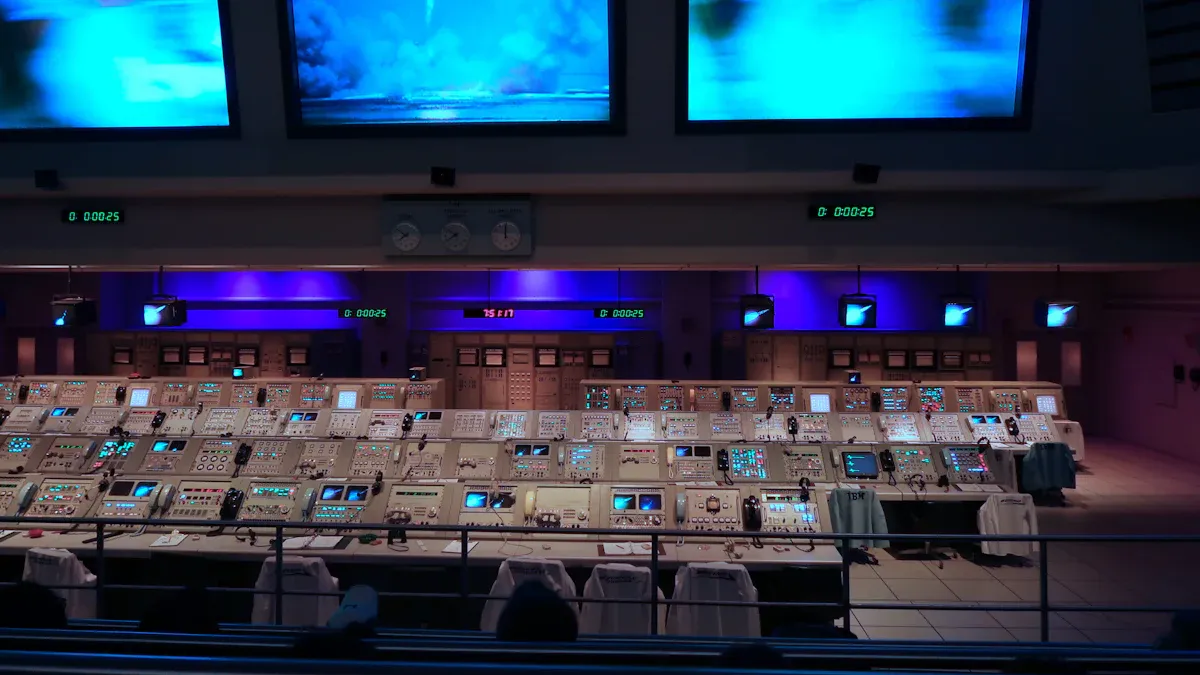
Modern ai-powered dashboards convert massive streams of terminal data into actionable business intelligence. You gain complete control over daily operations through clean visual interfaces. These digital platforms combine intelligent data fusion, spatial mapping, and predictive automation to improve passenger travel routines across global networks.
Live 3D Replicas and Digital Twins
You can replace static two-dimensional floor maps with interactive visual software. Modern digital twin systems construct live spatial models using real-time data feeds. Video cameras and environmental sensors stream continuous updates directly into your digital map layout.
Asset / System Category | Required Sensor / Data Stream Type | Key Physical Parameters Captured | Transmission Protocols |
|---|---|---|---|
Physical Infrastructure (Jet bridges, Baggage systems, HVAC, Escalators, GSE) | Physical & IoT Condition Sensors | Vibration, Temperature, Current Draw, Hydraulic Pressure, Cycle Times | OPC-UA, MQTT, BACnet |
Dynamic Operations & Tracking | Spatial & Motion Sensors | Flight Data, Video Feeds, Continuous 3D LiDAR Tracking | Real-Time Stream Integration |
This high-definition model helps your airport managers spot physical problems instantly across distant concourses:
Unified Operational View: Modern platforms display full terminal physical layouts on a single control monitor.
Simultaneous Monitoring: You can view security line heatmaps, temperature zones, and technician locations together.
Spatial Pattern Recognition: Managers link distinct maintenance issues to specific airport zones like Concourse B quickly.
These detailed replicas gather critical data streams from every corner of your facility:
Passenger & Terminal Monitoring Data: Occupancy sensors and Wi-Fi signals track crowding trends and moving wait lines.
Airside Operational System Feeds: Controllers link airfield light monitors, navigation beacons, gate assignments, and air traffic software.
Drone Multi-Sensor Payloads: High-resolution optical devices, thermal instruments, and spatial lasers inspect terminal building surfaces.
Operational Insight: Spatial visualization transforms raw numbers into direct spatial awareness. Your operators evaluate terminal conditions in seconds without leaving their primary command desk.
Agentic AI for Early Risk Detection
Agentic systems continuously analyze incoming data feeds across isolated networks. AI algorithms work tirelessly behind the scenes to detect emerging operating risks before manual inspectors notice visual disruptions.
[ Data Feeds ] --> [ Agentic Monitoring ] --> [ Risk Scoring ] --> [ Proactive Action ]
These intelligent airport platforms perform sophisticated technical functions across daily workflows:
Feature Category | Technical Capability | Operational Function |
|---|---|---|
Data Fusion & Refresh | Continuous data integration | Replaces weekly manual updates with continuous live visibility across global networks. |
Granular Drill-Down | Node-specific filtering | Allows operators to zoom into targeted airports or seaports to monitor individual force movements. |
Hub Capacity Tracking | Node metrics visualization | Displays operational posture, throughput metrics, and current capacity at designated transportation nodes. |
Deploying ai-powered analytics across your physical facilities optimizes dynamic daily workloads:
Predictive ETA and Volume Analytics: Algorithms combine historical trends with live flight conditions to forecast passenger arrival times and shipment volumes accurately.
Prescriptive Route Optimization: Automated tools suggest optimal transit paths based on financial costs, time constraints, and ground conditions.
Automated Risk and Anomaly Detection: Systems flag unusual driver movements, path deviations, or operational cost jumps immediately.
Implementing ai-driven predictive operations eliminates guesswork from daily management tasks. Intelligent software calculates exact risk scores and sends proactive notifications before ground delays cascade across your schedule.
Automated Alerts and Dynamic KPIs
Static quarterly reports cannot help you manage unexpected crowding spikes. Modern ai-powered dashboards display dynamic key performance indicators that refresh constantly. You set custom operating rules to protect passenger flow and maintain overall service quality.
Using predictive operations software transforms how your intelligent airport handles sudden terminal delays. Intelligent models flag rising line lengths before passenger queues block main exit corridors. Automated system alerts rely on defined operational metrics:
Customizable Queue Thresholds: Software managers configure specific line limits to send automatic alerts when check-in crowds expand.
Crowd Density & Line Growth Limits: Operational thresholds evaluate total line length, average wait time, and room capacity.
Automated alerts push actionable warnings directly to field supervisors on mobile devices. Your floor staff receives instant instructions to open extra security lanes or reallocate check-in desks. Integrating ai-powered analytics into daily routines improves overall labor efficiency across busy hubs.
Using sophisticated ai analytics tools helps you protect your airport brand reputation. You deliver a smooth passenger experience while maintaining maximum functional speed across all busy airports. Modern software gives you total situational visibility, transforming modern transportation hubs into synchronized logistics assets.
Optimizing Airport Operations and Passenger Flow
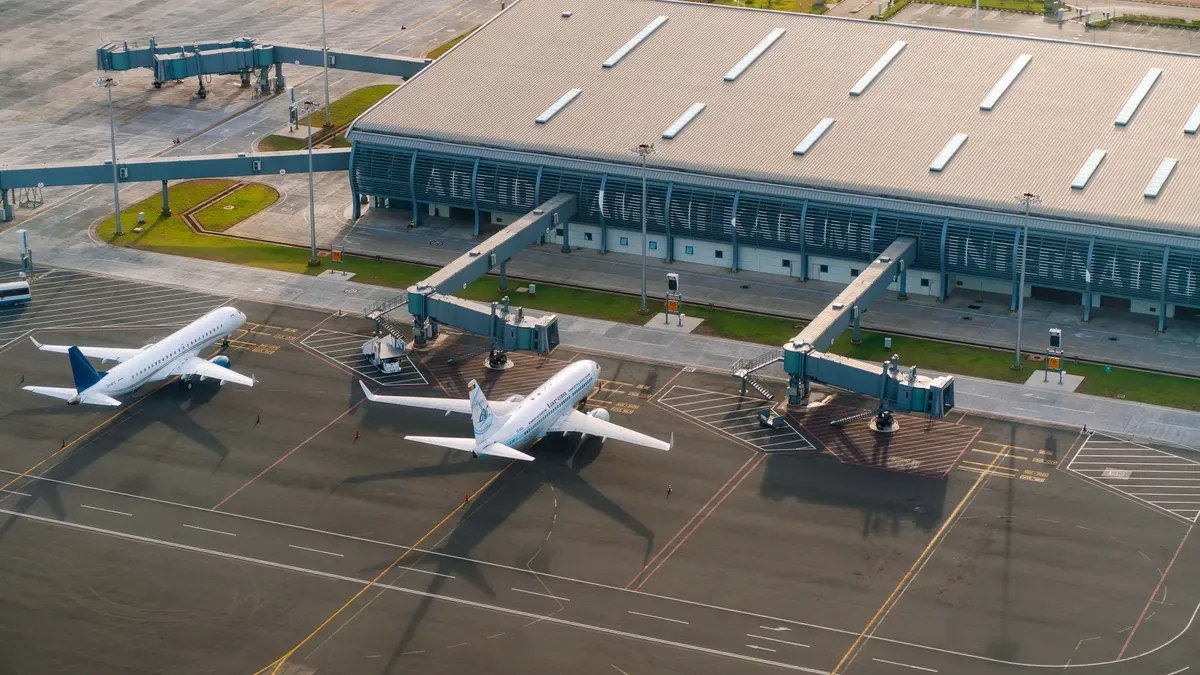
Modern intelligent airport management requires total control over daily movement. You must balance complex schedules, physical assets, and thousands of travelers. Deploying ai-powered dashboards allows you to monitor every active concourse instantly. You can now transform daily friction into smooth journeys through automated decision-making.
Dynamic Queue and Crowd Management
Congestion at security control points degrades the overall passenger experience quickly. When long lines build up unexpectedly, travelers feel stress and miss flights. Video cameras powered by ai continuously track crowd volume and movement velocity across every terminal checkpoint.
Computer vision systems analyze live video streams to manage crowd flow through active steps:
Passenger Volume Tracking: Computer vision algorithms count the exact number of individuals waiting in line.
Movement Velocity Analysis: Systems measure the precise speed of moving travelers through screening lanes.
Wait Time & Peak Prediction: Software evaluates crowd density to forecast delay times and spot potential bottlenecks.
Proactive Resource Allocation: The system alerts operators to open additional screening lanes before long queues form.
Advanced software platforms like wi.move process continuous video streams to optimize terminal throughput. Signal processing algorithms eradicate visual noise while deep learning models track individual movement patterns. These tools provide accurate passenger flow accuracy metrics to stabilize high-density zones.
Deploying intelligent terminal interfaces delivers measurable performance upgrades across global travel hubs:
Airport / Context | Metric / Intervention | Quantitative Improvement |
|---|---|---|
Singapore Changi Airport | Automated Kiosks (FAST initiative) | Processing times decreased by 60%; 10 kiosks process the equivalent volume of multiple traditional counters |
London Heathrow Airport | Common-Use Kiosks | Peak wait times dropped from over 20 minutes to under 3 minutes |
Global Checkpoints | AI Implementation | Wait times at security checkpoints reduced by 20% |
Global Analytics | AI Passenger Flow Forecasting | Passenger flow predicted with 85%–92% accuracy |
Dubai International Airport (DXB) | AI-Driven Operational Efficiency | Capacity increased by 35–42 flights daily, enabling |
Applying accurate demand forecasting helps you deliver seamless experiences during peak travel hours. You can adjust staff shifts dynamically to ensure short wait times. This active oversight directly unlocks enhanced operational efficiency across every processing floor.
Dynamic Gate and Stand Allocation
Assigning gates manually often creates severe airfield congestion. Aircraft wait on active taxiways while ground crews clear physical stands. Automated gate allocation software assigns arrival and departure gates strategically to minimize tarmac taxi times.
Shortening physical ground distances directly reduces aviation fuel burn and lowers operational costs. Your intelligent airport platform processes real-time flight updates to update stand availability instantly. This continuous optimization prevents scheduling conflicts across busy runways and terminal gates.
Smart systems also enable higher customer experience standards inside the terminal concourse:
Targeted Personalization: Modern applications deliver tailored gate updates directly to passenger smartphones.
Customized Offers: Dynamic tools match retail promotions to specific traveler demographics at local gates.
Digital Wayfinding: Interactive mobile maps adjust walk routes based on current terminal crowd conditions.
When you offer tailored personalization options, travelers navigate busy terminals effortlessly. This smooth process elevates customer experience metrics while maximizing terminal retail revenues.
Predictive Baggage Logistics Optimization
Lost and delayed luggage damages brand reputation across international transport networks. Modern baggage handling platforms collect real-time data from belt sensors and scanning portals. Predictive maintenance software monitors equipment health continuously to prevent unexpected motor failures.
Predictive maintenance applied to baggage handling systems reduces physical maintenance efforts by 18% to 25%. Preventing system downtime saves major hubs millions of dollars in mishandled luggage expenses every year.
Advanced algorithms streamline luggage handling workflows using systematic processes:
Proactive System Maintenance: Sensors identify equipment hardware trends to fix mechanical issues before disruptions occur.
Optimized Handling Decisions: Analytics evaluate luggage recirculation patterns to eliminate system bottlenecks.
Dynamic Resource Forecasting: Data models integrate booking volumes to schedule baggage handling teams efficiently during peak hours.
System Integration: Platforms merge flight schedules with passenger booking records to flag tight luggage transfers early.
Tail-to-Tail Connection Balancing: Automated tools optimize direct transfers between tight flight schedules to eliminate lost bags.
Using ai-powered analytics provides complete visibility over luggage transport networks. Ground operators resolve transfer risks early to deliver better passenger experiences consistently.
Leveraging AI-Powered Analytics for Turnaround
Ground handling delays disrupt flight departures rapidly across global airports. Ground service equipment, catering trucks, and refueling tankers must coordinate perfectly around each stationary aircraft. Using ai-powered analytics converts raw apron video into direct operational insights.
Vision technology tracks ground vehicles and equipment speed on the apron continuously:
Ground Traffic Surveillance: Vision models monitor traffic paths across active ramp areas.
Vehicle Identification & Tracking: Cameras detect baggage carts, fuel tankers, and pushback tugs in real time.
Real-time Safety Alerts: Automatic system notifications warn ramp officers about unauthorized vehicle movements or speeding hazards.
Integrated apron systems deliver high operational optimization value across aircraft ground life cycles:
Operational Metric / Impact Area | Operational Benefit Delivered by AI Analytics |
|---|---|
Ground Delay Reduction | Achieves an average reduction in aircraft ground delays of 5 minutes. |
Gate & Taxi Optimization | Minimizes taxi-in duration and gate hold times while enhancing SLA compliance auditing. |
Zone Controller Efficiency | Employs machine learning so controllers can oversee multiple gate operations simultaneously, shifting focus to exception management. |
Adopting ai-driven predictive operations transforms daily apron workflows:
[ Camera Stream ] --> [ Computer Vision ] --> [ Milestone Event ] --> [ Delay Prevention ]
Video models log critical milestones automatically, including wheel chock placement, passenger bridge connections, and refueling tasks. Ground controllers use predictive operations models to manage crew assignments proactively.
Deploying ai video tracking delivers major efficiency gains across ground operations:
Departure delays decrease by 25%.
Gate utilization efficiency rises by 5%.
Daily flight capacity increases by 1 flight per day for every 20 gates.
Average departure delay durations drop to 3 minutes.
European airports save 6 minutes per turnaround, preserving roughly $600 per flight.
North American hubs shorten delays by 1 minute, saving nearly $100 per turnaround.
Automated video platforms reduce aircraft turnaround times by 15% to 20% overall. They lower traveler waiting times by up to 40% and boost on-time flight performance by 10 to 15 percentage points.
Applying predictive analytics across your daily schedule prevents operational disruptions entirely. You gain accurate demand forecasting tools to balance workforce schedule allocation across peak periods. Intelligent platforms optimize every resource, allowing you to deliver better passenger experiences and maintain ultimate operational efficiency.
Building an AI-Powered Air Travel Ecosystem
Connecting isolated technologies builds a unified ai-powered air travel ecosystem. You can link physical terminal hardware, digital cloud platforms, and operational teams into one responsive network. Modern intelligent tools process live information continuously to power this data-driven airport transformation across your facility.
Data Integration Across Modern Airports
Your central dashboards rely on smooth information exchange between separate operational subsystems. Modern airports connect flight databases, security streams, and baggage networks through standardized communication pipelines. You can use Aviation Information Data Exchange (AIDX) messaging to bridge legacy system gaps across your hub. This XML-based messaging format follows IATA Recommended Practice 1797A to connect airlines, ground managers, and airport databases.
Operational Standard Note: AIDX simplifies complex subsystem communications across modern hubs. The standard will eventually transition into the broader Airline Industry Data Model (AIDM) to improve global data exchange.
A central Airport Operational Database (AODB) processes incoming feeds from external platforms like Air Traffic Control (ATC) and A-CDM partners. Using AIDX, IATA, and ICAO messaging formats allows your software to display unified information on a single monitor screen:
Flight Data Streams: Systems update schedules and gate shifts automatically across international airports.
Weather Integration: Controllers receive live atmospheric updates to predict local runway changes.
Subsystem Synergy: Ground teams share real-time updates directly with passenger terminal displays.
Secure Cloud and Edge Frameworks
High-definition cameras create massive bandwidth demands when sending raw video streams across your network. Edge computing solves this bandwidth challenge by processing high-definition visual feeds locally in your terminal. You deploy edge hardware directly inside check-in halls, security stations, and baggage facilities.
[ Local Camera / Edge Node ] --> Runs Embedded AI Algorithms
                             --> Performs Facial Scanning & Object Detection
                             --> Sends Instant Local Alerts (Low Latency)
                             --> Transmits Compressed Metadata to Central Cloud
These localized edge nodes run advanced computer vision algorithms right at the camera level:
Local Hardware Deployment: Positioned directly within terminal zones, edge platforms analyze local streams without heavy cloud reliance.
Simultaneous Stream Processing: Edge algorithms run on multiple live feeds concurrently to execute optical ID verification, crowd pattern tracking, and behavioral anomaly recognition.
Decentralized Alert Generation: Local units function as independent processing hubs that filter out ambient noise and generate instantaneous alerts.
Local edge processing handles computationally intensive tasks like facial scanning and motion tracking on-site. This approach eliminates high-bandwidth video transfers to your primary cloud infrastructure. Your local systems filter out background noise, reducing network stress while delivering immediate threat detection. Centralized cloud platforms receive compressed metadata summaries to support long-term planning across smart airports.
Cyber Resilience and Data Governance
Expanding your digital network introduces new security risks. You must protect sensitive passenger details and system logs from malicious online threats. Implementing robust encryption standards keeps your terminal network safe from unexpected intrusions.
You maintain operational control by establishing strict governance policies across all interconnected platforms. AI deployment requires transparent data handling rules to protect user privacy. Advanced ai analytics platforms anonymize personal video data automatically to ensure compliance with global privacy regulations. Furthermore, combining secure edge nodes with central ai infrastructure protects critical transportation assets against digital disruptions.
Applying ai-powered analytics across protected networks yields reliable operational intelligence. You deliver continuous safety, streamline daily physical workflows, and maintain continuous oversight across modern airports.
Implementation Roadmap and Governance
Upgrading legacy terminal infrastructure requires a clear execution plan. You must balance innovative software deployments with continuous flight schedules.
Phased Deployment Strategy
You should upgrade your facilities through a structured rollout plan. A phased roadmap mitigates operational risks and protects existing workflows across busy environments.
Implementation Phase | Timeframe | Core Focus & AI/Dashboard Deployment Details |
|---|---|---|
Phase 1 | Months 1–4 | Data Foundation & IoT Infrastructure: Installs IoT sensors, connects legacy AODB/maintenance systems via APIs, creates a cloud data foundation, and deploys real-time equipment monitoring dashboards. |
Phase 2 | Months 4–9 | AI Analytics & Predictive Activation: Deploys machine learning for predictive maintenance, enables AI security queue analytics, integrates energy AI into building systems, and calibrates a digital twin environment using live data. |
Phase 3 | Months 9–16 | Advanced Integration & Autonomous Systems: Implements biometric corridors, autonomous ground service equipment dispatch, industrial cybersecurity layers, and embeds AI decision support within the Airport Operations Center. |
Phase 4 | Month 16+ | Continuous Optimization & Executive Dashboards: Refines AI models, activates sustainability dashboards with automated carbon reporting, and launches executive KPI dashboards for operational intelligence. |
This structured timeline ensures smooth software integration across regional airports.
Human-in-the-Loop Operational Control
Modern intelligent tools generate smart recommendations, but human operators must retain ultimate decision-making authority. You maintain complete control over critical flight choices through hybrid dispatching workflows. Automated systems process routine tasks efficiently. However, ground managers make final choices during major weather emergencies or tight schedule conflicts.
💡 Best Practice: You can improve operational control by following key governance principles:
Automating Routine Tasks: Deploy operational ai to handle standard automated choices while reserving human oversight for exceptions and manual overrides.
Excluding Complex Jobs: Set clear boundaries by keeping specific job categories manual rather than fully automated.
Tracking Manual Interventions: Implement override tracking mechanisms to record dispatcher interventions and underlying reasons, using these insights to refine the system.
Centralized Oversight: Maintain cross-location operational visibility so management can monitor automated recommendations and interventions in a unified view.
This balanced approach boosts daily labor efficiency across international hubs.
Change Management and Workforce Adoption
Your staff members must accept digital workflows to unlock real business value. Introducing new dashboard interfaces requires tailored training programs for airport controllers. You must educate team members on interpreting automated risk scores correctly.
Clear internal communication reduces worker friction during digital transitions across modern facilities. You transform daily operations by pairing smart software capabilities with trained field personnel. This cultural transformation drives long-term process optimization across busy terminal concourses.
Deploying ai-powered dashboards inside your airport delivers immediate operational returns. Modern ai-powered analytics shorten turnaround delays and increase passenger throughput across busy concourses. These tools optimize daily operations while elevating the overall customer experience.
Replacing legacy monitoring systems with predictive intelligence gives your hub a lasting strategic edge. Connected systems transform traditional terminals into a fully responsive intelligent airport. Advanced ai algorithms forecast bottlenecks early across busy airports, helping executives manage airport facilities proactively.
Key Takeaway: Achieving real operational growth requires a balanced approach. You must pair automated ai recommendations with strong human oversight. Leveraging ai-powered analytics empowers ground staff to make confident decisions across global airports.
FAQ
How do AI-powered dashboards integrate with legacy airport systems?
You connect legacy databases to AI dashboards through secure APIs and standardized AIDX messaging pipelines. The software aggregates data from isolated tools automatically. Your operators view unified real-time metrics on a single interface without replacing core IT infrastructure.
What is the role of human operators when using AI-driven alerts?
You maintain ultimate control over critical operational decisions. AI algorithms analyze massive data streams to detect emerging risks and suggest immediate fixes. However, your ground managers validate high-stakes choices, preserving human-in-the-loop governance across all workflows.
💡 Key Governance Tip: Reserve automated actions for routine scheduling tasks, while keeping complex emergency decisions under direct human control.
How do digital twins improve terminal passenger flow?
Live 3D digital twins combine sensor feeds and computer vision to map terminal crowds continuously. You spot security bottlenecks before long lines form. Consequently, your floor supervisors reallocate checkpoint staff dynamically to maintain high processing speeds.
Can AI dashboards help reduce aircraft turnaround delays?
Yes. Computer vision systems monitor ground handling tasks like refueling, catering, and baggage loading automatically. You receive instant alerts when operational tasks stall. This proactive oversight empowers your team to fix apron bottlenecks early and protect flight departure times.
See Also
Why Artificial Intelligence Is Revolutionizing The Future Of Brick And Mortar Retail
Exploring Top Features And Benefits Of Next Generation AI Vending Solutions
How Smart AI Software Solutions Transform Digital Store Management For Retailers
Essential Insights On The Rapid Growth Of Smart Local Neighborhood Markets
Boosting Small Office Workplace Productivity With Advanced Automated Refreshment Systems
