AI Retail for Transit Stations Explained — A Side-by-Side Comparison with Traditional Retail

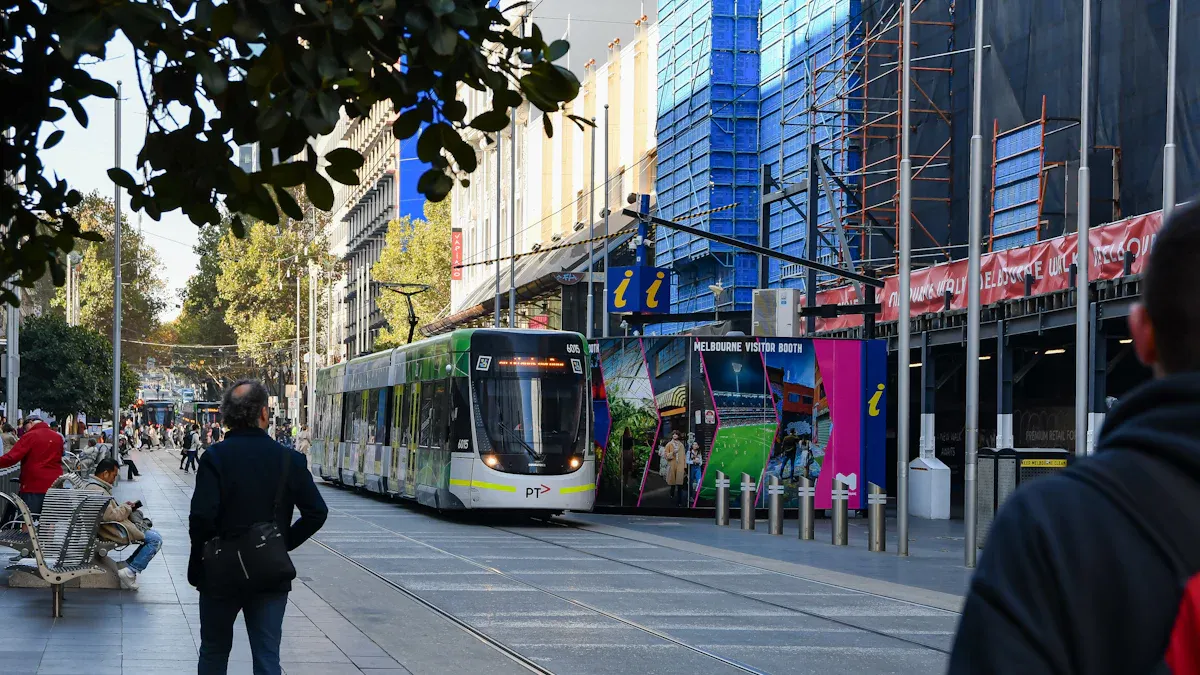
AI retail for transit stations – scenario [Commercial removes checkout friction and automates payment. Traditional retail relies on manual checkout and staff oversight. This comparison shows how AI retail is faster, more convenient, and more efficient for both customers and operators.
Transit station operators face practical stakes. Long lines increase wait times. Staffing shortages drive labor pressure. Lost sales reduce revenue. Poor experiences hurt satisfaction.
The data confirms this shift. Adobe reports that AI-referred visitors generated 53% more revenue per visit than non-AI traffic. Shoppers spend more when friction disappears.
AI in retail changes the entire purchase journey. AI in retail also benefits transportation hubs directly. Faster transactions mean fewer delays and happier commuters.
Key Takeaways
AI retail removes checkout lines. Commuters grab items and walk out. This saves time and catches trains.
AI retail boosts sales. Stores earn more per visit. Shoppers spend more when checkout is easy.
AI retail cuts labor costs. Staff focus on helping customers. Stores save money and run better.
AI retail opens 24/7. Travelers shop anytime. Stores sell more without extra payroll.
AI retail makes shoppers happy. Quick purchases improve the transit experience. Everyone wins.
Autonomous Retail vs. Traditional Retail in Transit Stations
How Traditional Retail Slows Transit Shoppers
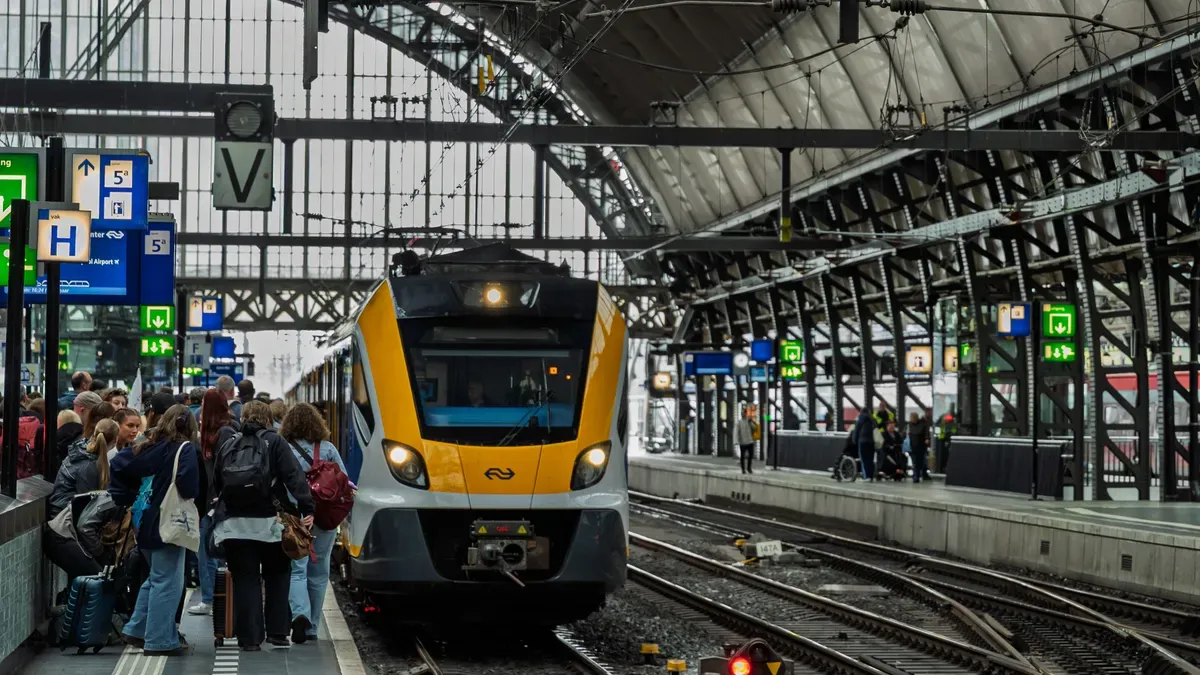
Traditional retail in transit stations makes a common traffic jam. A commuter walks into a small store, picks up a drink or snack, and then waits in a checkout line. A cashier scans each item by hand. The shopper bags the goods. The cashier takes the payment. This whole process takes time. It also needs staff to watch every step.
Transit stations make these delays worse. Trains run on tight schedules. Missing a train costs a commuter real time. Long lines at a register make shoppers pick between buying something and catching their ride. Many just drop the item and leave. The store loses a sale. The commuter loses convenience. Traditional retail trips in busy stations often end this way.
Manual checkout also limits store hours. A store needs enough workers to cover every shift. Labor shortages make longer hours costly. Some stores close early or open late. Commuters who travel at quiet times find locked doors.
How Autonomous Retail Removes the Friction
Autonomous retail flips this model. Cashierless checkout systems use AI cameras to watch product interactions during the whole shopping trip. Multi-camera object tracking and person re-identification keep a virtual cart. Shelf-weight sensor fusion and deep learning on action sequences confirm each item's status. When the customer leaves, the system charges them automatically. No scanning, no waiting, no traditional checkout.
Amazon Go's model combined the seamlessness of online retail with the intimacy of physical shopping by using sensor fusion, computer vision, artificial intelligence, and IoT, allowing customers to enter, take what they need, and leave without queues or checkout lines.
This approach gives friction-free checkout and automated payment. The shopper walks in, grabs an item, and walks out. The system does the rest. Autonomous retail removes the biggest source of delay in a transit store.
The financial case is strong. Adobe reports that AI-referred visitors generated 53% more revenue per visit than non-AI traffic. Frictionless shopping leads to more purchases. Commuters spend less time waiting and more time buying.
Different systems reach this result in different ways. The table below compares three leading approaches.
System | Computer vision role | Sensor fusion role | Frictionless checkout outcome |
|---|---|---|---|
Amazon Go | Cameras and sensors monitor items selected and returned to shelves. | "Just Walk Out" technology combines sensor and camera data to create a virtual cart. | Customer scans phone at entry, leaves without checkout, receipt emailed. |
Zippin | Overhead cameras and machine learning identify selected items and shopper behavior. | Overhead camera data is merged with smart shelf sensors for accuracy in busy stores. | Customer enters by app or card, takes items, leaves; purchase is charged automatically. |
Grabango | Overhead rails with cameras and machine learning monitor product locations storewide. | Overhead vision data is used without shelf/floor sensors or facial recognition. | Shoppers exit without waiting in line; payment occurs automatically. |
Each system gets rid of the checkout counter. Each one turns a transit stop into a smooth shopping experience. The shopper never reaches for a wallet. The store never needs a cashier at the register.
For transit operators, this change matters. Autonomous retail cuts wait times and captures sales that traditional retail loses. The technology works quietly in the background. The commuter simply grabs and goes.
Seamless Store Entry and Exit at the Gate
Traditional Checkout Bottlenecks at Station Exits
Traditional retail turns a quick purchase into a wait in line. A commuter walks into a store, grabs a snack, and then faces a cashier. The cashier scans each item, the shopper bags it, and payment takes time. In a transit station, these minutes matter. Trains leave on schedule, and a long line can cause a missed departure. Many shoppers just leave their items behind. Station managers see the result as lost sales and unhappy passengers.
Self-checkout lanes do little to help. The shopper still scans, weighs, and pays at a machine. Staff must watch the terminals and approve certain purchases. The exit area narrows into a bottleneck. When several trains arrive at once, the queue grows, and the store becomes part of the problem. Traditional retail demands that every shopper stop at a gate before leaving the store.
AI Payment Verification at the Gate
AI retail for transit stations – scenario [commercial removes the stopping point. The entrance becomes the only step. A shopper uses a mobile phone or payment card at an authentication pedestal. The system links the person to a virtual cart. From that moment, computer vision cameras and sensors track every movement.
Just Walk Out technology shows how this works. On entry, the system assigns a temporary numeric code linked to the shopper's payment method. Ceiling cameras watch the shelves. When a shopper takes a drink, deep learning recognizes the gesture and adds the product to the cart. Returning an item removes it. Shelf load-cell sensors catch items that are hard for cameras to see. Sensor fusion combines all this data into one accurate record.
When the shopper reaches the exit gate, the record is complete. Intelligent checkout gates scan the cart and verify the payment method automatically. No scanning, no bagging, no delay. The shopper simply walks through, and the system charges the bill after exit. This seamless store entry and exit is the essence of frictionless shopping for commuters. The store becomes a passage, not a checkpoint.
AI in retail makes this possible through algorithms that record and bill goods automatically. Advanced AI models process multiple camera streams in real time on a local edge device. This keeps the system responsive even during peak hours. Retailers can also add RFID lanes. Each item carries a unique tag, and the exit gate reads the tags instantly to identify what the shopper takes. The gate then charges the preferred payment method and clears the shopper.
Autonomous retail also strengthens in-store security. The same cameras that track items for billing monitor the entire store. Shoplifting becomes difficult to hide because the system detects every product interaction. This reduces theft and frees staff from constant watching. Station operators benefit from lower losses and better oversight. Traditional retail relies on employees to guard every corner; autonomous retail uses data to secure the space.
AI in retail changes the meaning of a store exit. Instead of a barrier that forces people to stop, the gate becomes a confirmation point. Commuters move through quickly, and operators capture more sales. The technology operates in real transit stations today. Autonomous retail shifts the focus from checkout to journey, and the gate is where that shift becomes visible.
Autonomous Checkout — Grab-and-Go vs. Scanning and Bagging
Why Traditional Checkout Takes Time
Traditional checkout has a set order of steps. First, the shopper scans each item at a register. Then the shopper bags the items. Payment happens last. In a transit station, each step costs seconds, and seconds become delays.
Self-checkout stations do not fix the problem. The shopper still scans items, weighs produce, and waits for approval on some purchases. These systems shift the work to the customer but do not remove the delay. Lines grow at busy times. A commuter who needs to catch a train often leaves the items behind.
Why Autonomous Checkout Is Fast
Autonomous checkout changes stores because there is no register. Shoppers grab items and walk out. Sensors and cameras create a virtual cart. Then the system bills the shopper on its own. No scanning. No bagging. No line.
The speed gap is clear. Mashgin, an AI-powered checkout system, can finish a sale in 5 seconds. Its average purchase time is 18 seconds. That is 3x more shoppers per cashier. It is 4x faster than a regular checkout. On busy days, wait times drop to 1–2 minutes. This nearly removes the lines that slow station stores.
Metric | Mashgin (AI-powered checkout) | Compared to traditional checkout |
|---|---|---|
Transaction time | 5 seconds | no scanning and no long lines |
Average transaction time | 18 seconds | average per transaction |
Throughput per cashier | 3x | a regular cashier |
Transaction speed | 4x faster | traditional checkout |
Busy-day line wait | 1–2 minutes | lines almost gone vs. traditional lines |
AI in retail for transit stations – scenario [commercial] delivers this speed at scale. Autonomous retail saves commuters time and boosts retailer revenue. AI in retail turns a rushed stop into a finished sale. Retailers can also add RFID tags to identify items instantly at the exit. Automated checkout keeps the line moving, so the commuter catches the train.
Optimized Labor and Extended Hours
Staffing Challenges in Traditional Transit Retail
Traditional transit retail needs people for every job. A store needs cashiers at registers, workers to stock shelves, and staff to watch for theft. Every role adds cost. Labor makes up a large share of retail operating costs. Transit stations face extra pressure because foot traffic spikes when trains arrive. Stores must schedule enough workers for those busy times. They also pay for idle staff during quiet hours.
This model creates real strain. Managers guess at staffing needs. They often overstaff during slow periods or understaff during rushes. Overstaffing wastes money. Understaffing creates long lines and lost sales. Hiring and training add more burden. High turnover forces managers to repeat the cycle. These problems limit store hours and shrink profit margins.
How AI Frees Staff for Higher-Value Tasks
AI changes the math for transit station operators. Advanced AI forecasts labor demand by studying traffic patterns, sales data, and weather. Stores then deploy just the right number of staff per shift. This optimized labor and staffing approach reduces overstaffing and saves money. AI systems also reduce operational inefficiencies.
Metric | Value |
|---|---|
Reduction in overstaffing via AI workforce scheduling | reduced overstaffing |
Annual savings for a $50M revenue retailer | cost savings through reduced overstaffing |
Operational inefficiencies avoided by AI systems | reduced operational inefficiencies |
Labor as share of retail operating costs | a large share of retail operating costs |
With fewer routine tasks, staff move to higher-value work. They help shoppers, manage inventory and sales insights, and improve the in-store experience. AI-powered kiosks and in-store kiosks handle simple transactions. This frees employees from standing at registers all day. Couche-Tard's CFO reported that about 1,000 stores use an AI platform that converts raw data into actionable missions for managers. New floor cleaning equipment further reduces labor hours on routine tasks.
Autonomous retail also extends operating hours. Fully autonomous shops provide round-the-clock access to essentials. Travelers can shop at any time.
VenHub allows customers to shop anytime through 24/7 locations, a seamless app, and drive-thru pickup, all while minimizing effort and wait times.
For transit operators, this means more selling hours without more payroll. AI in retail delivers cost relief and operational efficiency. AI retail for transit stations – scenario [commercial] shows how automation turns labor pressure into a manageable, data-driven process.
Shopper Convenience and Store Transformation
Faster Purchases Improve the Transit Experience
Speed shapes how commuters feel about a store. A shopper who grabs a snack and walks out in seconds feels served. A shopper who waits in line feels delayed. Faster purchases lift shopper convenience and satisfaction, and that feeling carries into the whole transit experience.
A coffee retailer tested this idea before opening express format locations. Consumer interviews revealed three distinct context types. Transit hubs valued speed above all. Office districts cared most about mobile order pickup. Residential areas wanted seating and atmosphere. Each context needed different format execution. Transit locations optimized for throughput with minimal seating and streamlined menus. Performance metrics reflected these differences, and transit locations measured transactions per hour. This shows how a streamlined shopping experience depends on matching format to location. AI in retail helps operators read these patterns and adjust formats to local demand.
AI Enables Free-Flowing Layouts and Better Space Use
AI changes what physical space can do. Traditional stores build around checkout counters and queuing lanes. Those fixtures control customer flow and limit how shoppers move. Autonomous stores remove the registers. Space opens up for product display and easy movement. This shift raises retail in-store footfall. Shoppers enter, browse, and leave without friction, so footfall grows. AI in retail turns square footage into selling space instead of waiting space.
VenHub's smart store format shows the scale of this change. A VenHub store costs $250K–$400K to build and takes 7 days. A traditional convenience store costs $750K–$1.5M and takes 12–16 months. The smart store uses 160–600 square feet. The traditional store uses 3,450–5,400 square feet. VenHub offers 300–1,600 SKUs and runs 24/7 with no staff. Its automated checkout supports parallel picking and mobile checkout. Theft-proof design strengthens in-store security, and RFID tags can identify items instantly. IoT, AI, and automation drive these smart retail innovations in transit stations. VenHub's deployment at the LAX/Metro Transit Center serves tens of thousands of commuters daily, many outside traditional retail hours. The always-on store gives travelers immediate access to essentials whenever they pass through.
Transit stations get clear, real benefits from AI retail. Self-checkout systems cut down wait times. Automatic payment reduces the strain on workers. Stores earn more per visit, and commuters feel happier. Traditional retail just can't match this blend of speed and efficiency.
The side-by-side results stay the same every time. AI gets rid of checkout lines, frees up staff for more important tasks, and keeps stores open all day and night. Shoppers grab what they need and go. Operators make sales that manual checkout used to lose.
AI retail will keep showing its value in transit settings. The technology already works right now, and its benefits grow with every station that brings it in.
FAQ
How does AI retail differ from traditional retail in a transit station?
Traditional retail needs workers to check out items and watch the store. AI retail removes the checkout hassle and handles payment on its own. Shoppers grab what they want and walk out. Cameras and sensors track the products, then charge the payment method without any help. This makes AI retail quicker and easier for commuters.
What happens if a shopper returns an item to the shelf?
The system notices the action right away. Cameras and shelf sensors work as a team. Deep learning picks up on the movement. The virtual cart updates right then. The returned item comes off the bill. The shopper only pays for what they keep.
Can autonomous stores operate outside normal business hours?
Yes. Fully autonomous shops stay open all day and night. VenHub lets customers shop anytime through 24/7 locations. Transit operators get more selling hours without hiring more people. Commuters who travel at quiet times still find open doors.
How does AI improve labor efficiency in transit stores?
AI predicts how many workers are needed by looking at traffic patterns, sales data, and weather. Stores schedule the right number of staff for each shift. This reduces overstaffing. Workers move to more important jobs like helping shoppers and managing inventory. AI systems also reduce operational inefficiencies.
What financial results do retailers see from AI checkout?
Adobe reports that AI-referred visitors generated 53% more revenue per visit than non-AI traffic. Mashgin finishes a sale in 5 seconds. Its average purchase time is 18 seconds. That is 4x faster than a regular checkout. Faster transactions mean more sales captured.
See Also
Comparing Micro Markets And Smart Stores In Global Automated Retail
Discovering Top Local Corner Shops Just A Short Walk Away
How Time Out Corner Stores Transform City Convenience Shopping Experiences
Uncovering The Elegant Appeal Of The Upscale Corner Store
Creative Vending Machine Placements That Go Beyond Usual Locations
