Cashierless Retail Future Means No More Waiting in Checkout Lines

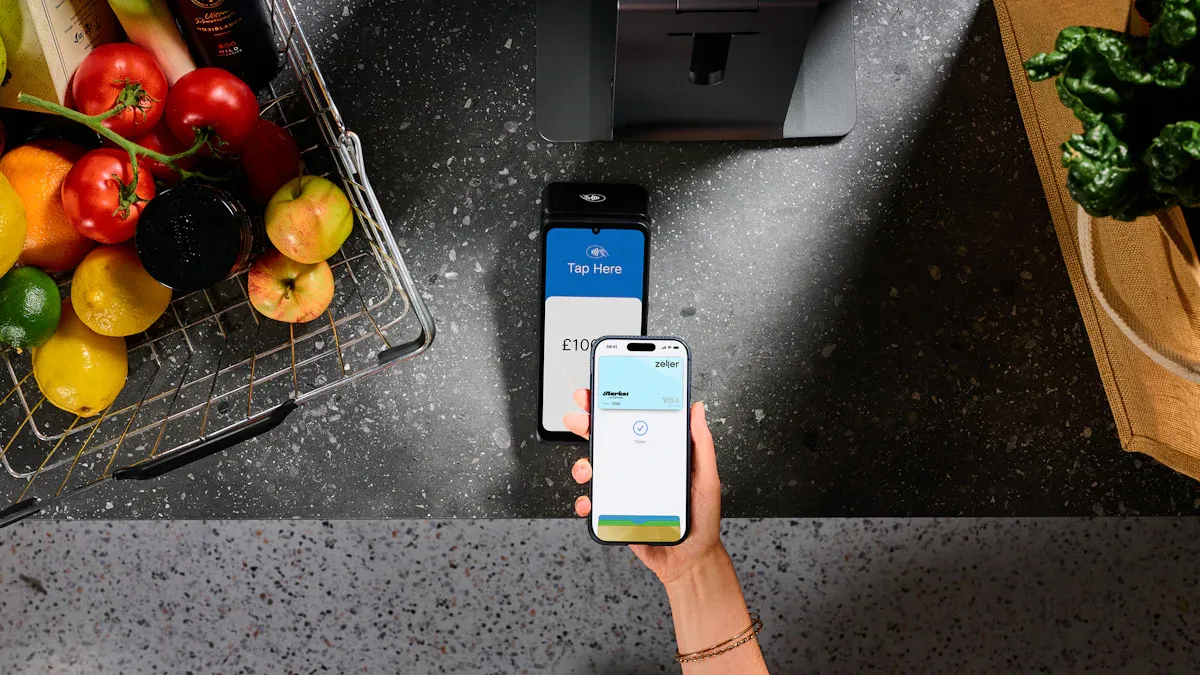
Step into a store, grab what you need, and walk out—no lines, no scanning, no waiting. That's the cashierless retail future in action. This future depends on computer vision, shelf sensors, and AI tracking every item you pick up. Artificial intelligence processes the data, and a mobile app charges you automatically as you exit. Already, more than 3,000 cashierless stores operate worldwide, and experts expect that number to surpass 10,000 by 2025. Shoppers gain speed and convenience, while retailers gain efficiency. However, privacy concerns and job displacements remain valid worries. This shift is accelerating. Understanding how the cashierless retail future works helps you prepare for a world where checkout lines simply vanish.
Key Takeaways
Cashierless stores let you shop and leave without standing in line.
Cameras and sensors keep track of what you pick up and charge you on their own.
With this new technology, retailers save money and you save time.
Privacy worries and job changes are problems to fix.
By 2025, over 10,000 stores without cashiers will open worldwide.
How Cashierless Retail Works
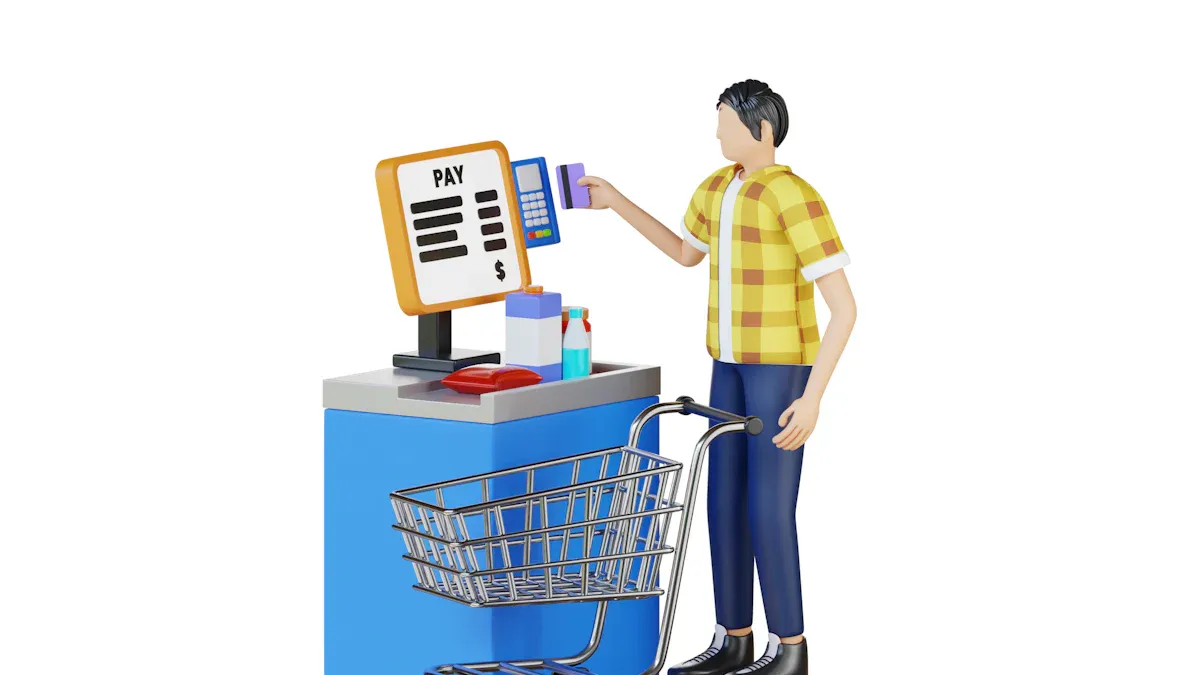
The Cashierless Shopping Experience
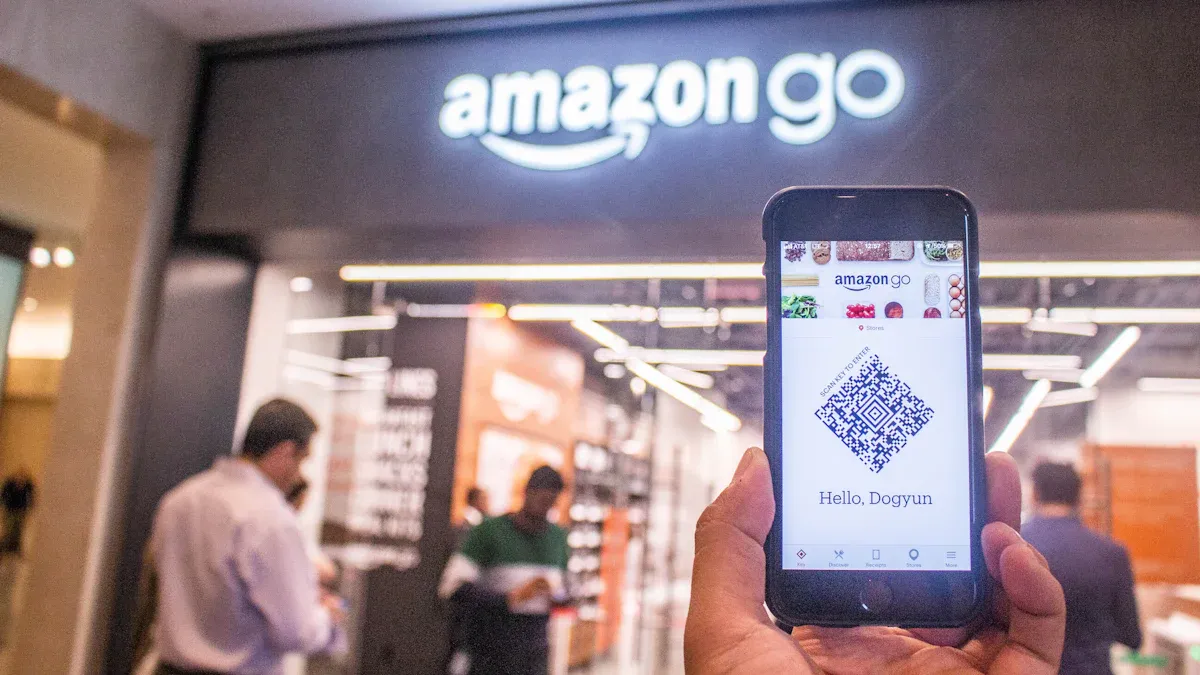
You walk up to the store entrance and pull out your phone. A quick scan of the store's app opens the gate, and you're in. That's it. No membership card, no waiting for a greeter. A first-time shopper generally needs a properly configured smartphone with the store's app downloaded to gain entry. Once a wireless connection is established, items are logged automatically as you take them.
Inside, cameras and shelf sensors watch what you pick up. They build a virtual cart in real time. Put an item back, and it drops off your list. Grab something else, and it appears. You never scan a barcode or punch a screen. This is what makes cashierless shopping feel so different from a normal trip. The store does the bookkeeping, and you just shop.
Amazon Go stores use AiFi-like technology that lets customers shop and exit without a traditional checkout. Cameras and sensors identify the items customers take, and the total is automatically charged to their Amazon account upon leaving the store.
Payment happens through digital wallets linked to the store's app. You don't stand in line, scan items, or pay at a counter. The system handles it wirelessly. That's the heart of the automated checkout process.
Entry to Exit Without Stopping
The whole trip follows a simple path. Here's how it works from door to receipt:
Enter the store by scanning a credit card or using a mobile app.
Pick up products or return them to shelves; computer vision tracks these actions and maintains an accurate virtual cart.
Leave the store when done; the system automatically charges the linked payment method and sends a digital receipt.
Different stores offer different ways in. Amazon Go, for example, gives you three options at the gate.
Entry Method | How It Works |
|---|---|
Amazon app | Shopper uses the app to open the entry gate |
Credit card | Shopper uses a credit card to open the entry gate |
Amazon One | Shopper uses the Amazon One payment system to open the entry gate |
After you enter, you take items and leave through the exit gate. Amazon then charges you for the items taken. The system links you to the payment method you used at entry, so only one method is needed for a group. It does not use biometrics to tell shoppers apart.
This design removes the biggest pain point in retail: the line. You never stop to pay. Cashierless transactions happen in the background while you walk out. The result is frictionless transactions from start to finish, and that's the promise driving the whole model. No more waiting at checkout, no more unloading a cart onto a belt. You just leave, and the receipt shows up on your phone.
Cashierless Retail Technologies
Computer Vision and Sensors
Computer vision is at the center of every cashierless store. Overhead RGB and depth-sensing cameras watch how you move through the aisles. They identify you again without facial recognition and see the moment your hand reaches toward a shelf. That visual data alone is not enough, though. Shelf load cells record tiny weight changes at the exact moment you lift or return an item. These load cells help the system tell identical items apart and catch products you put back on the wrong shelf.
The real magic happens when all these signals combine. Sensor fusion on edge GPUs merges visual tracking, weight changes, and barcode inventory maps in real time. When a camera shows you reaching for a shelf at the same exact time the shelf's weight drops, the system removes that item from your virtual cart. It updates the virtual cart right away. Automated purchase tracking at its best happens without you ever lifting a finger.
AI, IoT, and Mobile Apps
Artificial intelligence turns all that raw sensor data into a working transaction. In stores like Amazon Go, ceiling cameras and shelf sensors detect what you pick up or return. On-site edge AI processes those signals immediately instead of sending every video stream to the cloud. The edge system figures out what you bought and calculates the charge in real time. Processing locally also avoids impractical cloud latency and bandwidth use. Dozens of video streams would otherwise overwhelm the entire network.
This is where the Internet of Things comes in. Smart checkout systems combine sensors and AI to enable seamless transactions and reduce fraud. Putting AI at the edge near the data gives ultra-low latency, which is essential for real-time purchase processing. Local edge processing also keeps working even when the internet connection is slow or unreliable. That keeps autonomous retail running smoothly in spread-out settings.
Machine learning improves its accuracy over time. ML algorithms study visual and sensor data to tell actions apart, such as picking up, inspecting, or returning items. They improve with every use and adjust to new product layouts, which lowers customer-tracking errors. For example, Walmart's Missed Scan Detection uses AI video surveillance to watch self-checkout lanes. It alerts staff when an item is bagged without being scanned. Caper's AI-powered carts use weight sensors, cameras, and deep learning to identify purchases. Accuracy improves after every use. These systems reduce false charges by billing only confirmed items and reduce missed detections by improving item recognition.
Your phone ties everything together. Mobile apps handle payment processing, digital receipts, and purchase history in one place. Flooid's unified commerce platform keeps receipts consistent across web, mobile, and in-store channels. Its cloud-based engine gives AI-driven insights into your purchase history, organized by transaction and store. The platform works with any endpoint, including mobile commerce, self-service, and mobile point-of-sale. Ingenico lists digital receipts as one of its commerce enhancement services. This confirms that digital receipt generation is a common feature in retail payment platforms. Some systems even support biometric authentication for faster entry. Together, these tools deliver real-time, dynamic, personalized experiences that make AI-powered checkout systems feel effortless.
Cashierless Stores in Action
Amazon Go and Beyond
Amazon Go started the cashierless trend, and it still shows the model works best. Amazon Go has stores in Seattle, New York City, Chicago, and Los Angeles, plus one store in London. That footprint shows how far self-service retail has grown since the first store opened.
Other retailers are paying attention and trying their own ideas. Walmart, Tesco, and some local grocery chains have tested cashierless store formats. Each one wants a share of the same reward. Profit is what drives this rush. Amazon Go stores make about $853 in sales per square foot, while normal convenience stores make around $570. That difference explains why so many chains are trying self-service stores.
Brick Meets Click estimated that Amazon Go could make about $2,700 in yearly sales per square foot — more than any other retailer except Apple — and about 50 inventory turns per year, four to five times more than most retailers.
Global Adoption Trends
The numbers show a bigger picture. More than 3,000 cashierless stores run worldwide today, and experts think that number will pass 10,000 by 2025. That growth covers the United States, Europe, and Asia. You will find these stores in airports, office buildings, hospitals, and college campuses. Each place serves a different part of daily life.
Retailers pick this model for one main reason: money. Cashierless stores lower labor costs, speed up transactions, and free up floor space for more products. Higher sales per square foot and faster inventory turns lead to better profits. As the technology gets cheaper and more reliable, smaller chains can afford to join in. The cashierless retail future is not just an Amazon test anymore. It is a global change, and it is speeding up.
Benefits of Cashierless Retail
Speed and Convenience
You already know the best part of cashierless shopping: you never wait in line. You walk in, grab your items, and leave. The whole trip takes minutes instead of the usual half hour. That speed changes how you shop. You can stop by on your lunch break or between classes without worrying about a long queue. The store tracks everything for you, so you skip the scanning step entirely.
This speed creates a smooth shopping experience that keeps you coming back. Stores that offer this model see happier customers who spend less time waiting and more time browsing. You get a customer-friendly shopping experience without the usual stress. That is a real win for busy people.
Efficiency and Cost Savings
Retailers love cashierless systems for one big reason: they save money. Automated retail systems have reduced labor costs by 20-30% in deployments. Those savings come from fewer cashiers and faster transactions. Lower labor costs mean stores can invest more in products and services you actually want.
Better store operations also come from these systems. Real-time data gives managers inventory visibility they never had before. They know what sells and what sits on shelves. That means fewer out-of-stock items and less waste. AI helps with customer personalization too, so you see offers that match your habits. All of this builds toward a smooth, personalized customer experience that benefits you and the retailer. The cashierless model is not just about speed. It is about smarter retail from top to bottom.
Challenges of Cashierless Retail
Privacy and Security Concerns
You might enjoy skipping the line, but you may also ask who is watching you. Cashierless stores follow your every move using cameras and sensors. That data can feel like an invasion. A New York City Amazon Go store was sued under the city's Biometric Surveillance Law. The store did not tell customers it tracked them with biometric data. The law requires posted notice and bans selling biometric identifier information. It also allows damages from $500 to $5,000. That case shows why operators must deal with consumer distrust and follow rules like GDPR and CCPA.
Some systems avoid the problem completely. AiFi's computer-vision platform makes anonymous shopper avatars using keypoint tracking. It stores no biometric data and is built to be GDPR and CCPA compliant. Amazon says Just Walk Out uses computer vision, sensor fusion, and deep learning, not biometrics. A temporary numeric code links you to your payment and items. Amazon One palm scanning is a separate, optional payment method. Still, Amazon faces an Illinois BIPA lawsuit and a New York City class action over missing notice signs. Even non-biometric image data can identify you, so combining images with purchase data stays privacy-sensitive. Frameworks like ISO 27001:2022 require regular independent audits of access control, logging, and data protection. The EU AI Act bans workplace emotion recognition and biometric categorization. If you run a cashierless store, privacy by design is not optional.
Costs and Job Displacement
The upfront price tag stops many retailers cold. Hardware alone for a convenience store costs about $50,000, before software setup and integration. Full installations run much higher.
Store Format | Upfront Hardware Cost | Monthly Ongoing Cost |
|---|---|---|
Micro-Market / Kiosk | $100,000 | $5,000 |
Mid-Sized Convenience | $250,000 | $10,000 |
Large Supermarket | $500,000 | $15,000 |
Scaling beyond one pilot site creates operational disruptions. You face store and staff downtime, retraining, infrastructure management, production testing, and customer education. Connecting hundreds of locations to shared data and software while keeping reliability and security is technically hard. Flexibility matters because each store or geography may need a tailored setup.
Jobs change too. Fewer cashiers means fewer entry-level roles. That worries workers and communities. Retailers must weigh savings against public backlash. Some chains retrain staff for stocking, support, and analytics roles. Others cut hours. The shift is real, and it demands honest planning.
The Future of Cashierless Shopping
Impact on Shoppers
Soon, you will expect every store to work this way. Cashierless checkout is becoming the normal setup for physical stores. Digital systems give you the fast, flexible, and safe experience you want. You already like how easy online shopping is. Now you bring those same hopes into real stores. A smooth checkout brings people back and helps local stores compete with online sellers and slower rivals.
The same technology also makes your trip more personal. Checkout digitization gives analytics detailed information about in-store behavior. Retailers see where you walk, what you pick up or return, and how long you pause. They use that data to shape promotions, recommendations, and product placement. Loyalty programs, personalized offers, and live product recommendations can fit right into the checkout process. As more stores adopt this, these models change what you expect from all physical stores. Satisfaction, foot traffic, and loyalty rise among time-conscious and tech-savvy shoppers. The cashierless retail future rewards you with speed and relevance.
Changing Retail Jobs
Retail employee roles will change rather than disappear completely. Fewer cashiers means fewer entry-level roles, and that worries workers and communities. Yet stores still need people. Someone must stock shelves, help shoppers, and manage the technology. Some chains retrain staff for stocking, support, and analytics roles. Others cut hours. The shift is real, and it demands honest planning.
You will see new jobs appear too. Technicians take care of cameras and sensors. Data analysts study shopper behavior. Support teams help customers with app issues and billing questions. Autonomous retail does not remove the human touch. It moves that touch to different tasks. The future of cashierless shopping is not a world without workers. It is a world where workers do different things. This trend is certain to happen. Stores that plan for it will do well, and workers who adapt will find new opportunities.
The cashierless retail future is already here. Computer vision and AI let you skip checkout lines completely. By 2025, more than 10,000 stores should work this way. You get speed and convenience like never before. Retailers collect data and lower labor costs. Shoppers worry about privacy laws. Jobs change instead of going away. The cashierless retail future turns shopping into a faster, smarter trip. Yes, questions remain open. Yet the trend is clear. AI keeps getting better, trust grows, and stores adapt. Cashierless stores become the new normal. Your next trip could be the one where you just walk out.
FAQ
Do you need an app to shop in a cashierless store?
Not always. Amazon Go lets you enter with the Amazon app, a credit card, or Amazon One. Most stores still want a phone app for digital receipts and payment. Check the store's rules before you go.
How does the store know what you took?
Overhead cameras watch your hands, and shelf sensors track weight changes. AI merges both signals in real time. When you lift an item, it lands in your virtual cart. Put it back, and it disappears.
Is your personal data safe in these stores?
It depends on the system. AiFi builds anonymous shopper avatars and stores no biometric data. Amazon says Just Walk Out uses no biometrics. Still, lawsuits over missing notice signs show that privacy rules matter. Always read the store's policy.
Why do retailers switch to cashierless checkout?
Profit drives the change. Amazon Go earns about $853 per square foot, while normal convenience stores earn around $570. Faster trips and better inventory data add more savings.
Will cashierless stores eliminate cashier jobs?
Not entirely. Fewer entry-level cashier roles will exist, and that worries workers. Yet stores still need people to stock shelves, help shoppers, and manage technology. New roles in analytics and support will appear. The work shifts rather than vanishes.
See Also
Discover How Cloudpick Delivers Cashierless Shopping Convenience To Your Retail Store
Walmart Self-Checkout Access Updates: What Changes Are Coming In 2025
Tracing The Historical Development And Evolution Of Self-Checkout Technology
Examining Walgreens Self-Checkout: Benefits And Challenges In Modern Retail
Understanding Self-Checkout Cash Errors: Causes And Solutions For Seamless Transactions
