Customer behavior trends in autonomous retail environments in Hospitals & healthcare facilities.

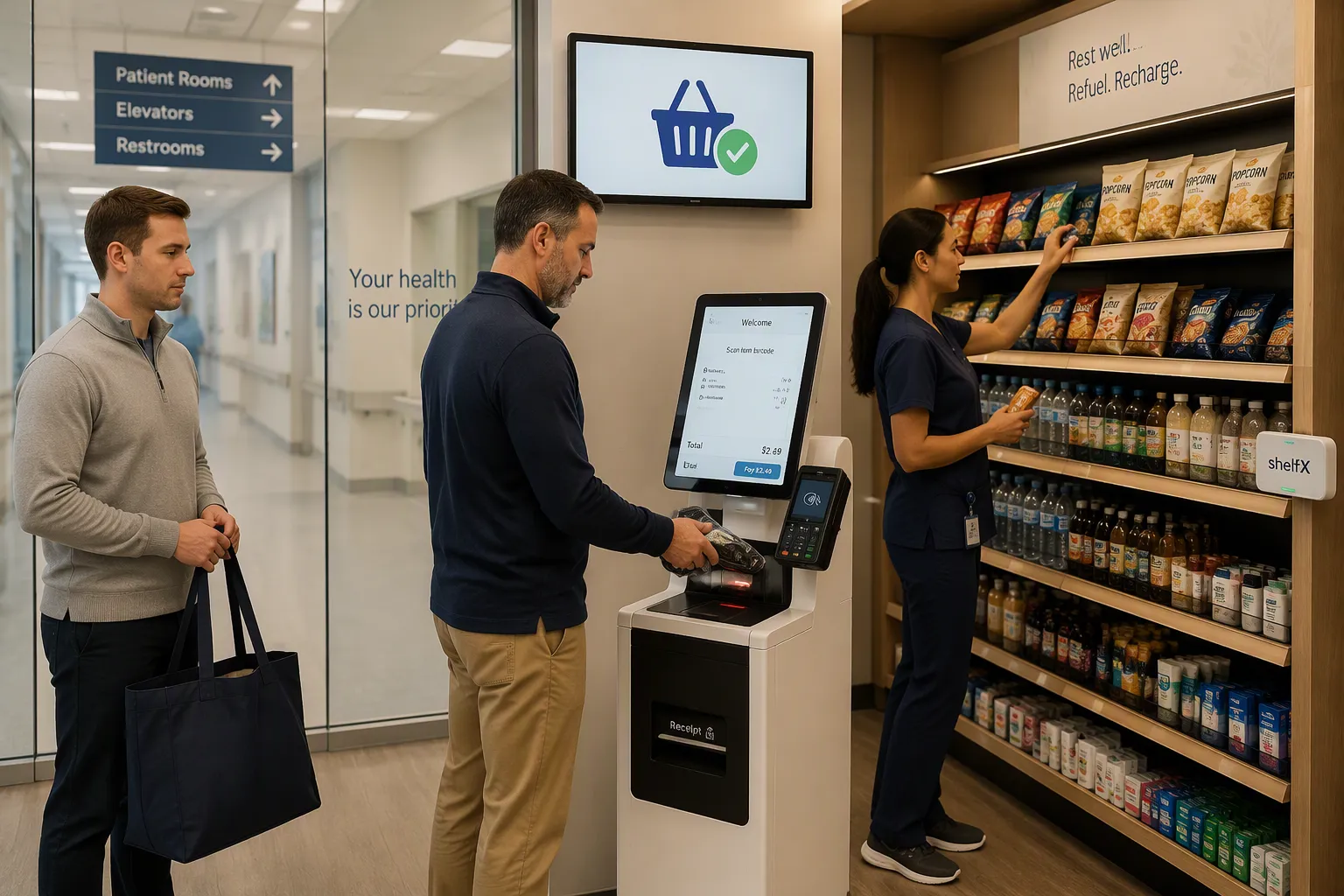
Four customer behavior trends shape autonomous retail in hospital settings: convenience-first shopping, personalization, health-conscious choices, and technology-driven trust. Consumers associate these stores with the healthcare environment and feel more confident using them. AI adoption continues to alter consumer behavior and clinical outcomes. Patients, staff, and visitors shop during short breaks between appointments or shifts. Patients also expect contactless checkout and minimal friction. Healthcare consumerism drives demand for speed, proximity, and tailored products. Consumerism also rewards retailers who respond quickly. These shifts matter to administrators, retail operators, and industry analysts planning store design, data analytics, and partnerships. Each group must respond with deliberate strategy.
Key Takeaways
Speed and convenience drive purchases in hospital stores. Shoppers want quick, easy access without waiting in line.
Trust in technology is crucial. Reliable, secure systems encourage repeat visits from staff, patients, and visitors.
Personalization and health-conscious options meet shopper needs. Stores should offer tailored, nutritious products.
Privacy concerns shape personalization. Clear policies and data protection build confidence.
Autonomous retail improves patient experience and staff efficiency. It reduces stress and saves time.
Key Customer Behavior Trends
Autonomous retail inside hospitals and healthcare facilities reveals distinct patterns. Four customer behavior trends stand out. Shoppers prioritize speed and ease. They reward stores they trust. They seek personalized options. They favor health-conscious products. These patterns differ from general retail because the setting itself shapes decisions. A person buying a snack near a hospital entrance carries different priorities than a shopper in a mall. Time feels scarce. Stress runs high. Convenience becomes the deciding factor.
Convenience-First Shopping
Speed drives nearly every purchase decision in these settings. A nurse on a ten-minute break wants a meal without a checkout line. A visitor between appointments needs a drink fast. Autonomous stores remove the wait. Shoppers grab an item and leave. This frictionless model matches the rhythm of healthcare environments. Staff work unpredictable shifts. Patients move between departments on tight schedules. Visitors balance caregiving with errands. Each group values proximity and instant access. A store steps from the waiting room outperforms a cafeteria on another floor. Retail operators who place kiosks near high-traffic corridors capture more sales. Product placement matters too. Grab-and-go items near the entrance sell faster than shelf-stable goods in back aisles. The lesson is simple. Reduce steps. Reduce time. Increase conversion.
Trust in Autonomous Stores
Consumers link autonomous store locations to their attitudes and behaviors. A shopper who trusts the technology feels more confident patronizing a store inside a healthcare facility. That confidence grows when the store feels clean, well-lit, and secure. Trust also depends on reliability. A failed transaction erodes loyalty fast. Repeat users learn the system and return. First-time users need clear signage and simple interfaces. Healthcare settings amplify this effect. A patient already managing a health concern has little patience for technical problems. AI adoption in hospitals affects customer behavior and health outcomes. When a health system uses AI for scheduling or diagnostics, patients grow accustomed to automated systems. That familiarity carries into the retail space. They expect the same smooth experience at the self-serve kiosk. This connection makes AI adoption a key trend. Trust built in one part of the facility transfers to another. Healthcare consumerism reinforces this link. Consumers who demand convenience in care also demand it in the shops they visit. Patients notice when a system works. They notice when it fails. Retail operators who invest in uptime and clear design earn repeat visits. Those who neglect these basics lose shoppers to nearby alternatives. The pattern holds across staff, patients, and visitors alike.
Healthcare Consumerism and Convenience
Healthcare consumerism drives change across healthcare settings. Consumers view care with a shopper's mindset. The healthcare consumerism trend reshapes hospital design. Facilities place shops near entrances and waiting areas. Convenience becomes part of the healthcare experience itself.
Speed, Proximity, and Access
Advisory Board research shows that 51% of healthcare consumers rank convenience and access as the most important factors in care decisions. That number includes facility proximity to home and walk-in availability. The same logic applies to retail inside hospitals. A kiosk near the pharmacy beats one tucked into a far corridor. Healthcare consumerism pushes operators to shorten the distance between need and purchase.
Consumer expectations mirror the ease of online shopping. Modern healthcare consumers compare every touchpoint to the best experience they have had. They expect price transparency in care and shopping alike. This demand for openness changes healthcare operations. Retail clinics inside hospitals feel the pressure. These clinics offer quick, walk-in care. They face the same consumerism forces as the vending machines down the hall.
Patients, staff, and visitors reward respectful facilities. Healthcare organizations offer appointment scheduling through mobile apps. This sets a standard. Their patients expect the same ease at a self-serve kiosk. The patient registration and intake process moves online. Consumers accept automated shopping more readily.
Shopping During Short Breaks
Staff shop in short bursts. A nurse moves between tasks. A visitor grabs coffee while a family member rests. They cannot wait for a cashier. Autonomous stores solve this problem with grab-and-go design. Healthcare consumerism demands this speed. Patients also shop during downtime between tests or appointments.
Wait times create opportunities. Shoppers use spare minutes to browse. The active role in care decisions extends to shopping choices. Healthcare facilities honor this role. They offer options. This is healthcare consumerism at work. Convenience and consumerism together shape every visit. Healthcare consumers return often when the experience stays smooth. Price transparency builds that confidence. Retail clinics gain trust when costs appear upfront. Healthcare consumerism turns convenience into a core expectation.
Personalization in Healthcare Retail
Tailored Recommendations
Personalization begins with product selection. Staff members see items that match their shift patterns. Patients find products that support recovery. Visitors discover practical essentials. Autonomy removes checkout barriers. A kiosk near an oncology unit stocks electrolyte drinks and bland snacks. A kiosk near a maternity ward carries baby supplies. Retail operators adjust offerings as patterns change. This approach responds to healthcare consumerism. Shoppers expect care and shopping to feel personal. Tailored recommendations shorten the path from need to purchase. Visitors appreciate a suggestion that solves a problem. Patients feel understood when a store carries appropriate options. This attention supports patient engagement. Each successful visit strengthens confidence in the store and the facility.
Modern healthcare consumers compare every retail experience to their favorite app. They expect recommendations that reflect context. A night visitor might need coffee, not salad. A nurse might need protein. A mother might need baby formula. Retail systems infer these needs from time, location, and past purchases. Price transparency builds trust. Shoppers know the cost before they scan. The active role patients play in care decisions carries into shopping. Hospitals that support this role strengthen patient engagement. A personalized store respects the patient journey. It offers relevant products at the right moment.
Privacy Expectations
Privacy concerns shape how personalization works. Shoppers worry about their conditions. A purchase of electrolyte drink can reveal a diagnosis. Trust fades quickly when shoppers feel watched. Autonomous stores must separate health data from retail data. Medical organizations follow HIPAA rules. Retail operators should follow the same discipline. They collect only what they need. This boundary matters more than tailored offers.
Healthcare consumers demand control over personal information. Clear policies explain what the store records. Shoppers can opt in or opt out. Opting out does not punish access. Transparent policies and price transparency reassure shoppers. This practice honors patient engagement. Healthcare consumerism demands personalization without privacy loss. Consumerism in general retail pushes personalization far. Healthcare settings need sharper boundaries. Sensitive data changes this consumerism. Retail systems must anonymize purchase histories and limit data retention.
Health-Conscious Purchasing
Healthcare environments change what people buy. Shoppers reach for healthier options inside a hospital or clinic. Autonomous retail stores see strong demand for nutritious and functional products. This trend connects healthcare consumerism to everyday purchases.
Nutritious and Functional Products
Hospital visitors and staff skip sugary snacks in favor of protein bars, low-sugar drinks, and fruit. Healthcare facilities place these options at eye level. Shoppers see the good choice first. A nurse grabbing a quick meal chooses a granola bowl over a candy bar when both sit side by side. Patients preparing for tests choose water over soda. The store earns trust when the healthy item is also the convenient item.
Nutritional needs differ by role. A night-shift worker wants caffeine and protein. A cancer patient needs easy-to-digest foods. A parent staying overnight wants snacks without disrupting a child's sleep. Store operators stock accordingly. Shoppers in healthcare spaces expect shopping to match the clinical mission. The best operators earn repeat visits.
Wellness and Recovery Items
Wellness and recovery items occupy their own shelf sets. Electrolyte drinks, throat lozenges, bandages, and sleep aids appear near the front, where a checkout would be in a staffed store. A visitor buying pain relief for a loved one does so in seconds. A patient leaving day surgery grabs a recovery snack without waiting in line. These purchases solve problems.
Social and psychographic factors shape these choices. Family size influences how much a shopper buys. Income determines which brands appear affordable. Self-image drives preferences — a person who views themselves as proactive about health chooses functional products. A caregiver under stress prioritizes speed and comfort. Store operators who understand these drivers tailor their mix. This blend of empathy and efficiency is healthcare consumerism in action. Consumers expect their shopping to mirror the care they receive. That expectation now defines autonomous stores in hospitals and health centers.
Omnichannel Customer Behavior
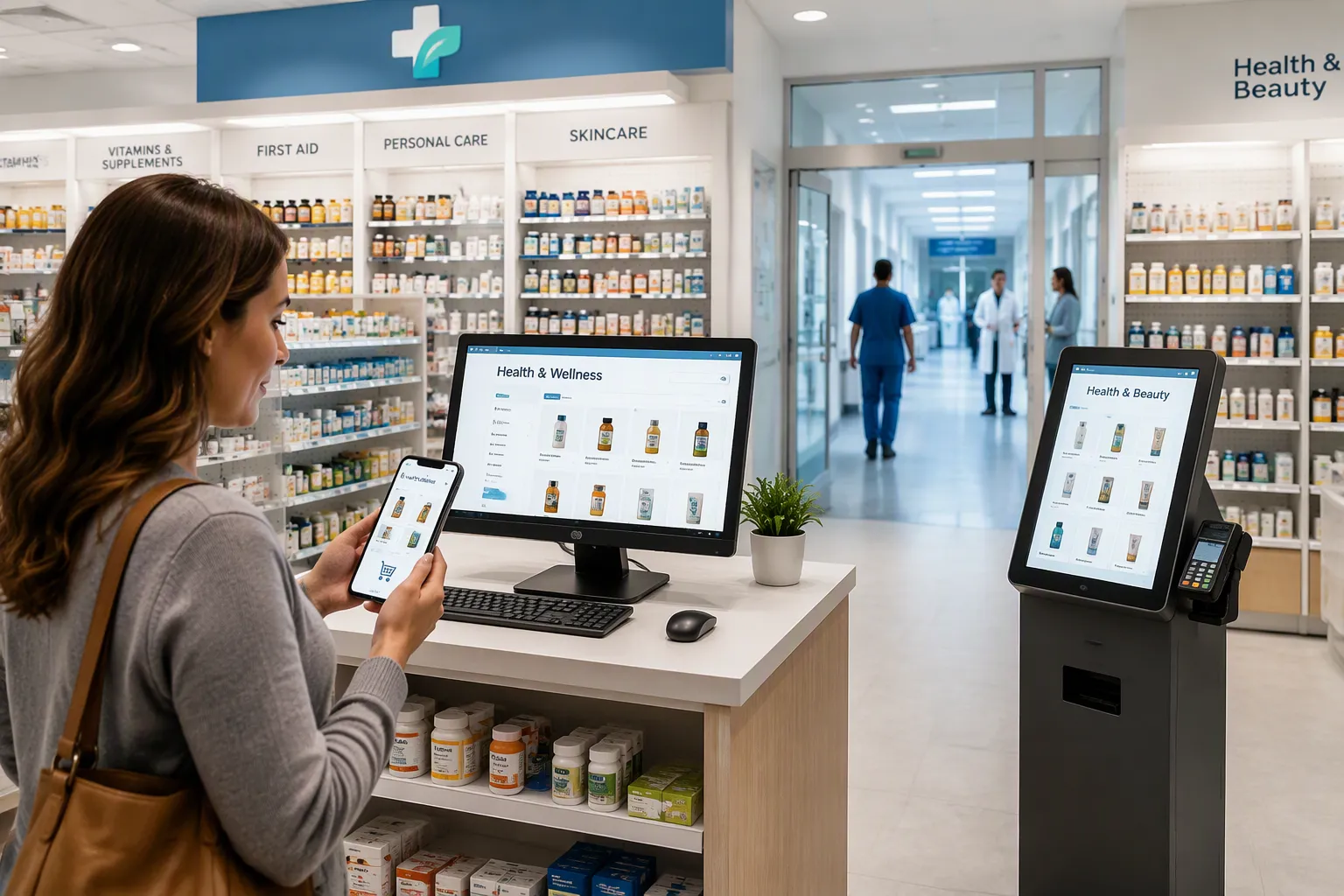
Omnichannel customer behavior now reshapes healthcare retail environments. Shoppers move between mobile apps, online stores, and physical kiosks without pausing. This shift marks a significant retail revolution. It changes how hospitals stock shelves and serve visitors.
The Rise of Omnishoppers
Omnishoppers buy across channels. They research online and purchase in person. They also buy online after seeing a product in a store. This pattern now reaches healthcare settings. Online health and beauty sales hit $70 billion in the 52 weeks ending May 28, 2022, up 11% year over year. In-store sales reached $107 billion in the same period, up 7%. Both channels grew together.
Metric | Statistic |
|---|---|
Online health and beauty sales | $70 billion, up 11% year over year |
In-store health and beauty sales | $107 billion, up 7% year over year |
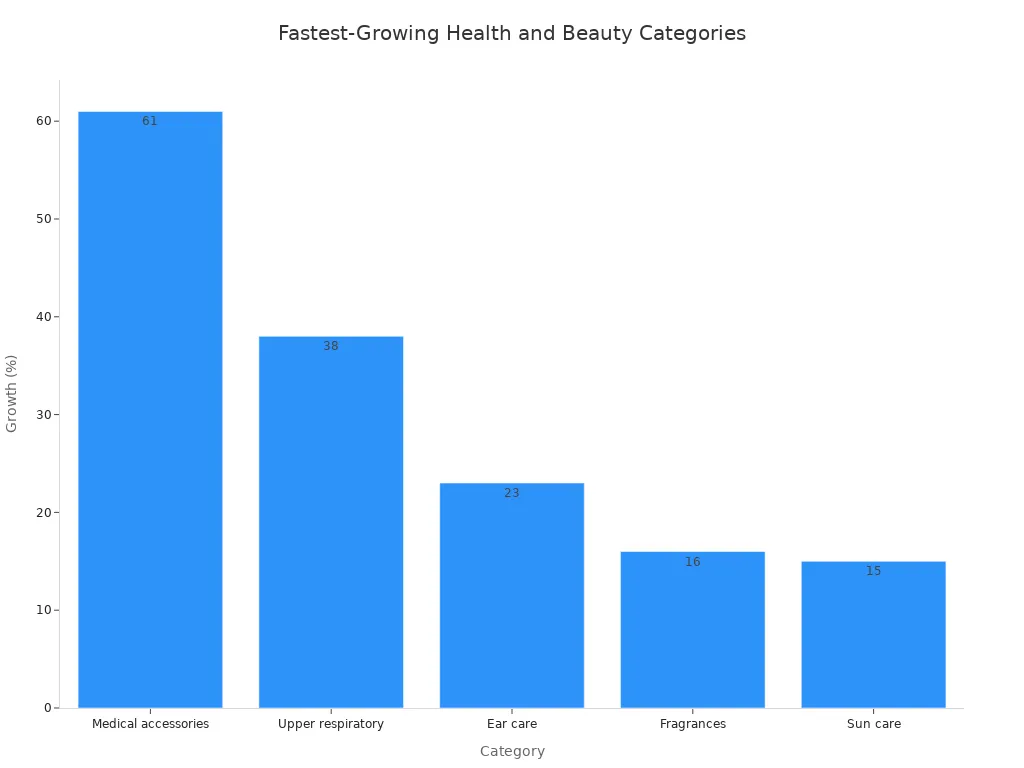
Fastest-growing categories | Medical accessories +61%, upper respiratory +38%, ear care +23% |
Consumers who insist on buying certain items in-store | 68% |
In-store OTC sales from consumers under 35 | 10.1% |
In-store OTC sales from consumers over 55 | 42.4% |
Age shapes these habits. Consumers over 55 drive 42.4% of in-store OTC health product sales. Consumers under 35 contribute just 10.1%. Retail operators in hospitals must serve both groups. Healthcare consumerism pushes them to blend channels smoothly.
Connected Consumer Experience
Data and analytics sit at the core of the connected consumer experience. Sensors and connected products deliver end-to-end insights that were previously unavailable. Smart systems link people, processes, and data. This integration enables collective awareness and better decisions across the supply chain.
Retailers use smartphones and e-commerce platforms to augment online and in-store shopping. Smartphones have become the preferred means of consumer interaction. Observing online and offline habits through cookies, point-of-sale data, and surveys helps retailers build comprehensive consumer profiles. These profiles support targeted outreach.
Healthcare now borrows these lessons. A patient portal lets patients schedule visits, check benefits, and receive reminders inside one privacy-compliant ecosystem. A patient who sees a lab result online can book a follow-up through the same portal. The care team sees full context in real time. This seamless digital experience raises consumer expectations. Patients want recognition and rewards across every touchpoint. Data and predictive analytics drive this shift. They connect the patient journey across mobile, online, and physical channels. Strong patient engagement follows when healthcare consumers trust the system. Consumer insights guide each step. This digital experience defines modern consumerism in healthcare retail.
Technology Interaction and Trust
Comfort with Cashierless Checkout
Shoppers in healthcare settings show growing comfort with cashierless checkout. They value speed and touch-free experiences. A nurse can grab a meal and pay in seconds. A visitor can buy a drink without waiting in line. These small wins build loyalty. Trust grows when the system works every time. A failed scan or a frozen screen breaks that trust fast. Retail operators must maintain system performance under peak loads. Morning shift changes and visiting hours create traffic spikes. Reliable technology keeps shoppers coming back.
Personalized payment options improve the experience. Shoppers can use preferred digital wallets or buy-now-pay-later plans. Tailored promotions reduce cart abandonment. These features make checkout feel effortless. Healthcare consumerism pushes shoppers to expect this ease. They compare every transaction to their favorite shopping app. When a hospital store matches that standard, patients feel respected. Staff feel valued. The technology fades into the background. That is the goal.
Surveillance and Data Concerns
Privacy worries shape how people use autonomous stores. Shoppers fear that purchase data reveals health conditions. Buying electrolyte drinks or bandages can signal a diagnosis. Patients want control over their information. Clear data usage policies reassure them. Advanced encryption and anonymization protect sensitive details. Regulatory compliance and regular audits strengthen credibility. These steps increase trust.
Several factors erode that trust. Data breaches damage reputations. AI bias can flag legitimate behavior as risky. Models trained on historical data may disadvantage certain groups. Integration problems with legacy systems cause disruptions. High implementation costs deter smaller operators. Evolving regulations create uncertainty. Healthcare retail management must address these concerns directly. Transparent policies help. So does giving shoppers a choice to opt out without losing access. Self-service tools should protect users, not expose them. Consumerism in healthcare demands personalization without privacy loss. Operators who respect that boundary earn lasting confidence.
Drivers Behind the Shifts
Staffing Shortages and Time Pressure
Staffing shortages push hospitals toward autonomous retail. Many facilities struggle to fill cashier and food service roles. A single self-serve kiosk can replace a full checkout lane. This shift frees limited staff for clinical duties. Healthcare leaders see autonomous stores as a practical answer to hiring gaps.
Time pressure shapes the same decision. Nurses work twelve-hour shifts with brief breaks. A cashier line wastes precious minutes. Autonomous stores let staff grab food and return to work fast. Patients between appointments face the same crunch. They need quick access to snacks, drinks, and personal items. Retail operators who remove checkout friction capture more sales. The store becomes a service, not a stop.
Hygiene and Contactless Preferences
The pandemic changed how people view shared surfaces. Shoppers now avoid touching keypads, cash, and card readers. Contactless payment feels safer. Autonomous stores reduce physical contact at every step. A shopper scans a phone and walks out. No cashier handles the item. No shared pen signs a receipt. This preference persists long after the pandemic peak.
Healthcare settings amplify hygiene concerns. Patients and visitors already worry about germs. A store inside a hospital must meet higher cleanliness standards. Touch-free checkout supports that goal. It also builds trust. Consumerism in healthcare rewards facilities that respect safety. Shoppers expect the same care in the store that they receive in the exam room. Autonomous retail meets that expectation with minimal contact and maximum speed. These two drivers — staffing pressure and hygiene demand — will keep pushing adoption forward. Consumerism will continue to raise the bar for both.
Impact on Stakeholders
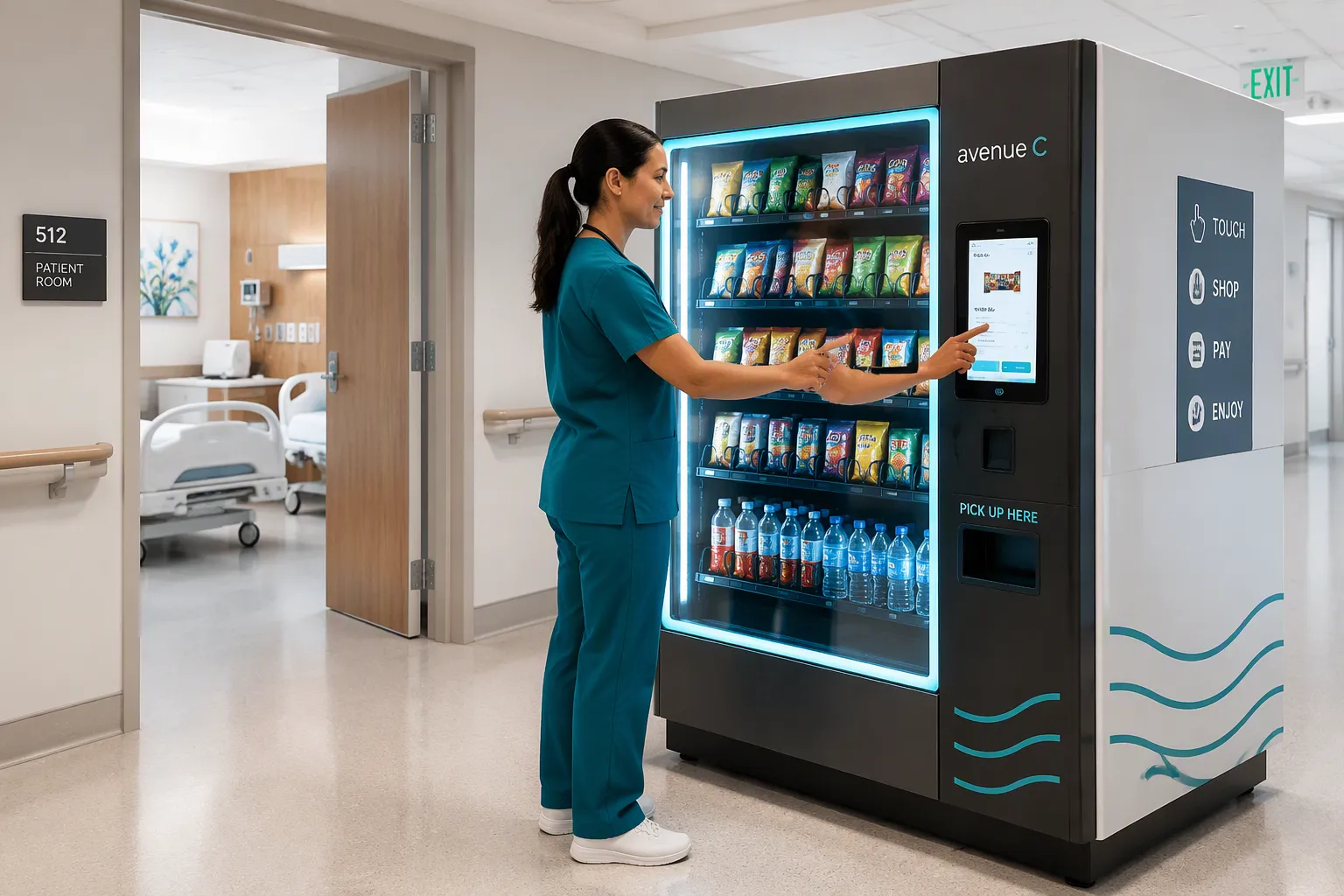
Retailer and Inventory Implications
Autonomous stores change how retailers plan inventory. A hospital kiosk cannot rely on the same mix as a mall shop. Demand shifts by floor, by department, and by hour. A store near the emergency room sells comfort items at night. A store near outpatient surgery sells recovery snacks by day. Retail operators track these patterns and adjust orders fast. Small footprints mean tight stock limits. A stockout costs a sale with no backup aisle. Retailers use real-time data to refill high-turn items before shelves empty. This approach keeps the assortment lean and relevant.
Branded shops now appear inside healthcare campuses. Merchants lease space near lobbies and cafeterias. They bring recognizable products and trusted names. This trend mirrors a broader shift. Healthcare spaces move into former stores, and stores move into healthcare spaces. The two sectors blend. A retail clinic inside a pharmacy and a pharmacy inside a hospital show the same logic. Retailers gain steady foot traffic from staff and visitors. Hospitals gain revenue and convenience. Inventory systems must connect across these sites. A shared dashboard helps operators see demand in one place and respond in another.
Provider and Patient Outcomes
Autonomous retail improves the patient experience in measurable ways. A visitor grabs a meal without leaving the floor. A nurse buys a snack between rounds. These small moments reduce stress. They also save time. Providers see fewer interruptions when staff handle errands on site. That focus supports better care.
Hospitals and health systems now study these outcomes. Case studies in the retail health care field show that on-site shops raise satisfaction scores. They also lift staff morale. A patient-centric experience includes the small comforts. A warm meal, a phone charger, or a pain reliever matters during a long stay. Retail clinics and autonomous kiosks deliver these items fast.
The patient journey extends beyond the exam room. Every touchpoint shapes how people judge a facility. Healthcare consumerism pushes providers to treat shopping as part of care. Consumerism in general retail sets high expectations. Patients compare a hospital kiosk to their favorite app. Retail clinics that meet this bar earn loyalty. Retail clinic operators who ignore it lose trust.
Patients notice when a system works. They notice when it fails. Retail health clinics and their autonomous counterparts must protect privacy and deliver speed. Providers who partner with skilled operators gain a stronger patient experience. Staff gain convenience. Visitors gain peace of mind. These outcomes compound over time. A single smooth purchase builds confidence in the whole facility. That confidence drives return visits and referrals. Healthcare consumerism rewards organizations that treat every moment as part of the care experience. The stakes reach beyond a snack or a drink. They touch trust, reputation, and long-term loyalty.
Autonomous stores in healthcare facilities reward speed, trust, personalization, and health-conscious choices. These customer behavior trends reshape how staff, patients, and visitors shop. Retailers should stock recovery items near clinical units, price transparently, and place kiosks along high-traffic corridors. Healthcare providers should set clear privacy policies and partner with retail operators who protect data. Consumerism pushes both groups to treat every purchase as part of care. Patients expect the same ease they find in their favorite apps. These customer behavior trends will keep evolving. Stakeholders should watch AI adoption, contactless payment growth, and shifting privacy rules. Consumerism will raise the bar again. Healthcare leaders who monitor these signals will stay ahead.
FAQ
What drives shoppers to use autonomous stores in hospitals?
Speed and proximity drive adoption. Staff grab meals between shifts. Visitors buy drinks during short waits. Patients pick up essentials without leaving the floor. These shoppers value instant access over browsing. A kiosk near a waiting area outperforms a distant cafeteria. Convenience decides the purchase.
How do privacy concerns affect personalization in healthcare retail?
Shoppers worry that purchase data reveals health conditions. Buying bandages or electrolyte drinks can signal a diagnosis. Retail operators must separate health data from retail data. Clear policies let shoppers opt out without losing access. Trust grows when stores protect sensitive details.
Do patients and staff buy different products?
Yes. Staff favor protein, caffeine, and quick meals. Patients lean toward recovery items like lozenges and easy-to-digest snacks. Visitors seek practical essentials and comfort items. Store operators adjust assortments by floor and department. This tailored mix reflects healthcare consumerism in action.
Why do hospitals adopt cashierless checkout?
Staffing shortages push hospitals toward automation. Filling cashier roles proves difficult. A self-serve kiosk replaces a full checkout lane. Time pressure matters too. Nurses on twelve-hour shifts cannot wait in line. Contactless payment also meets hygiene expectations. These forces keep adoption moving forward.
How does consumerism shape retail inside care facilities?
Consumerism pushes shoppers to expect the same ease they find in their favorite apps. They want transparent pricing, fast checkout, and relevant products. Healthcare settings now mirror general retail standards. Providers who meet this bar earn loyalty. Those who ignore it lose trust.
See Also
A Look At Walgreens Self-Checkout: Retail Convenience And Its Challenges
How Self-Checkout Technology Has Changed And Evolved Over Time
Walmart Self-Checkout Access: What Changes Are Coming In 2025?
Micromarkets Versus Smart Stores: How Automated Convenience Retail Operates Globally
Why Stores Powered By Artificial Intelligence Represent The Future
